Tim & Gerri's Wild Ride
Email & Facebook Gerri:
  • Home
  • Worldwide Travel
    • A Bit of Asia 2025 >
      • A Bit of Asia 2025 Blog Summary
    • Everest 2025 >
      • 2025 Everest Packing List
      • Everest Blog Summary
    • 2024 Europe Tour >
      • 2024 Europe Tour Packing List
      • Europe 2024 Blog Summary
    • Asia 2023 >
      • Asia 2022 Packing List
      • Asia 2023 Blog Summary
    • Eastern Europe 2022 >
      • Eastern Europe 2022 Blog Summary
      • Eastern Europe 2022 Packing List
    • Narrowboat Holiday 2022 >
      • Narrowboat 2022 Blog
      • Narrowboat 2022 Packing List
    • Ireland & UK 2019 >
      • Ireland & UK Itineray
      • Ireland & UK Blog Summary
      • Ireland & UK Packing List
    • France 2018 >
      • France Itinerary
      • Blog Summary
    • European Tour 2017 >
      • European Vacation Blog
      • Blog Summary
    • Southeast Asia 2014-15 >
      • Southeast Asia Blog
      • Packing List
      • Blog Summary
    • Afghanistan 2011-12
  • United States Travel
    • Great Lakes Sail 2020 >
      • Great Lakes Sail 2020 Blog
      • Blog Summary
    • Trans-America Bicycle Ride >
      • Blog Summary
      • Our Team
      • Equipment
      • Breweries Along Route
    • Pacific Crest Trail >
      • Pacific Crest Trail 2016 >
        • What is the PCT? - 2016
        • Why Hike the PCT? - 2016
        • Gear - 2016
        • Itinerary - 2016
        • PCT Blog Summary - 2016
        • Where are we now? - 2016
      • Pacific Crest Trail 2014 >
        • What is the PCT?
        • Why Hike the PCT?
        • Gear
        • Food
        • Itinerary
        • Blog Summary
        • Where are we now?
    • Motorcycle Ride 2014 >
      • Motorcycle Blog
  • Brewery Visits
    • 2025 Breweries
    • 2024 Breweries
    • 2023 Breweries
    • 2022 Breweries
    • 2021 Breweries
    • 2020 Breweries
    • 2019 Breweries
    • 2018 Breweries
    • 2017 Breweries
    • 2016 Breweries
    • 2015 Breweries
    • 2014 Breweries
    • 2013 Breweries
    • 2012 Breweries
    • 2011 Breweries
    • 2010 Breweries
    • 2009 Breweries
    • 2008 Breweries
    • 2007 Breweries
    • 2006 Breweries
    • 2005 Breweries
    • 2004 Breweries
    • 2003 Breweries
    • 2002 Breweries

Krakow ("Awaiting Transportation")

8/30/2022

0 Comments

 
29 August

We have a day of rest in Krakow before the flight out tomorrow to England.

Gerri wanted to get a hair-cut before our Transatlantic cruise out of England to America.
Picture
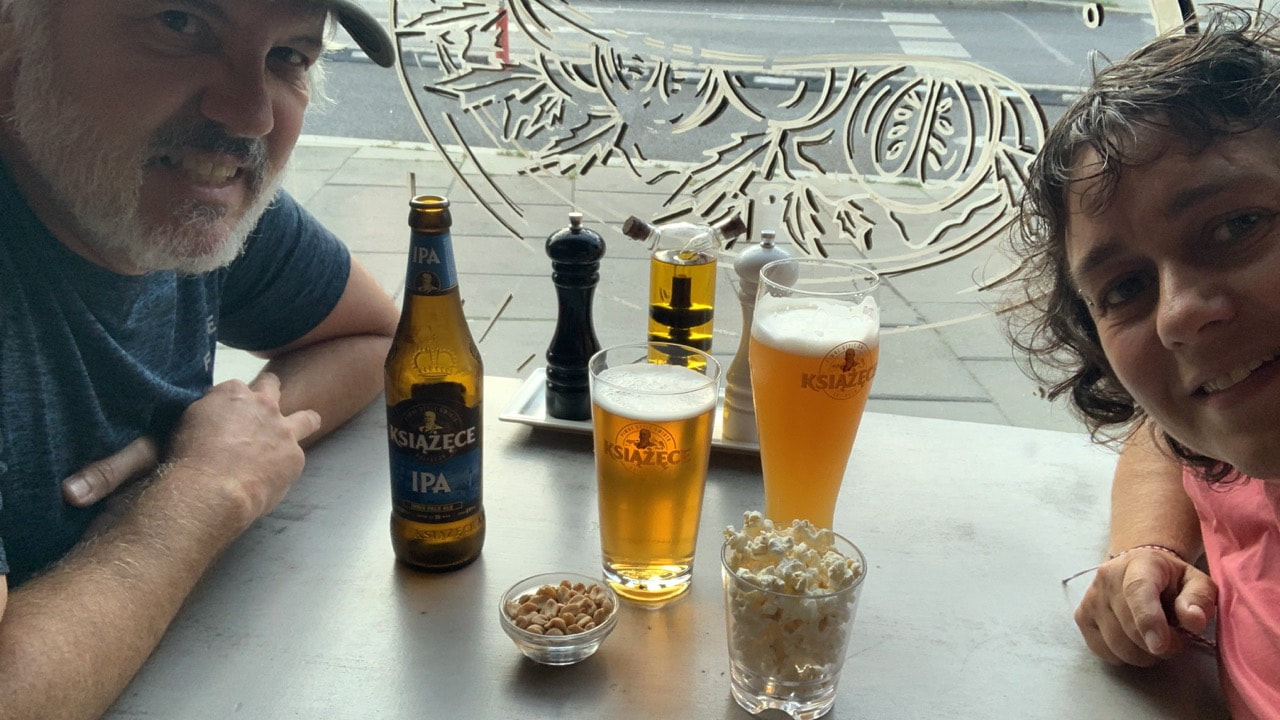
Then there was a great tap house/pizzeria just a few blocks away.
Picture
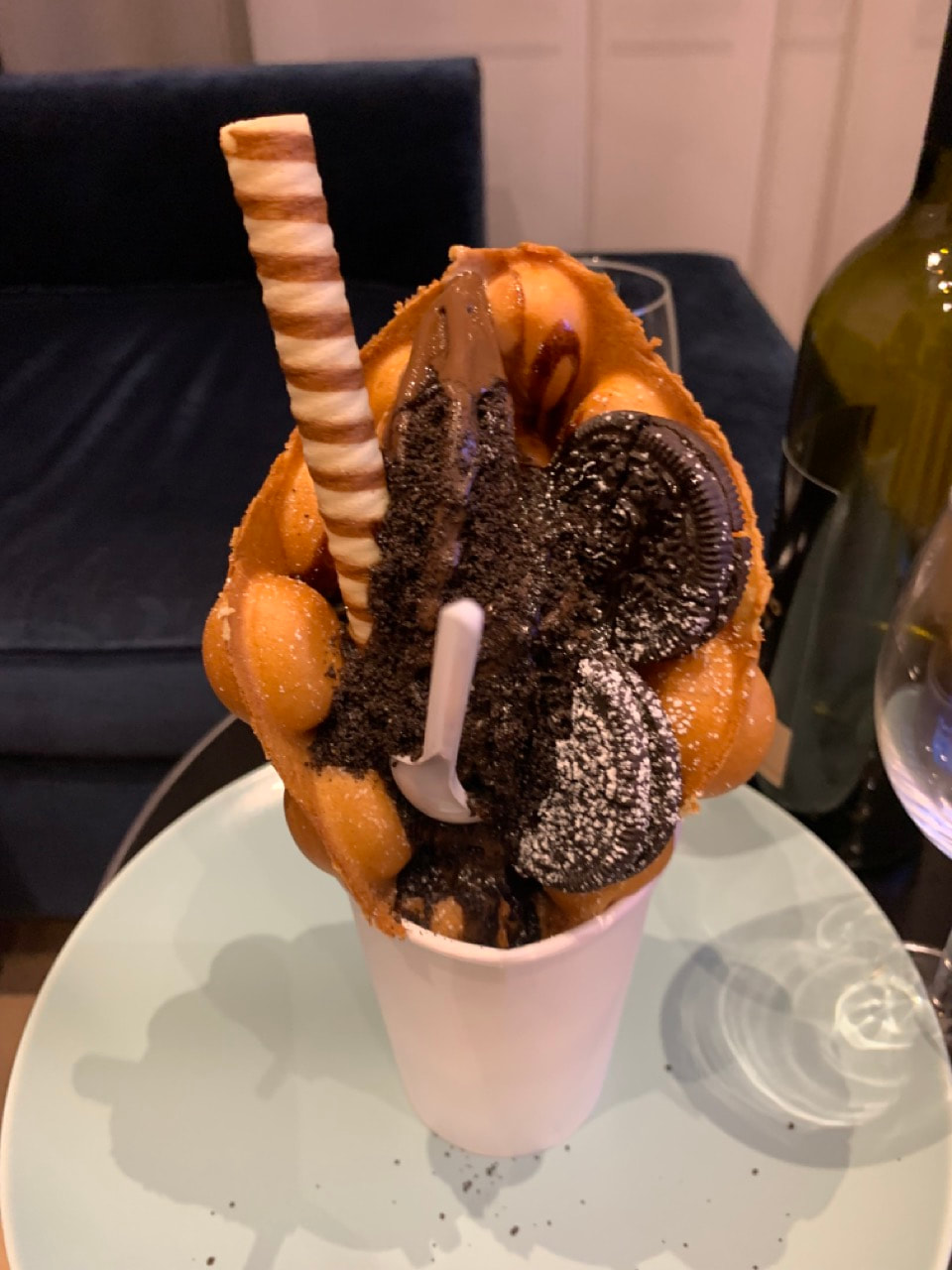
And then we wound down a day of rest with crazy confectionaries.
Picture

30 August

​
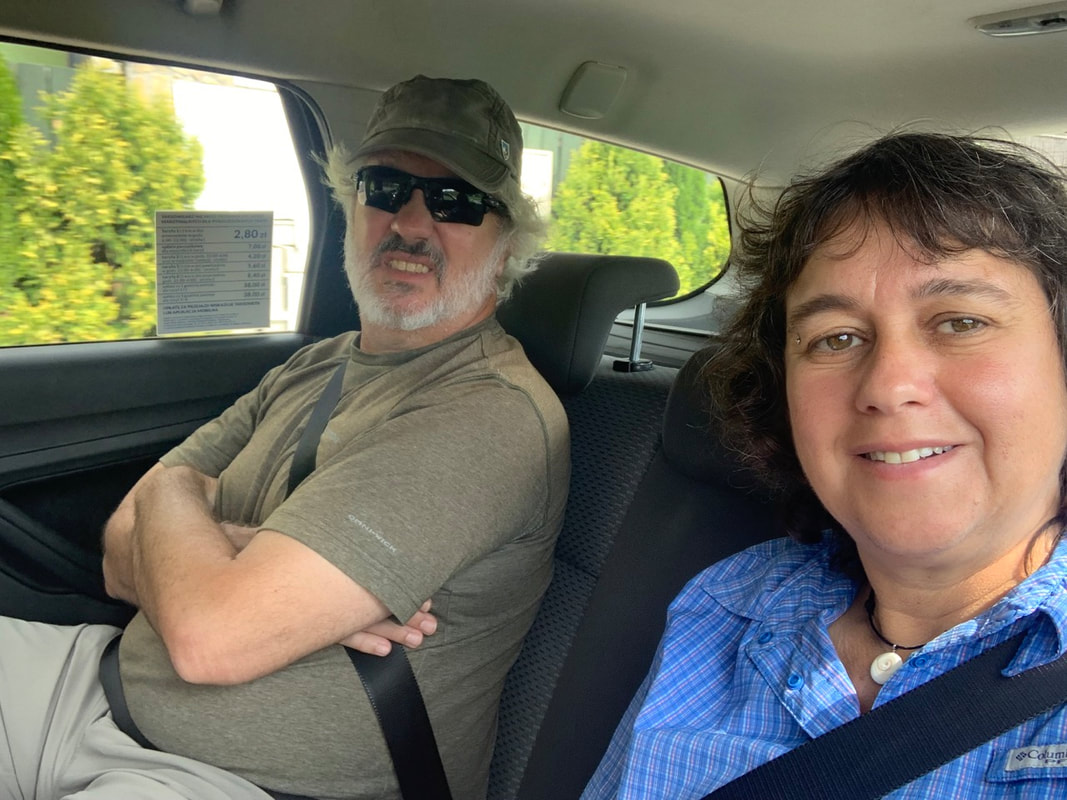
Uber ride to the Krakow International Airport.
Picture
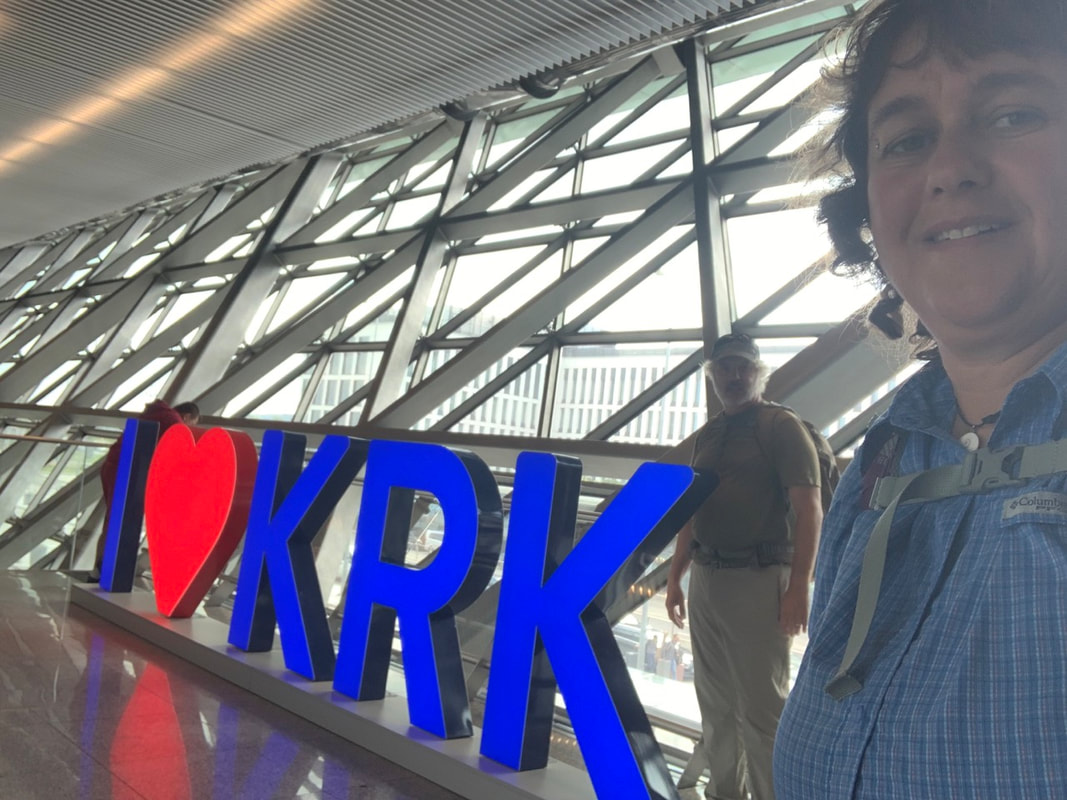
At the terminal building.
Picture
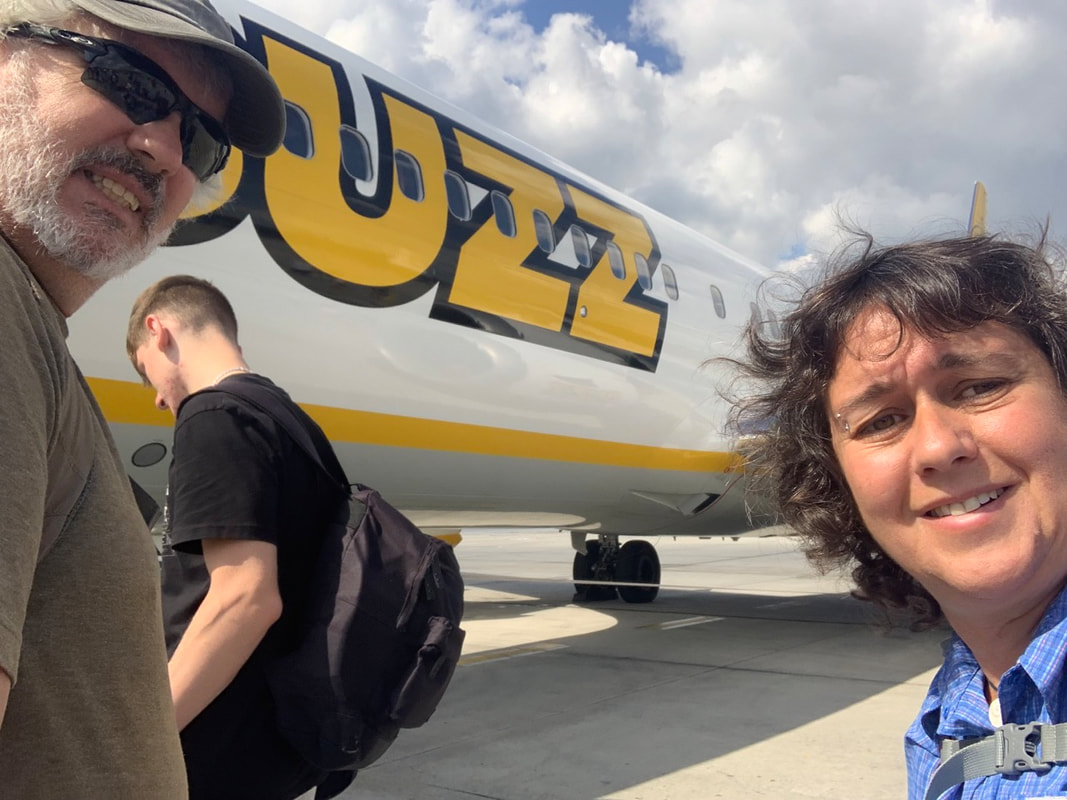
All aboard who's going aboard.
Picture
0 Comments

Krakow via Wieliczka Salt Mine

8/28/2022

0 Comments

 
We're headed back to Krakow, Poland, as our departure city from this multi-country tour of Central/Eastern Europe.
​
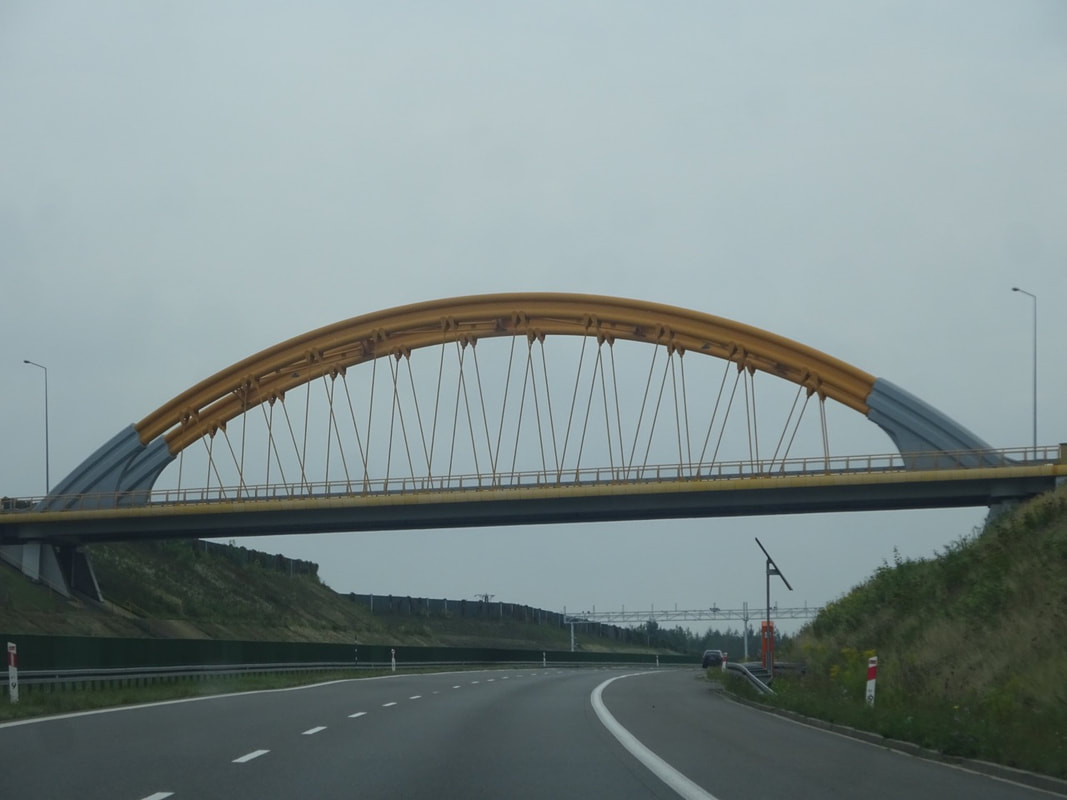
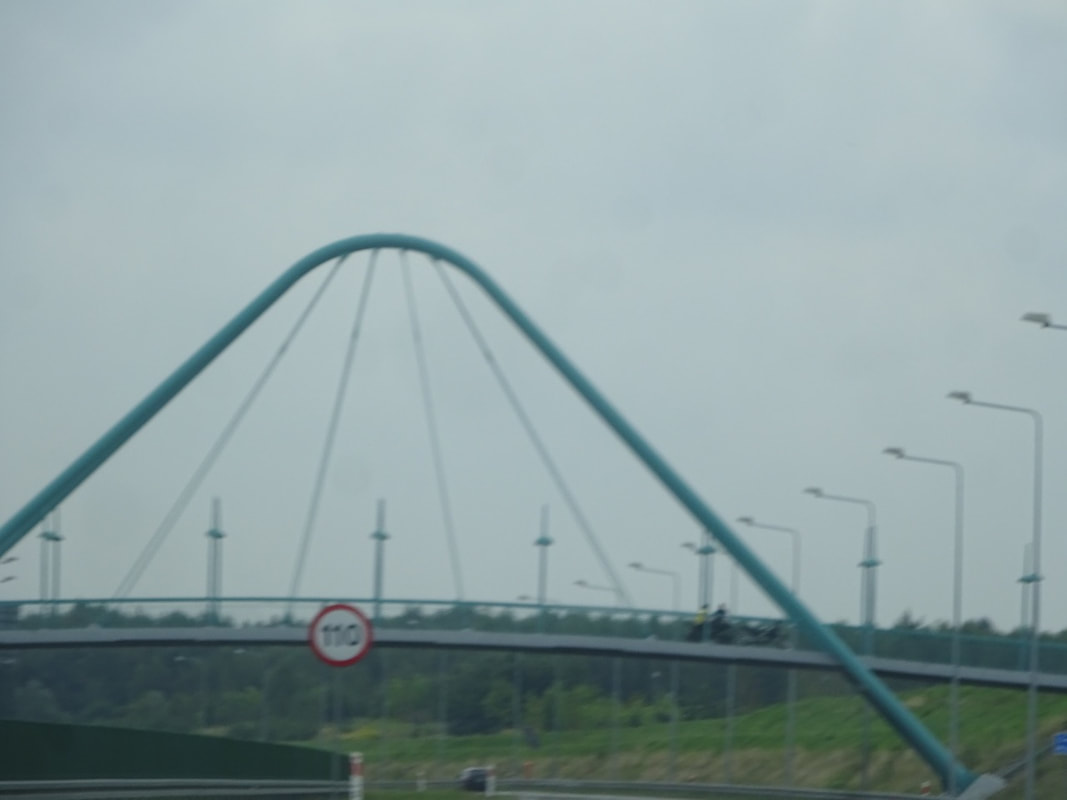
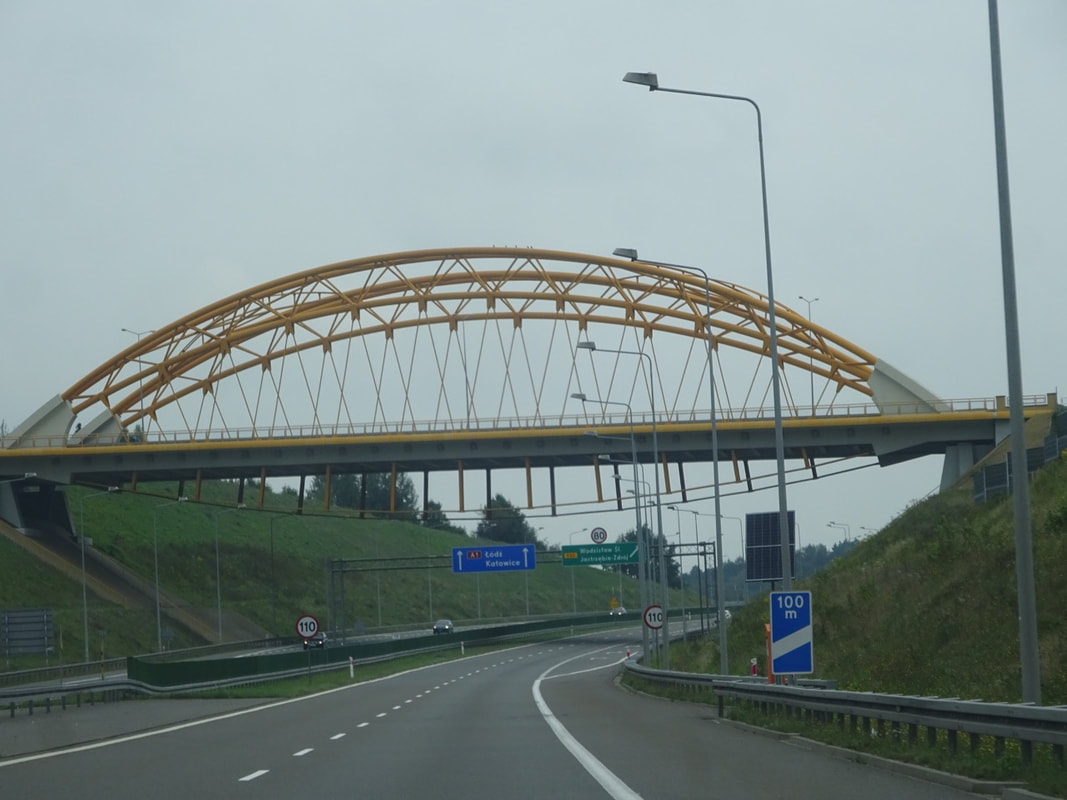
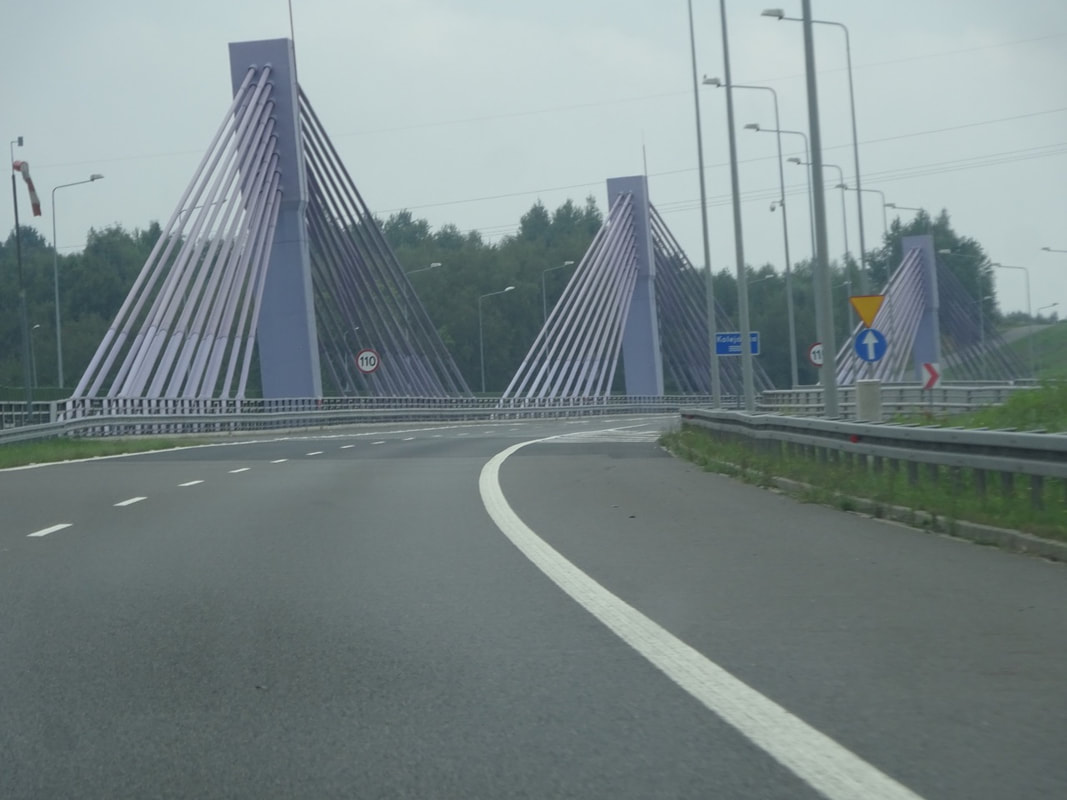
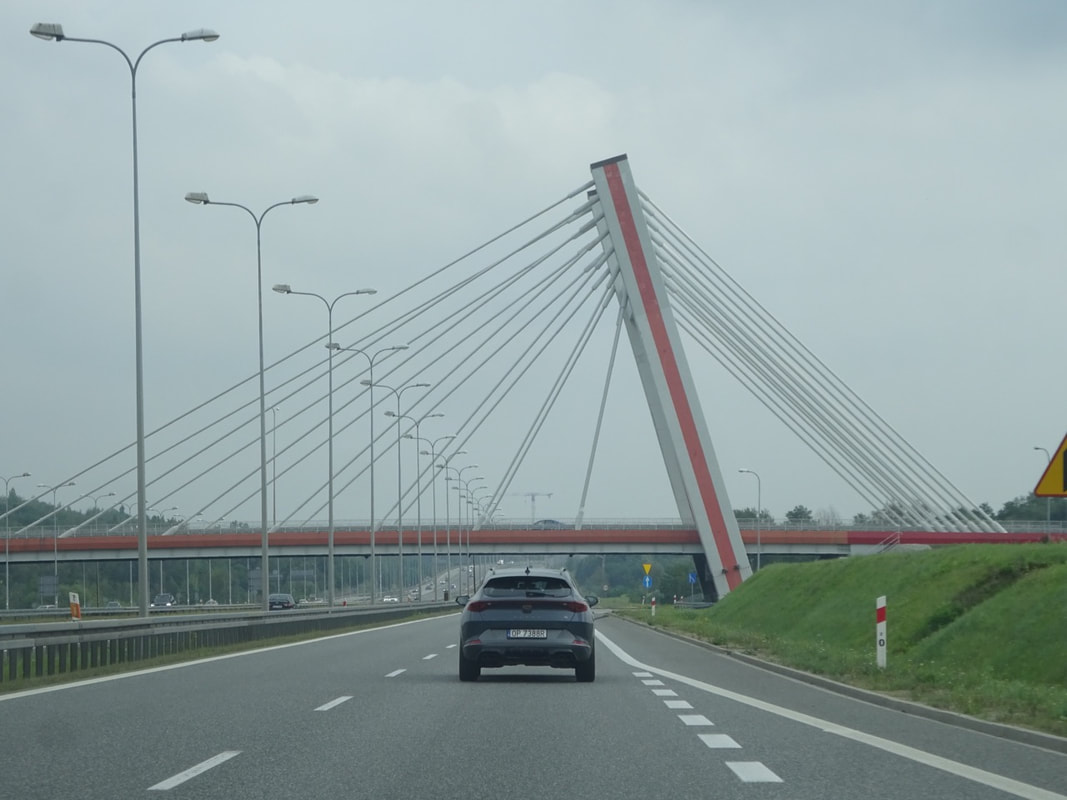
Now in southern Poland, we're treated to views of a series of modern bridges.
Picture
Picture
Picture
Picture
Picture

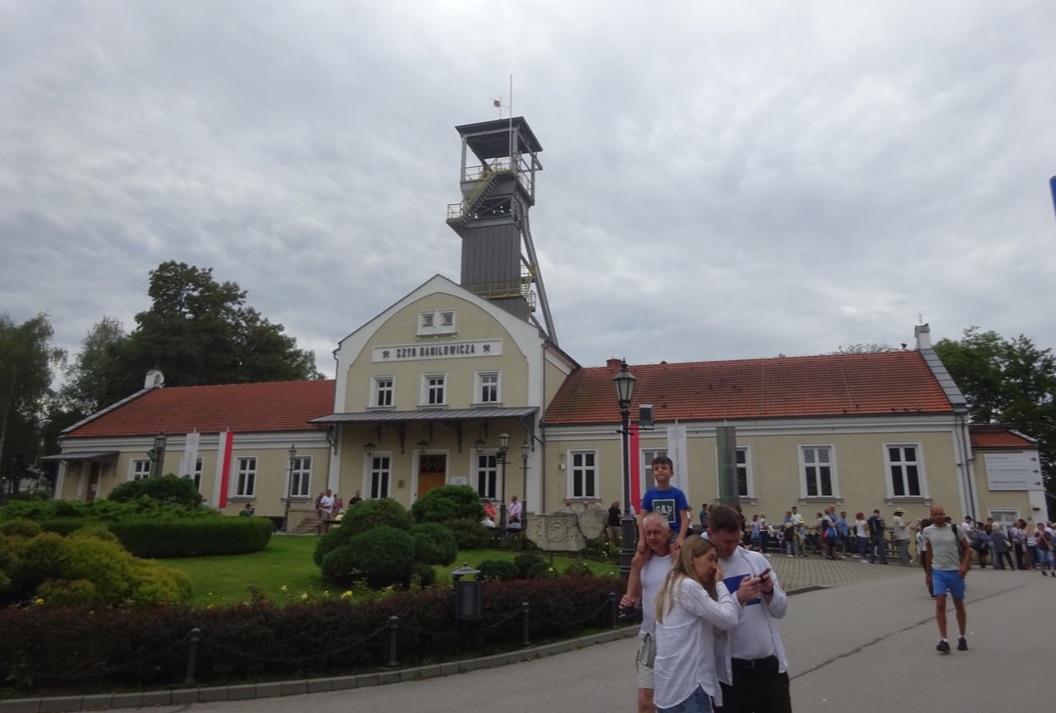
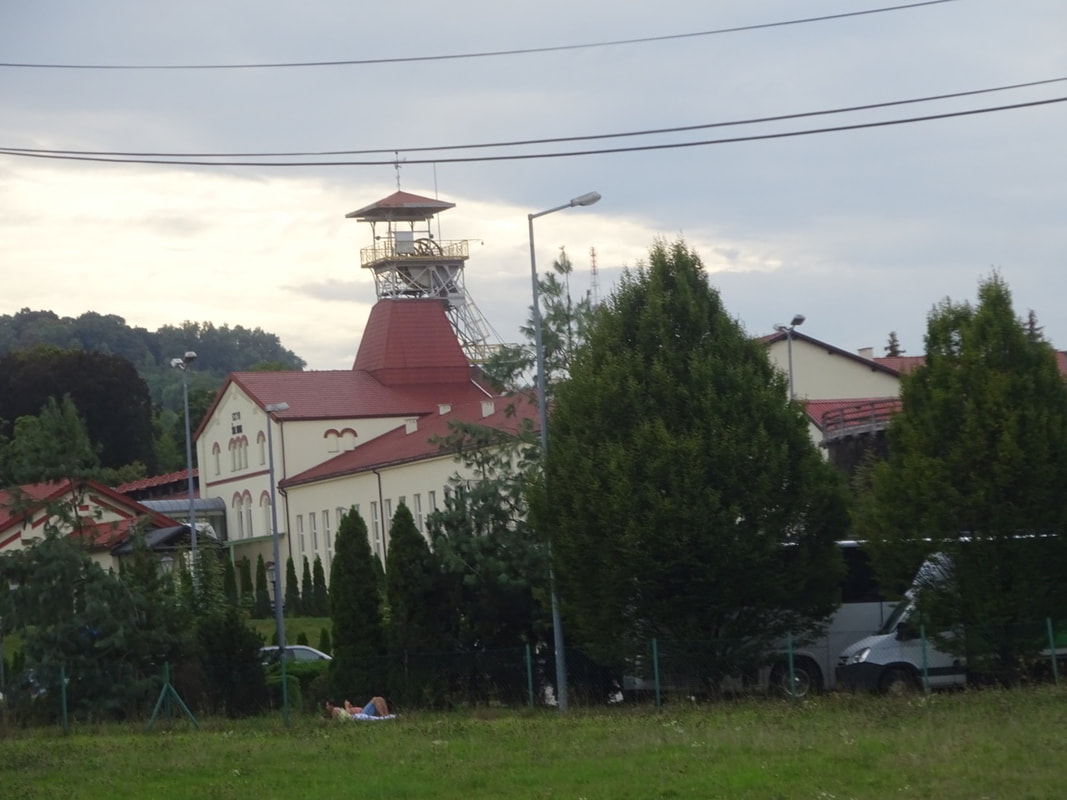
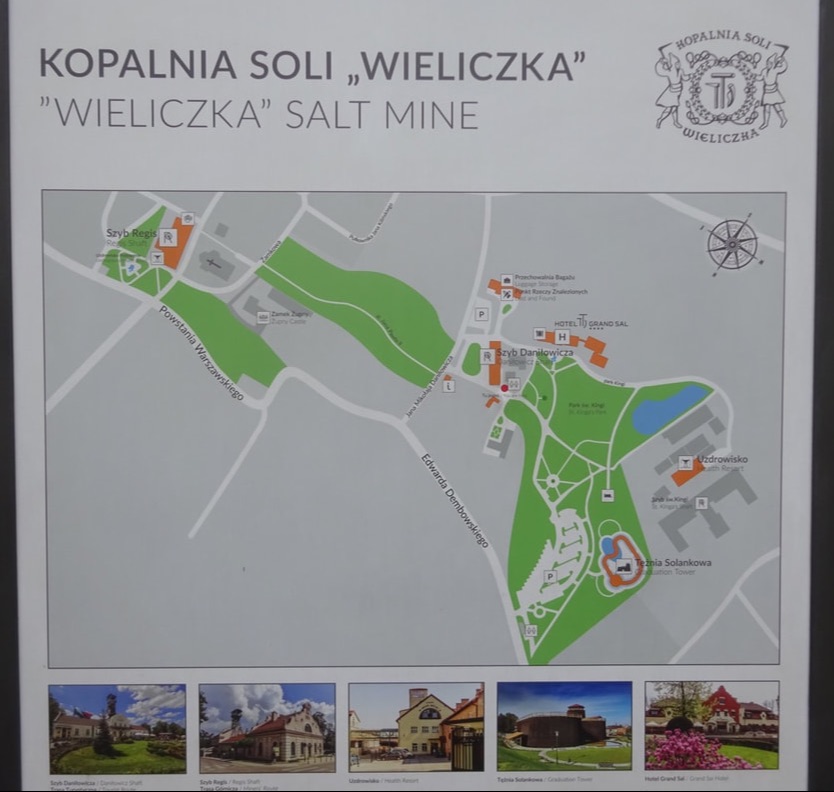
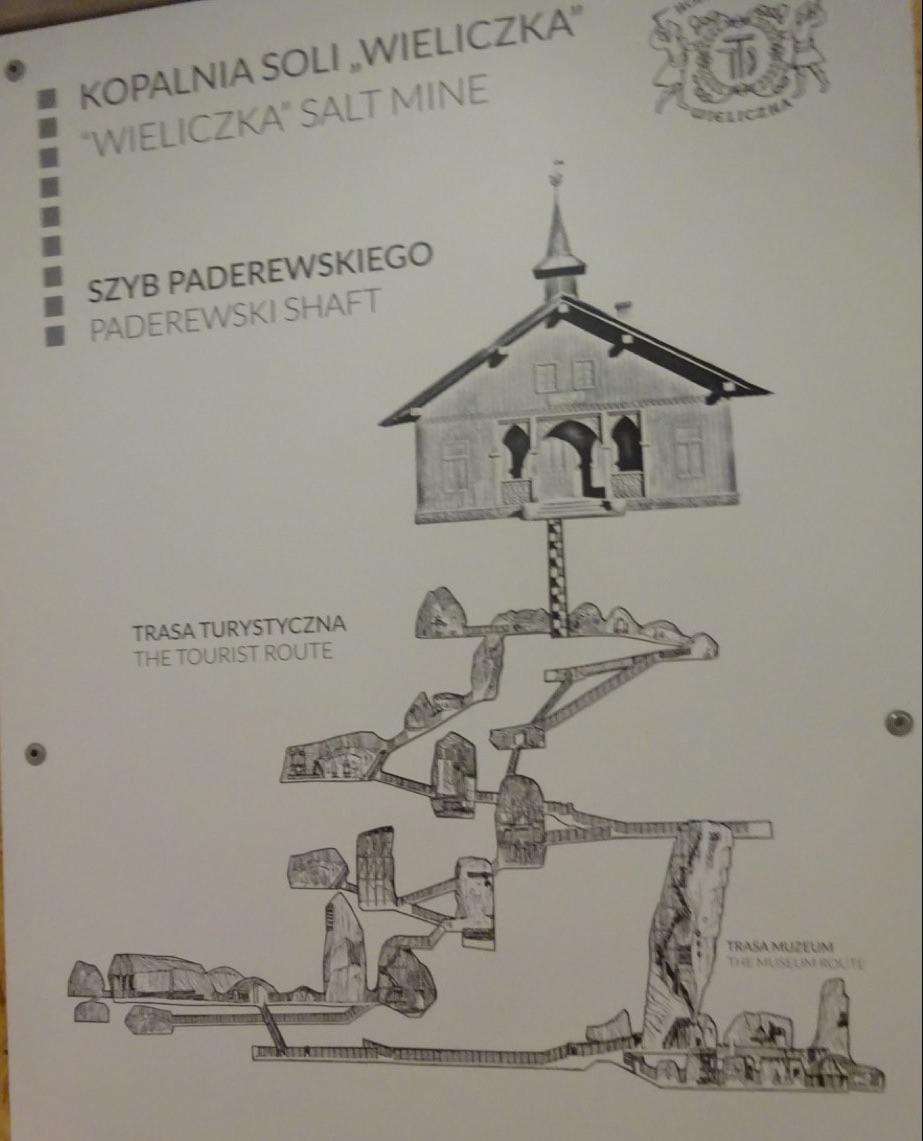
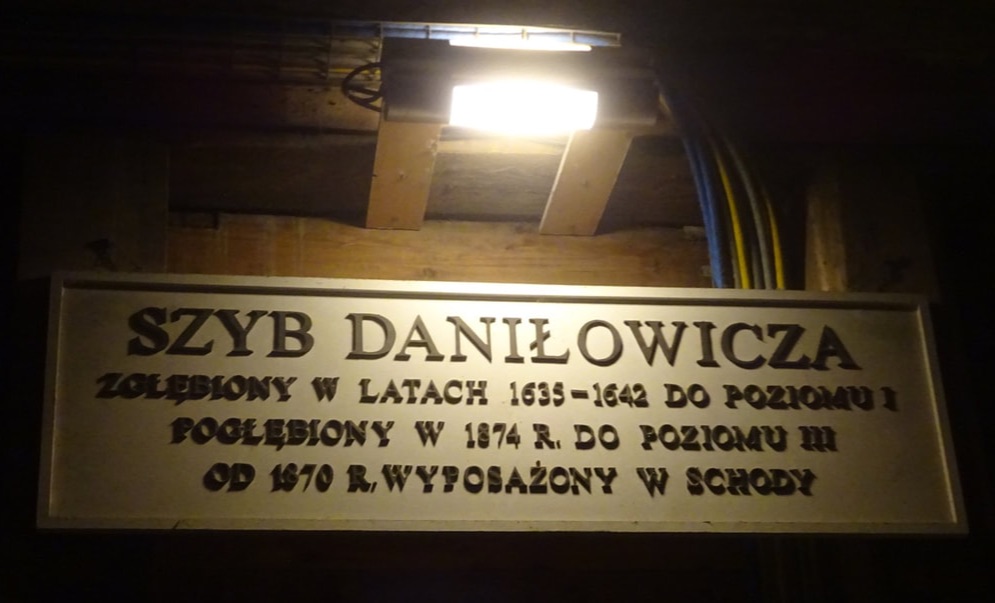
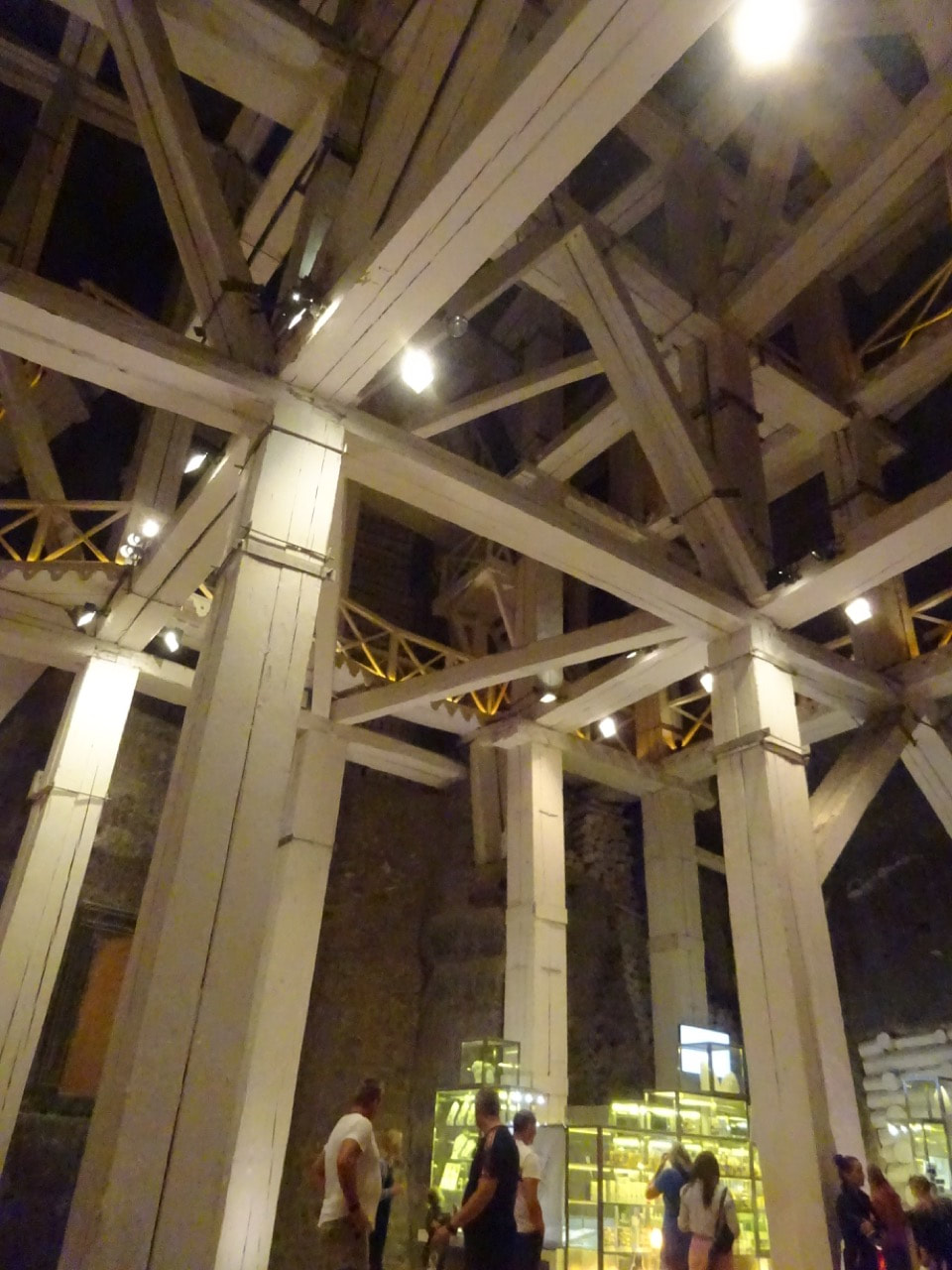
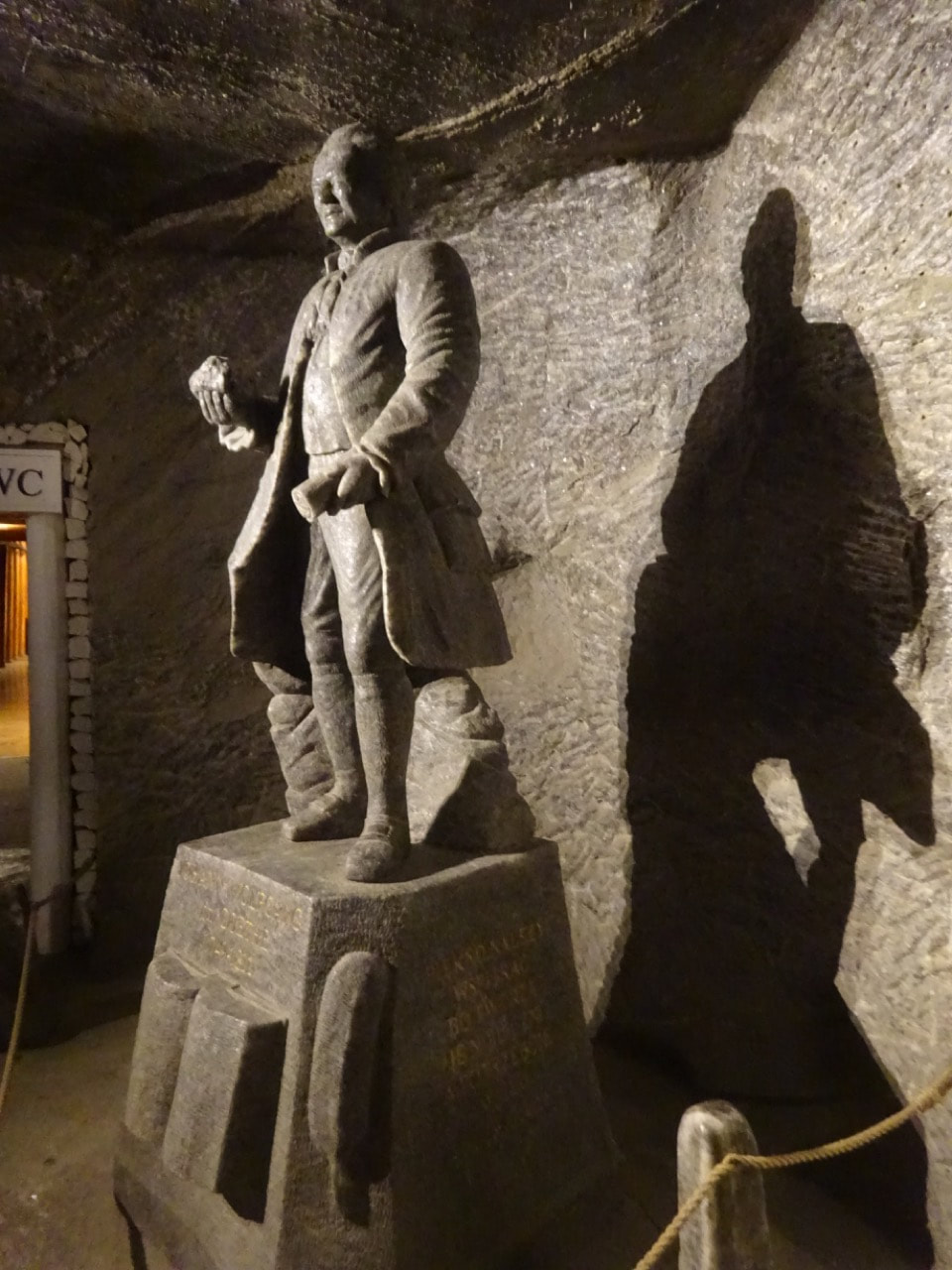
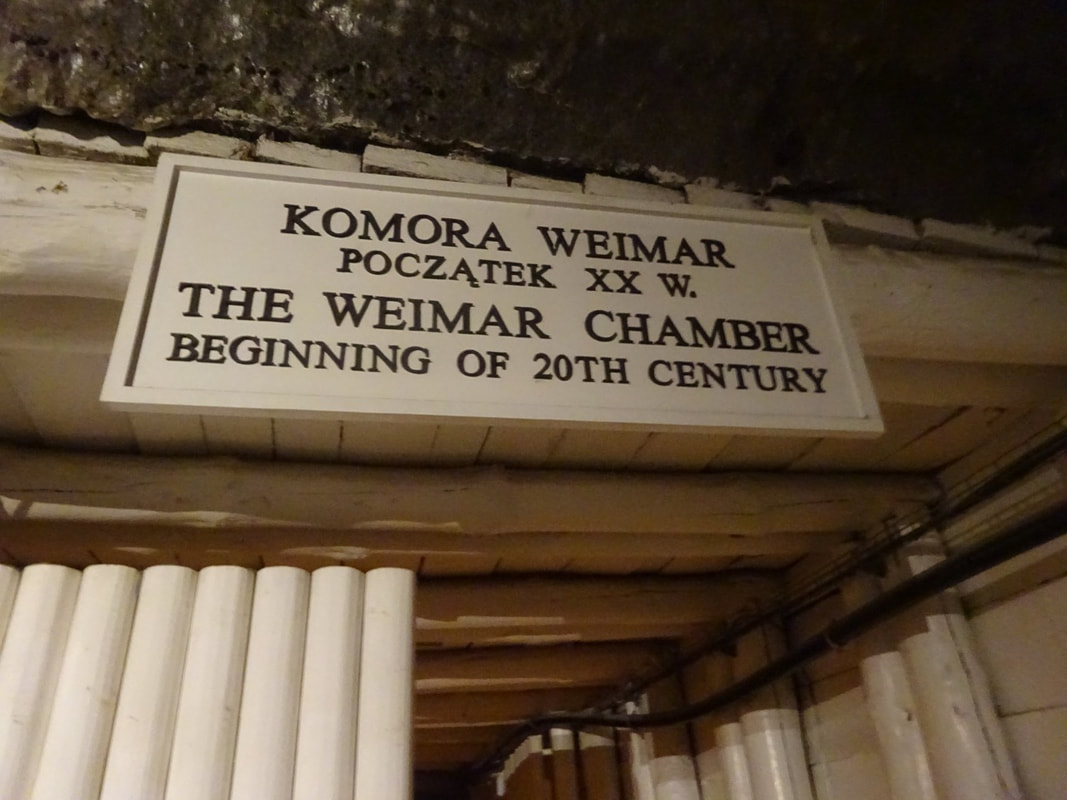
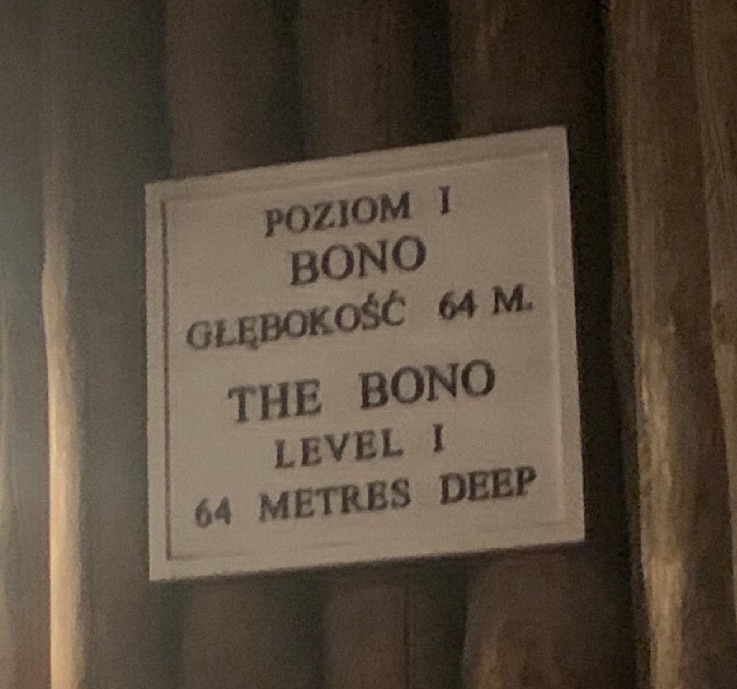
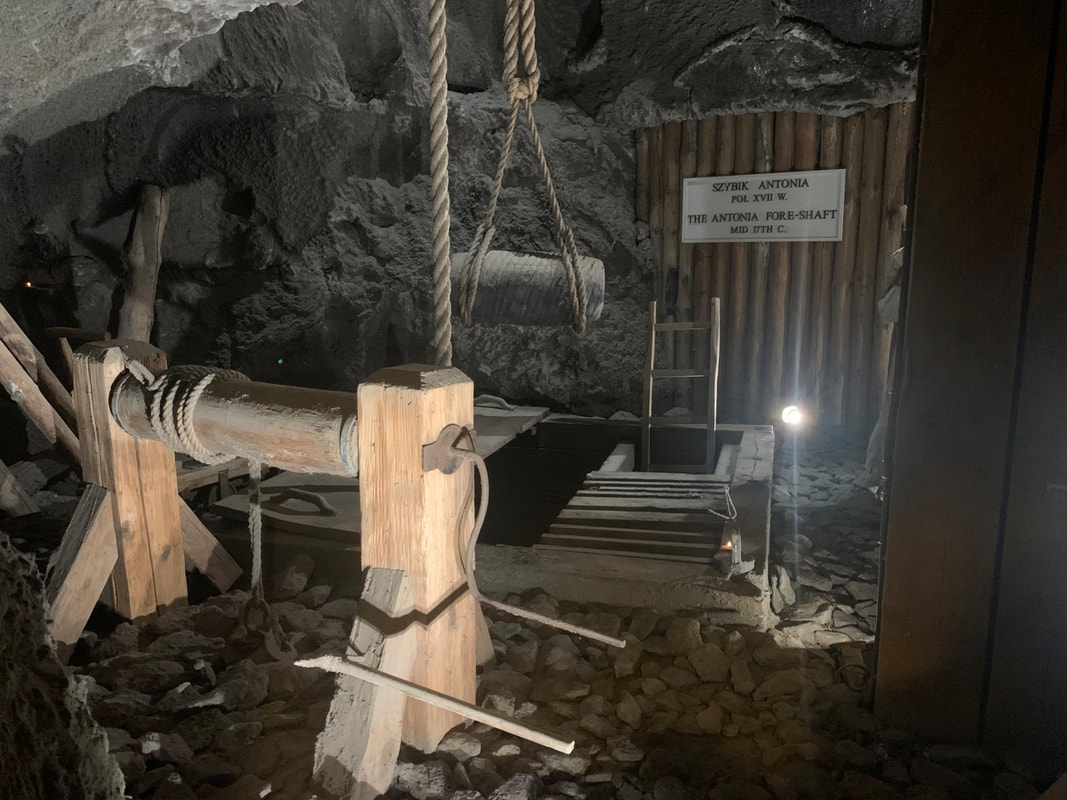
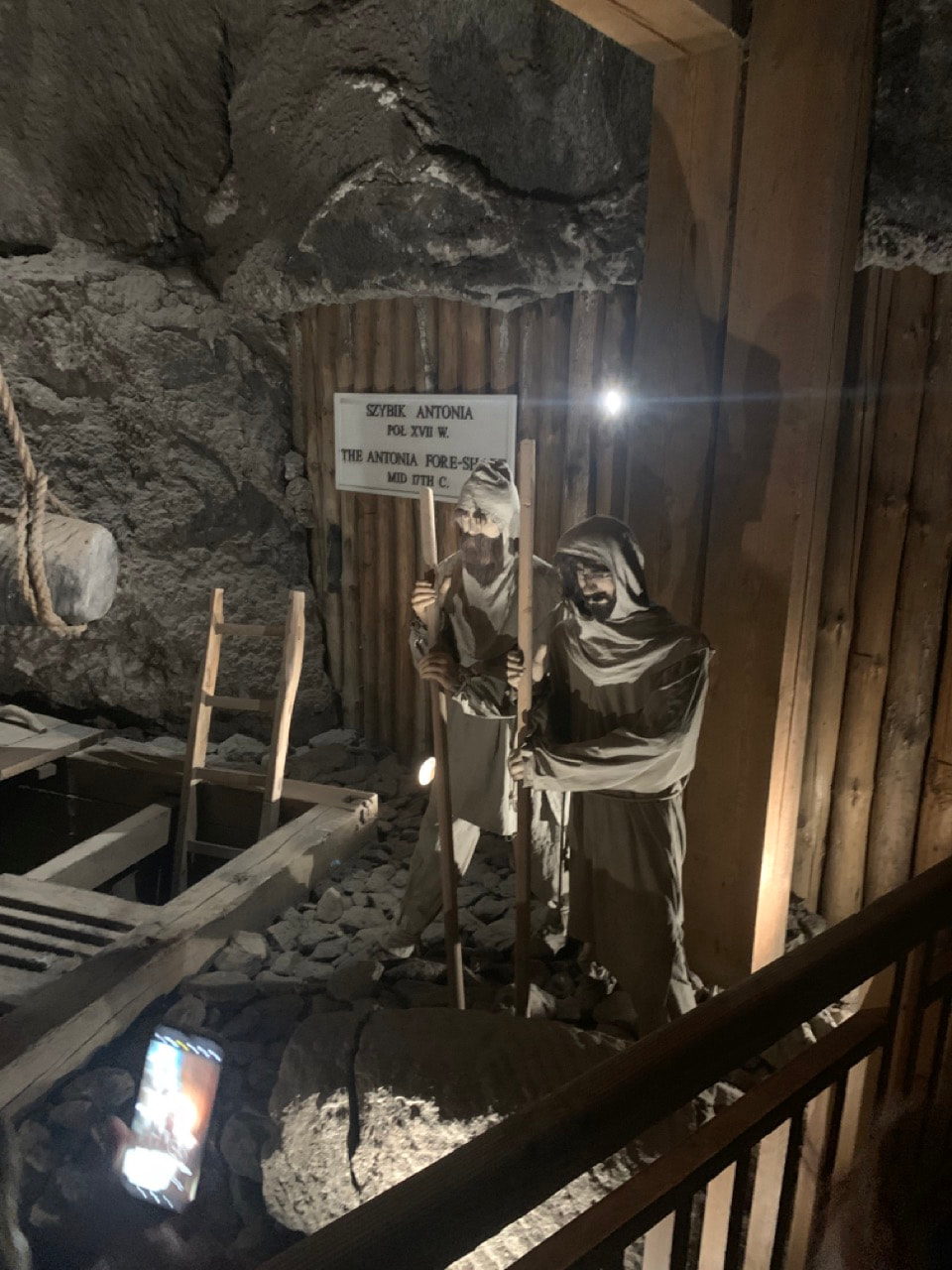
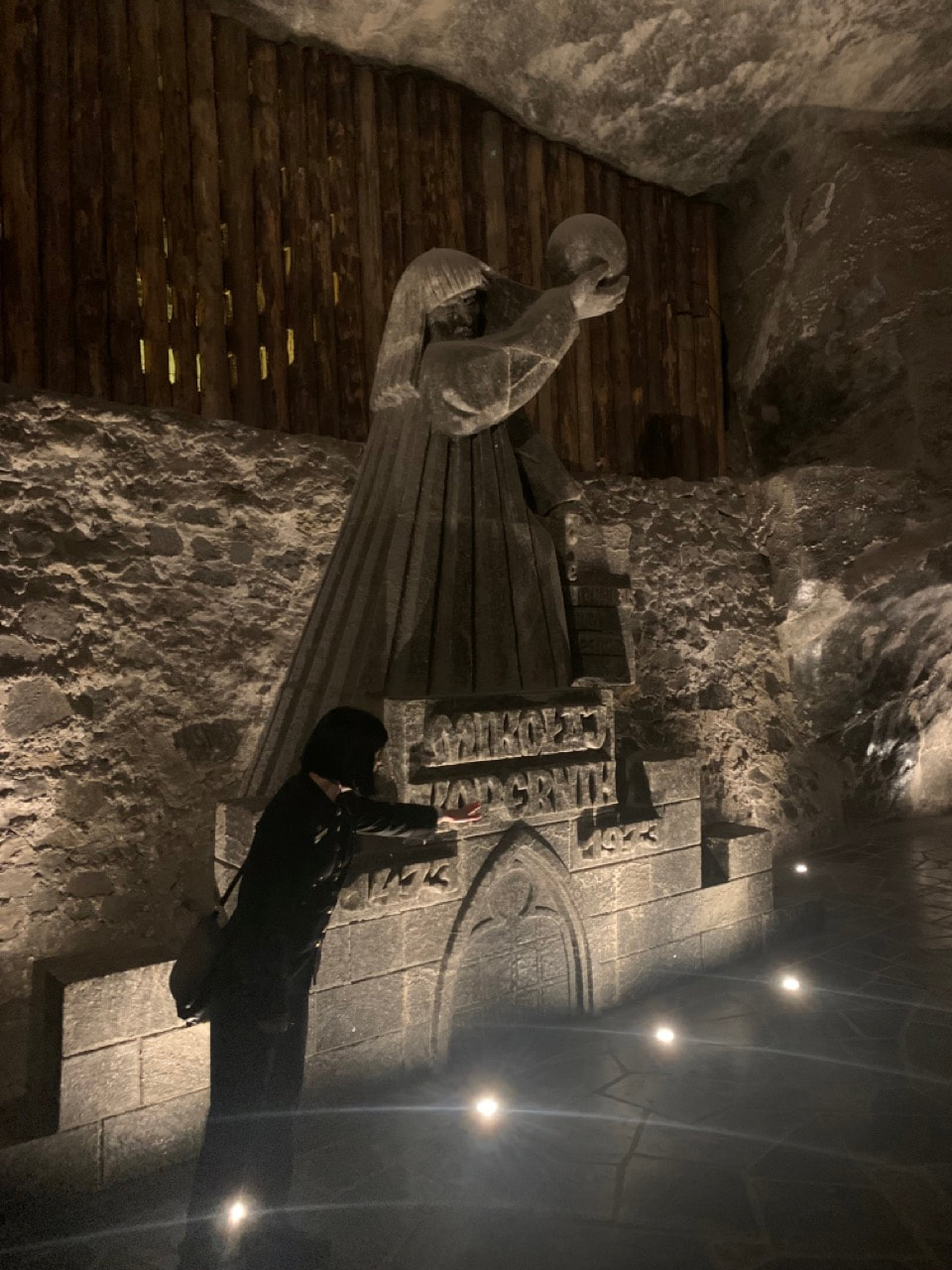
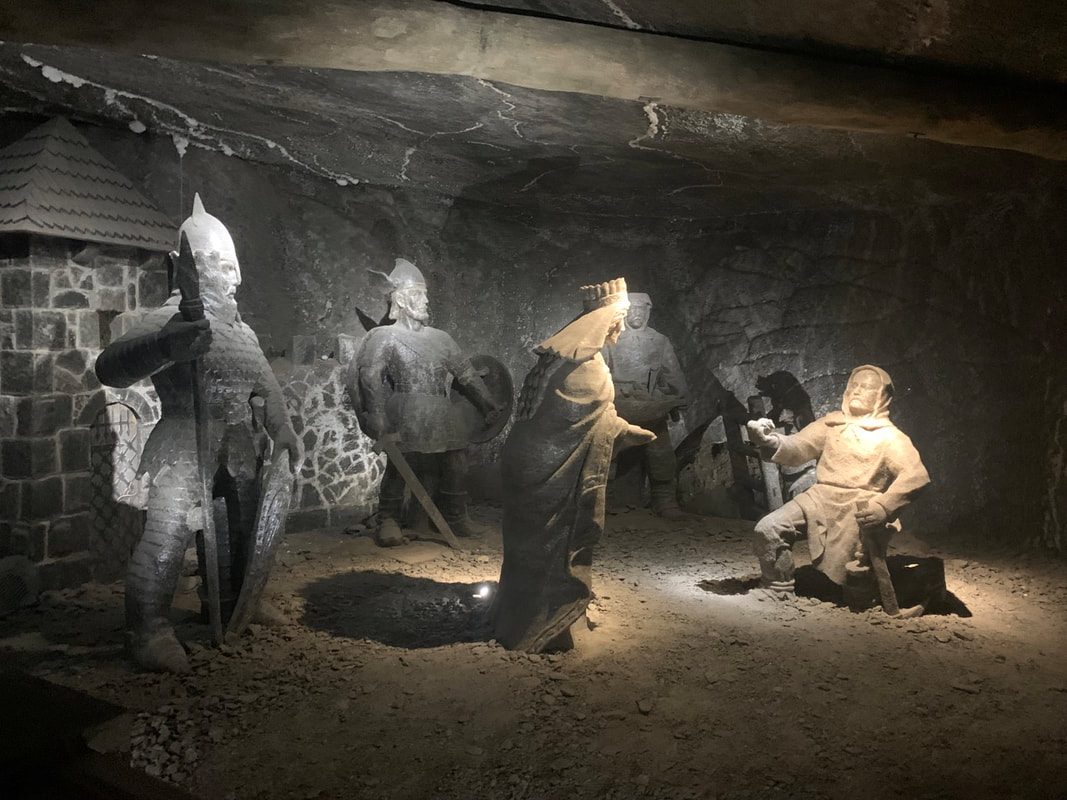
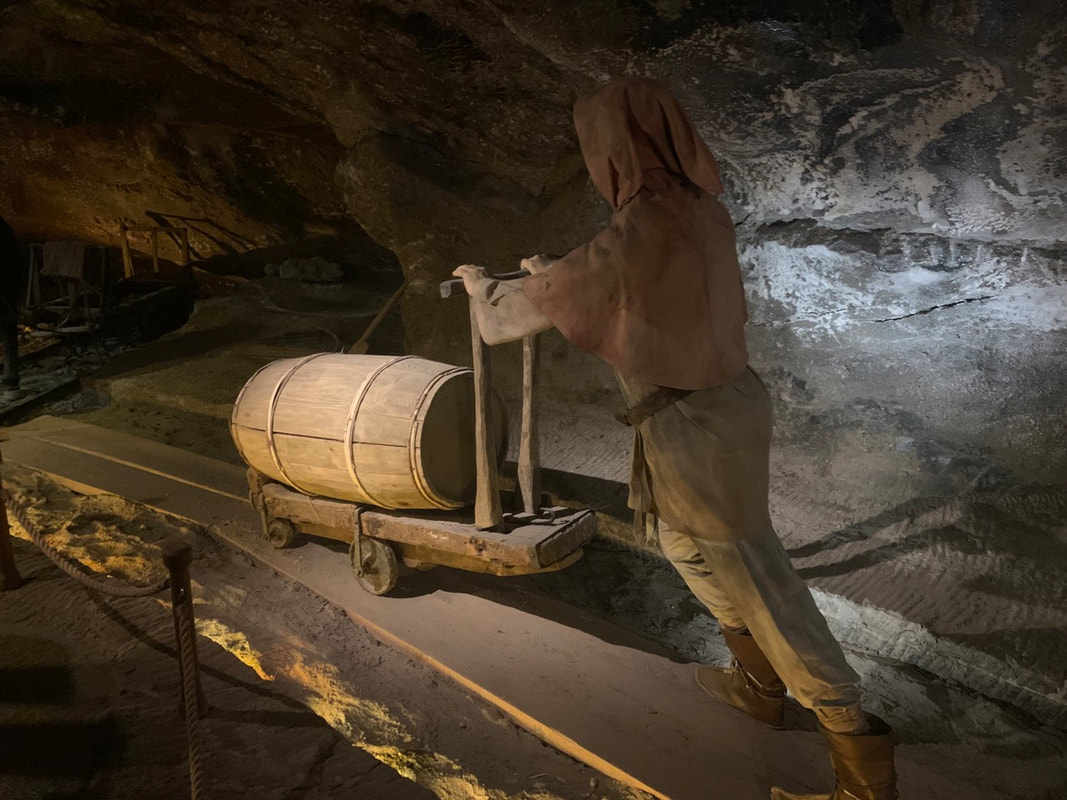
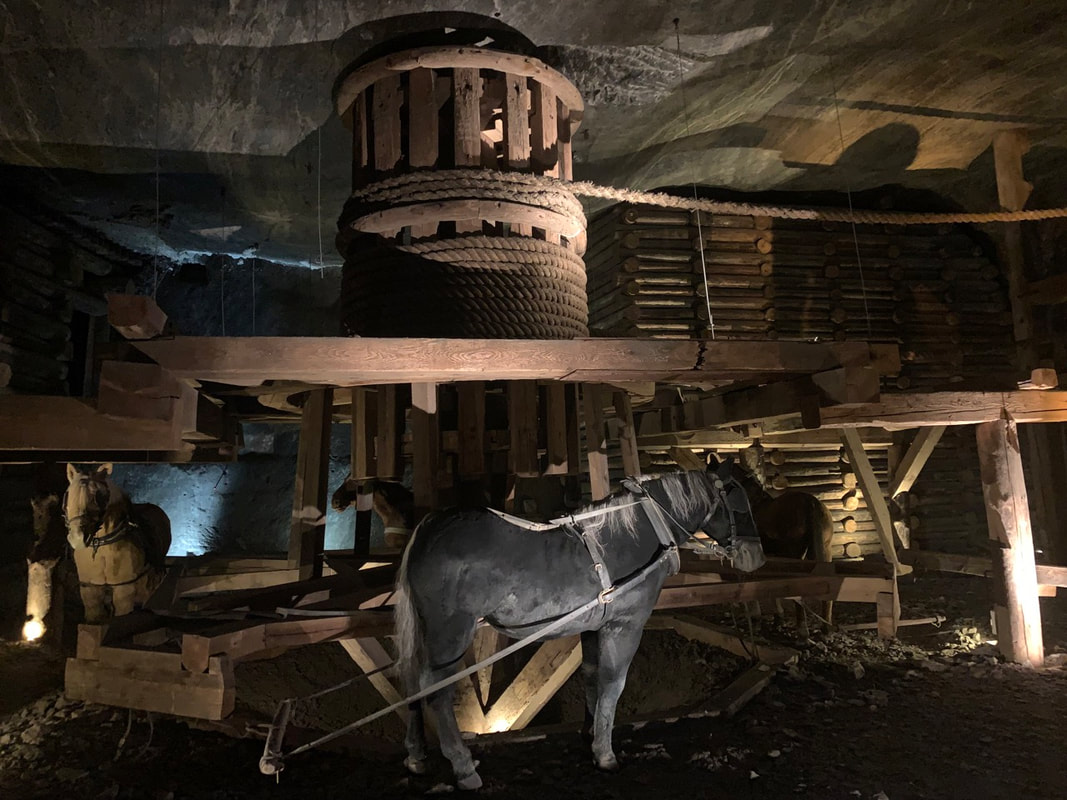
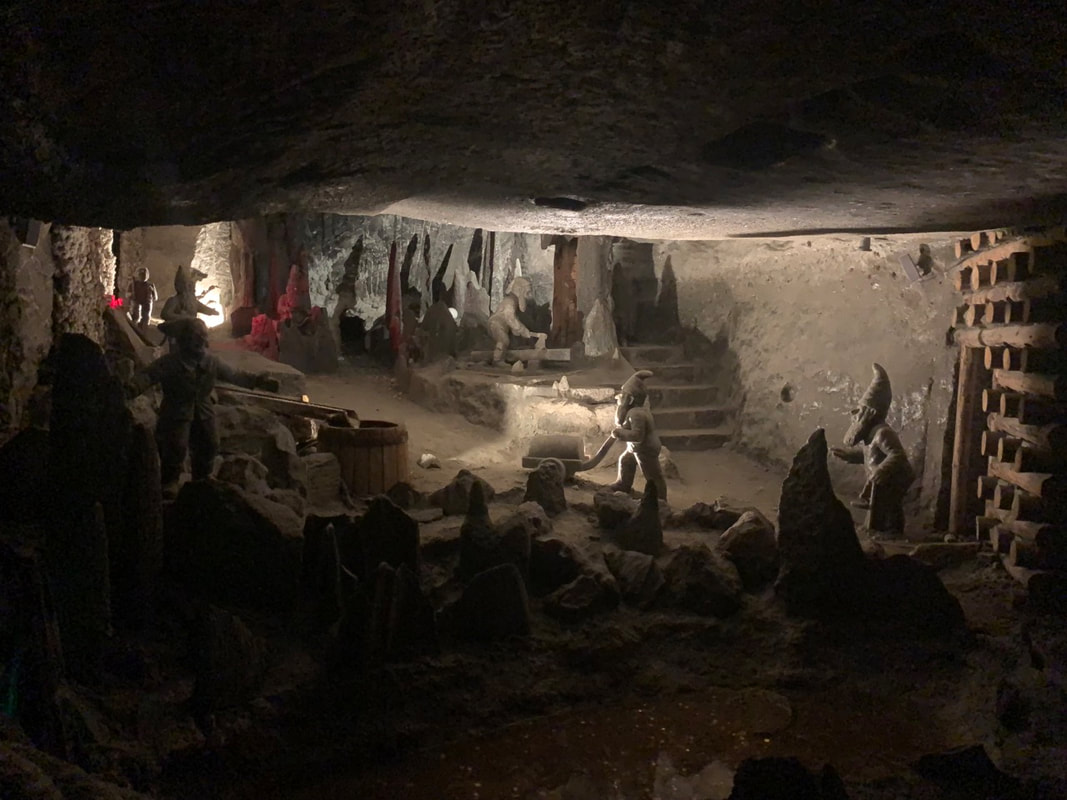
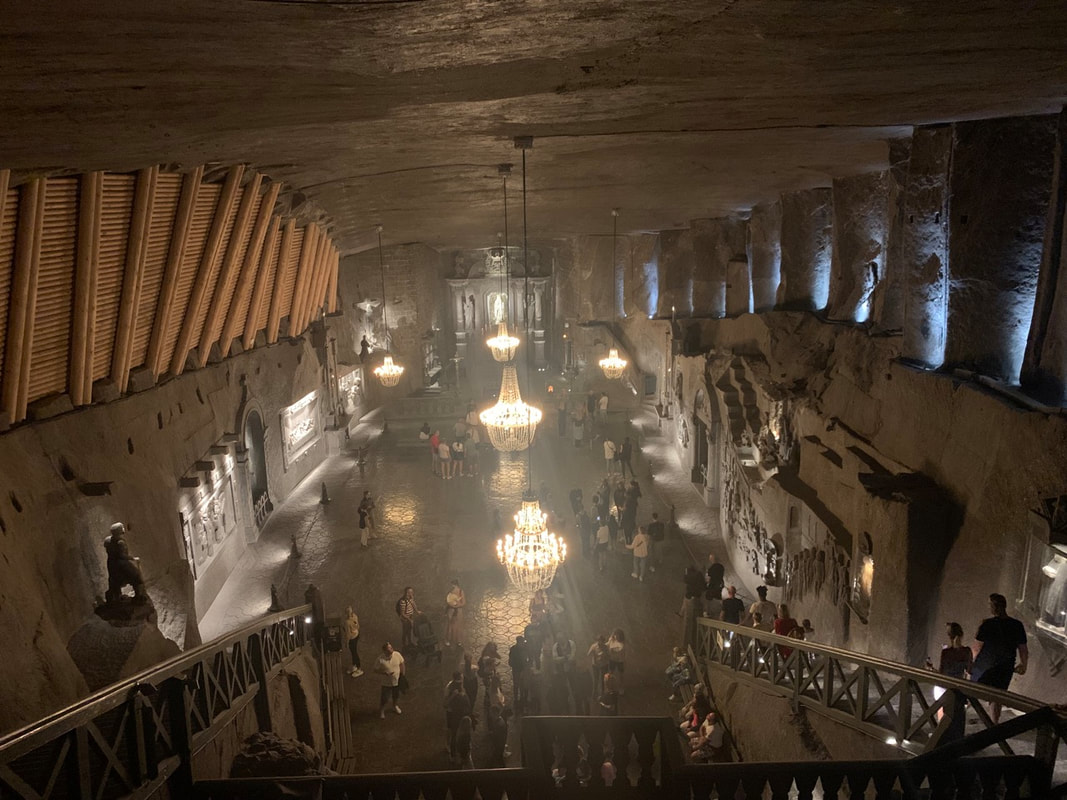
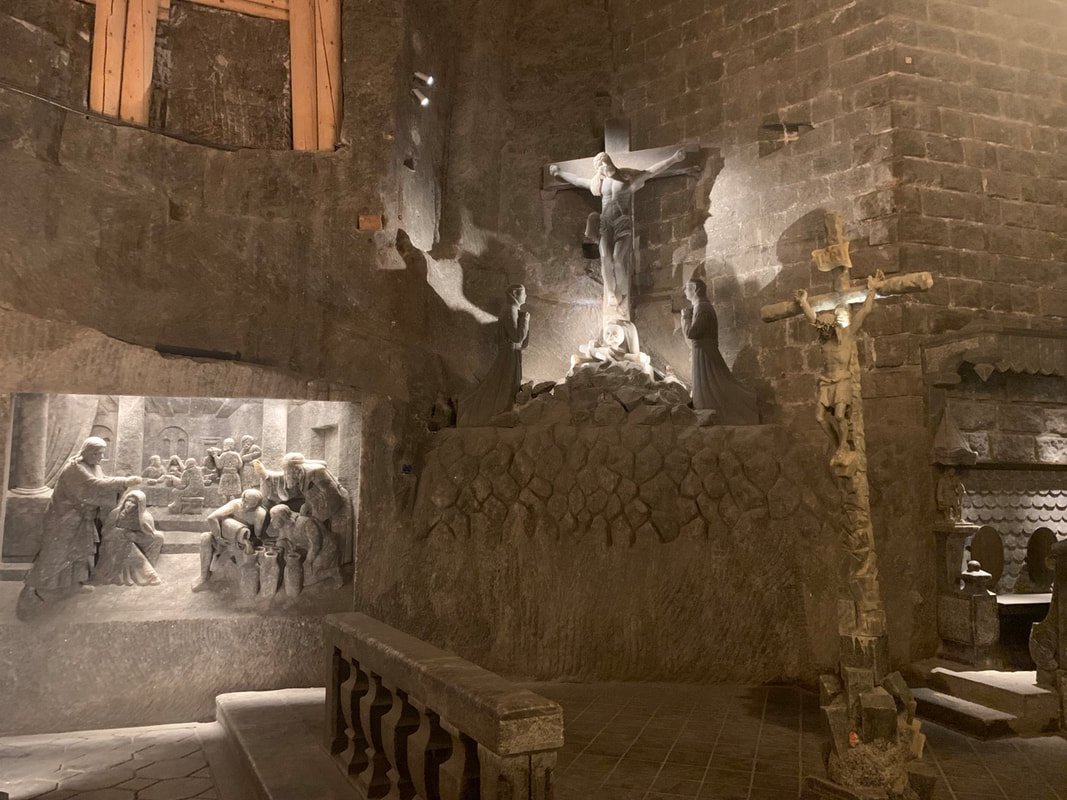
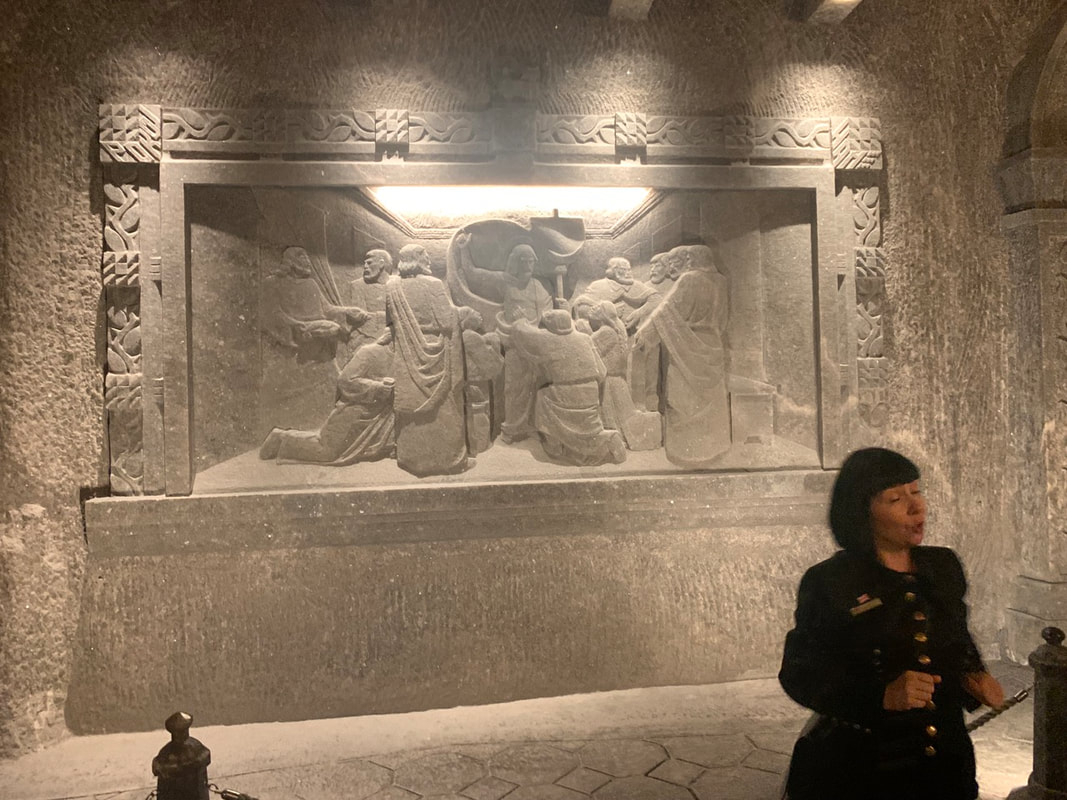
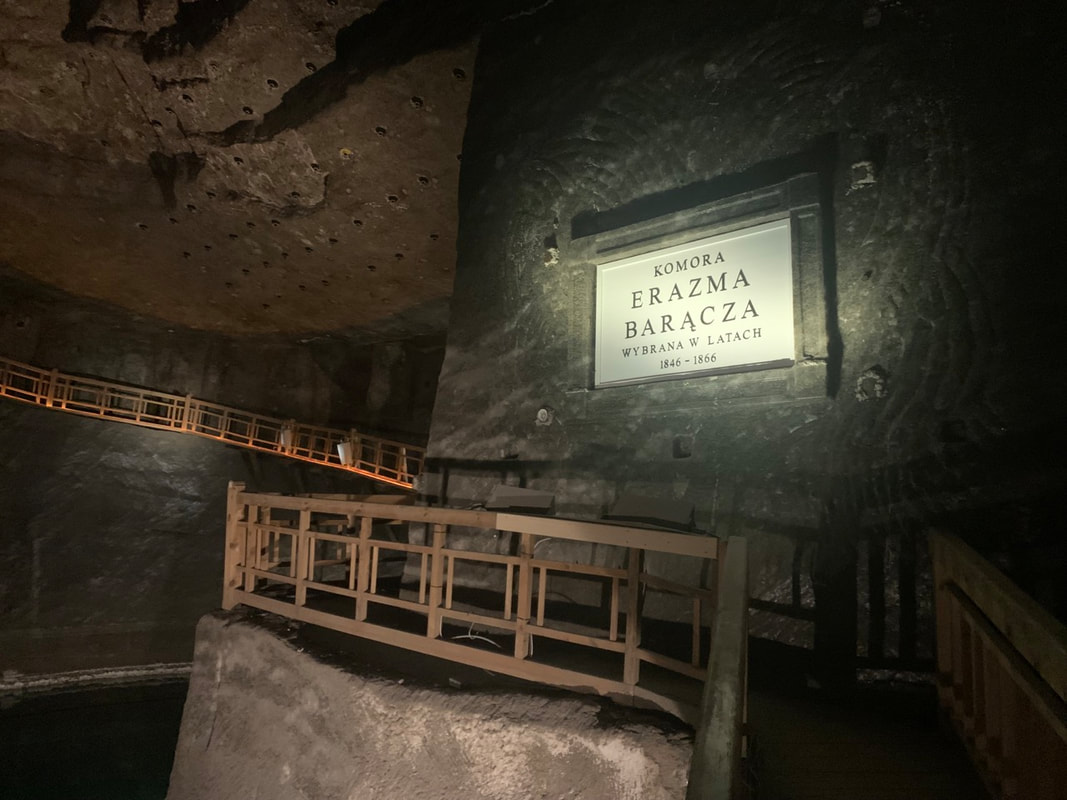
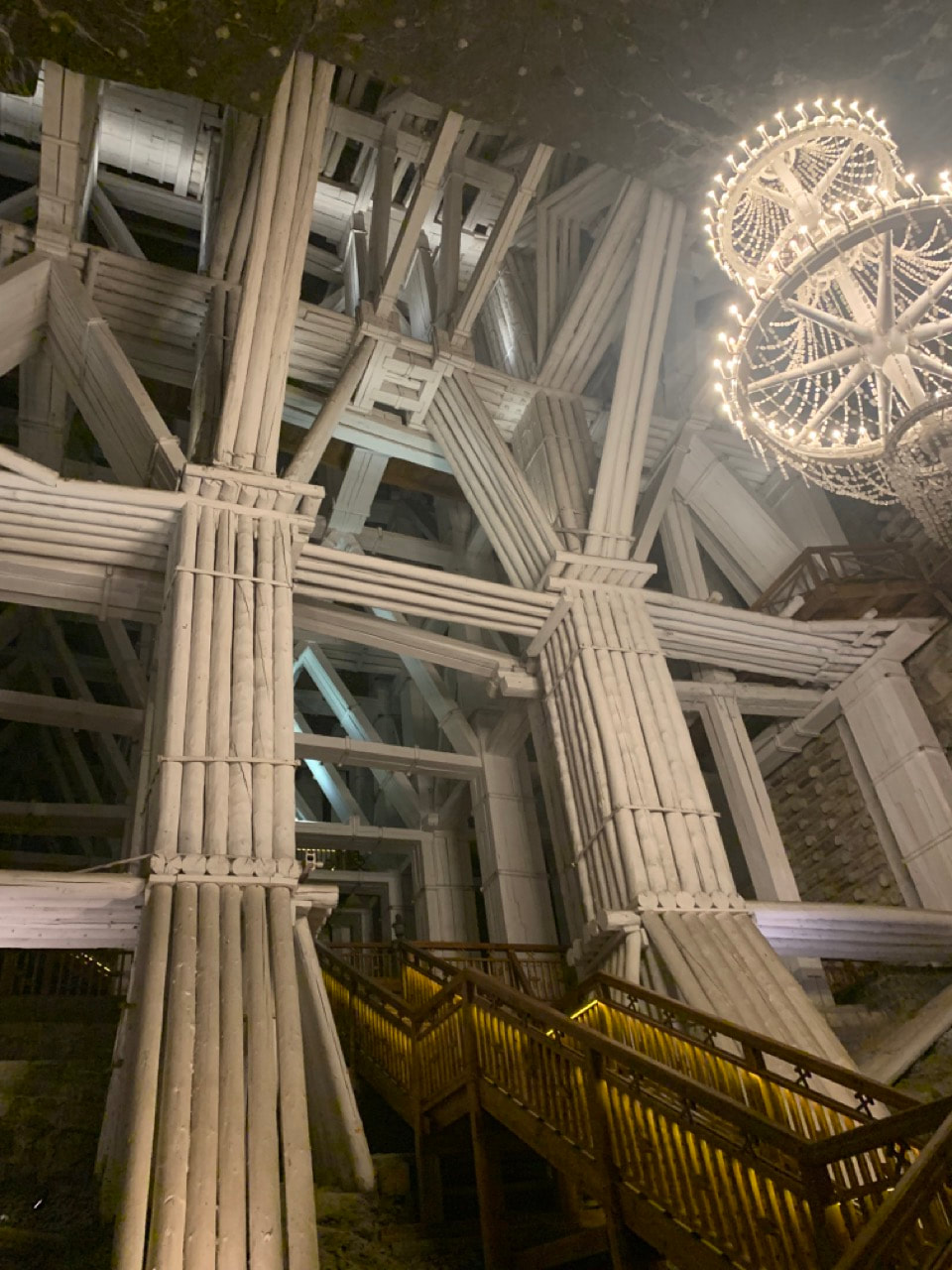
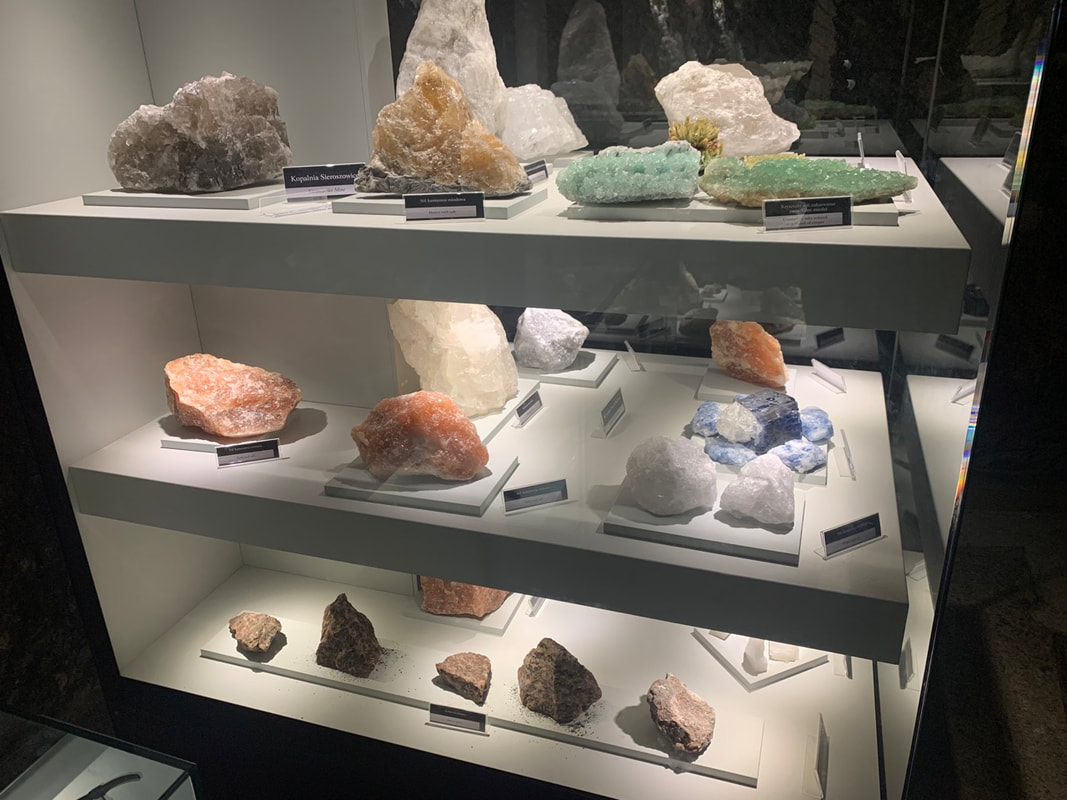
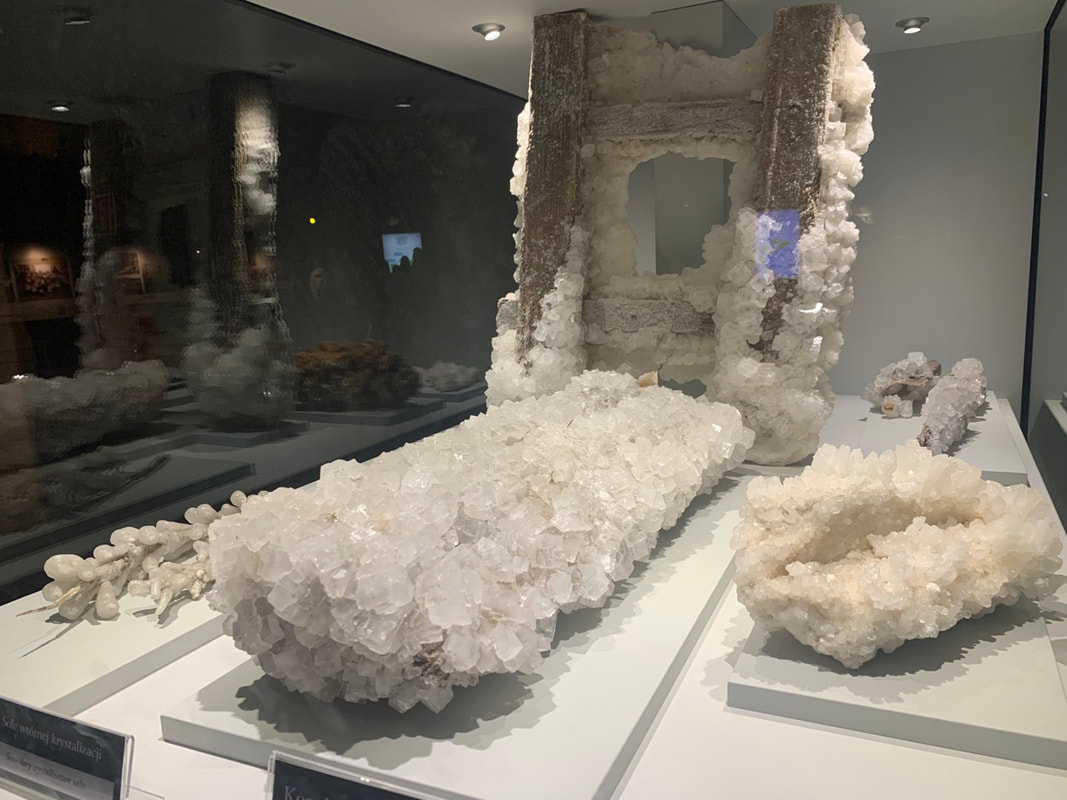
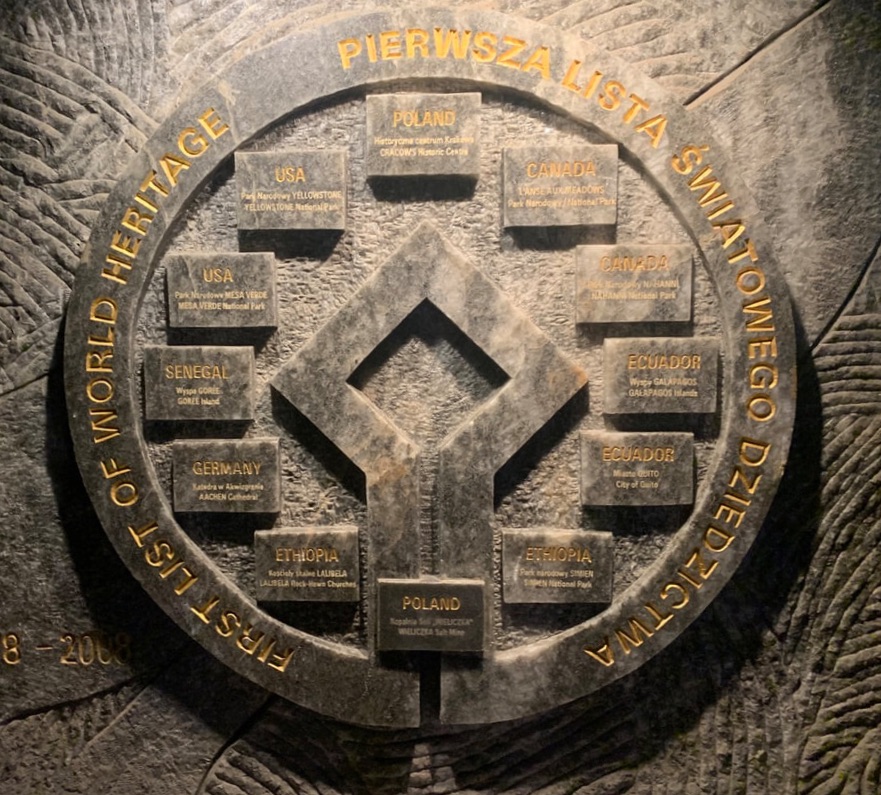
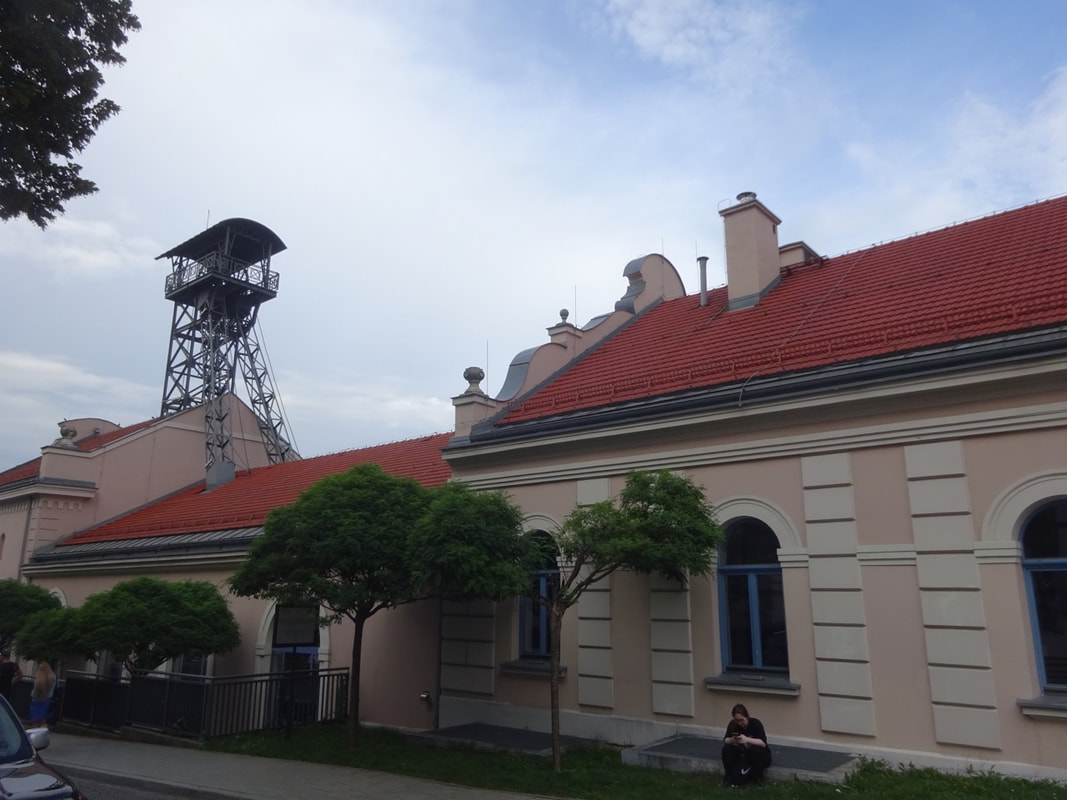
​Before we settle back into Krakow for a couple of nights prior to our flight out to England, we toured the Wieliczka Salt Mine.  When we were in Krakow previously, everyone kept asking, have you toured the salt mine.  We figured now is our chance, as we hadn't previously planned this into the itinerary.

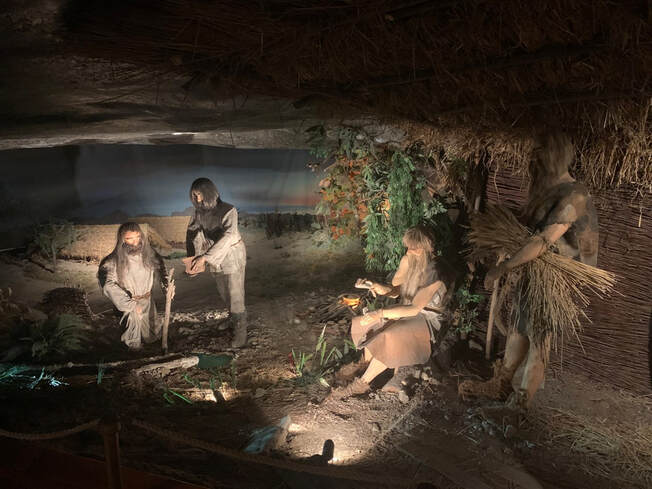
"From Neolithic times, sodium chloride (table salt) was produced there from the upwelling brine. The Wieliczka salt mine, excavated from the 13th century, produced table salt continuously until the turn of the 20th, as one of the world's oldest operating salt mines. Throughout its history, the royal salt mine was operated by the Żupy Krakowskie (Kraków Salt Mines) company.

Due to falling salt prices and uneconomical control of mine flooding, commercial salt mining was discontinued in 1996.
​
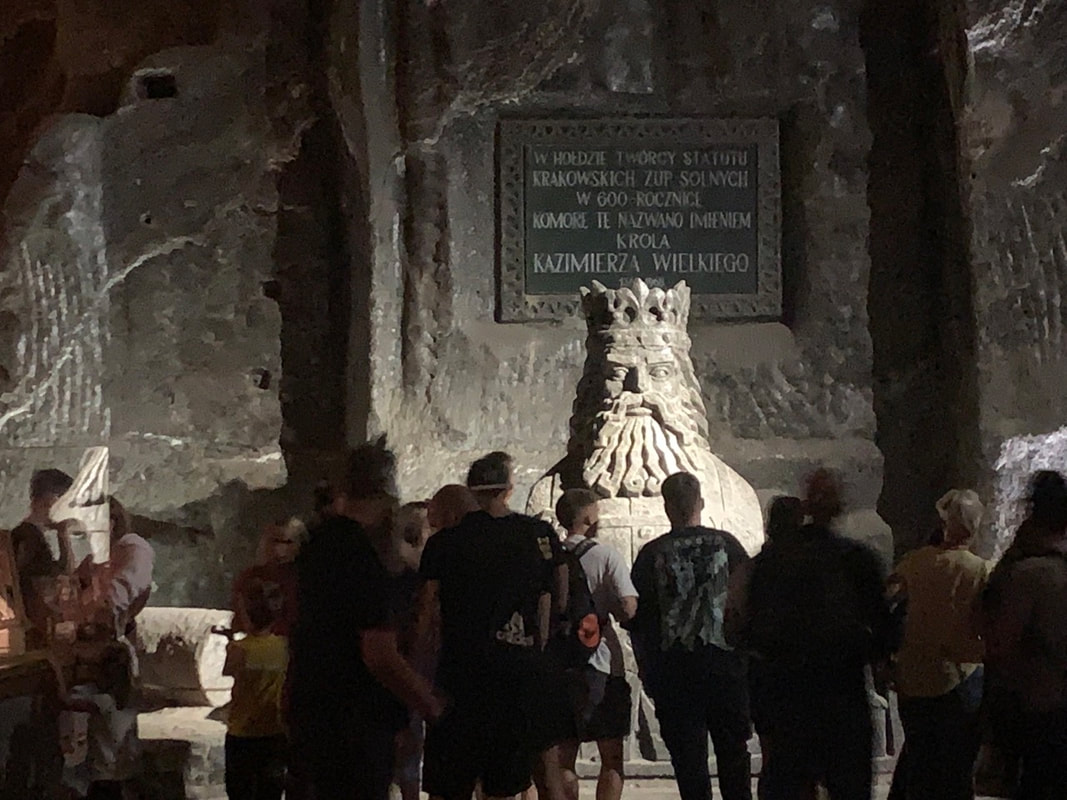
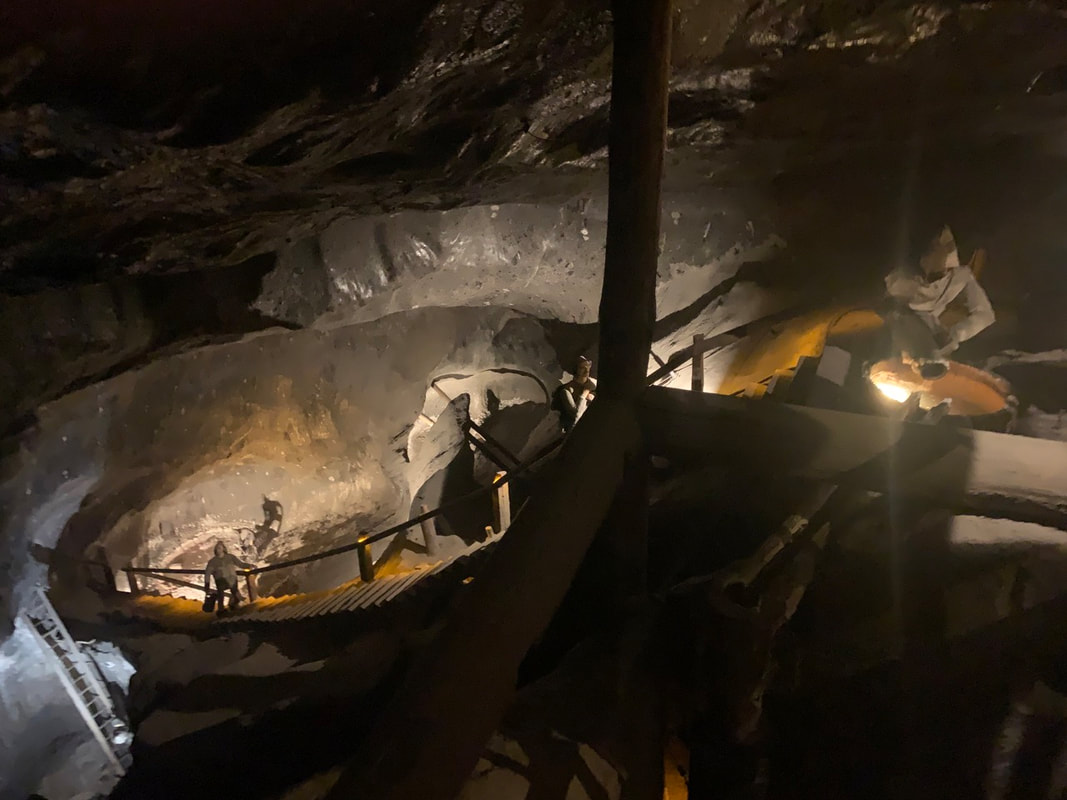
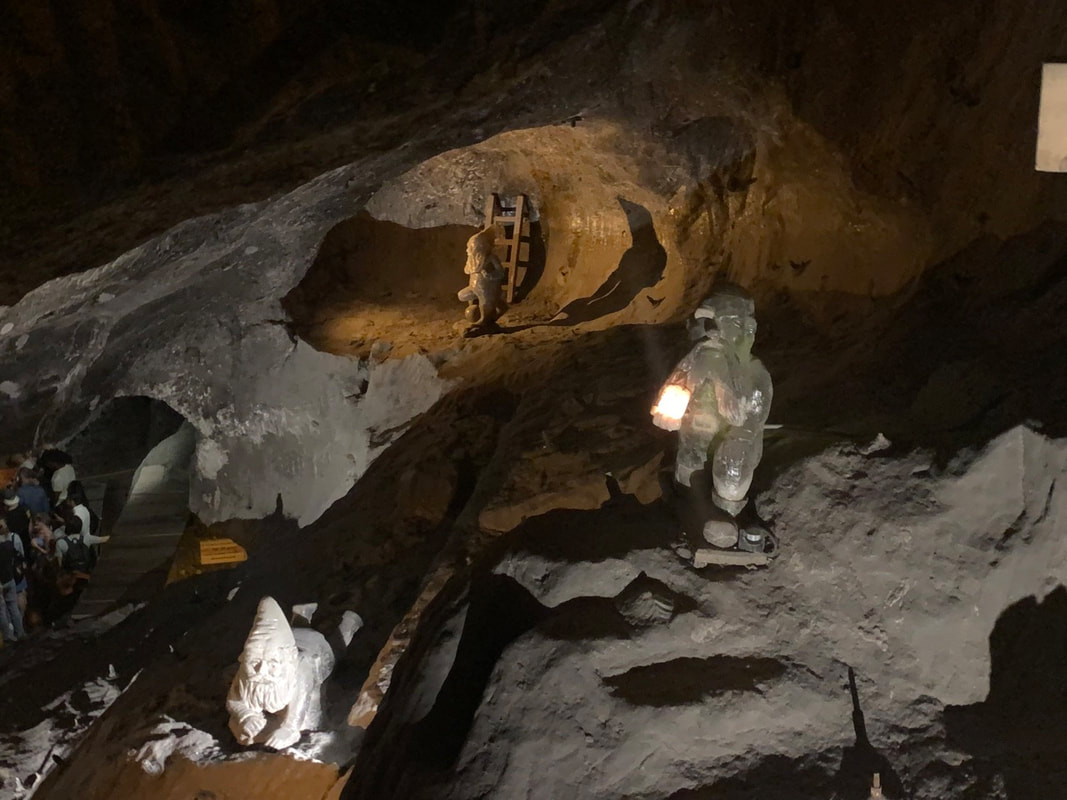
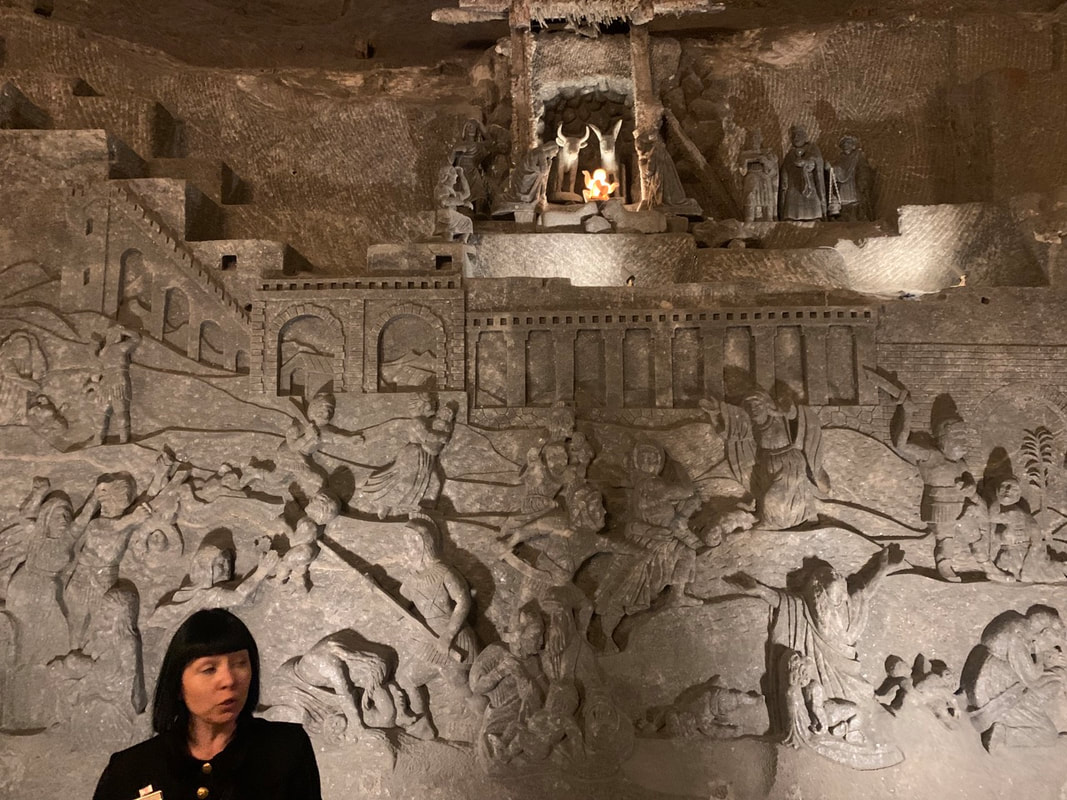
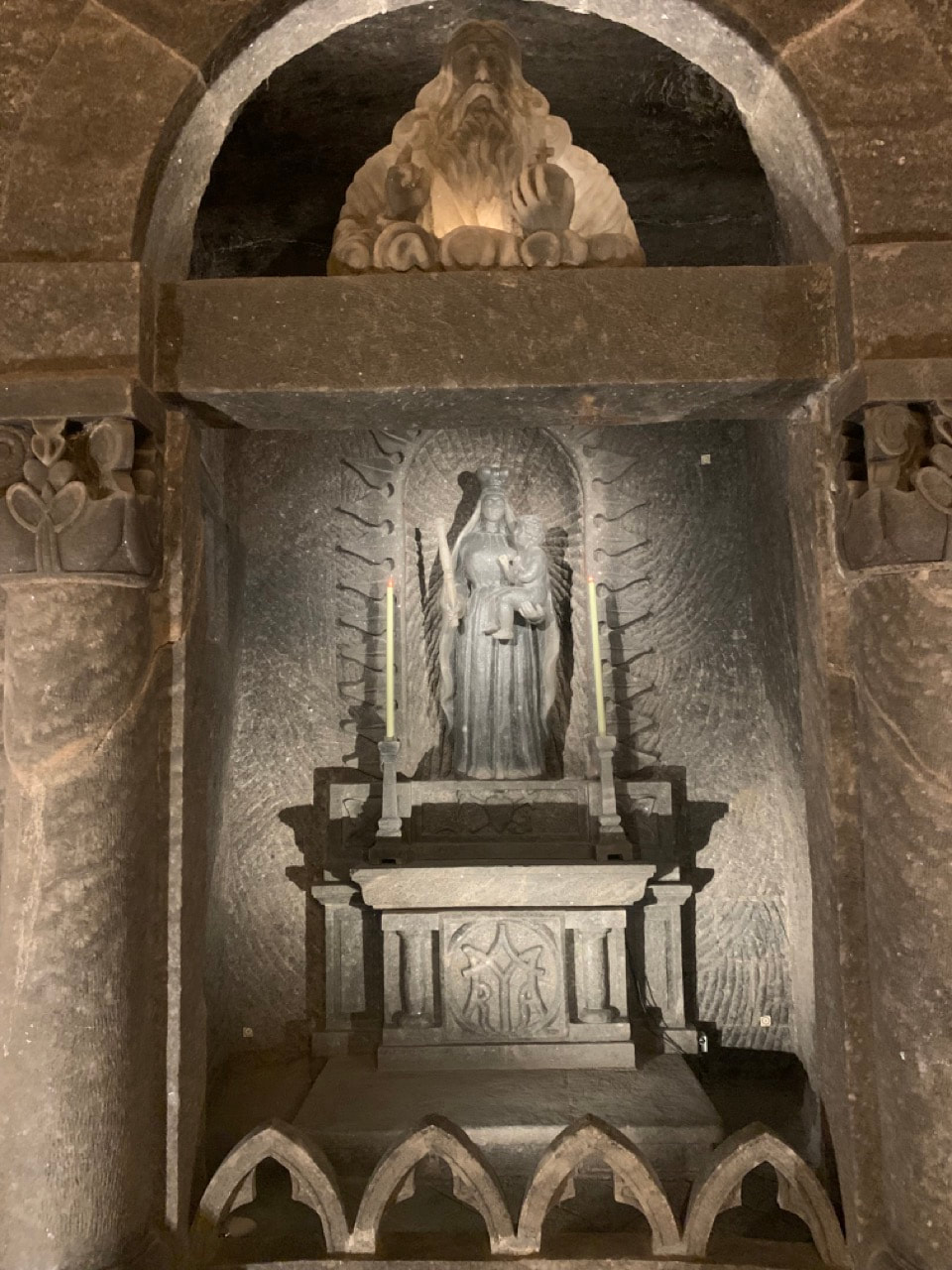
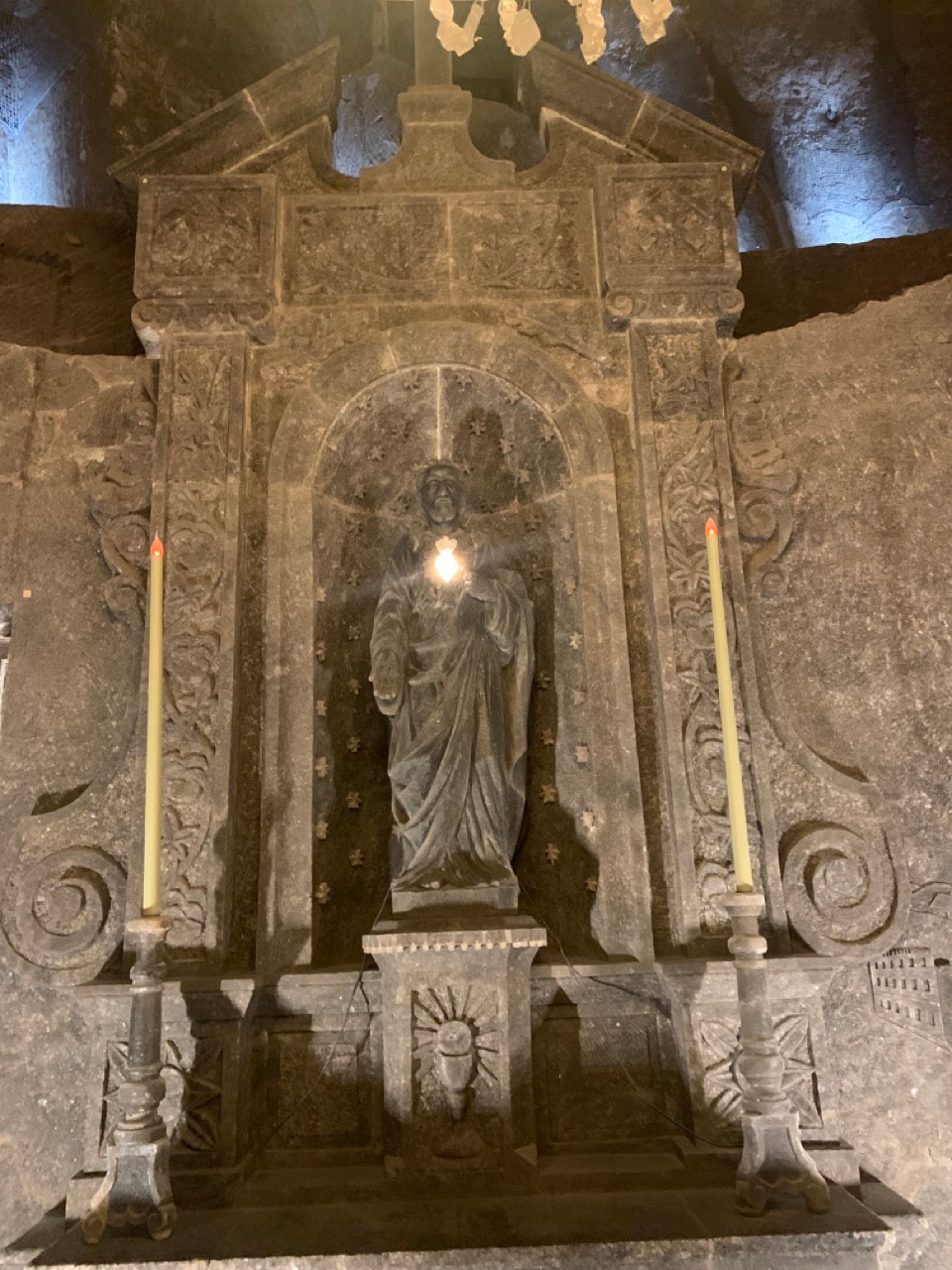
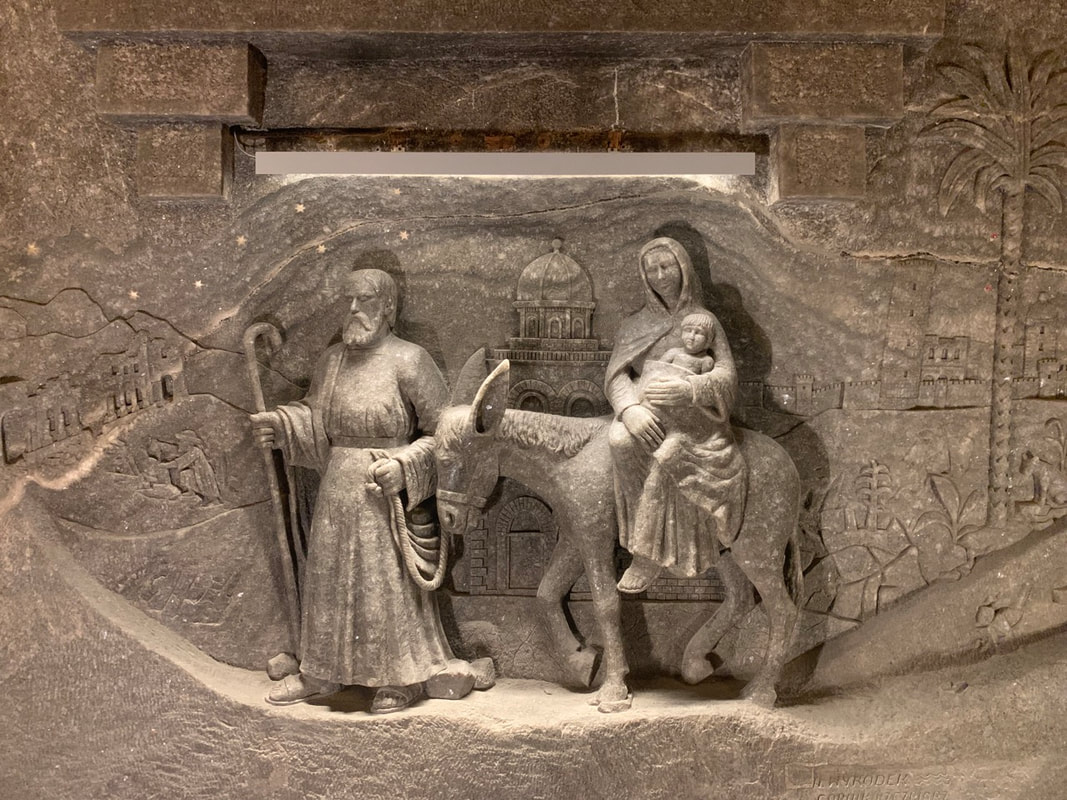
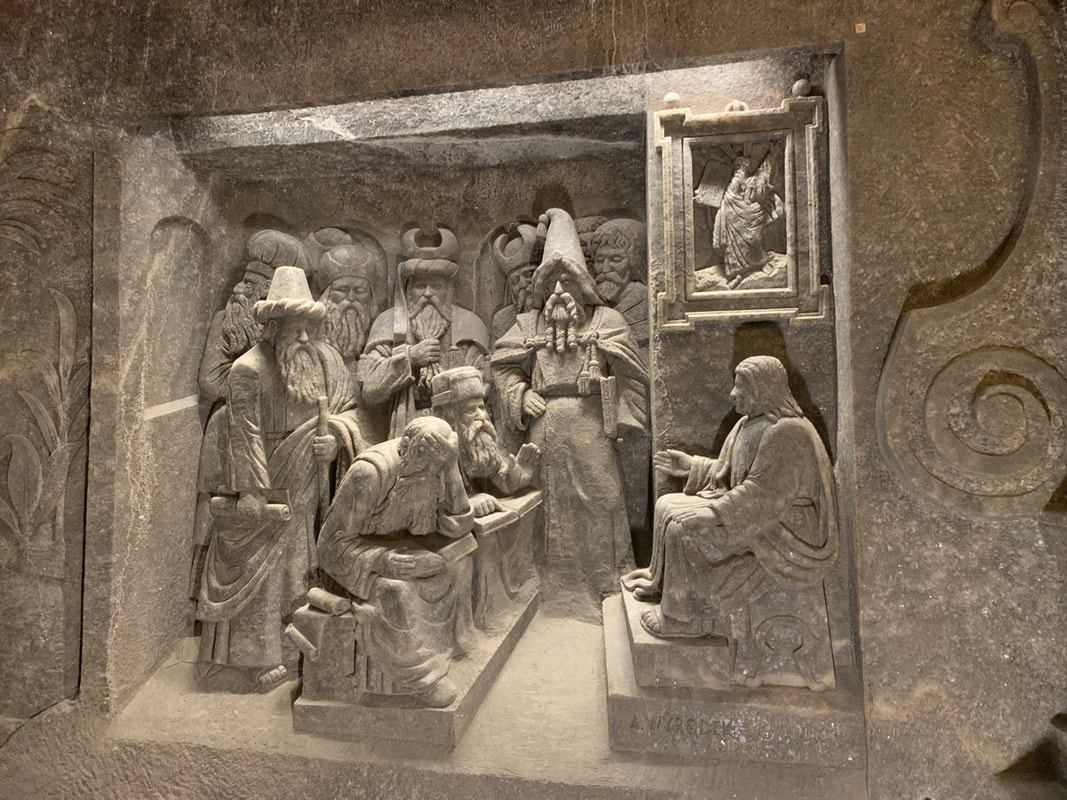
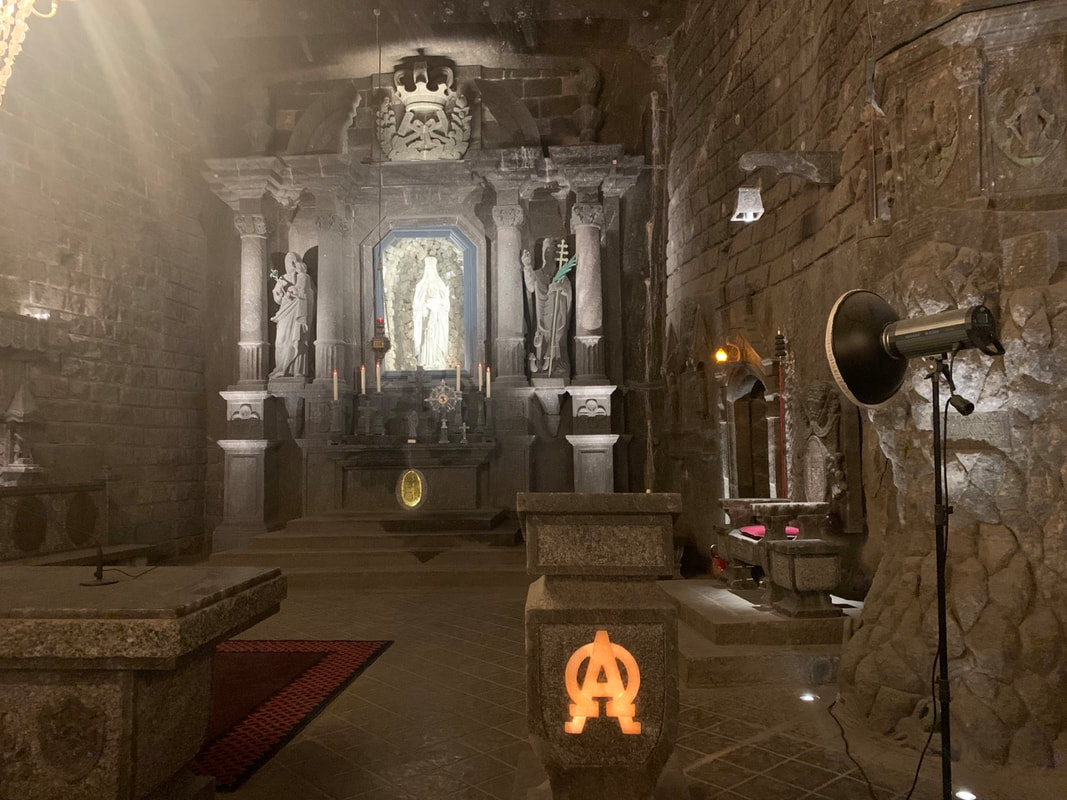
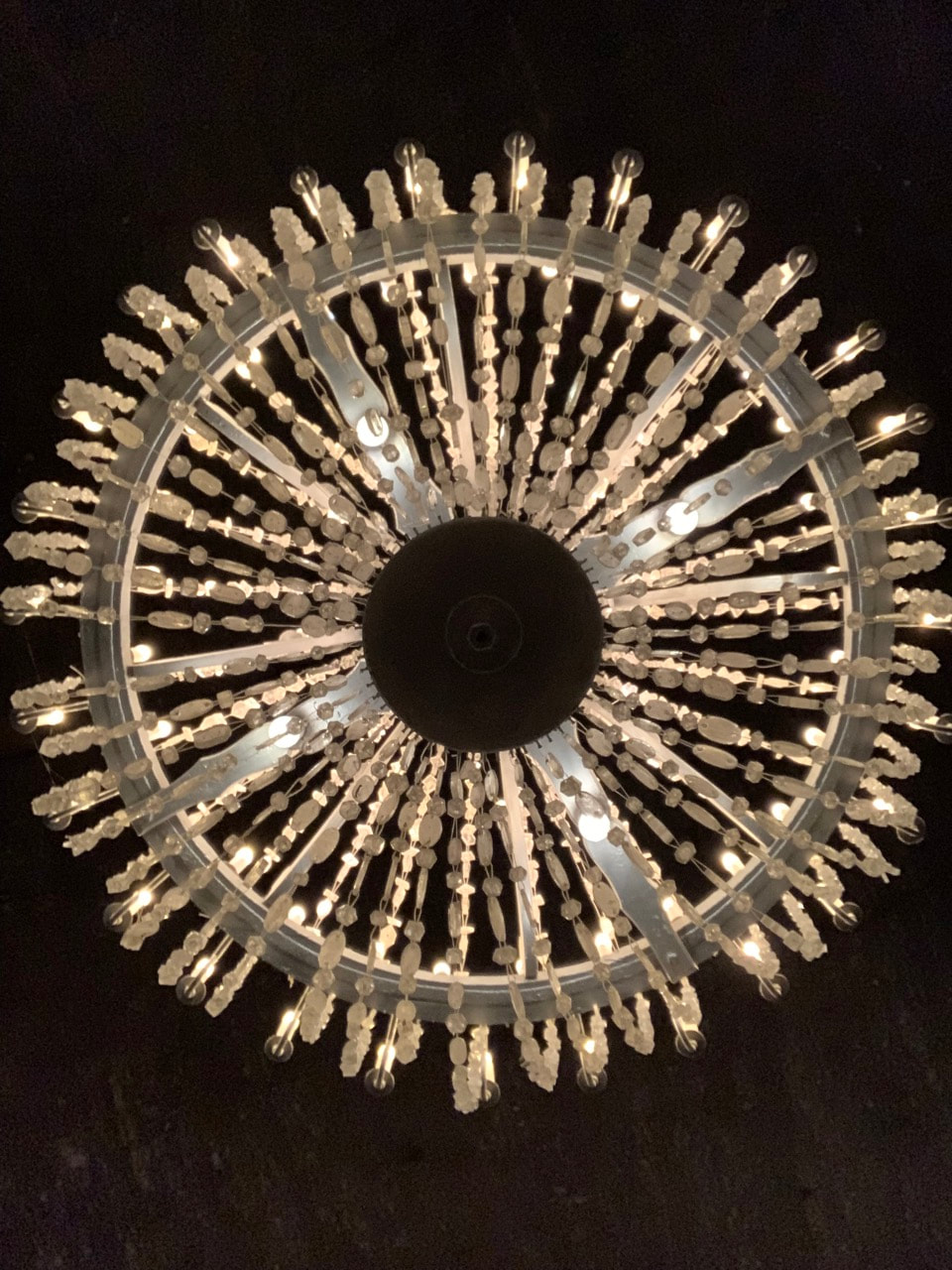
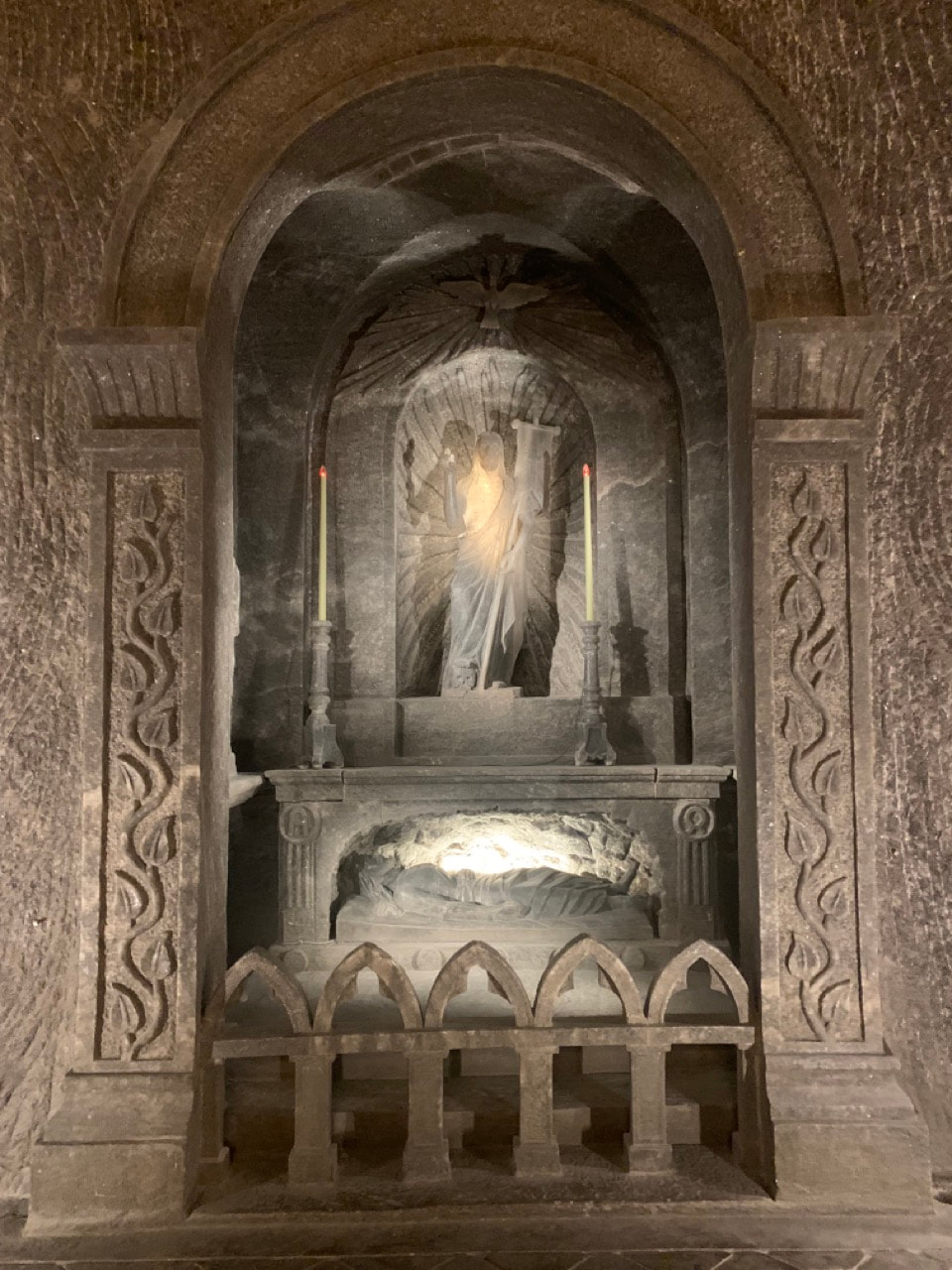
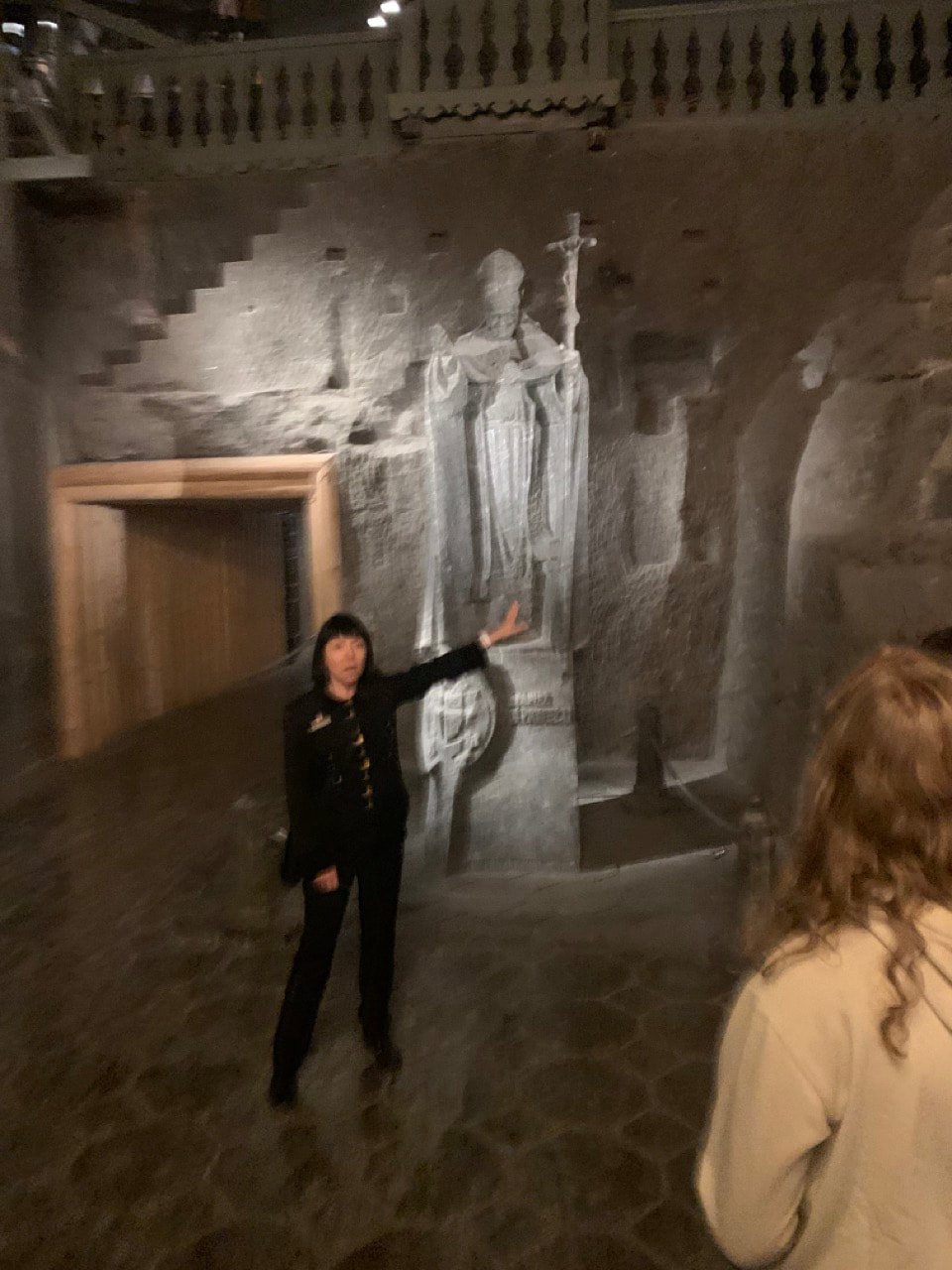
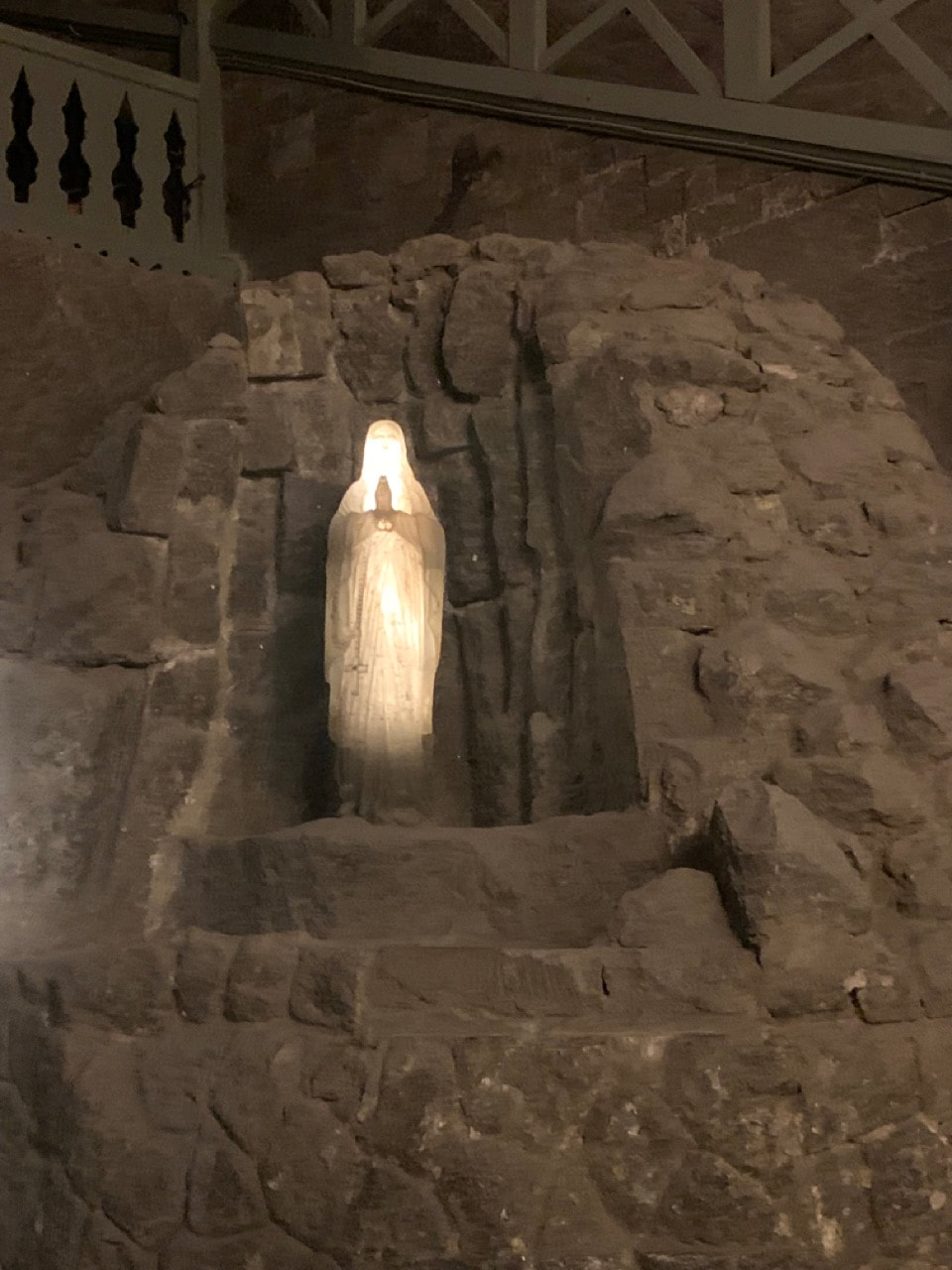
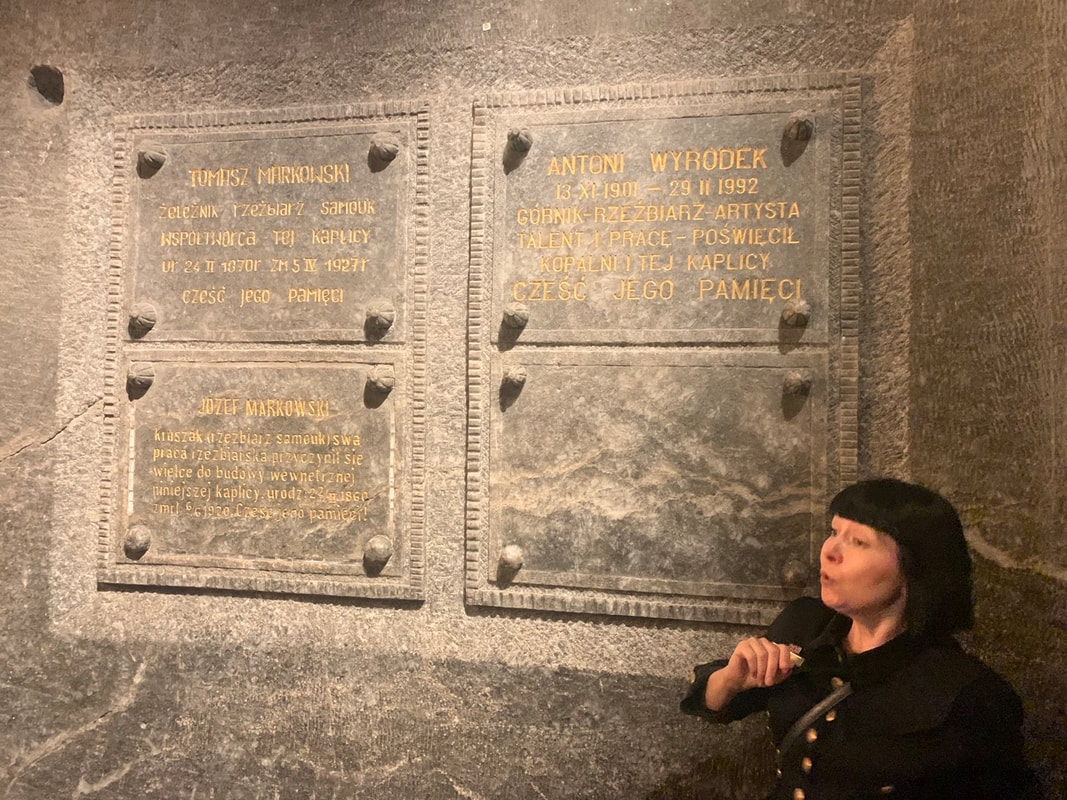
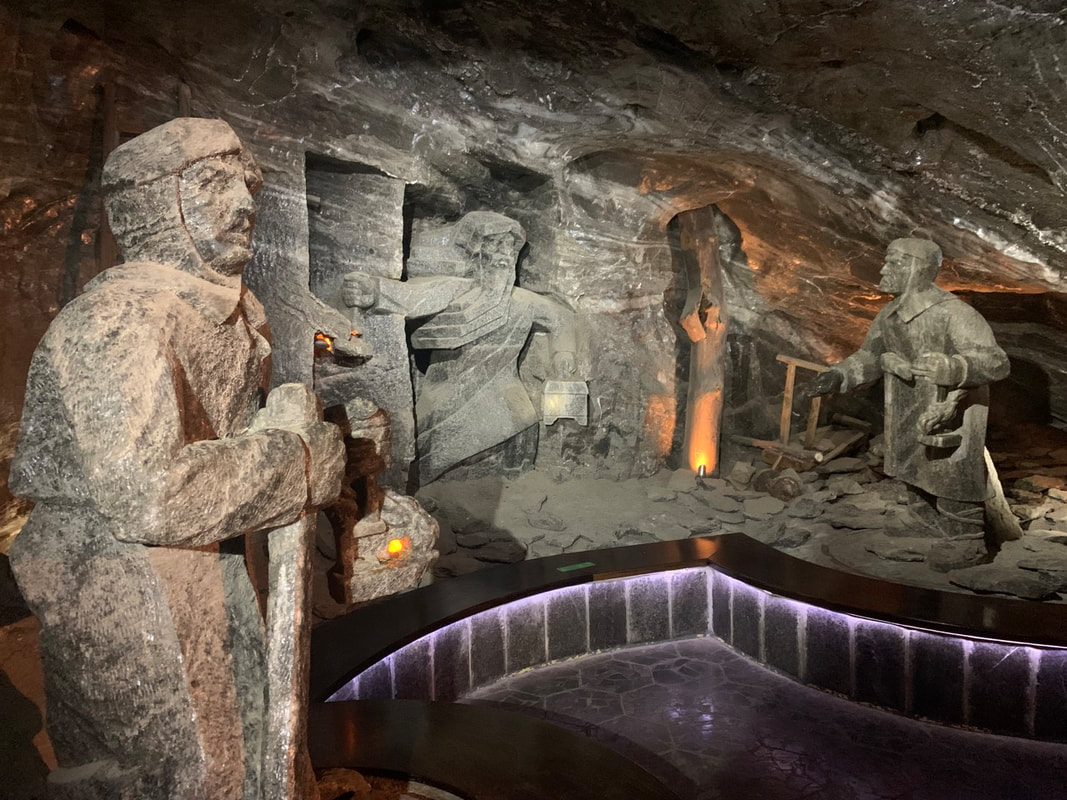
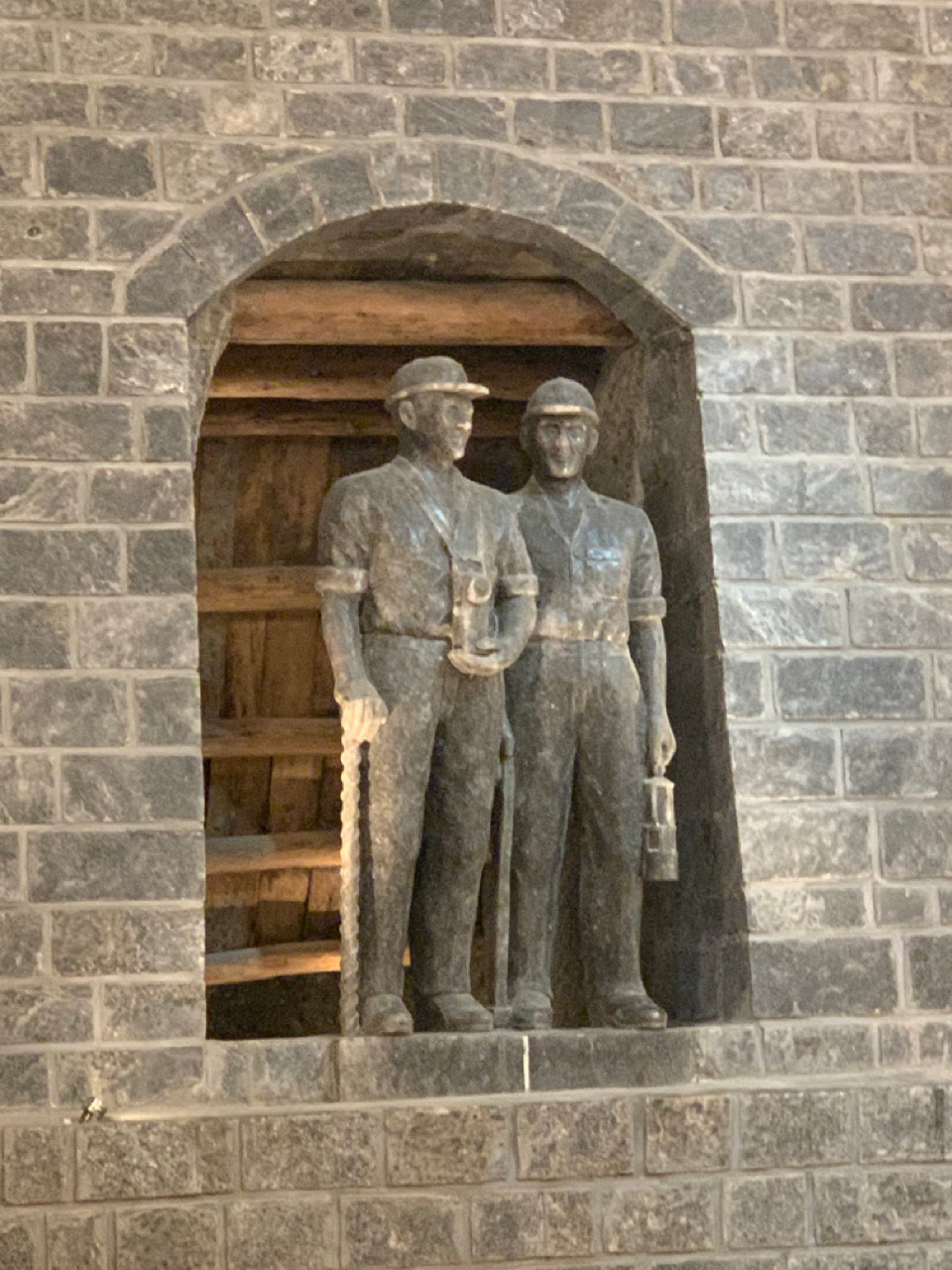
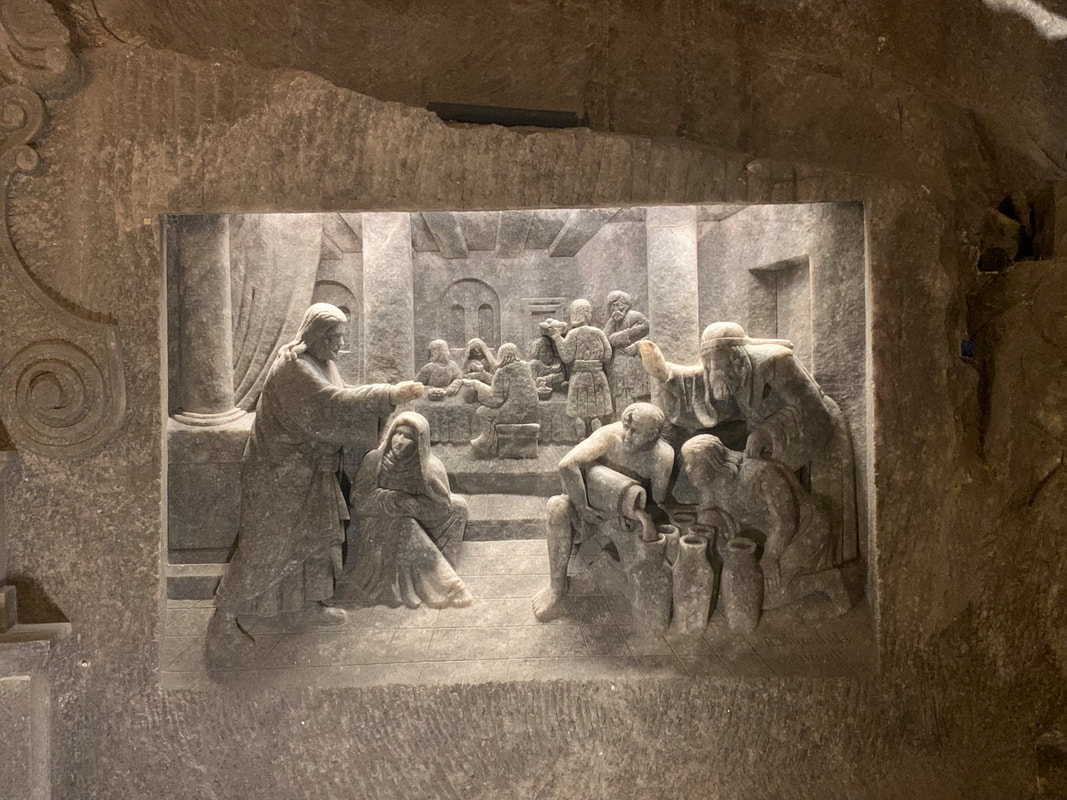
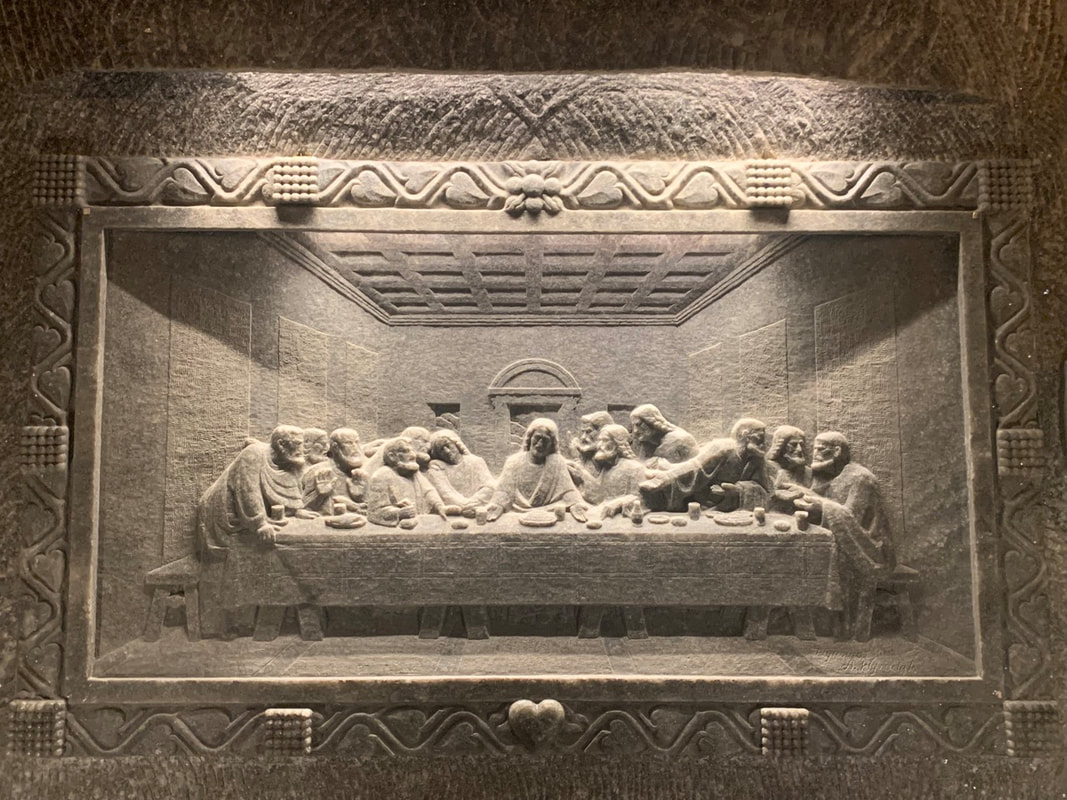
The Wieliczka Salt Mine is now a UNESCO World Heritage Site. Its attractions include the shafts and labyrinthine passageways, displays of historic salt-mining technology, an underground lake, four chapels and numerous statues carved by miners out of the rock salt, and more recent sculptures by contemporary artists."

Picture
Picture
Picture
Picture
Picture
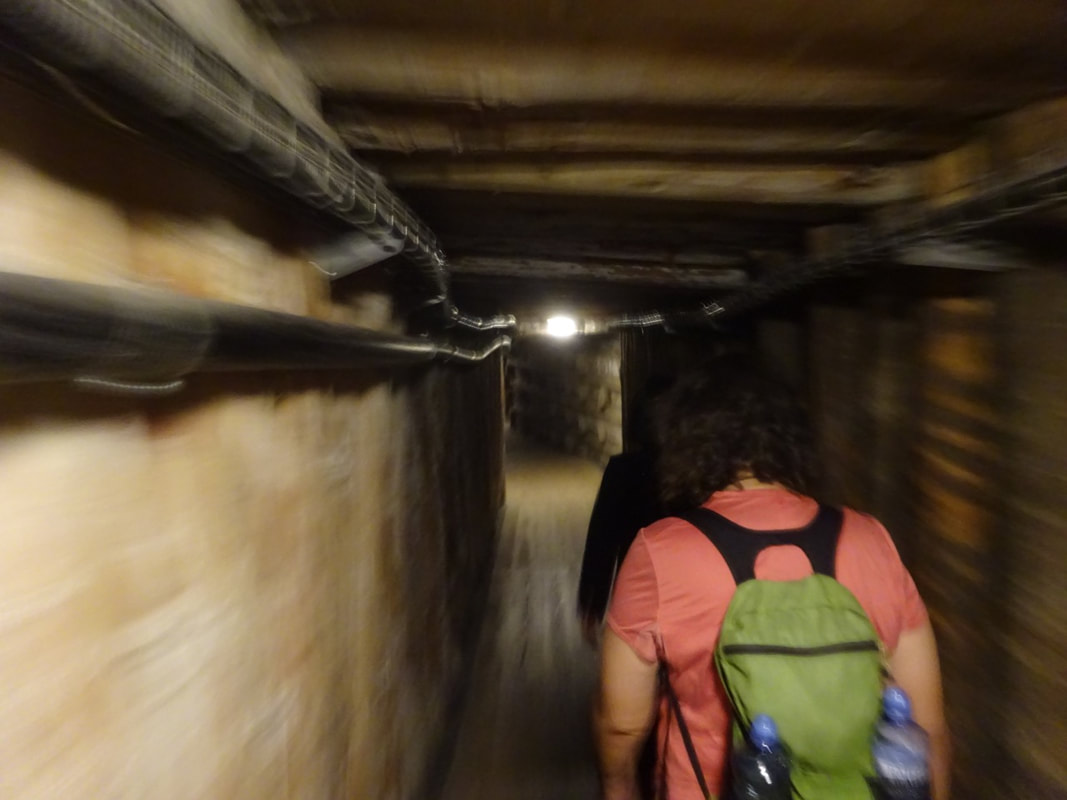
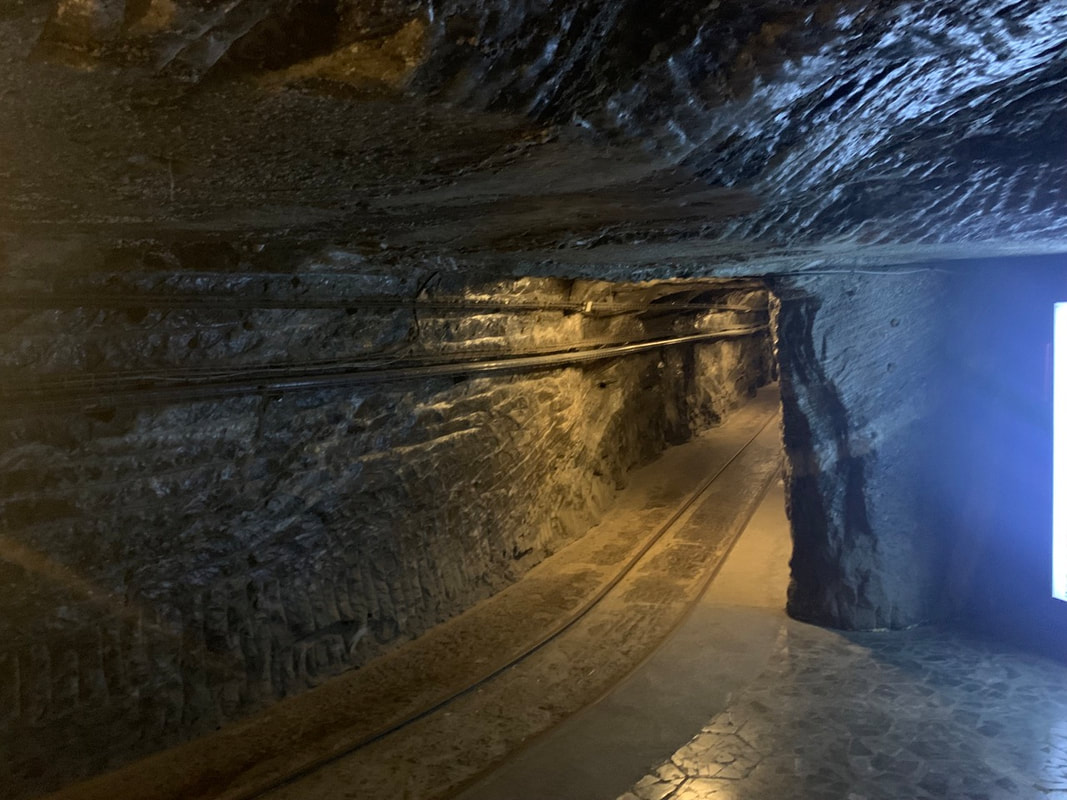
We head into the mine with our guided tour group.
Picture
Picture
Picture
Picture
Picture
Picture
Picture
Picture
Picture
Picture
Picture
Seams of salt in the walls.
Picture
Picture
Picture
Picture
Picture
Picture
Picture
Picture
Picture
Picture
Picture
Picture
Picture
Picture
Picture
Picture
Picture
Picture
Picture
Picture
Picture
Picture
Picture
Picture
Picture
Picture
Picture
Picture
Picture
Picture
Picture
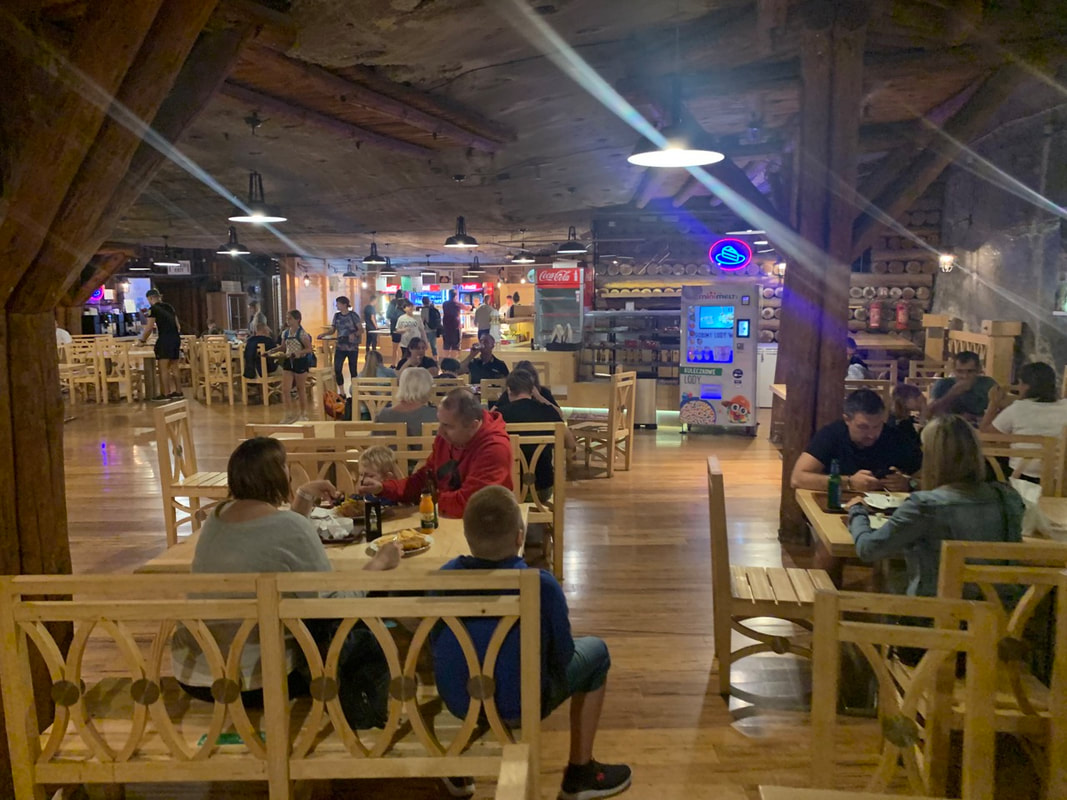
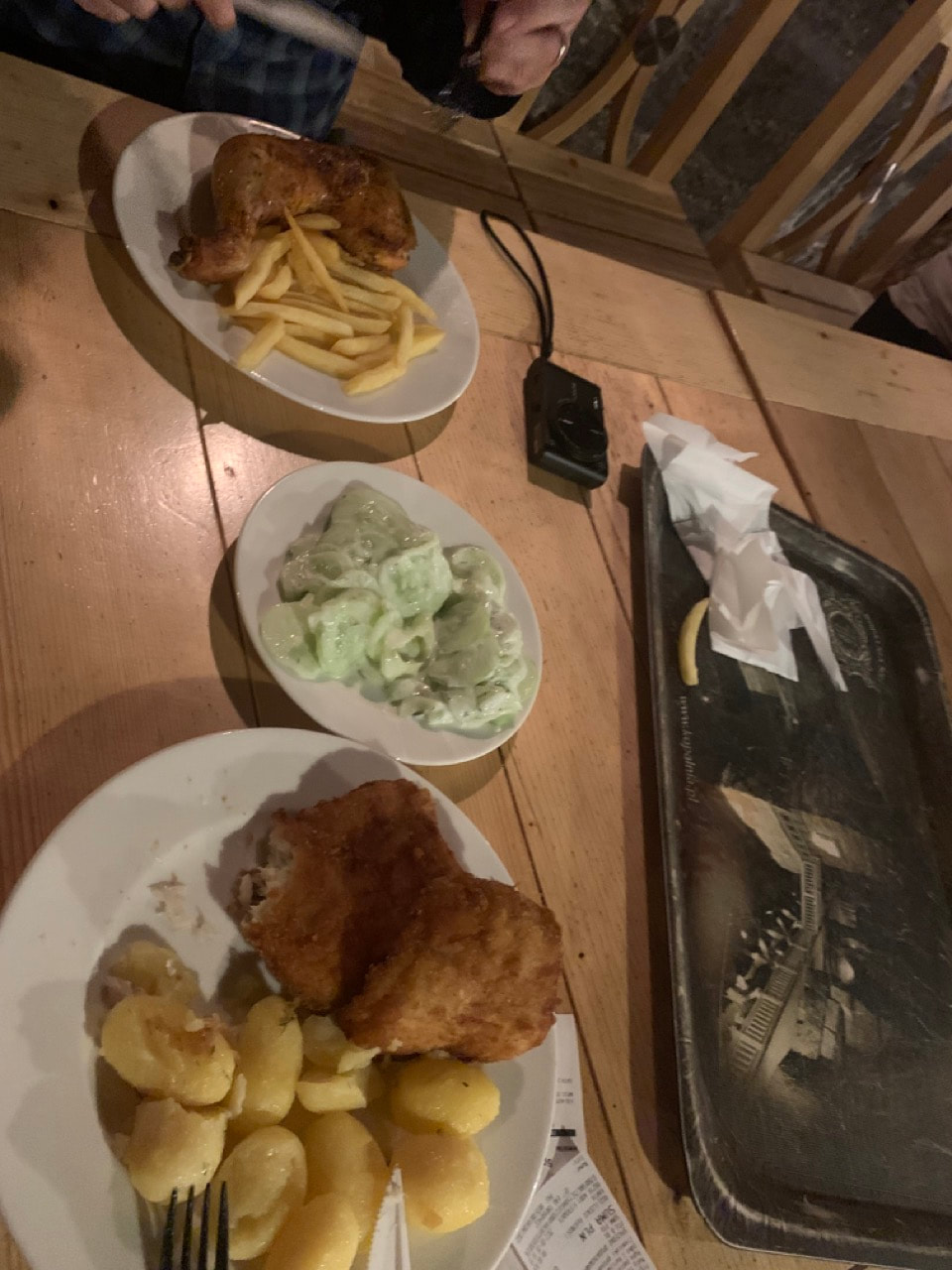
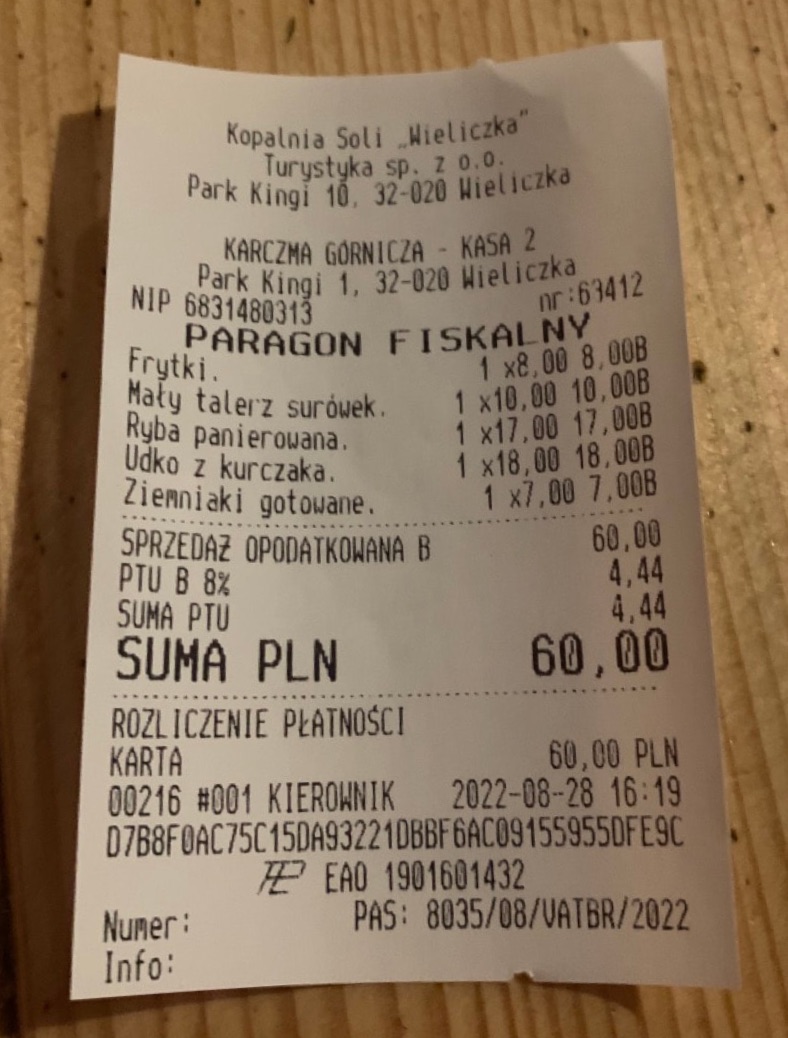
The gift shop had been an intermediate stop, in this case we exit out through the cafeteria.  The food looked good and we were hungry, and the price was right, so we dined.
Picture
Picture
Picture
Picture
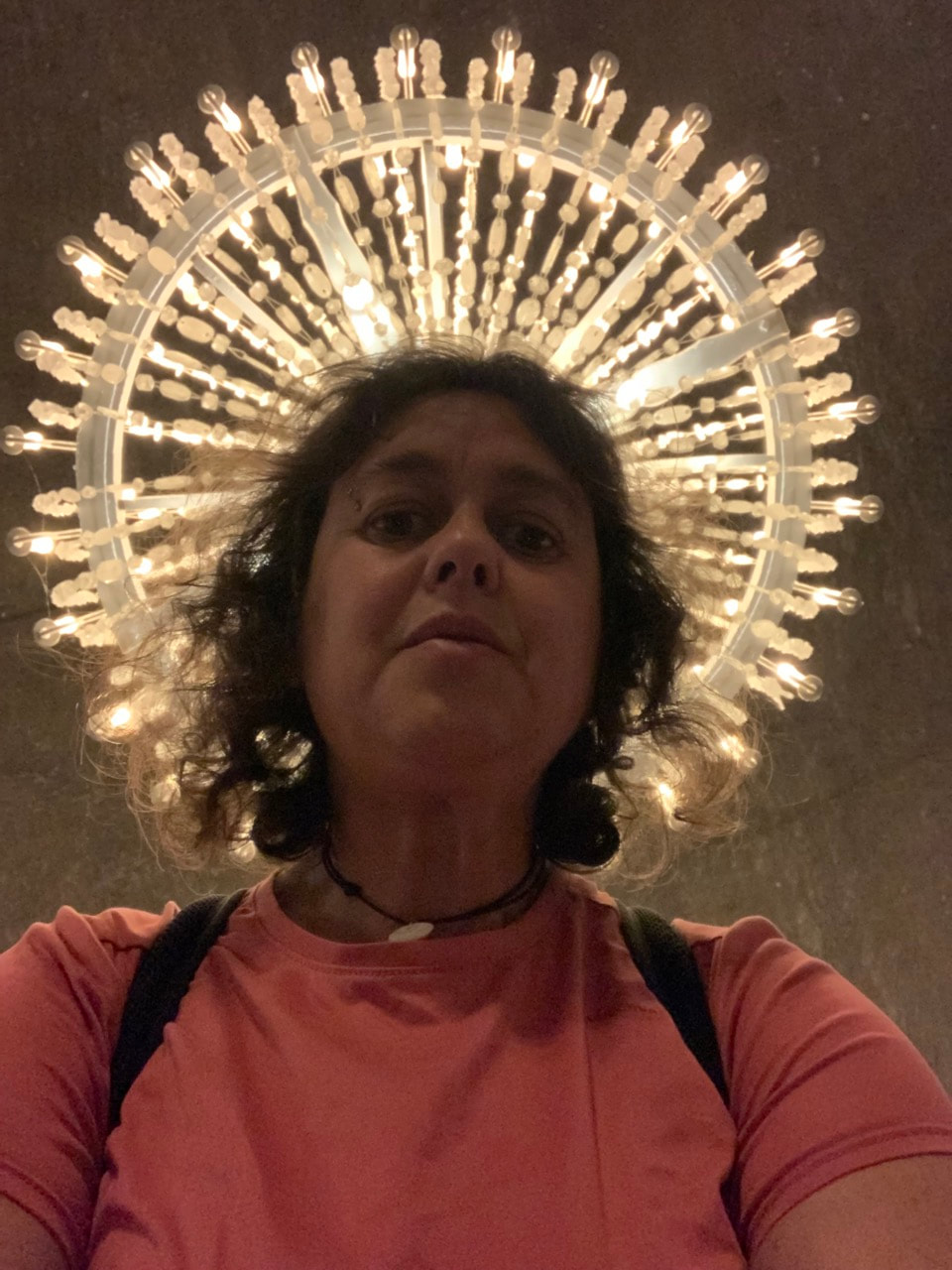
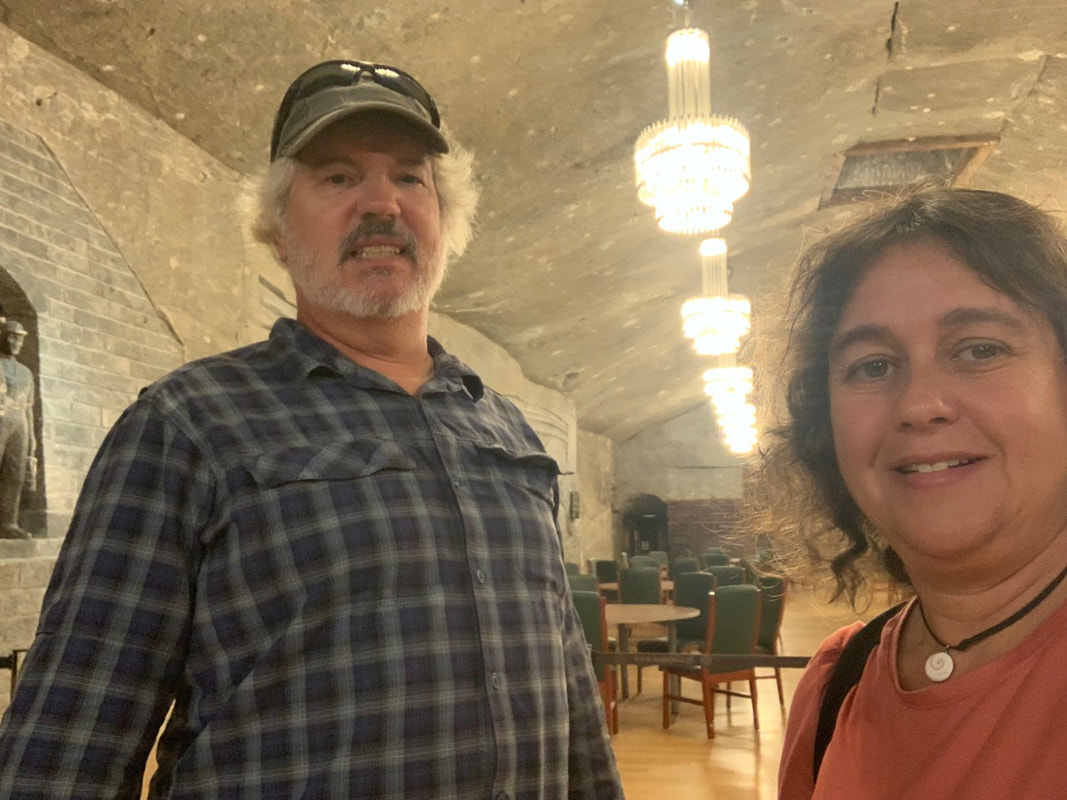
Four months of touring ends here, inside the salt mine.  Luckily, fortunately, we're retired, so now it's not, on Monday, "back to the salt mine".
Picture
0 Comments

Olomouc

8/27/2022

0 Comments

 
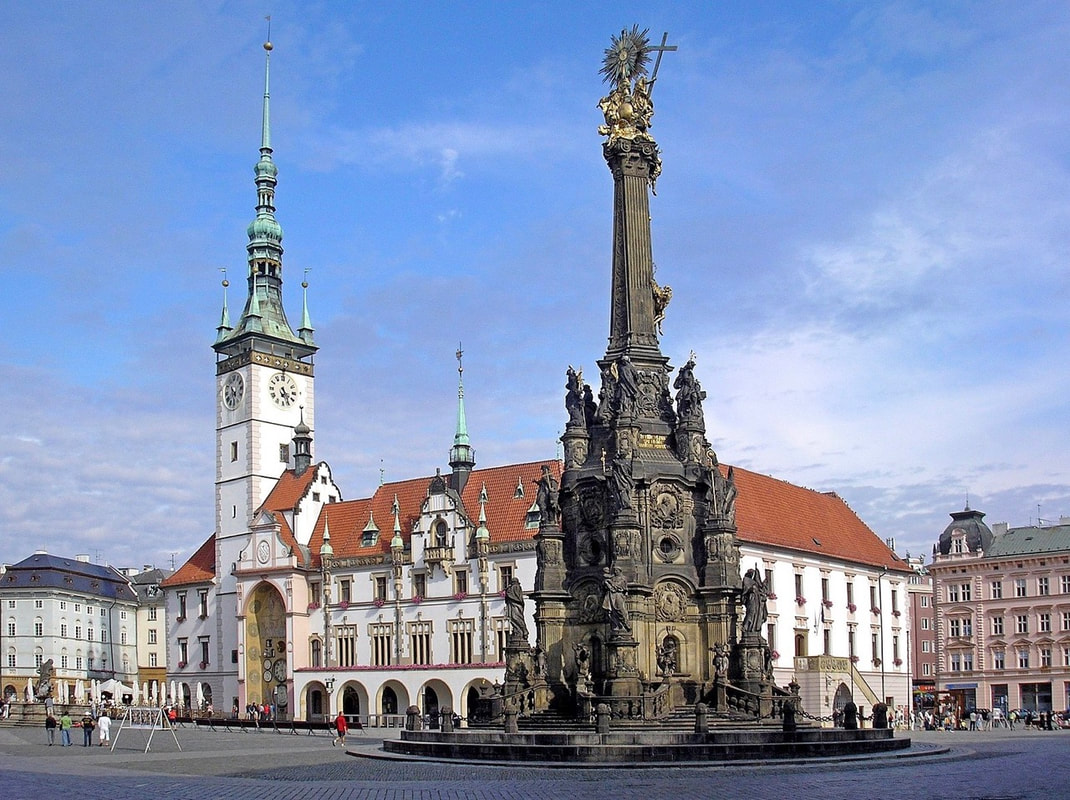
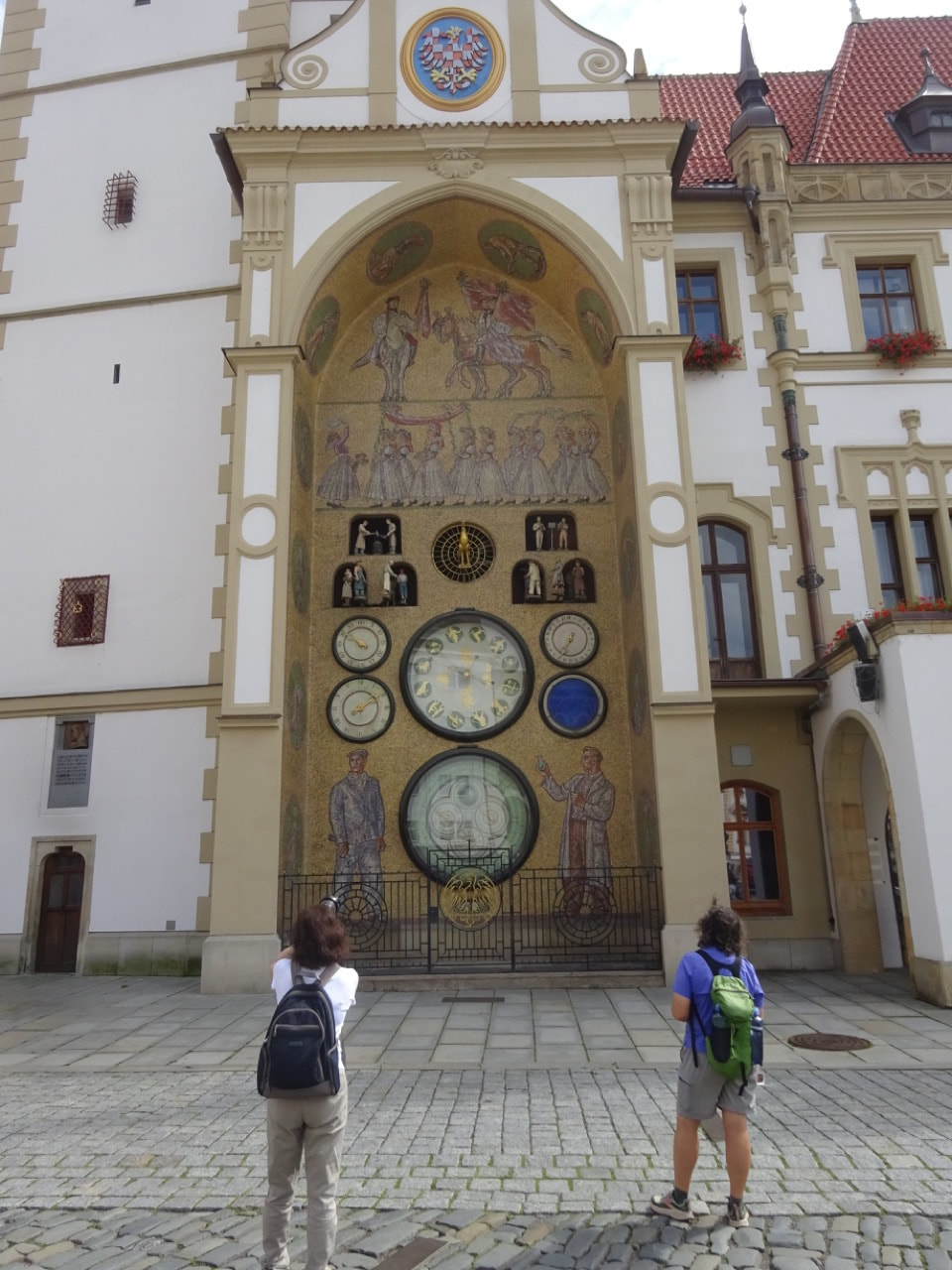
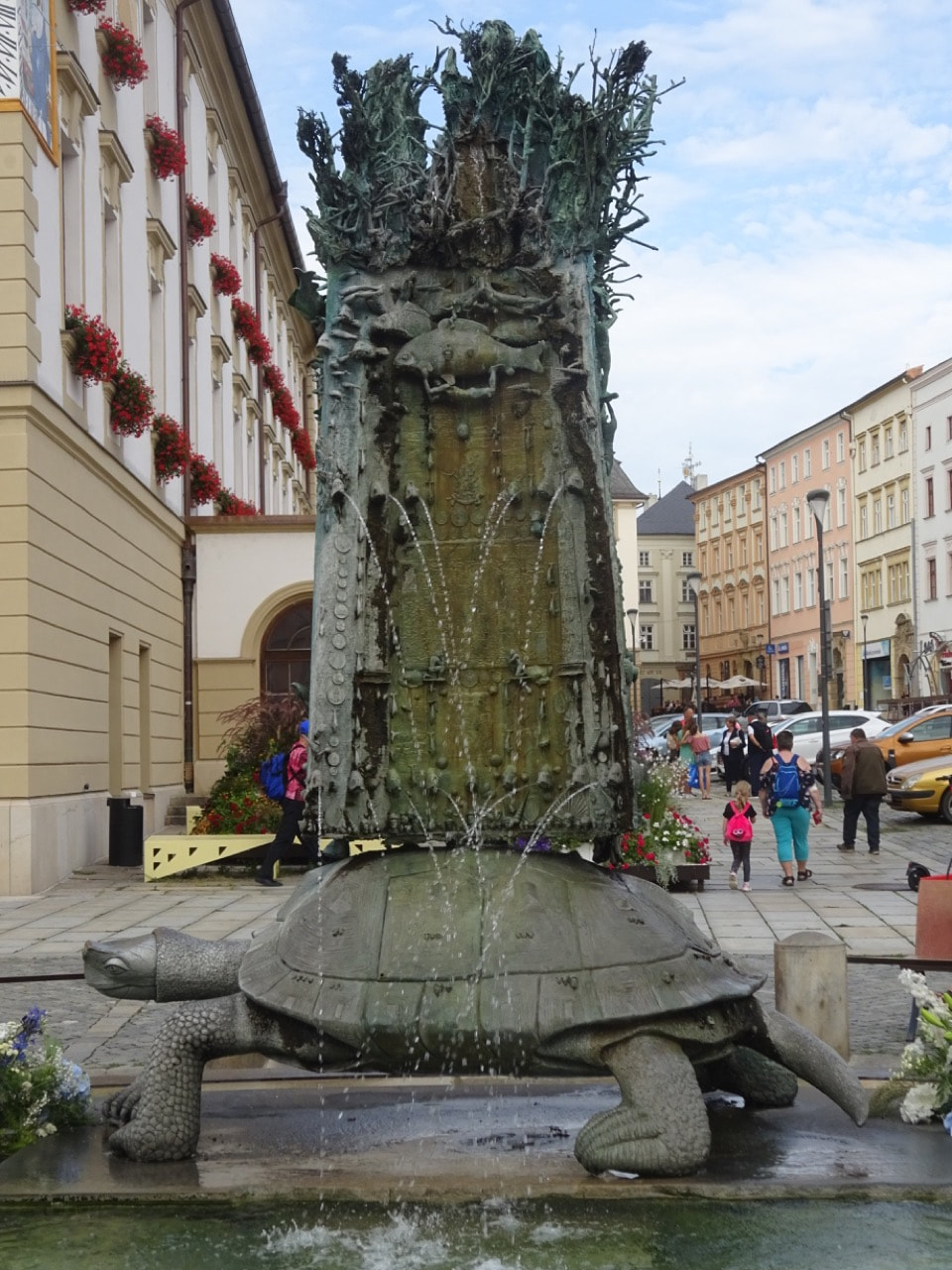
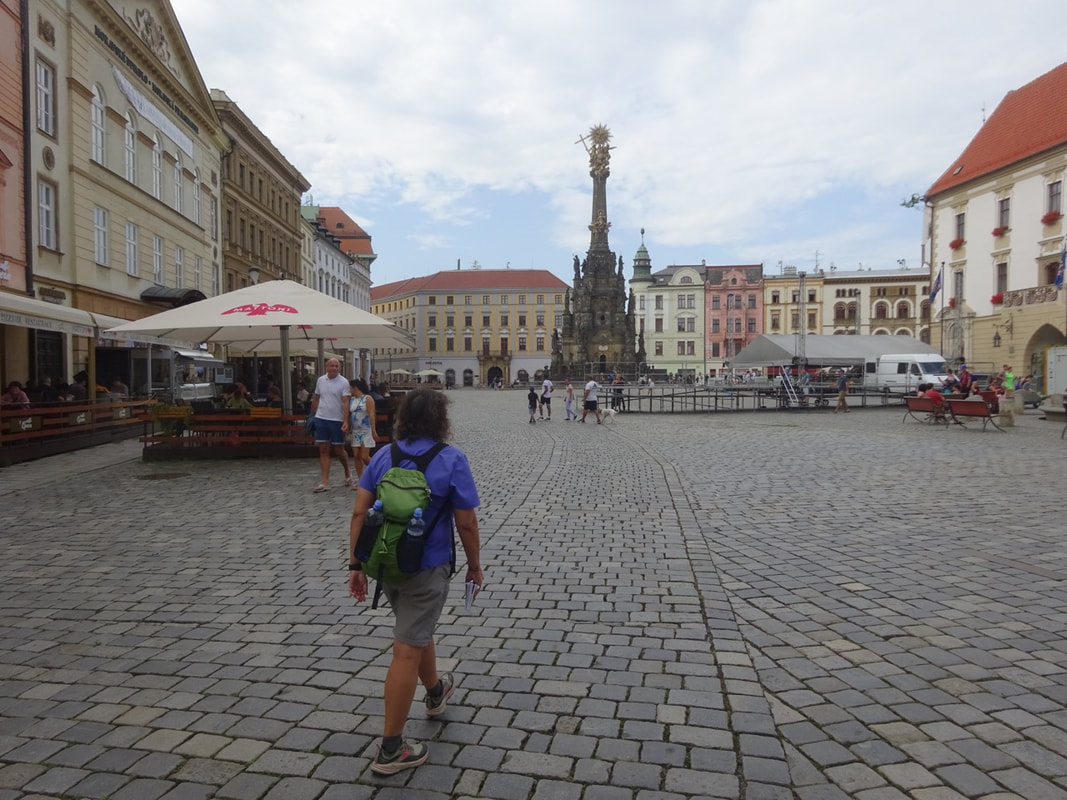
Olomouc is a city in the eastern province of Moravia in the Czech Republic.  It’s known for its 6 baroque fountains and the 18th-century Holy Trinity Column, a monument adorned with religious sculptures. On Wenceslas Hill are the Gothic St. Wenceslas Cathedral and the Romanesque Bishop’s Palace.  The Town Hall is a former merchant's house with vaulted rooms and an astronomical clock.

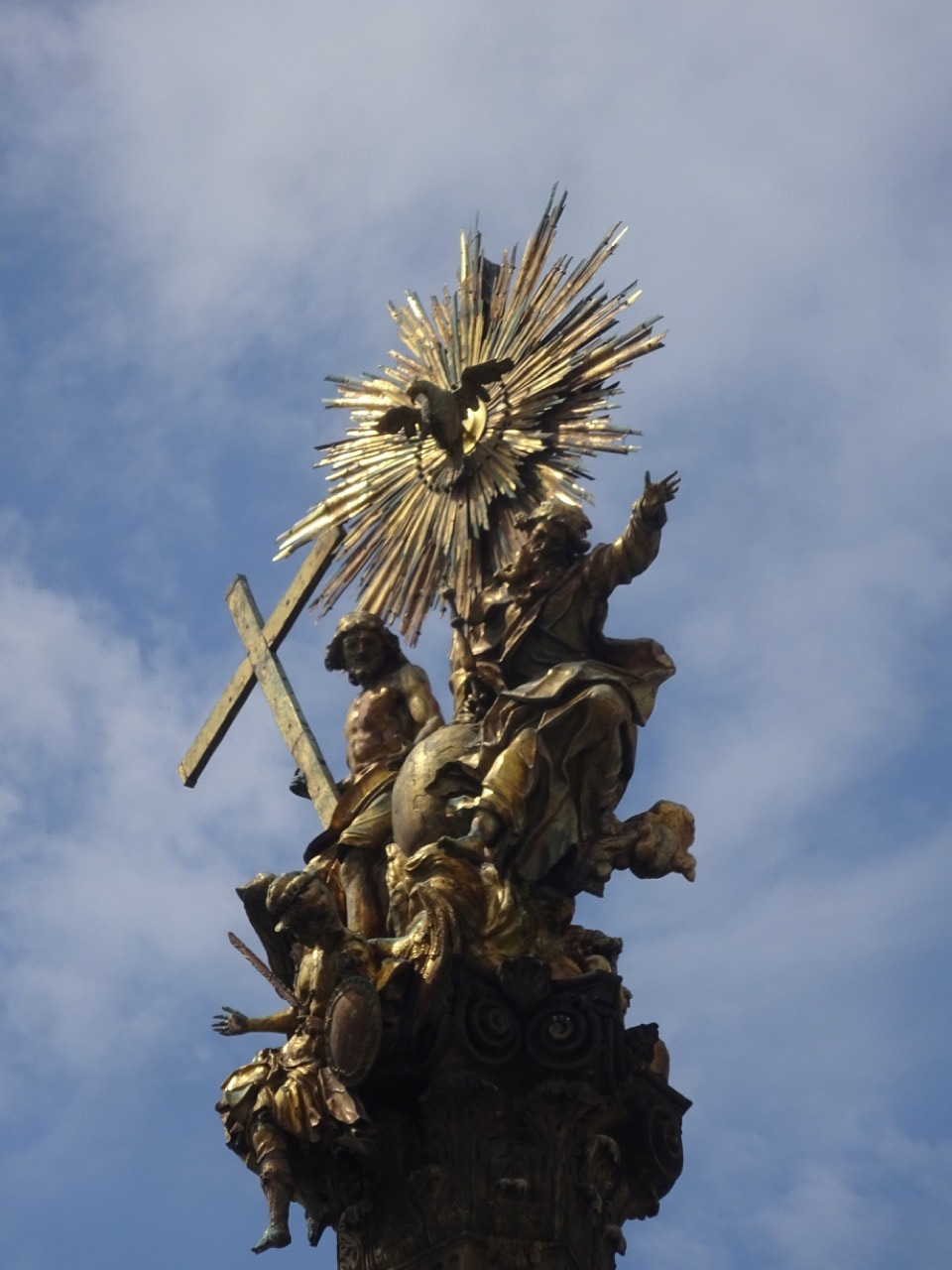
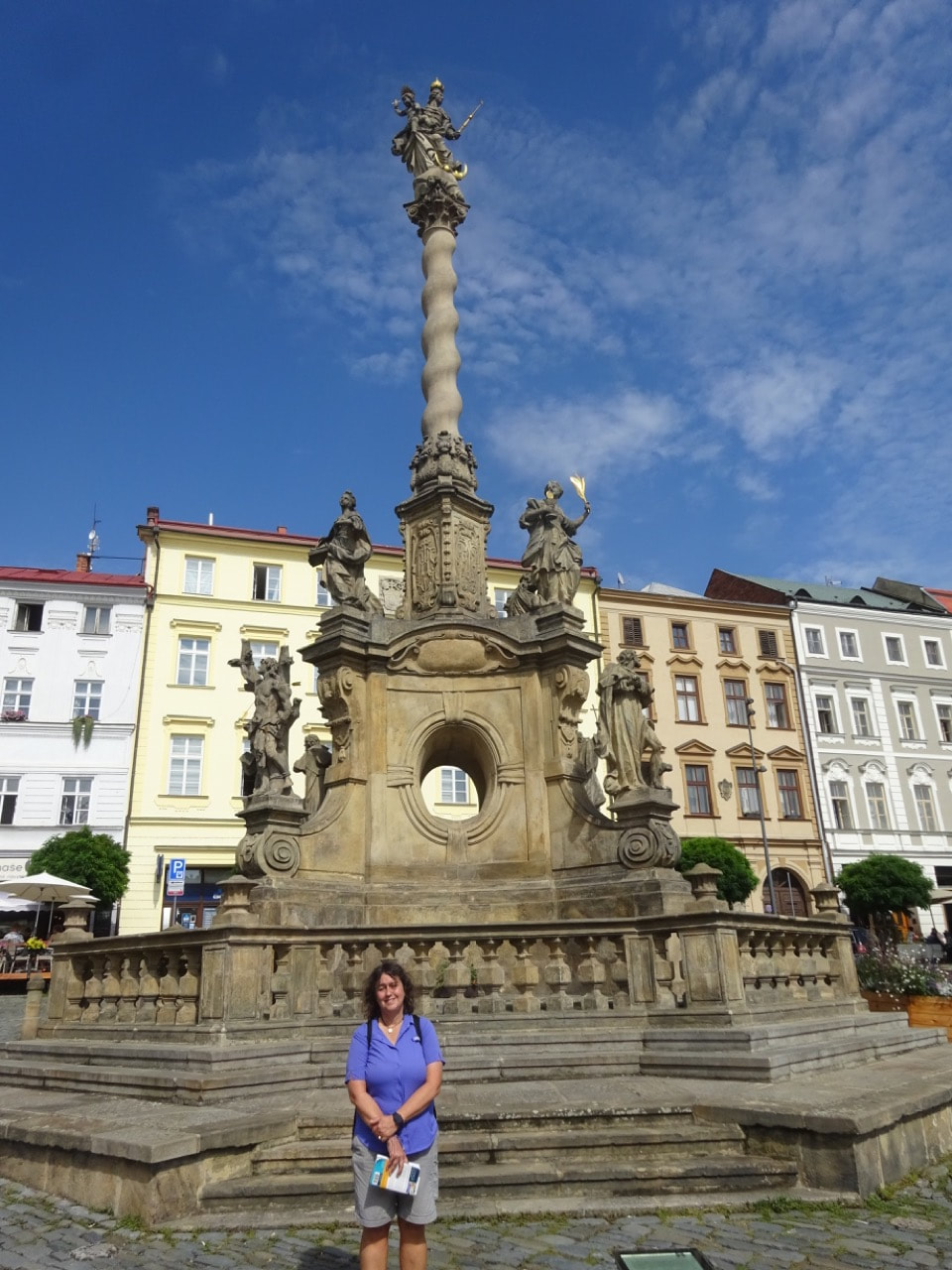
The Holy Trinity Column is located in the northwestern corner of the main square – Horní náměstí. It is a Baroque religious monument, completed in 1754, after 38 years of work. The column is 35 m (115 ft) tall and expresses gratitude for surviving the plague outbreak that struck Moravia in the early 18th century.  Of all the towns across Czechia, the plague column in Olomouc is definitely the most impressive.  All the artists and craftsmen involved were from Olomouc, making the monument a source of pride for the city. The Holy Trinity Column was inscribed on UNESCO’s World Heritage List in 2000, as the tenth Czech site.
Picture
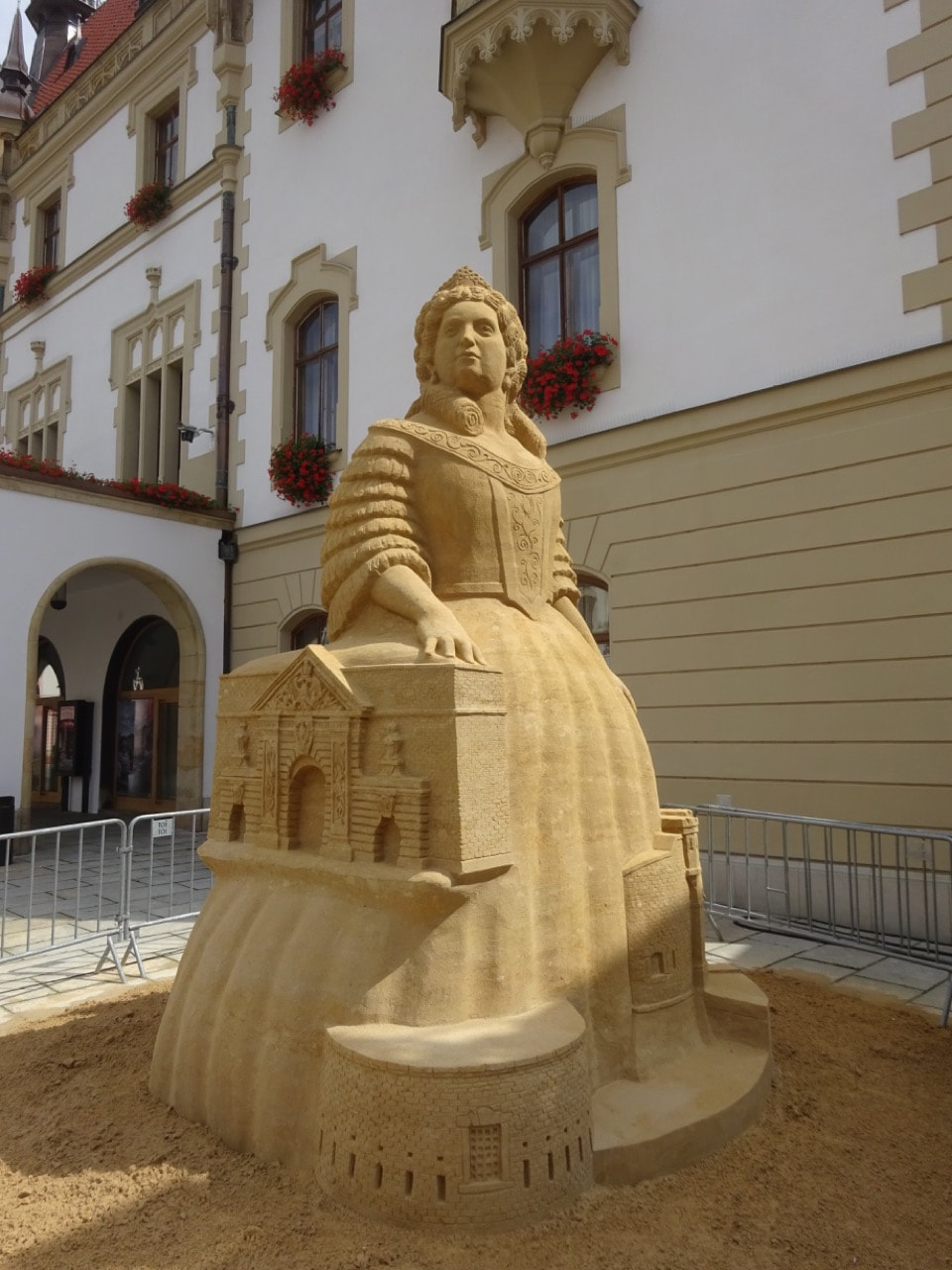
A sand sculpture is still here on the square from a recent festival.
Picture
Picture
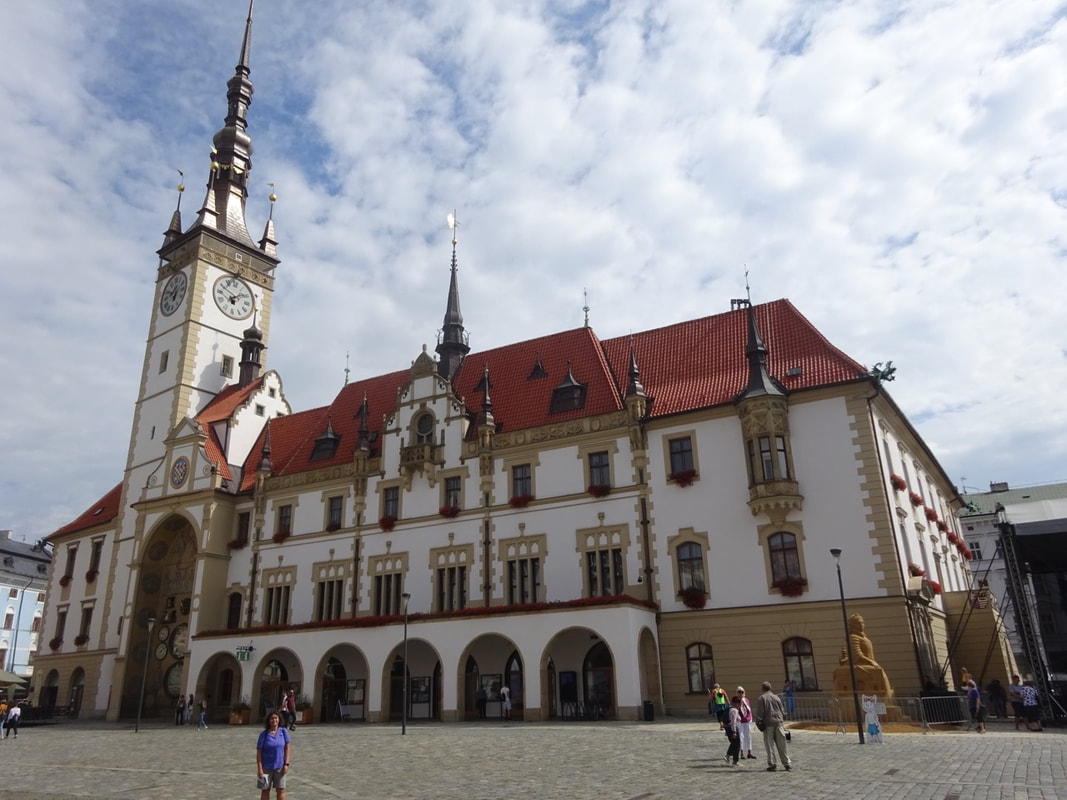
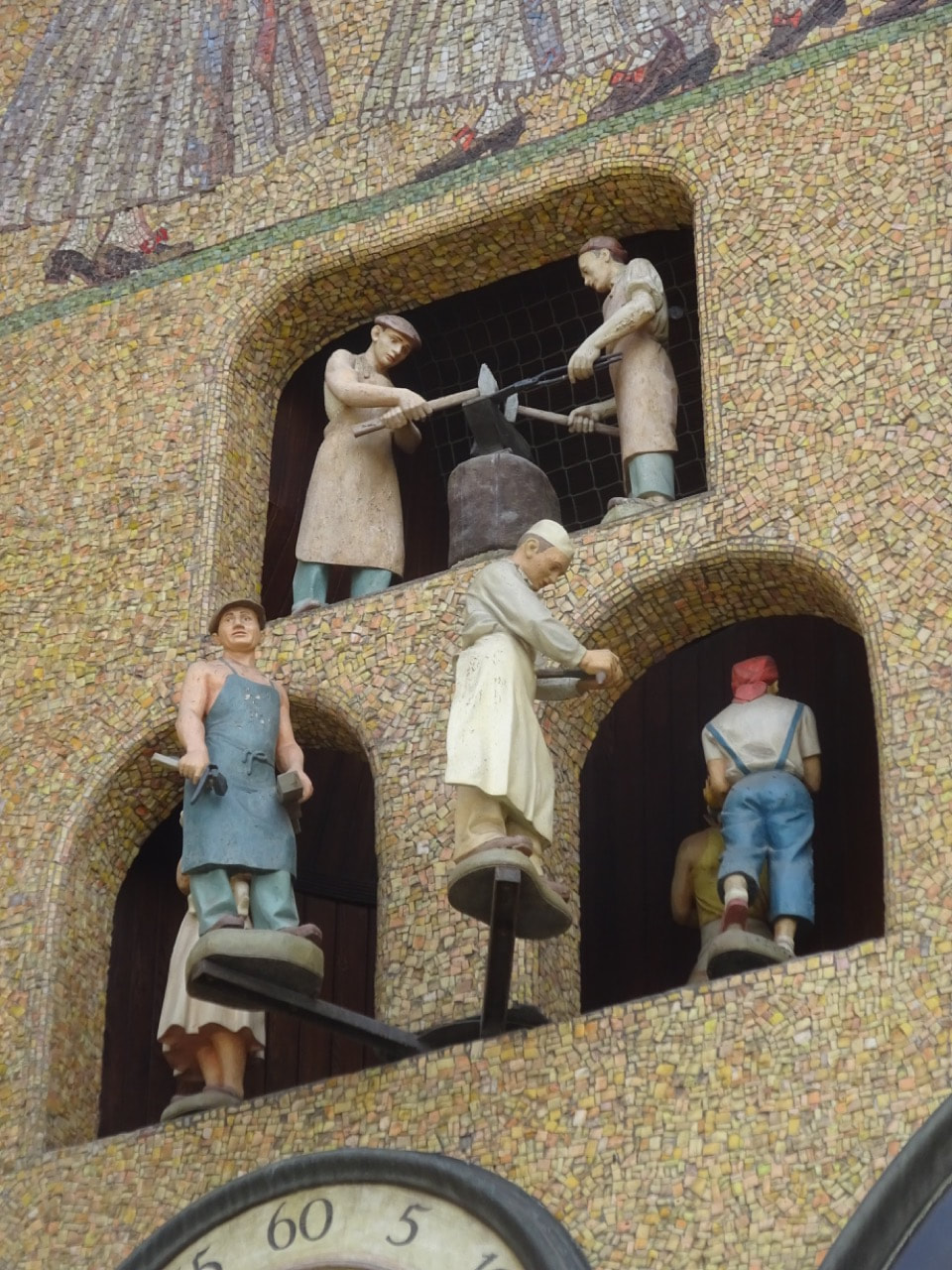
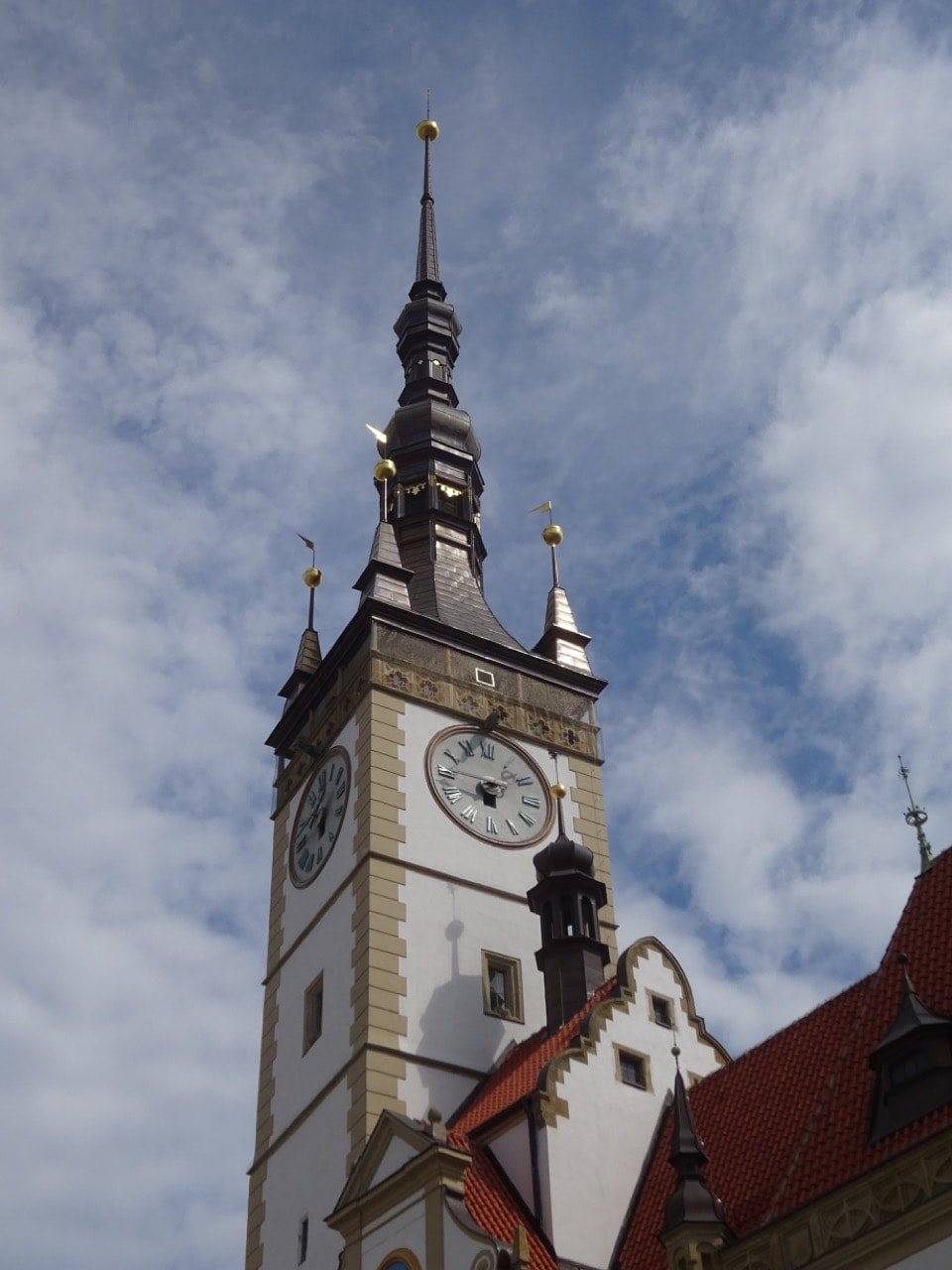
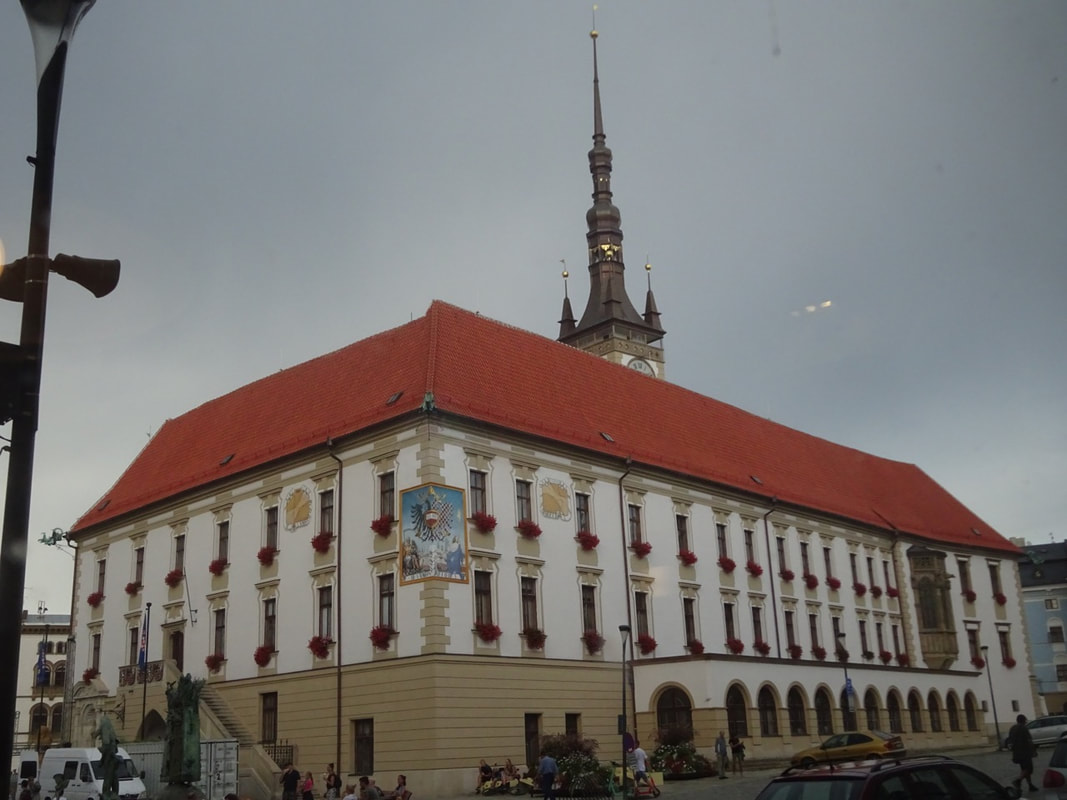
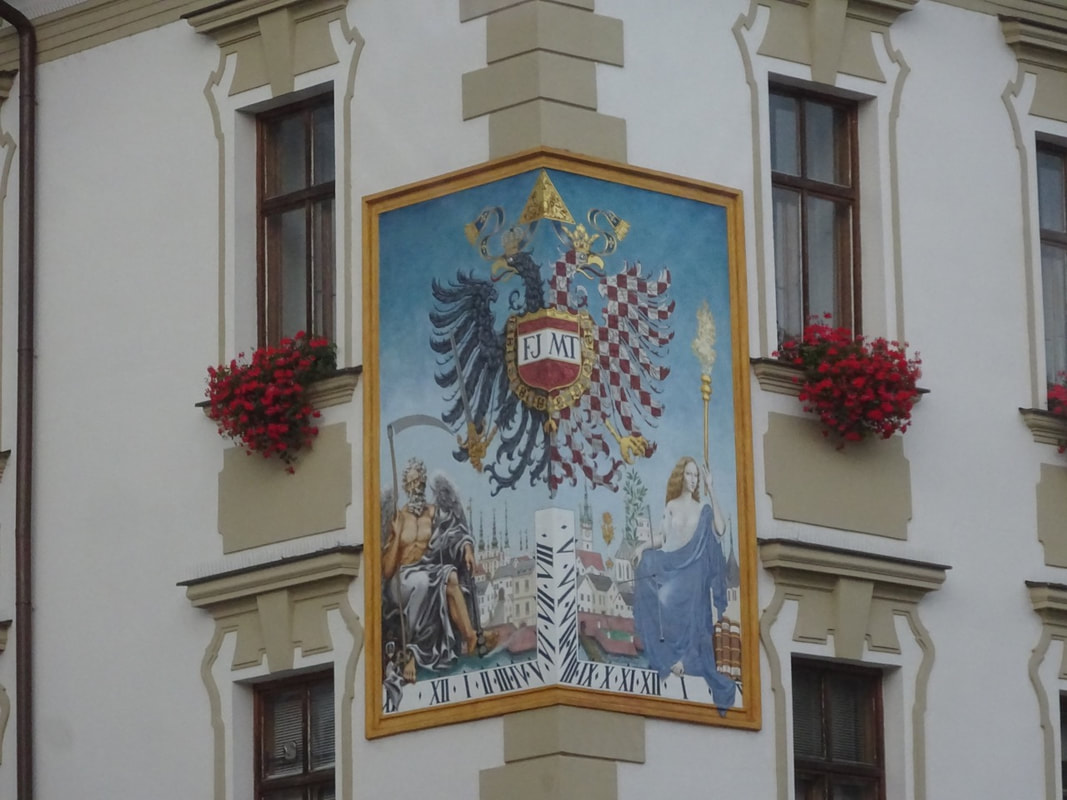
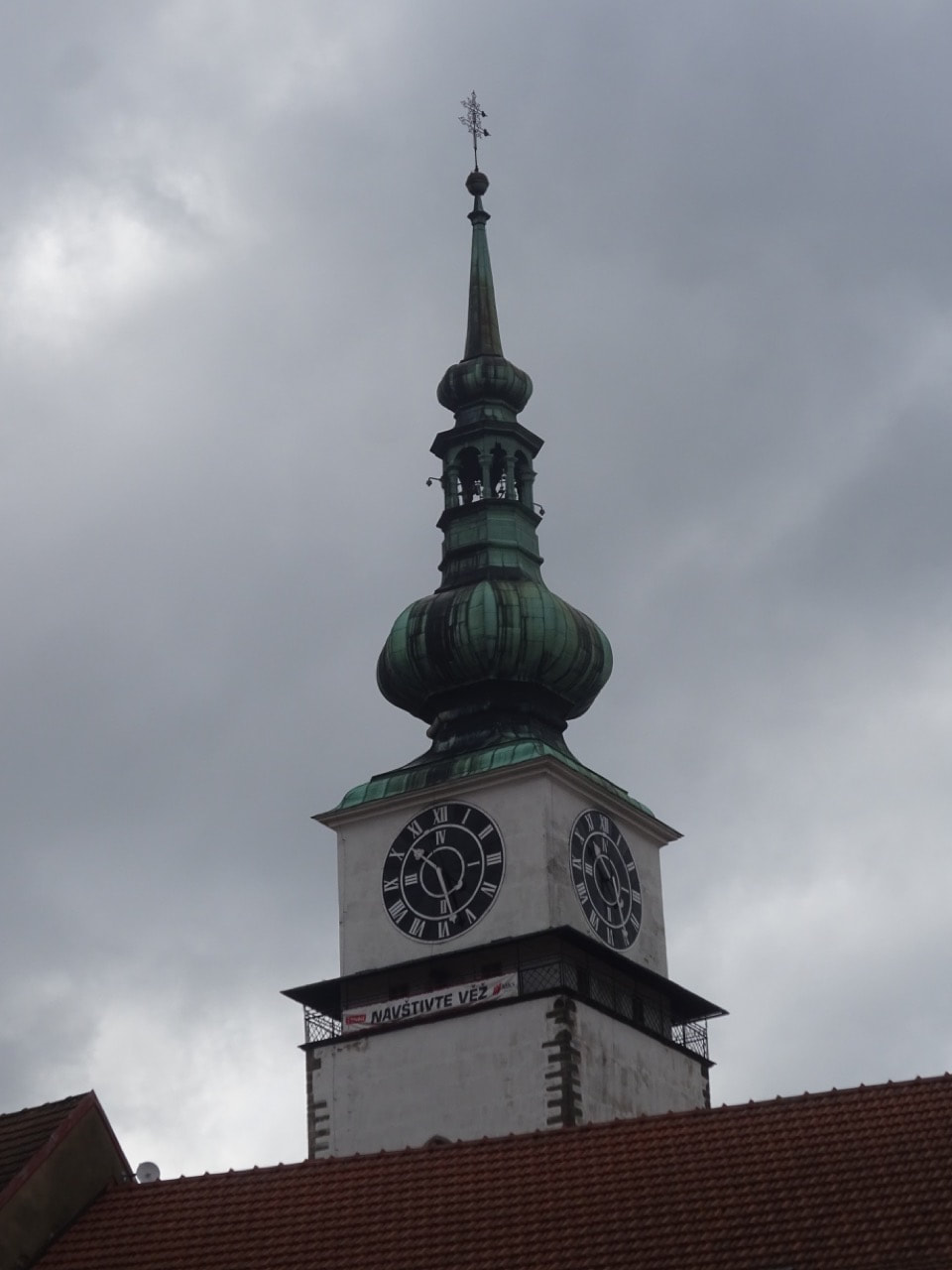
The Town Hall was built in the 15th century and remodeled over the centuries, maintaining an interesting combination of Gothic and Renaissance elements.  Like the town hall in Prague, it also boasts an astronomical clock. The original clock was remodeled in 1898, and then severely damaged during World War II. It was afterwards altered by a socialist realist reconstruction. 
Picture
Picture
Picture
Picture
Picture
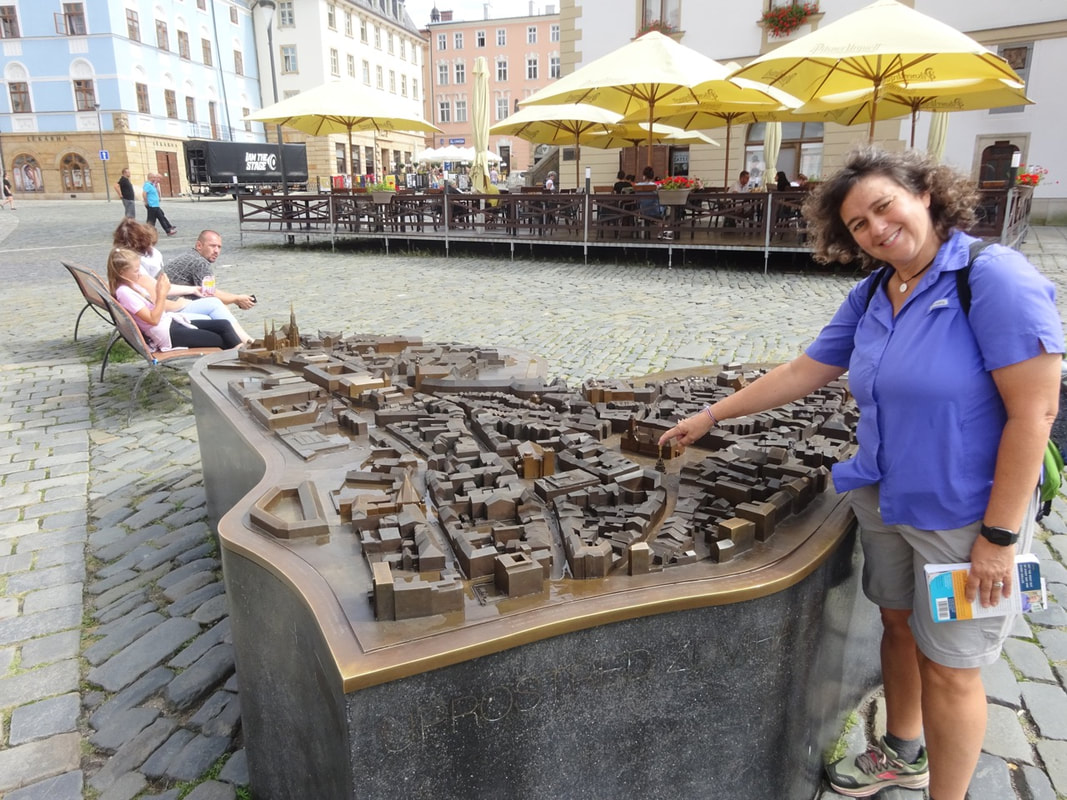
The bronze 3-dimensional map is here to help everyone get orientated.
Picture
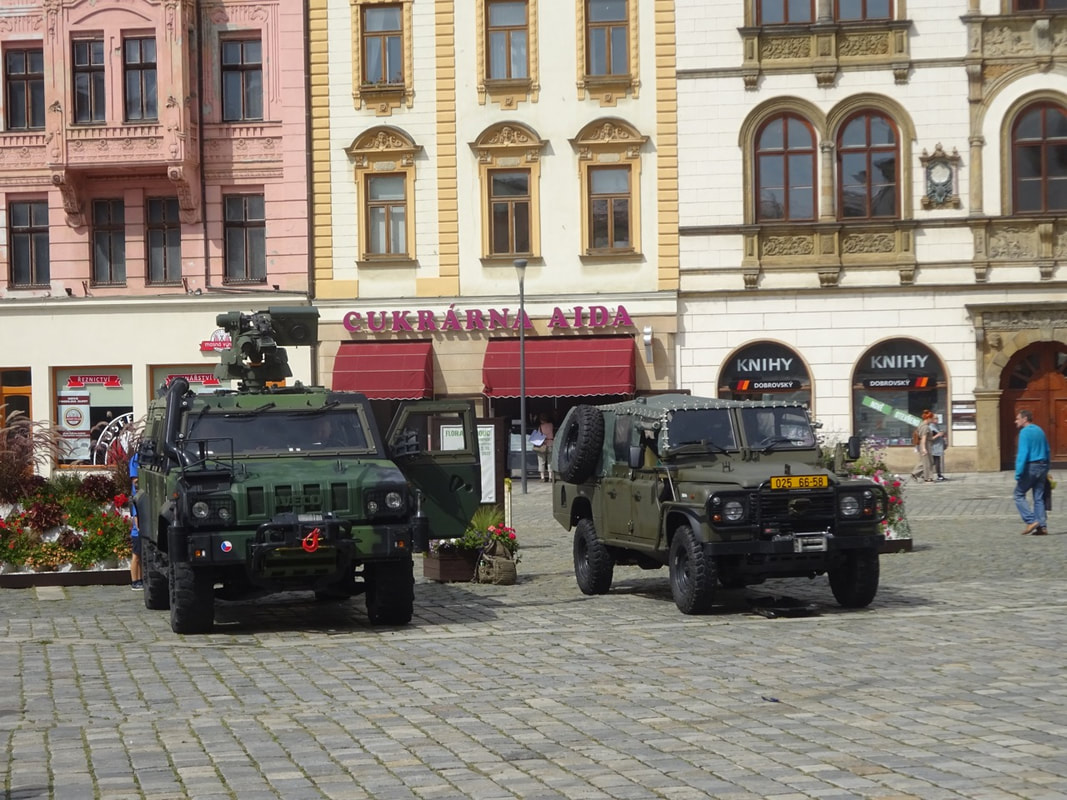
And also the Czech Army is on the scene providing good will to all.
Picture
Picture
Picture
Picture
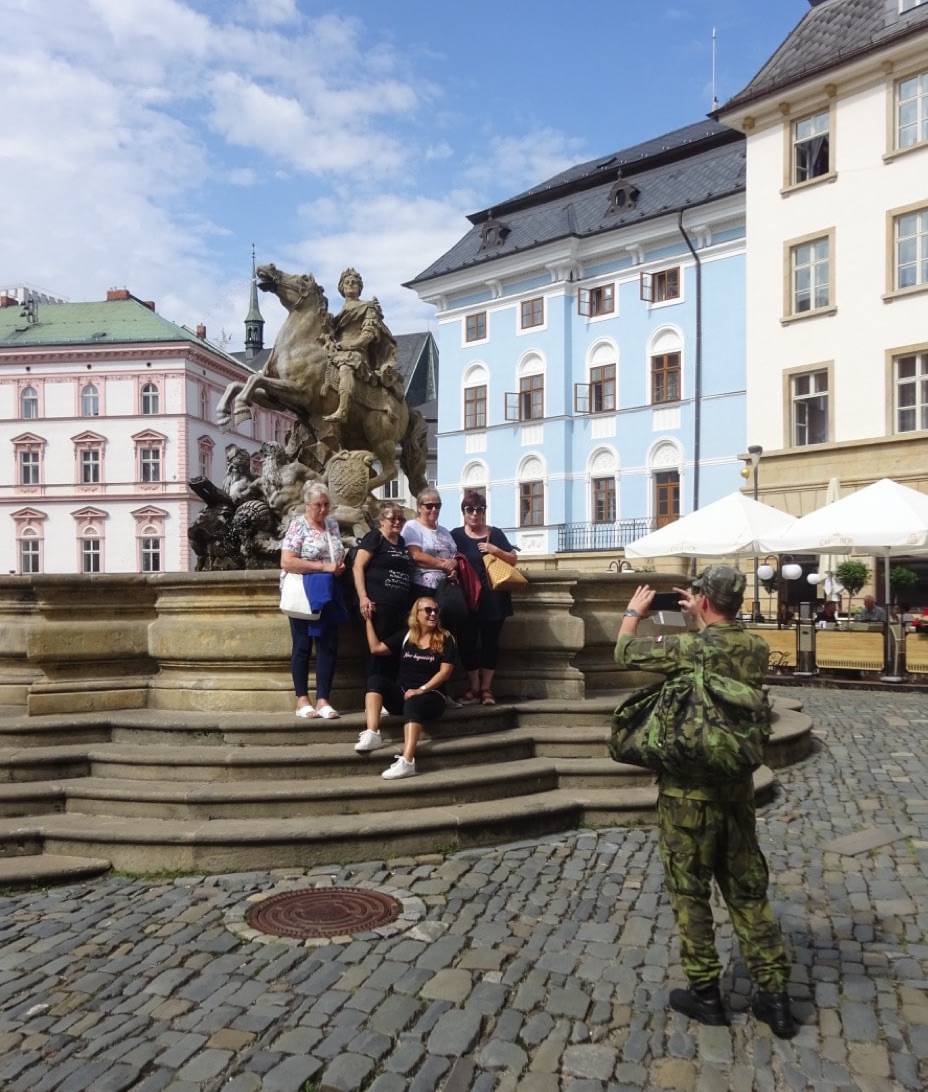
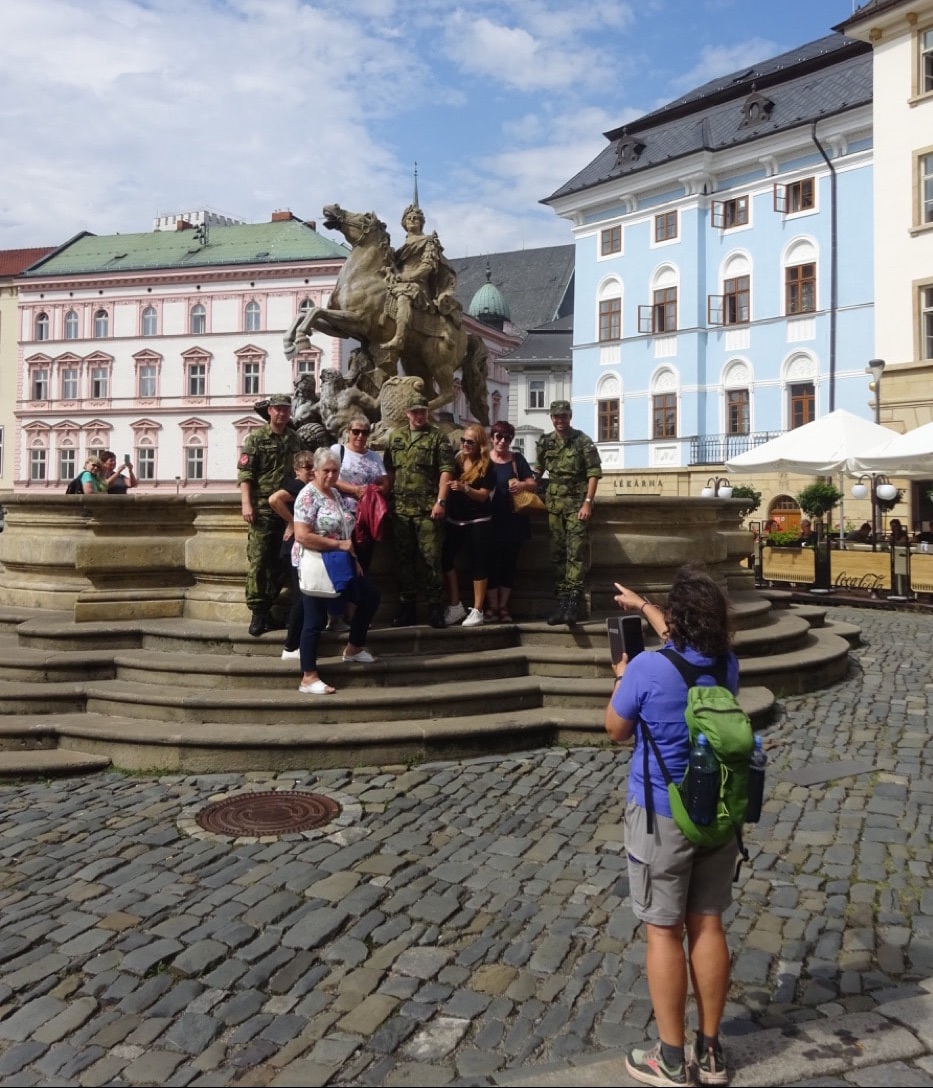
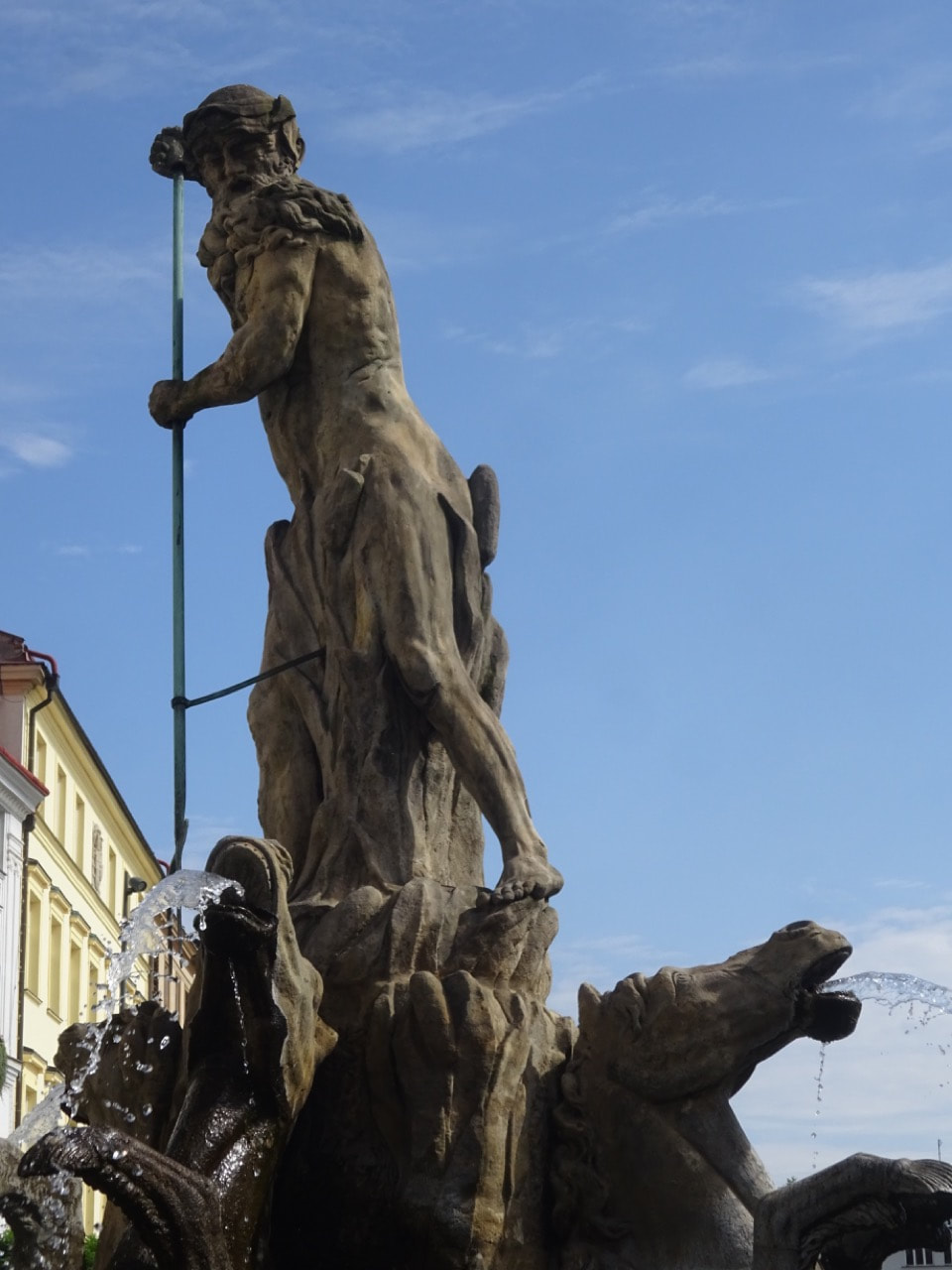
Checking out another square, we see Jupiter's Fountain and Marian's Column, yet another plague memorial.
Picture
Picture
Picture
Picture
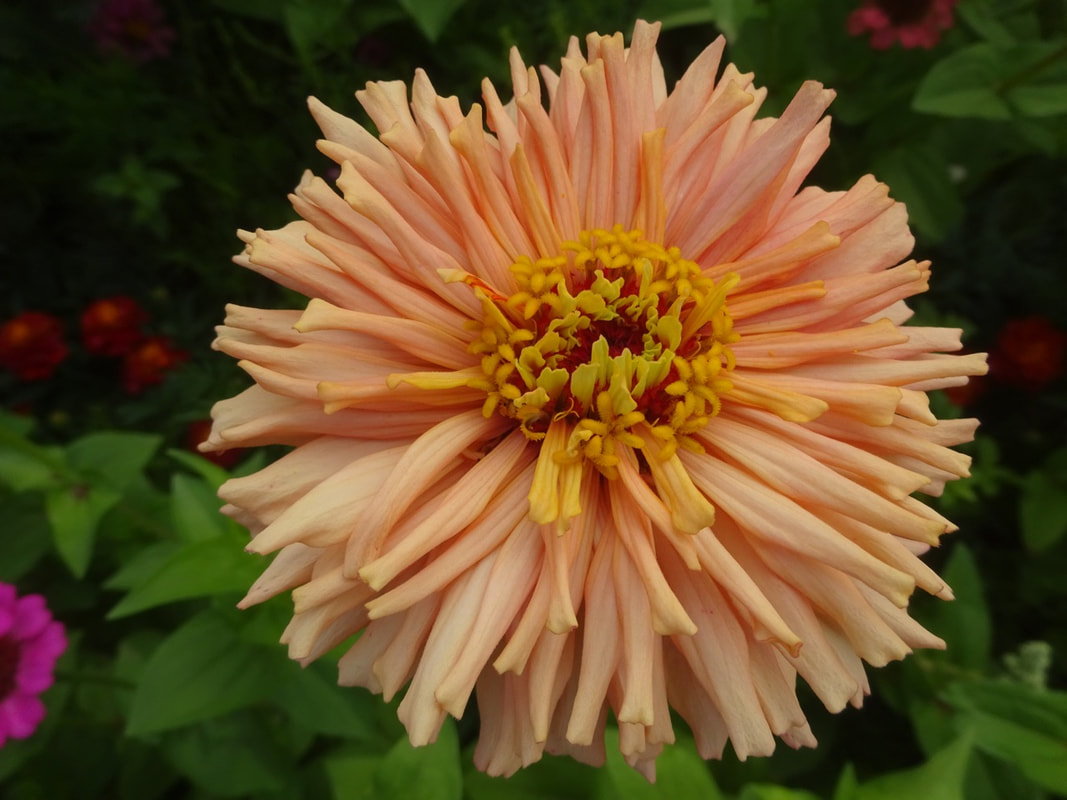
                                                            August flowers in bloom in Olomouc.
Picture
Picture
Picture
Picture
Picture
Picture
Picture
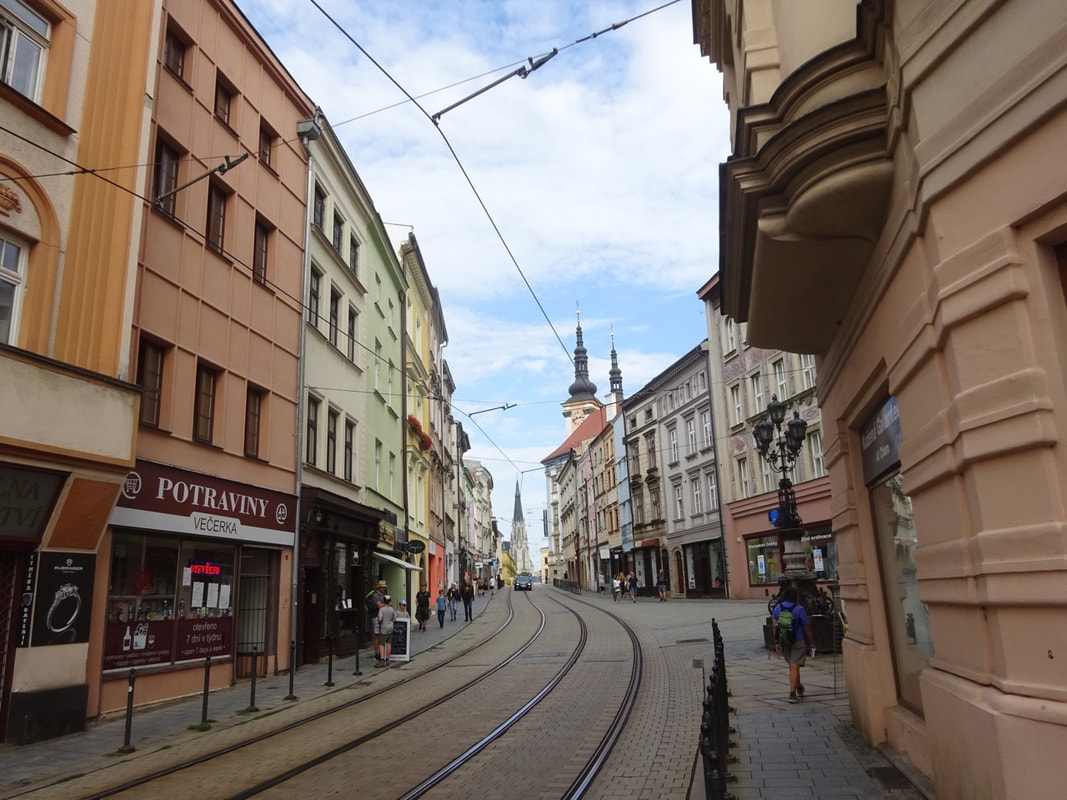
Rick Steves' didn't have a walking tour, he suggests just strolling around to see all the significant points of interest.
Picture
Picture
Picture
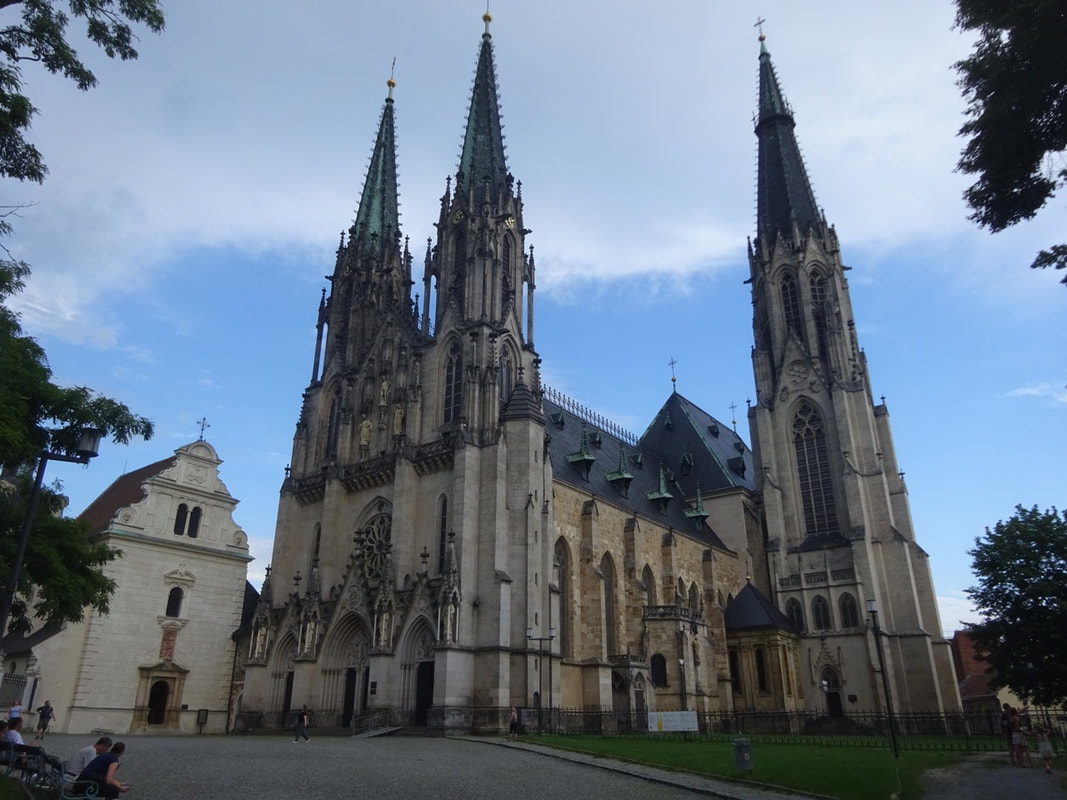
Saint Wenceslas Cathedral is a gothic cathedral at Wenceslas Square founded in 1107. The square was named after Saint Wenceslaus I, Duke of Bohemia on the thousandth anniversary of his death in 935. The cathedral is also named after him.  The cathedral is the seat of the Roman Catholic Archdiocese of Olomouc.

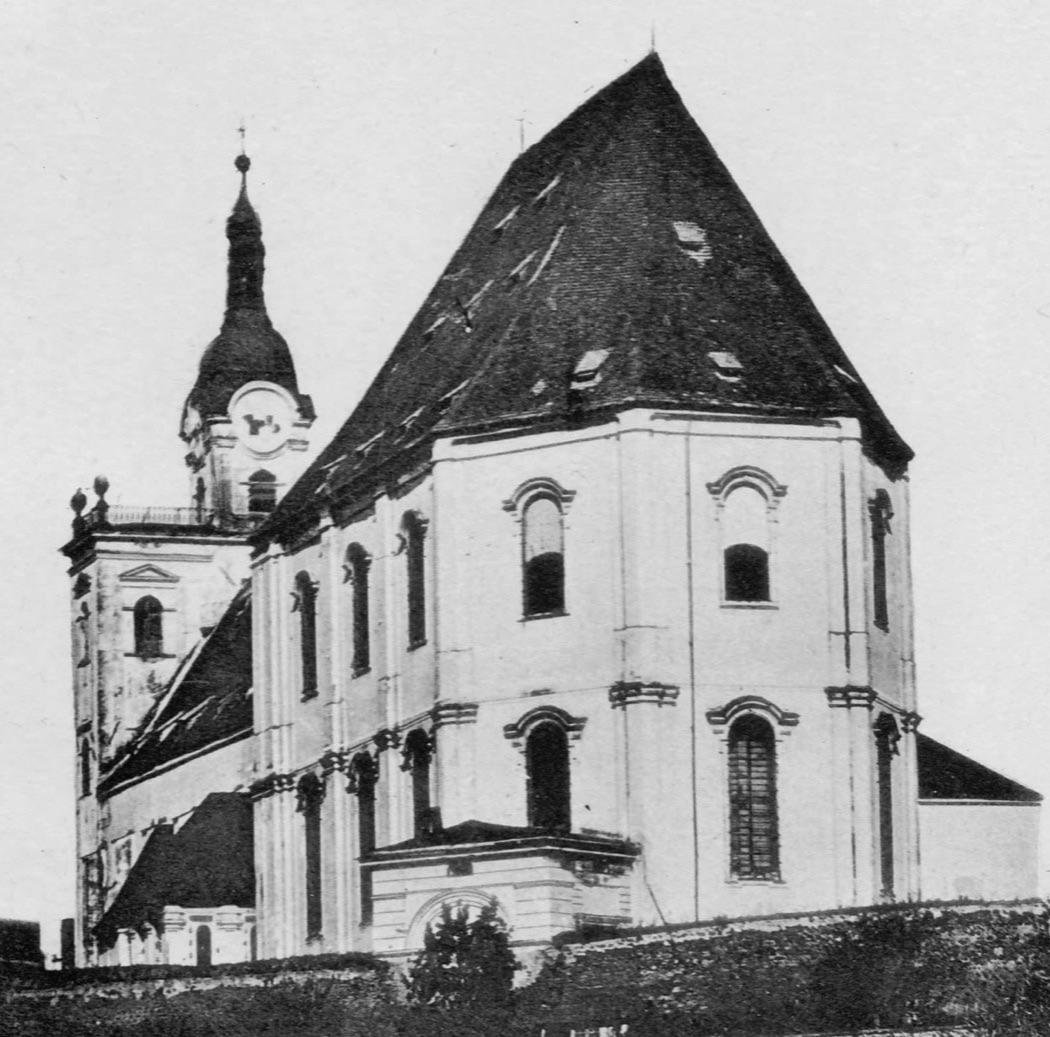
​The church was consecrated in 1131,  with extensive Gothic modifications in 13th and 14th century.  The photo to the right is how it looked for 500 years until the 1880's - then significant modifications morphed it into what we saw today.

Picture
Picture
Picture
Picture

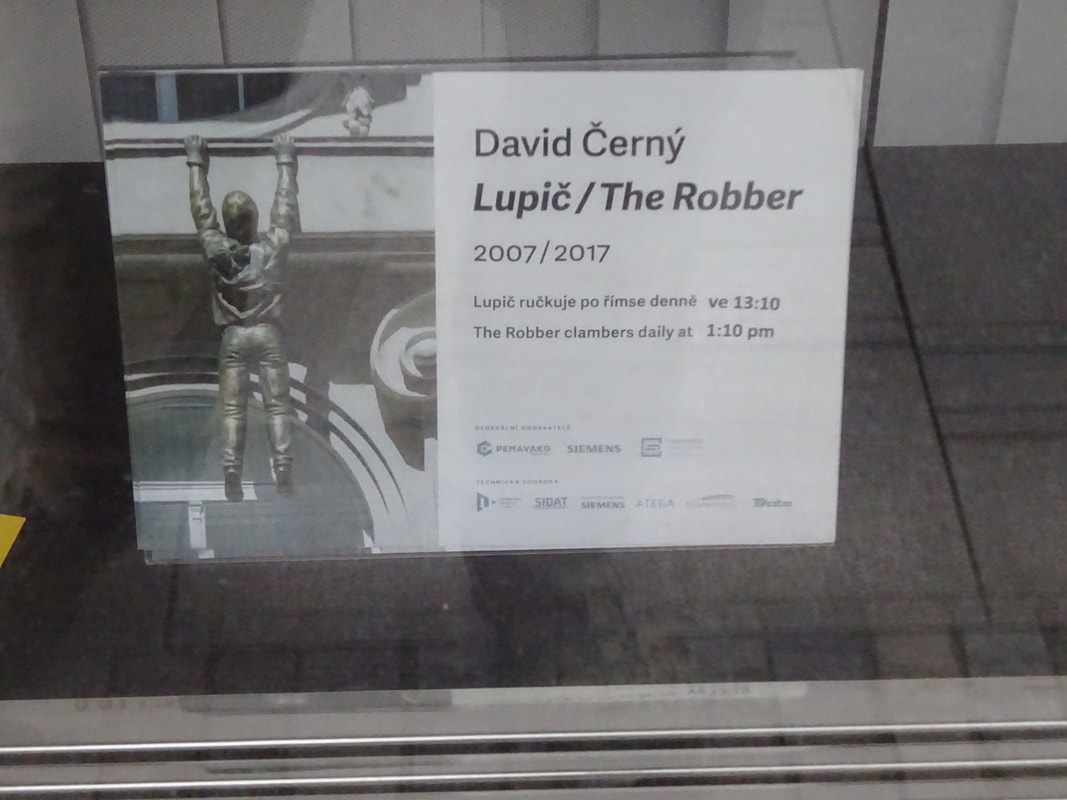
​We don't know what "clambers" entails - we weren't there at 1:10 pm.
Picture
Picture
At the backside of city hall, back on the central square.
Picture
Picture
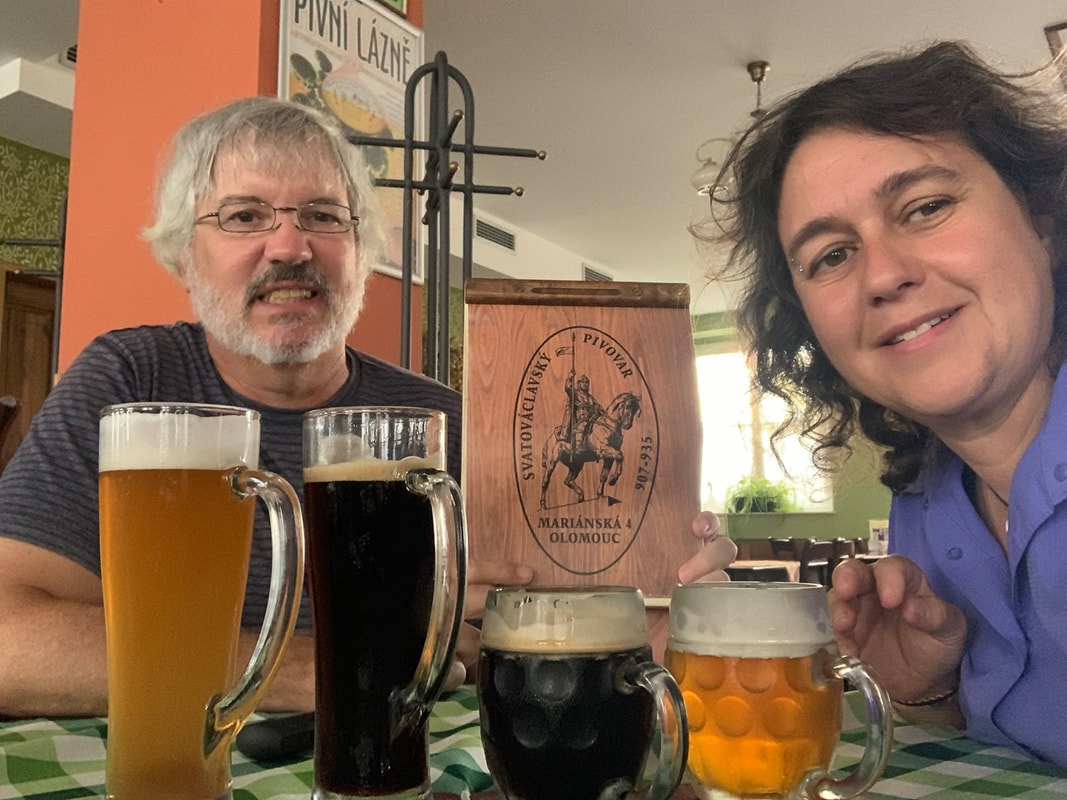
Our last brewery in the Czech Republic, and some grub.
Picture
0 Comments

Olomouc via Kroměříž

8/26/2022

0 Comments

 
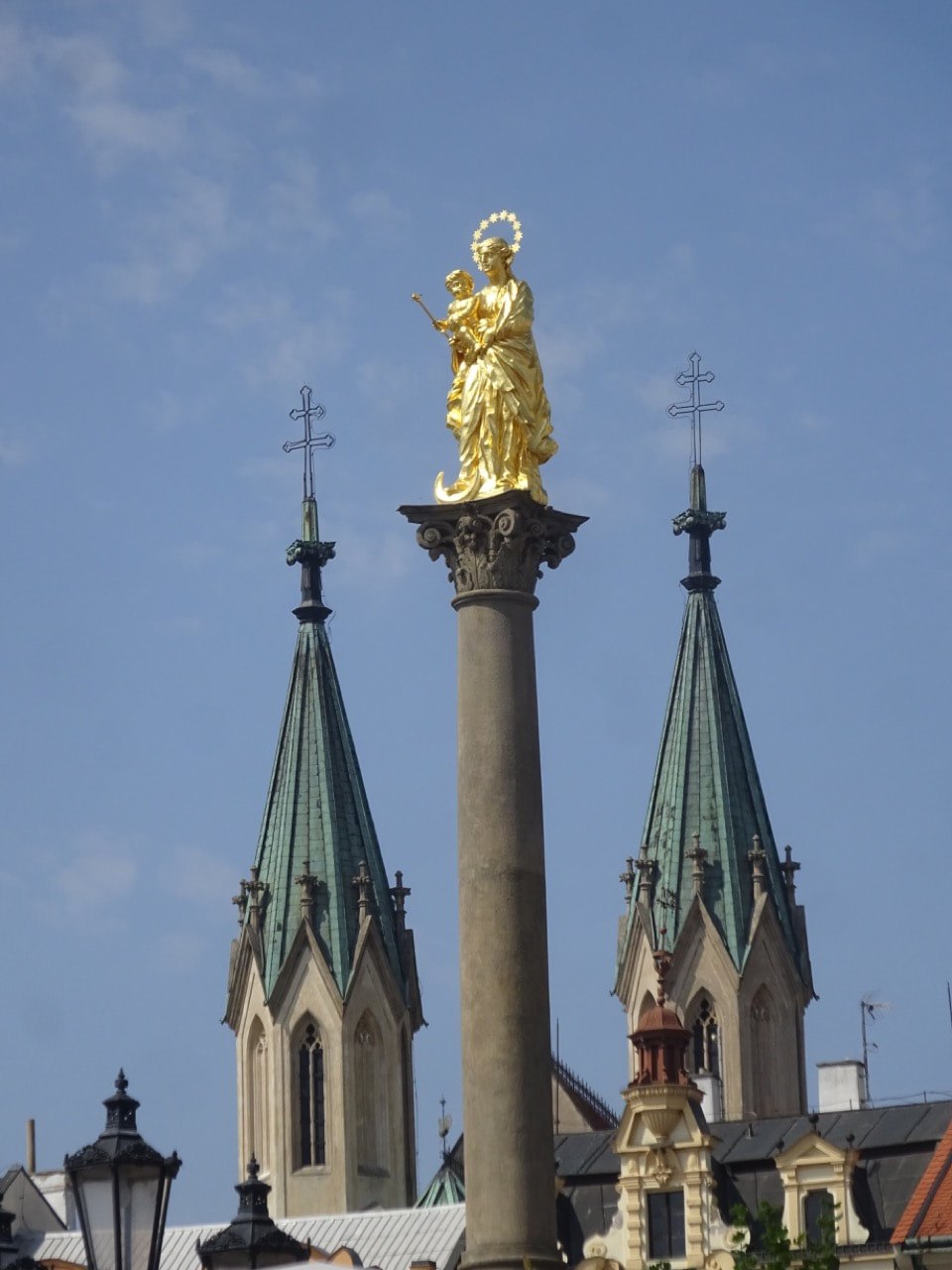
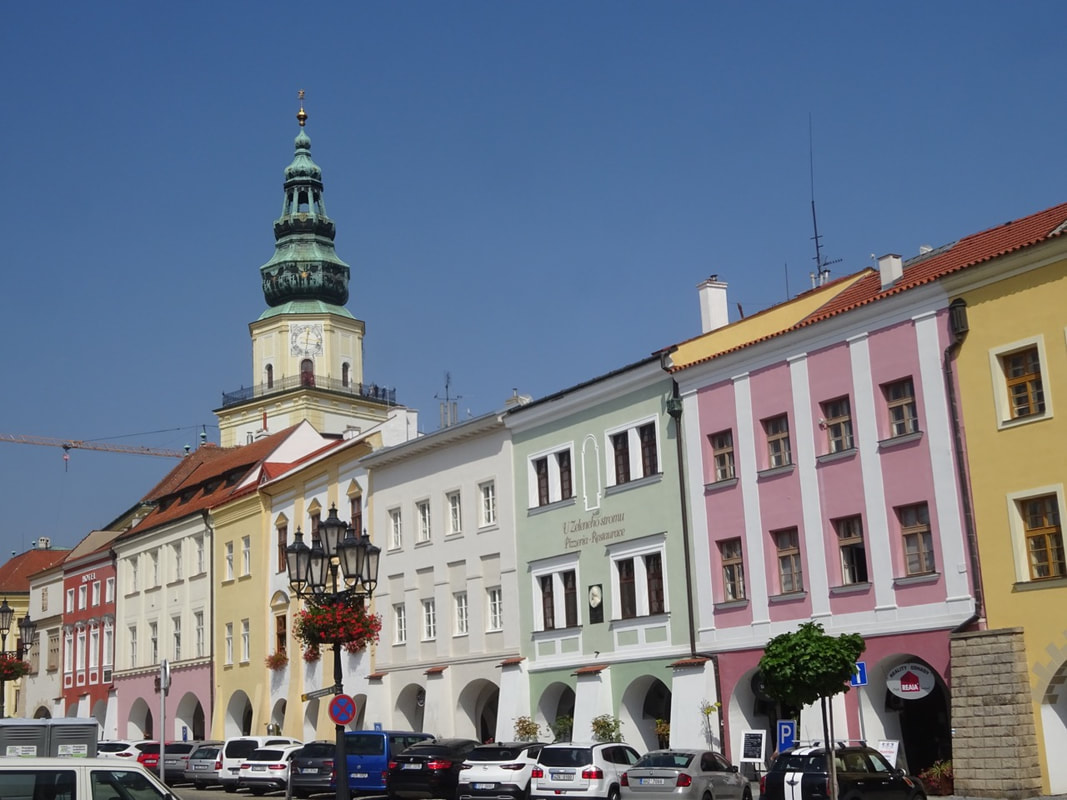
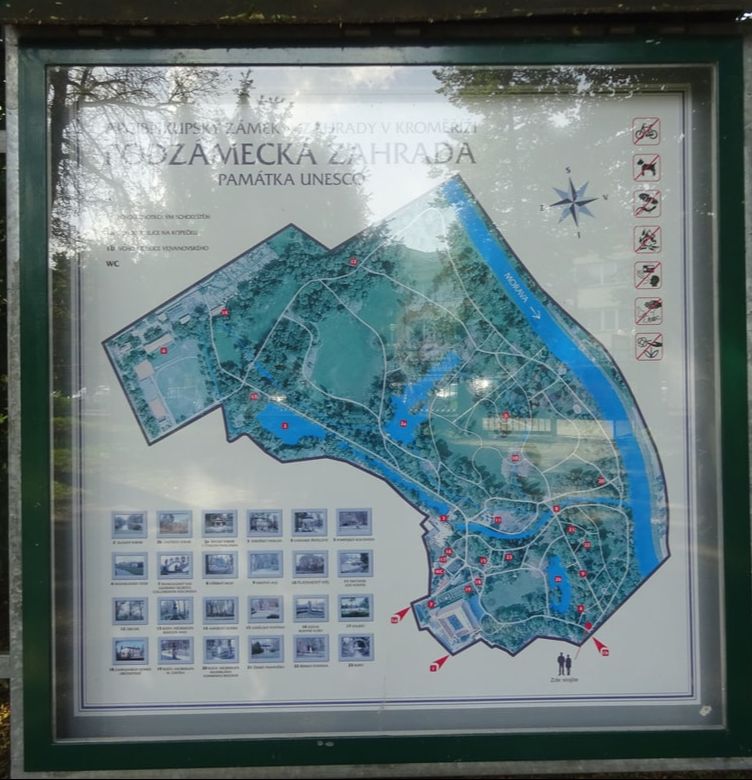
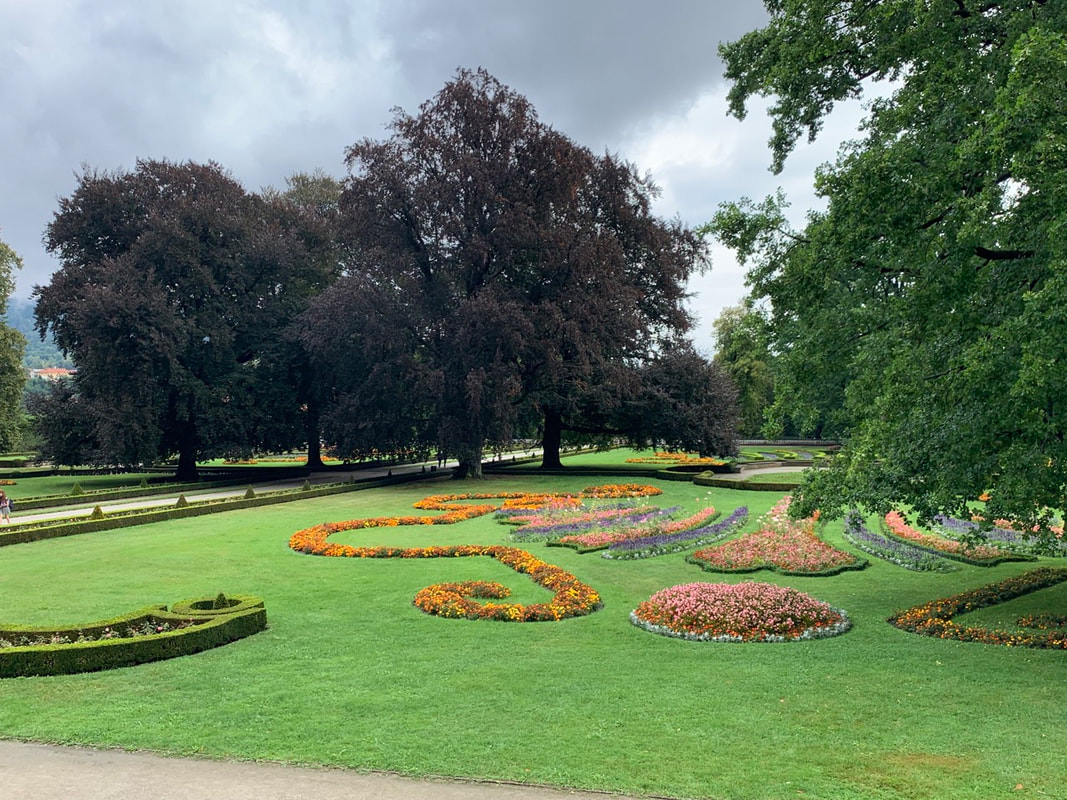
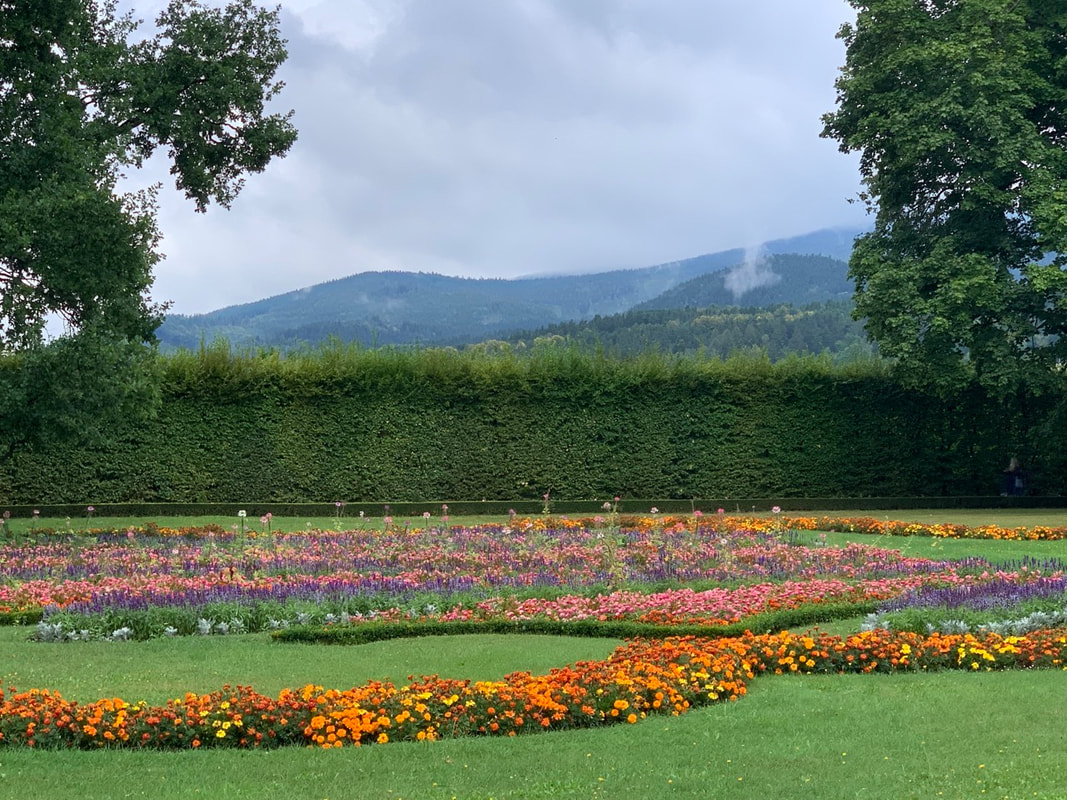
Kroměříž is a town in the Zlín Region of the Czech Republic with 28,000 inhabitants known for the Kroměříž Castle with castle gardens, which are a UNESCO World Heritage Site.
Picture
Picture
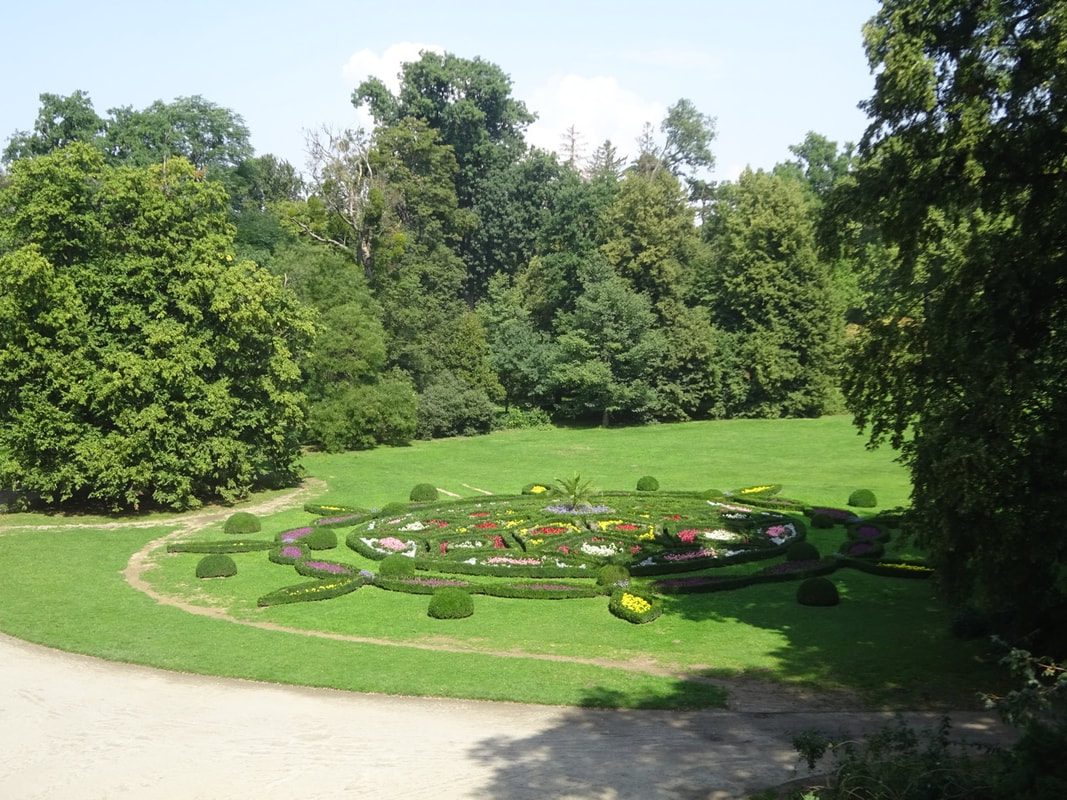
The castle and its tower lurks just beyond the central square.  The castle is essentially just a very large estate residence - nothing that spectacular - we came to see the "English" style massive garden adjacent to it.
Picture
Picture
Across from the castle, a strategically positioned water closet, about 40 cents for a clean well-stocked bathroom.
Picture
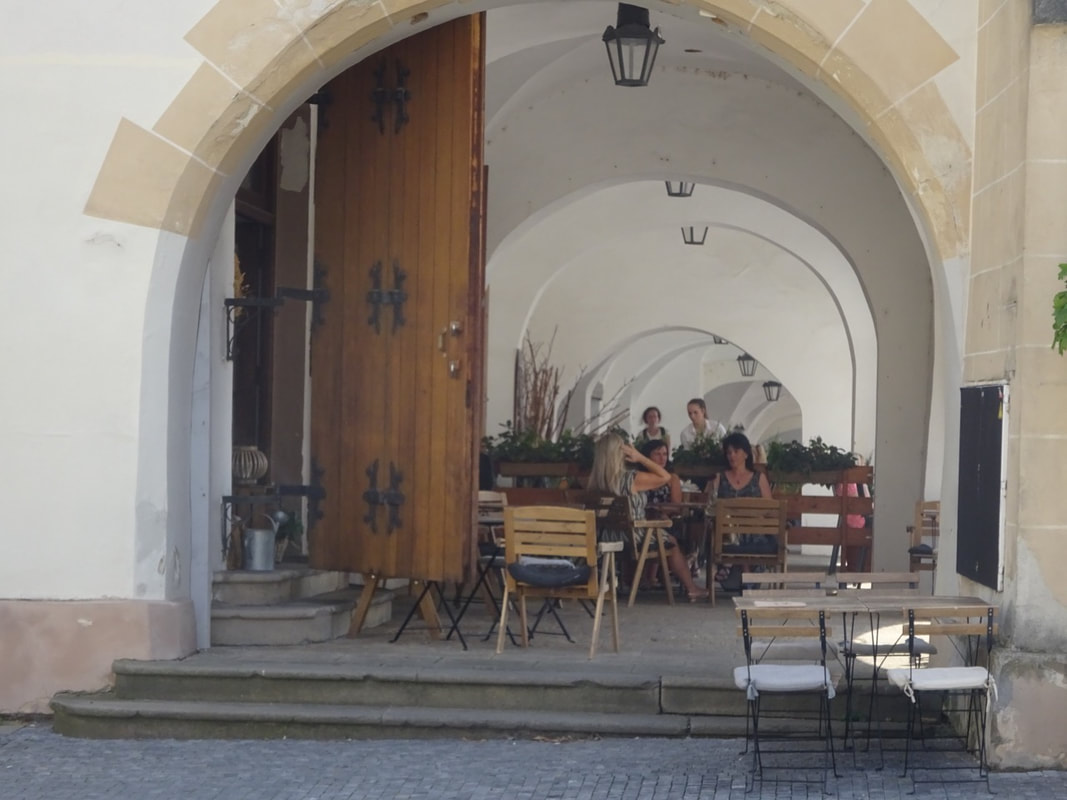
I think they only open and close this big door once per cafe opening cycle.
Picture

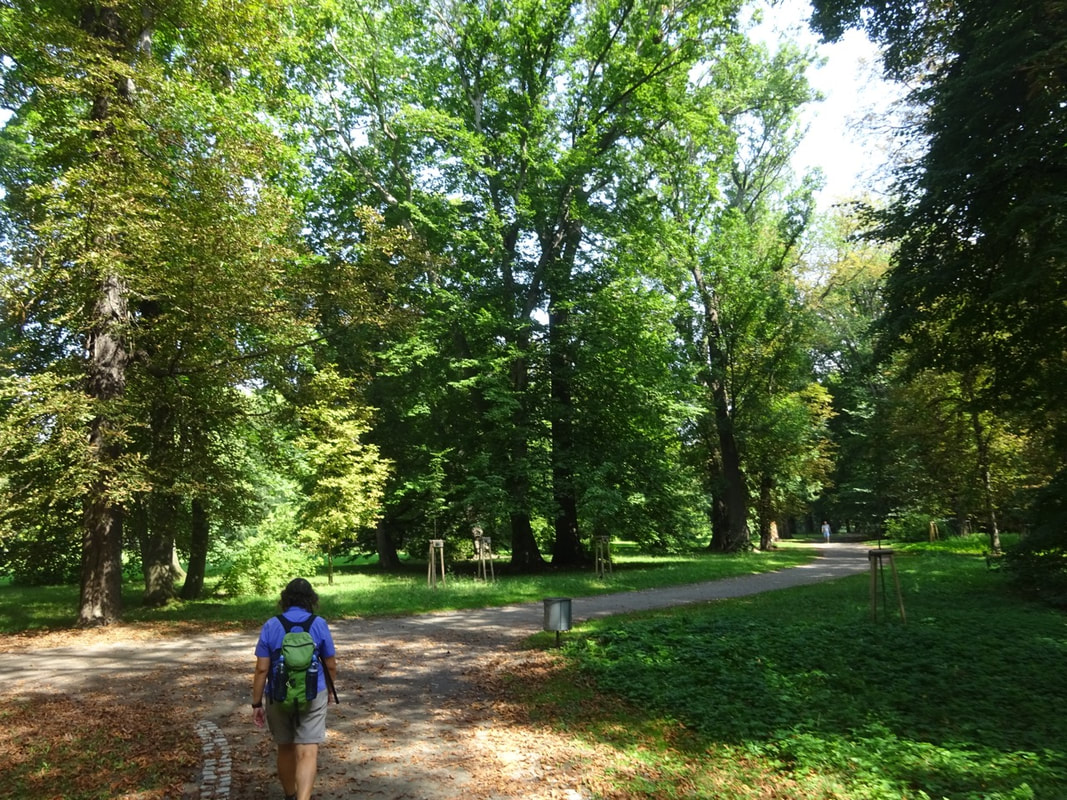
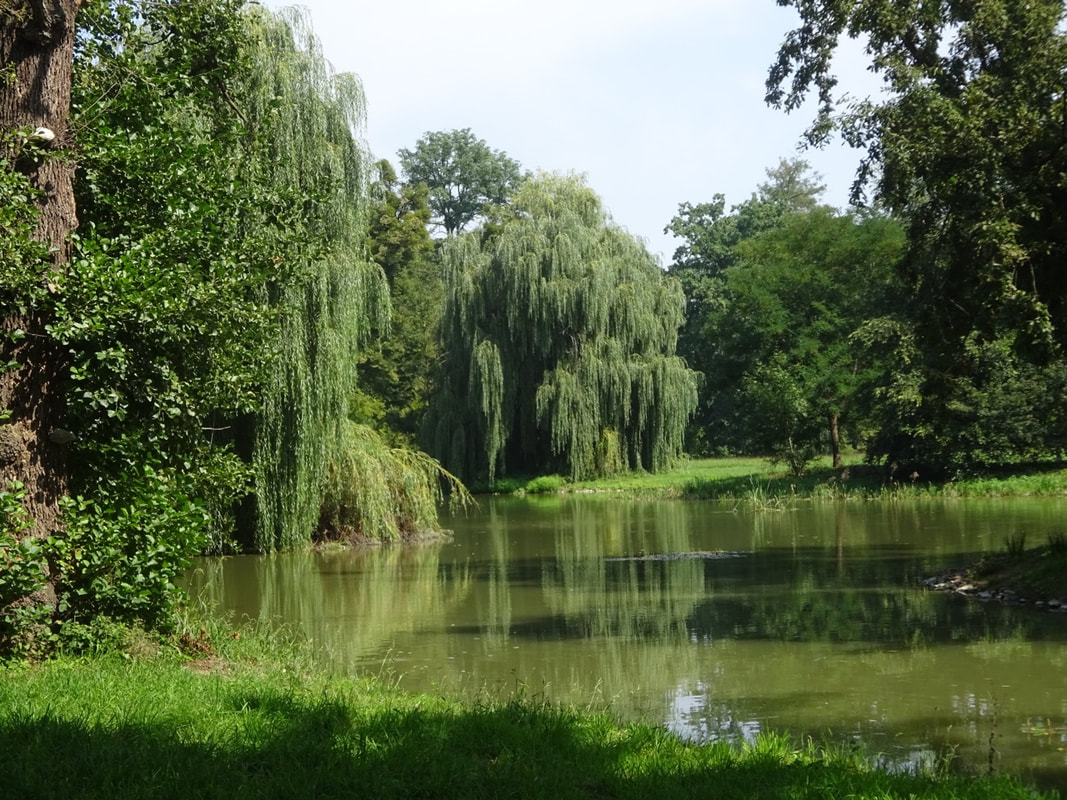
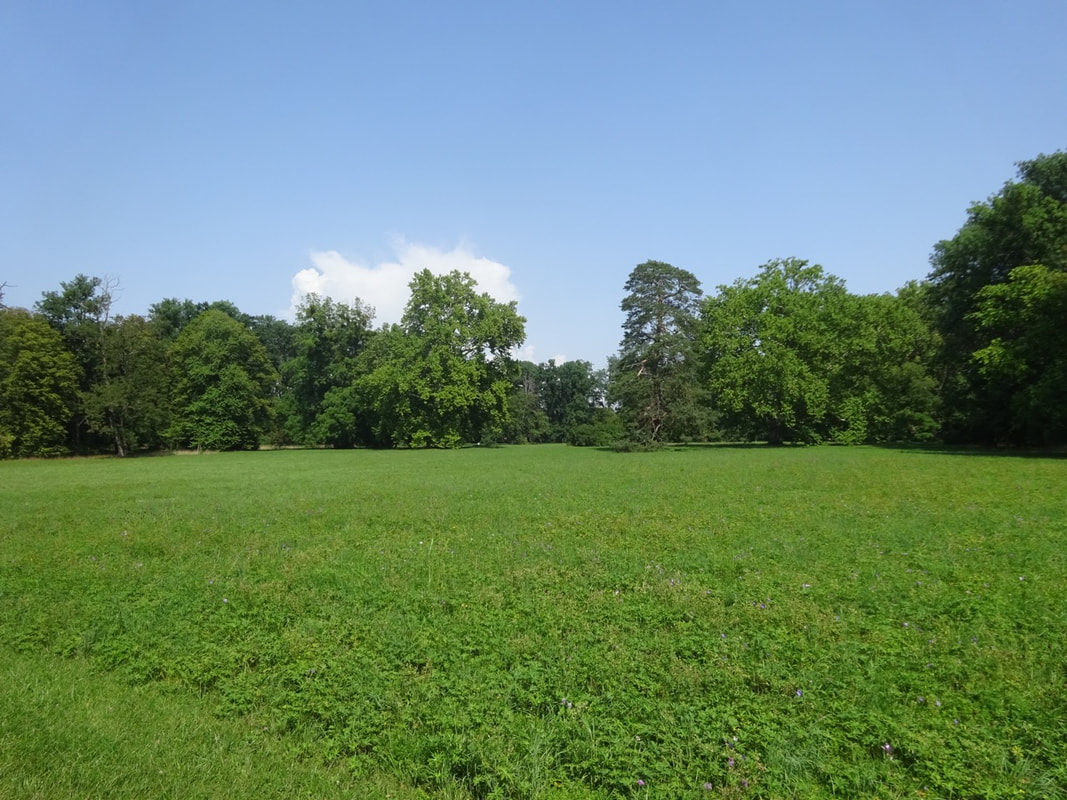
Now to the sprawling garden - google maps on the cell-phone allowed us to wander but not get lost - all the trails are clearly marked in google, we just moved our "blue dot" along the trail lines.
Picture
Picture
They experienced large floods here in 1997, but we didn't notice any lingering issues today.
Picture
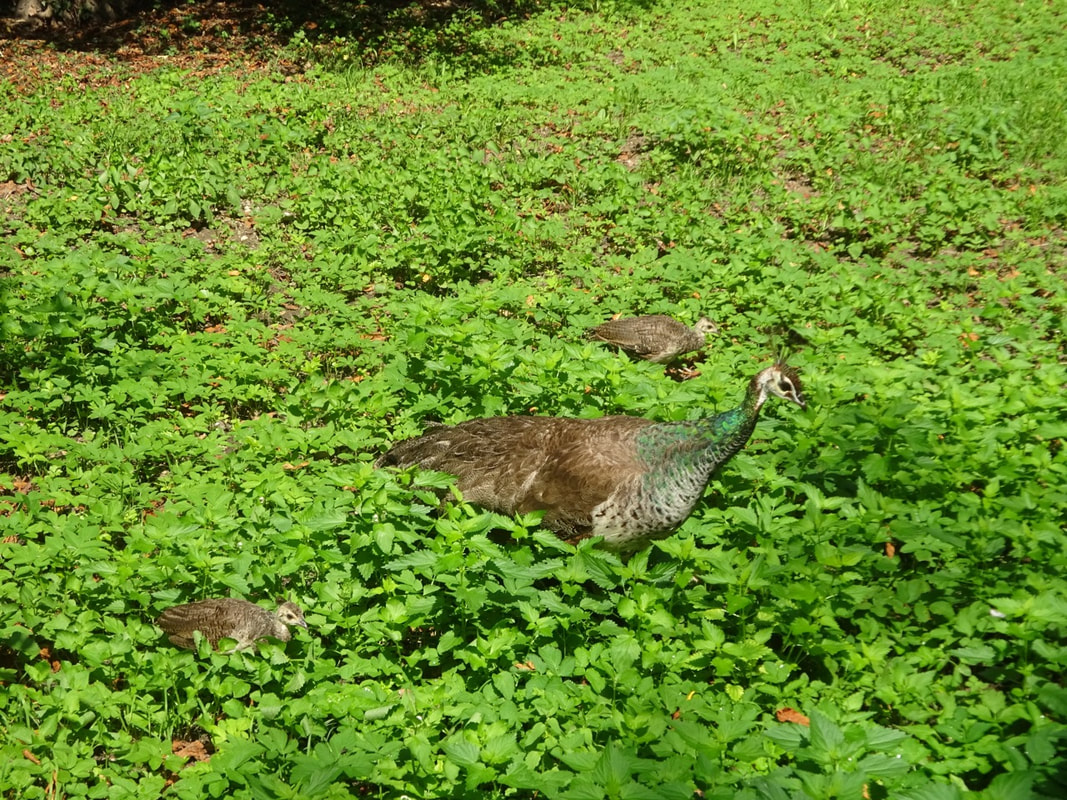
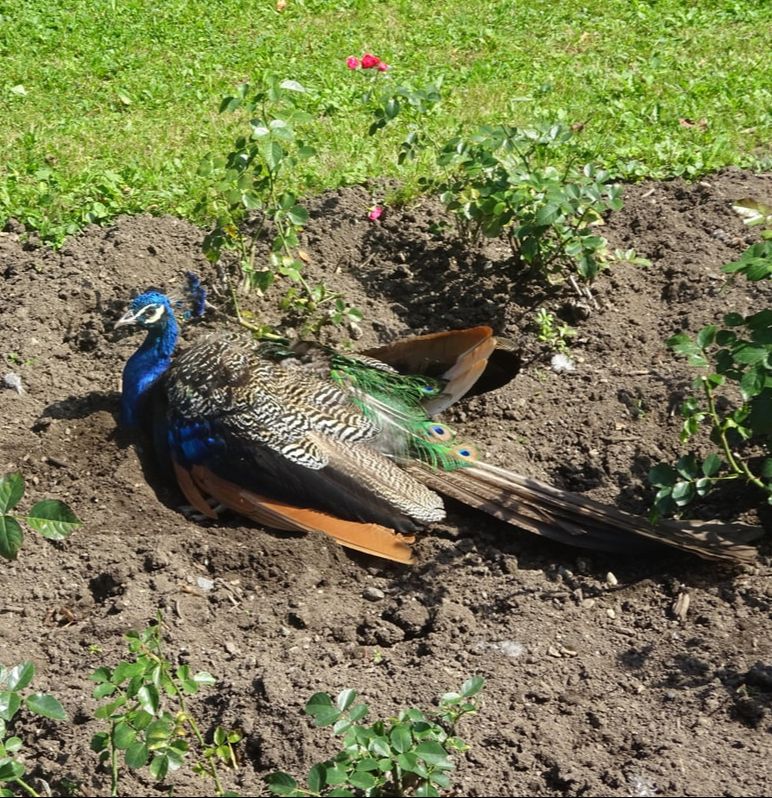
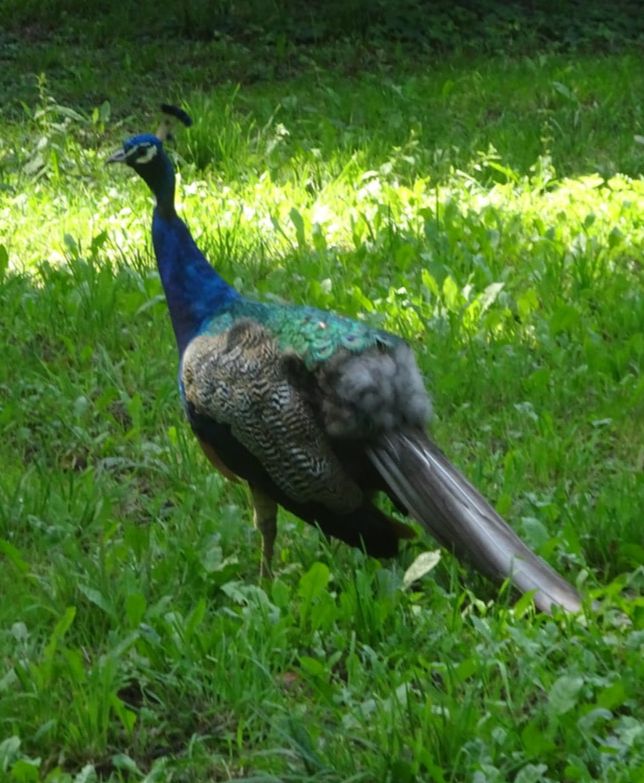
Peacock mom and babies on the prowl for bugs.
Picture
Picture
Picture
Picture
Picture
Picture
Picture
They even accommodate the "old" people to see it all.
Picture
Picture
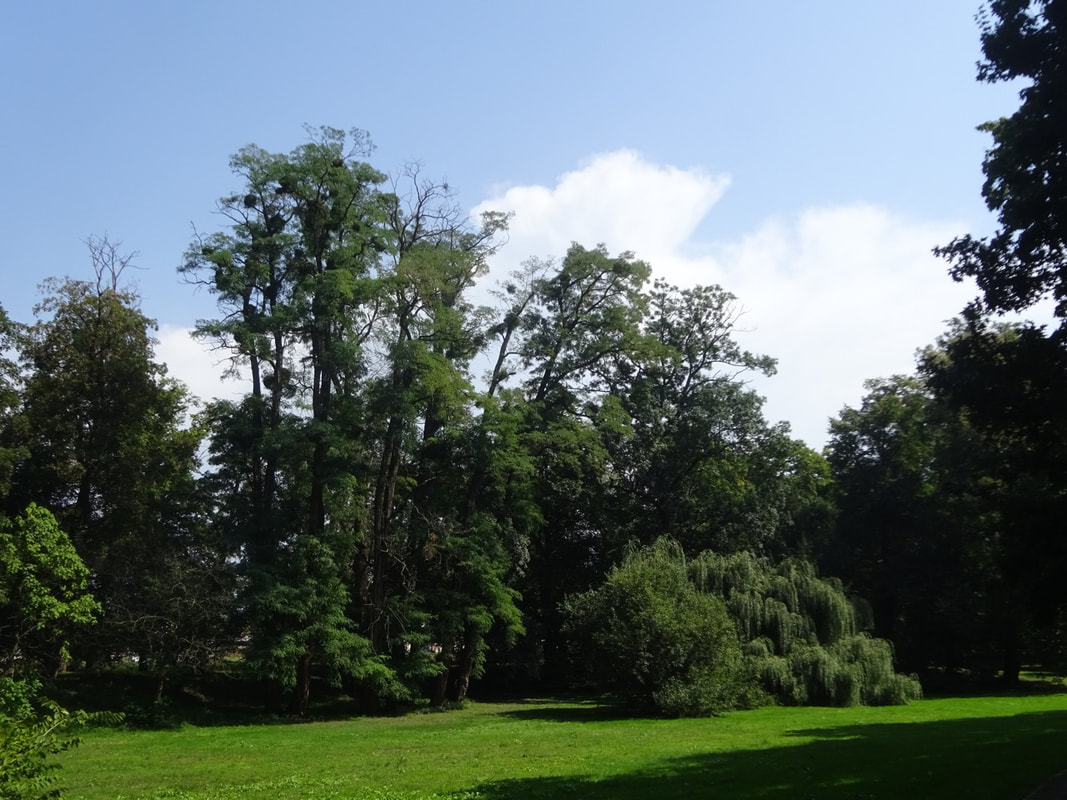
See the mistletoe clumps in the tree tops.
Picture
 

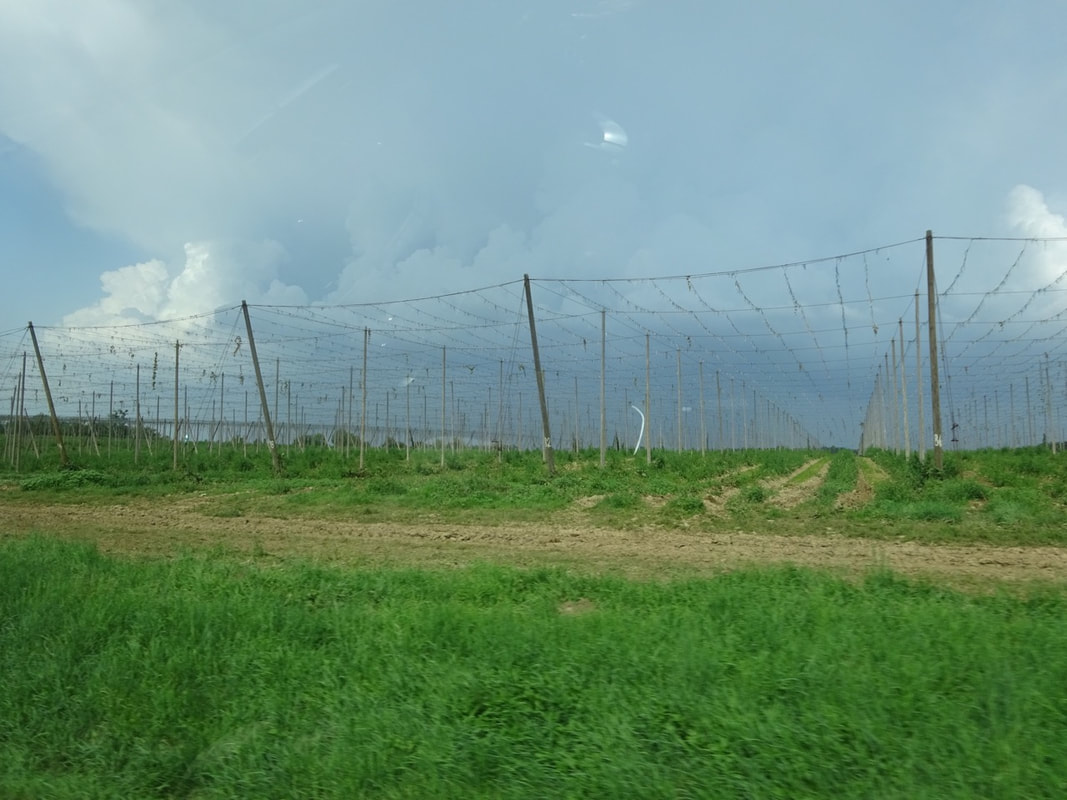
Now off to Olomouc, our overnight town, and the last one we'll visit in the Czech Republic.  Inviting sights along the way...

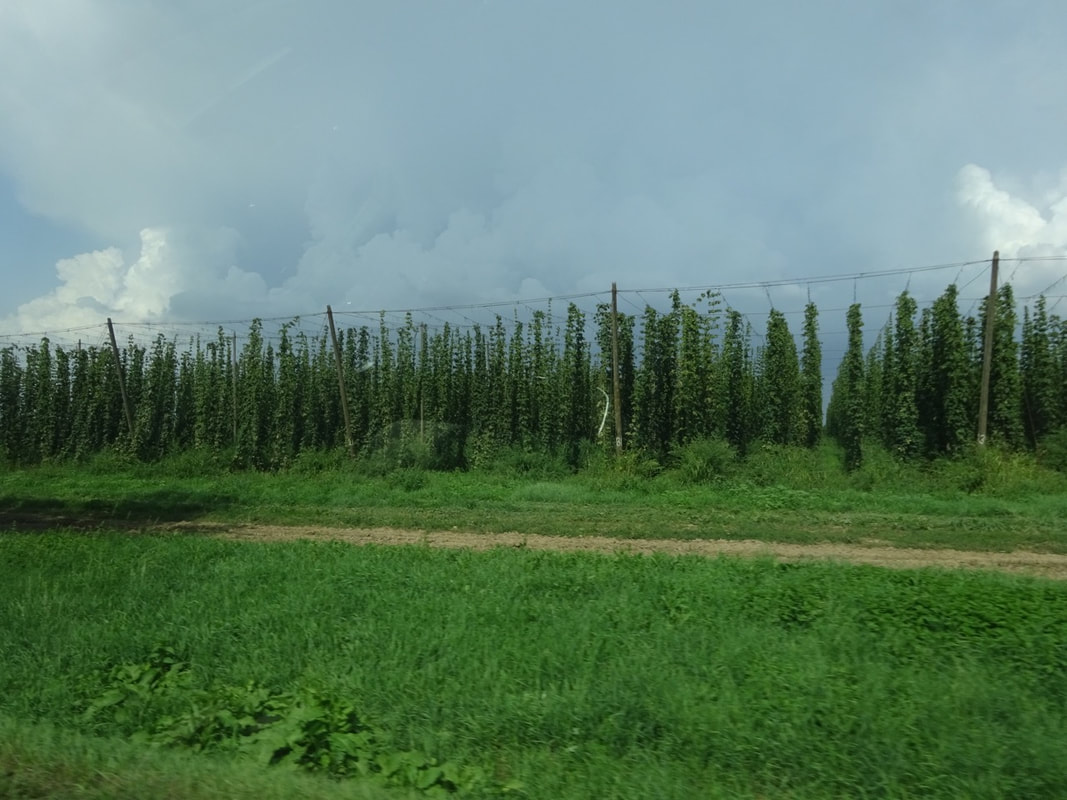
Hop-less....                                                                            Hop-full....
Picture
Picture
Mmmmmmmm, hops....
Picture
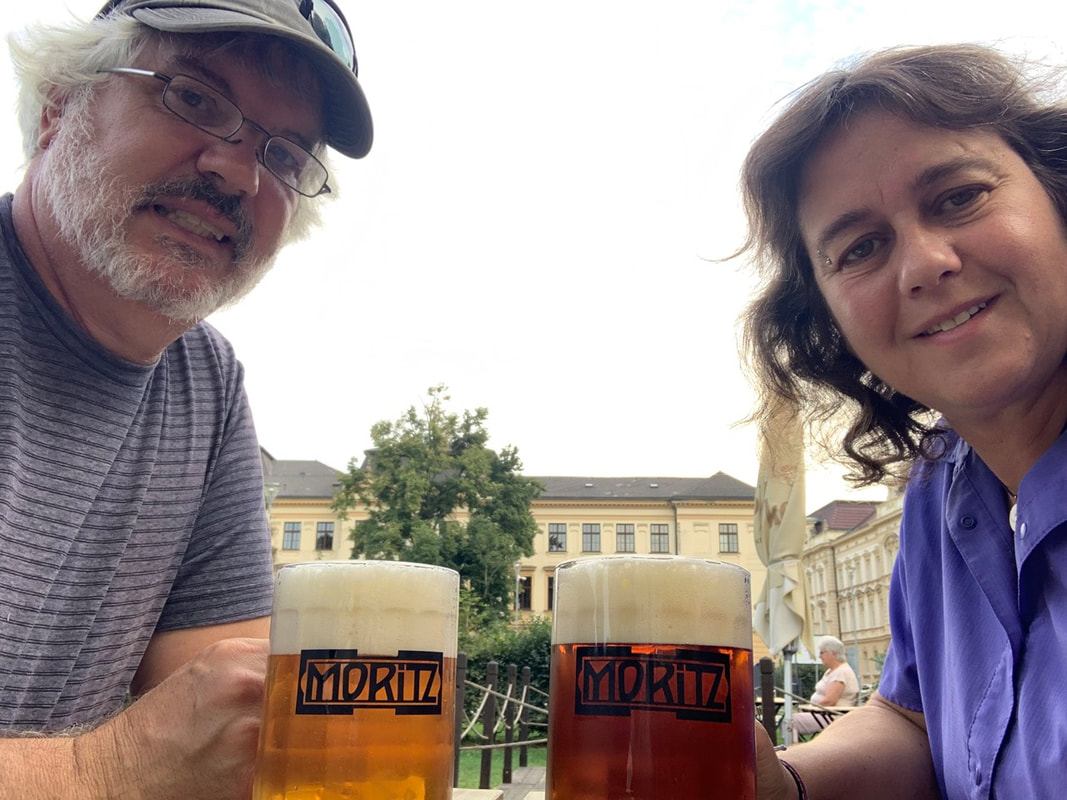
View from the pivovar ("brewery") garden seating in Olomouc:
Picture
Fancy digs - probably a baron residence originally, now sub-divided into multiple apartments and some offices.
Picture
0 Comments

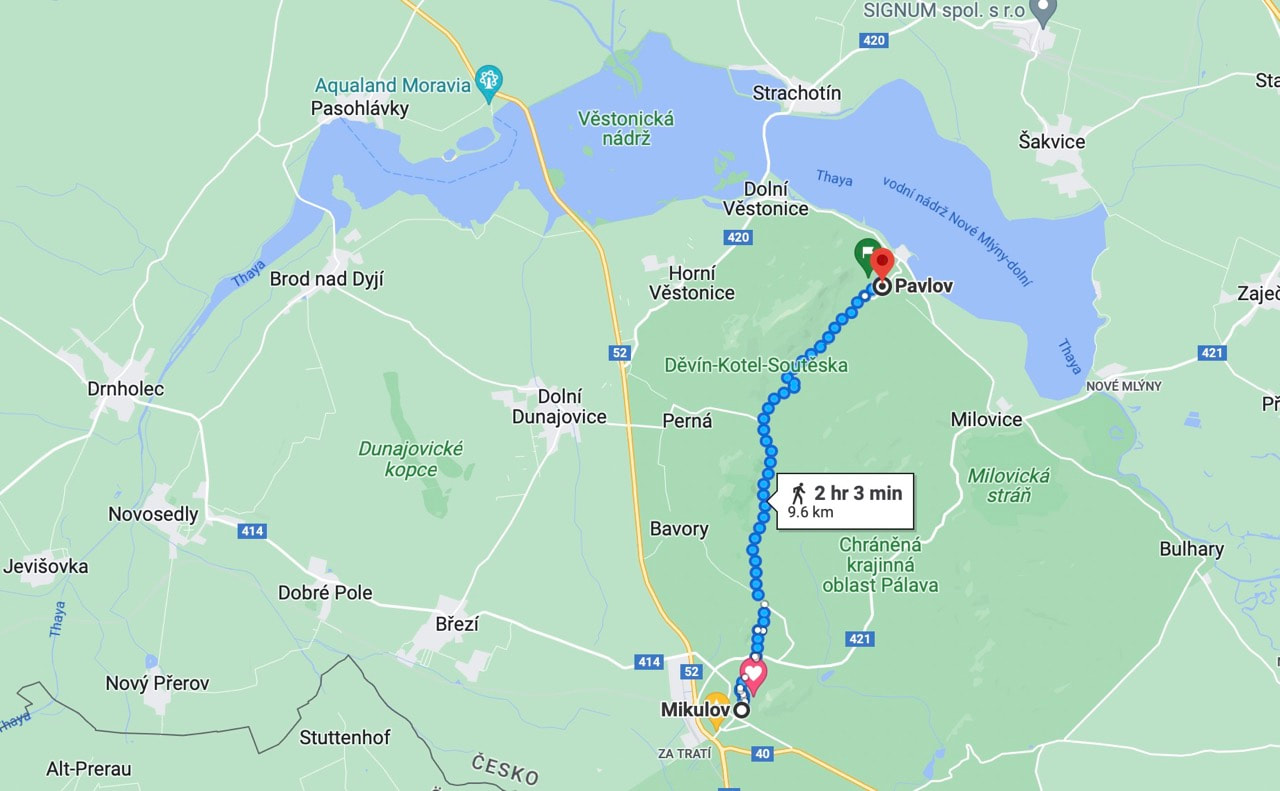
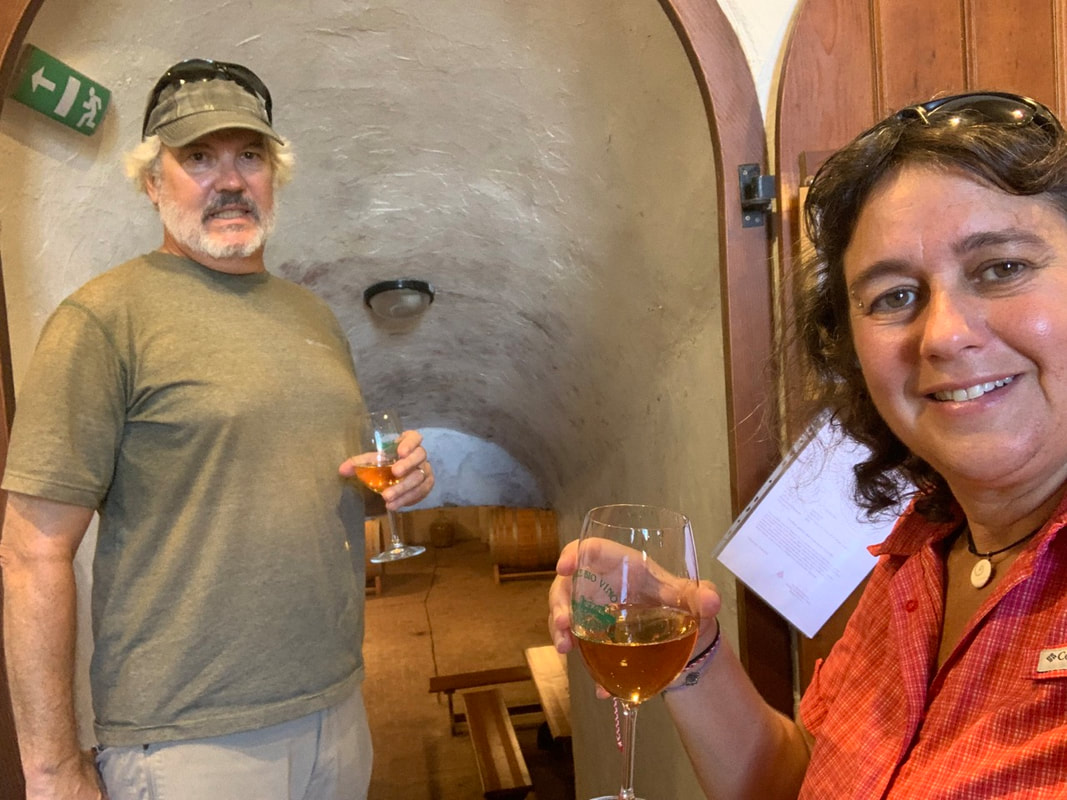
Brief Tour of Mikoluv, then Hike to Pavlov (Think Wine)

8/25/2022

0 Comments

 
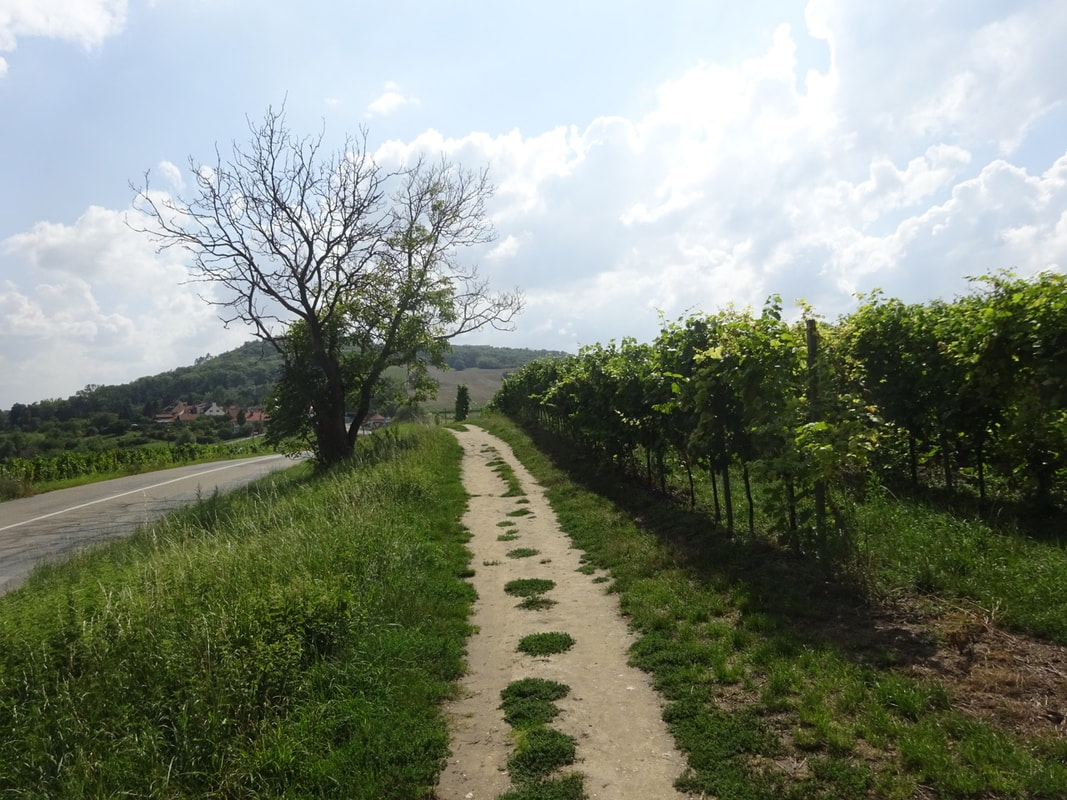
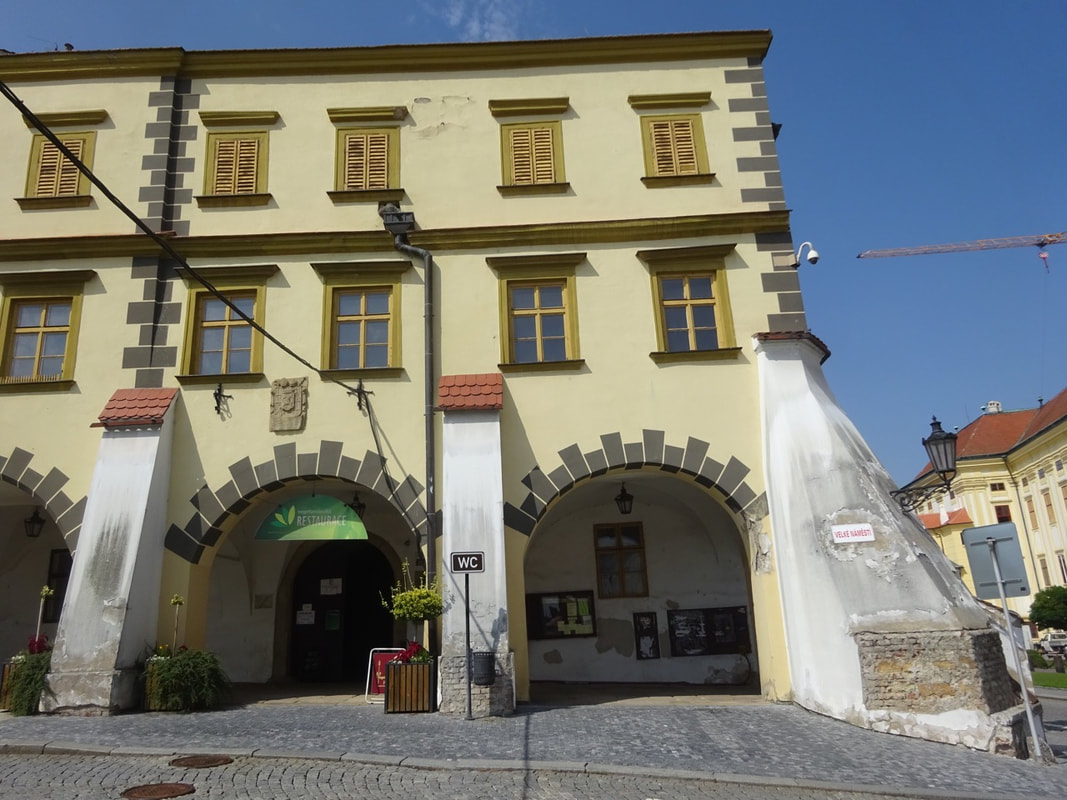
We find ourselves in Mikoluv, right on the Austrian border, an hour's drive from Vienna, an hour fifteen from Bratislava, in the middle of the Moravian wine region of Czechia.  Mikoluv lies on the ancient amber road and had became a haven for displaced Jews in the 1400's.  

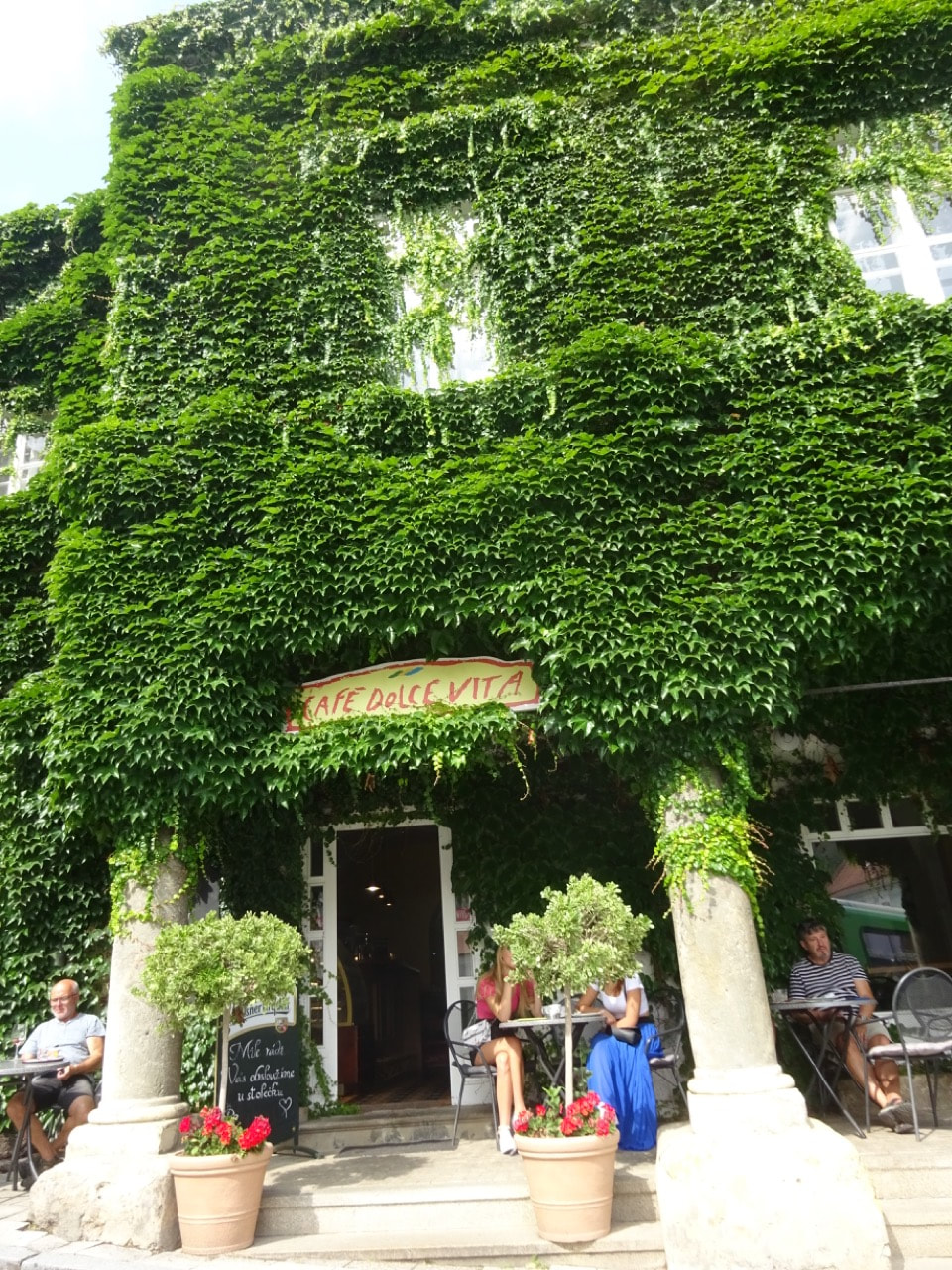
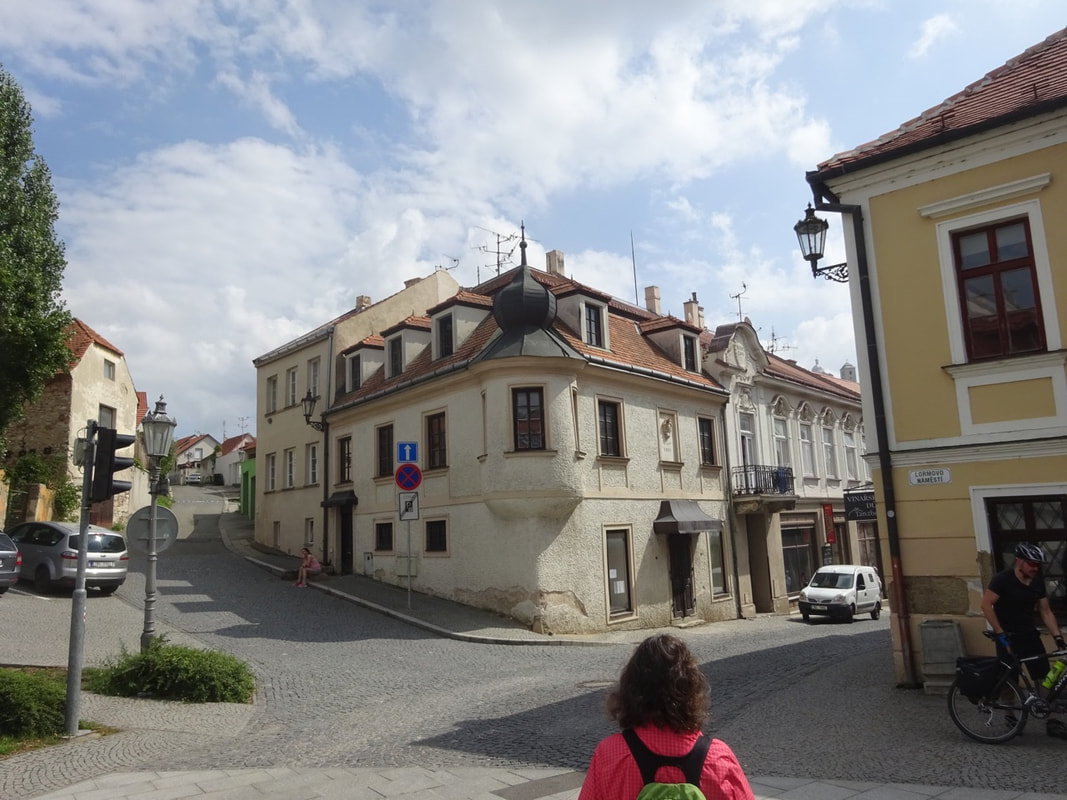
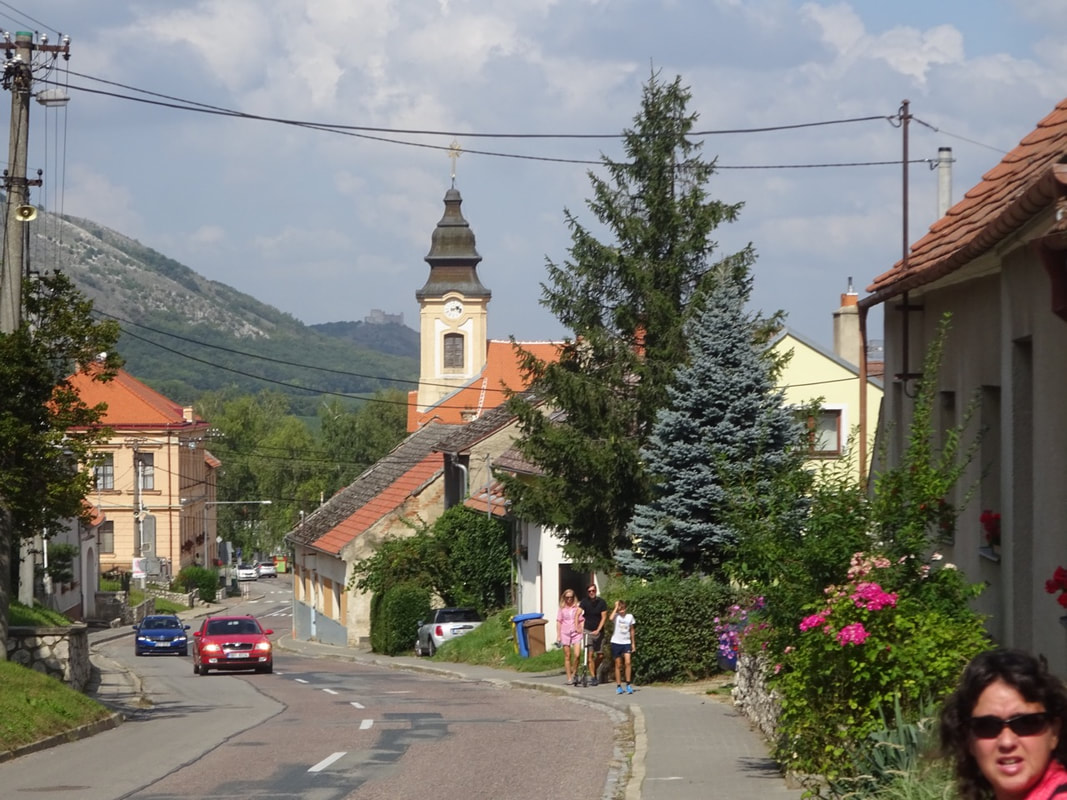
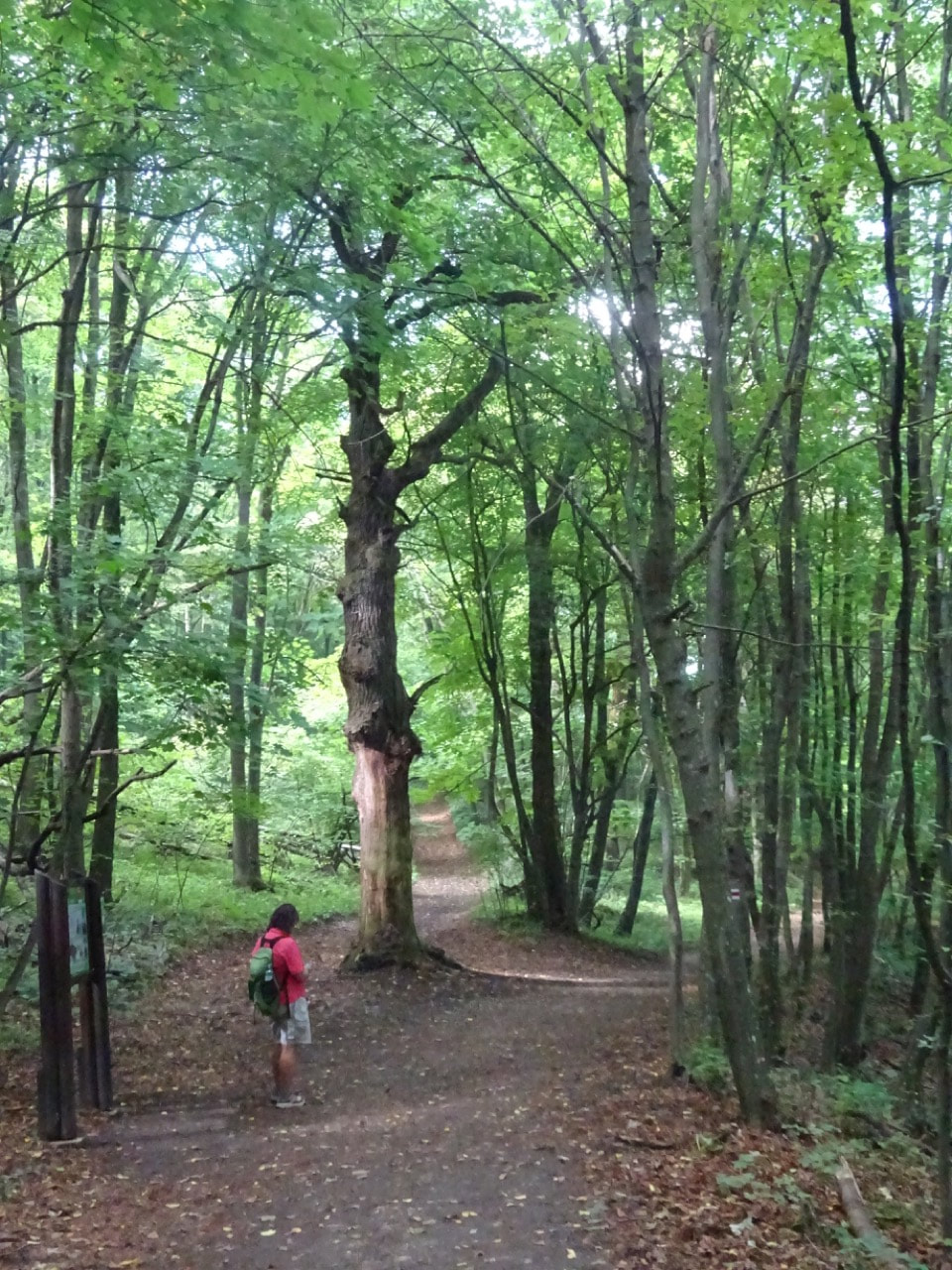
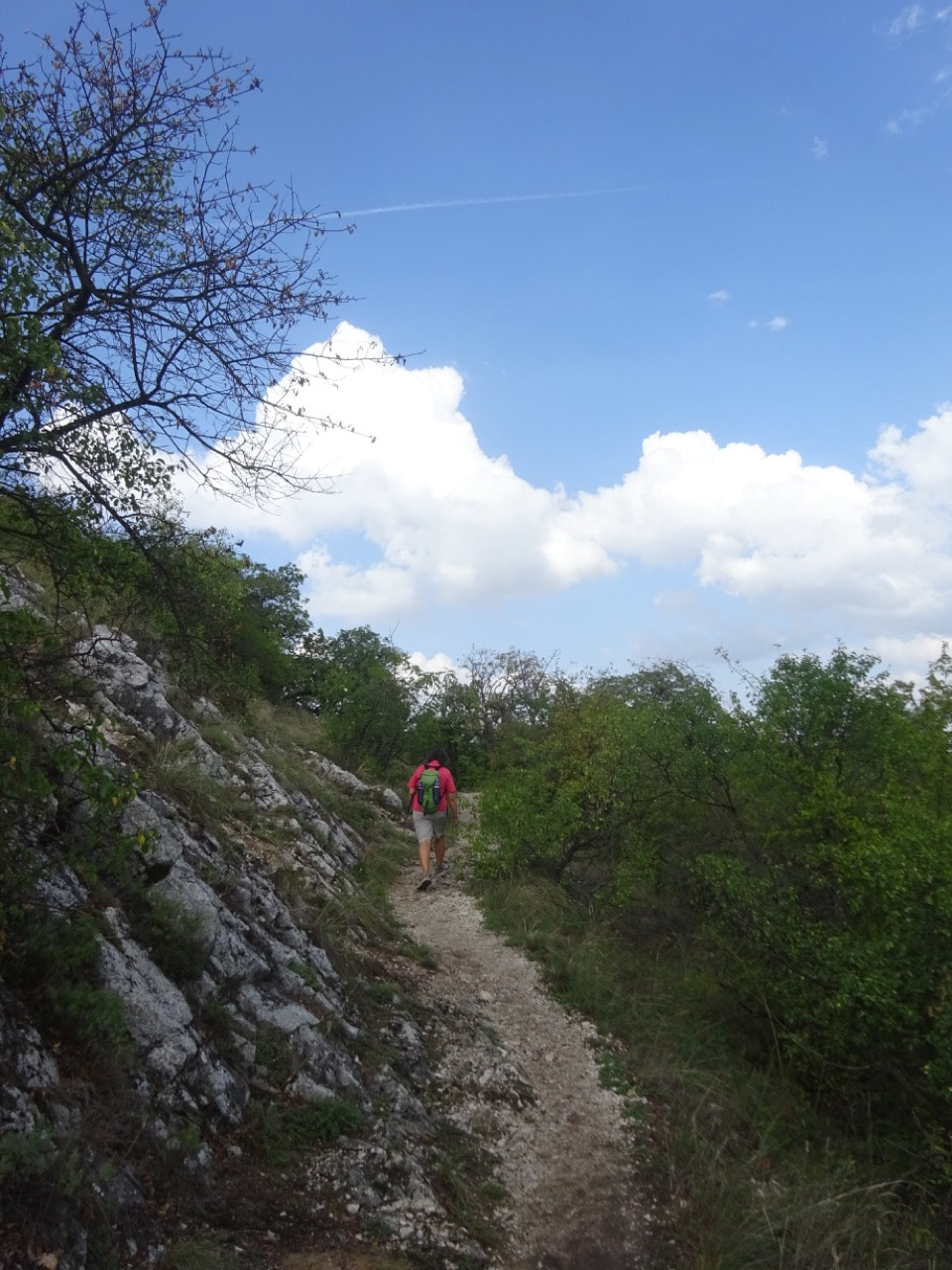
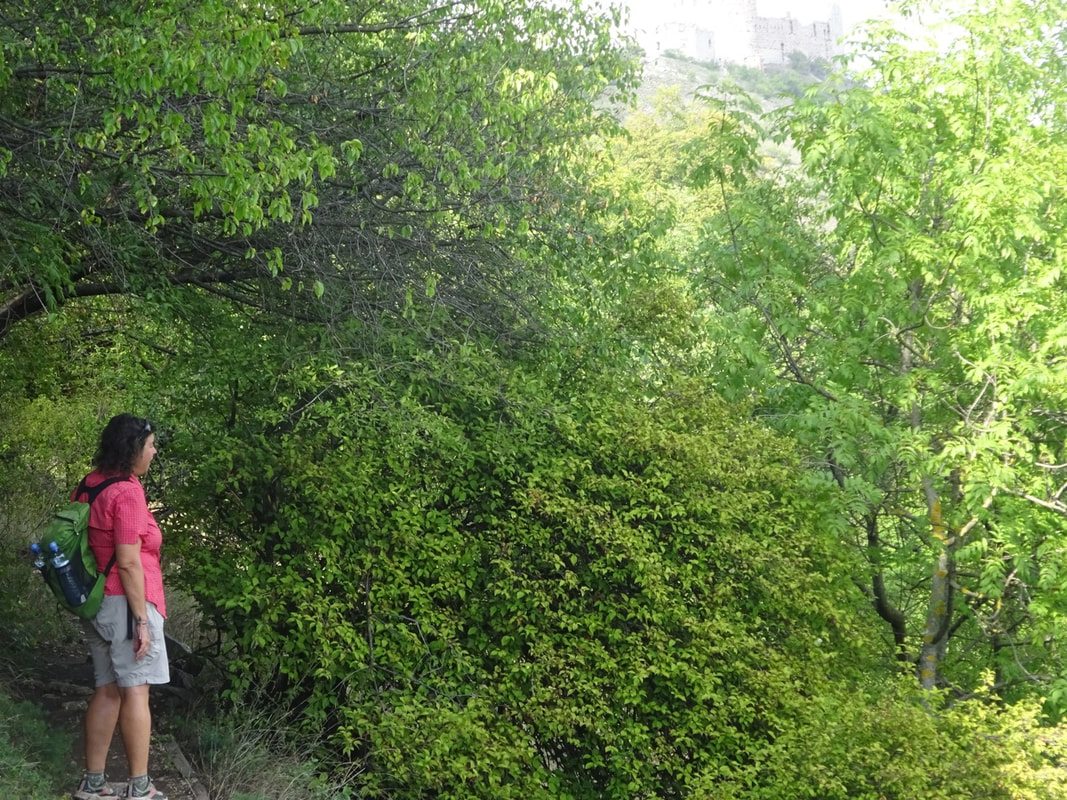
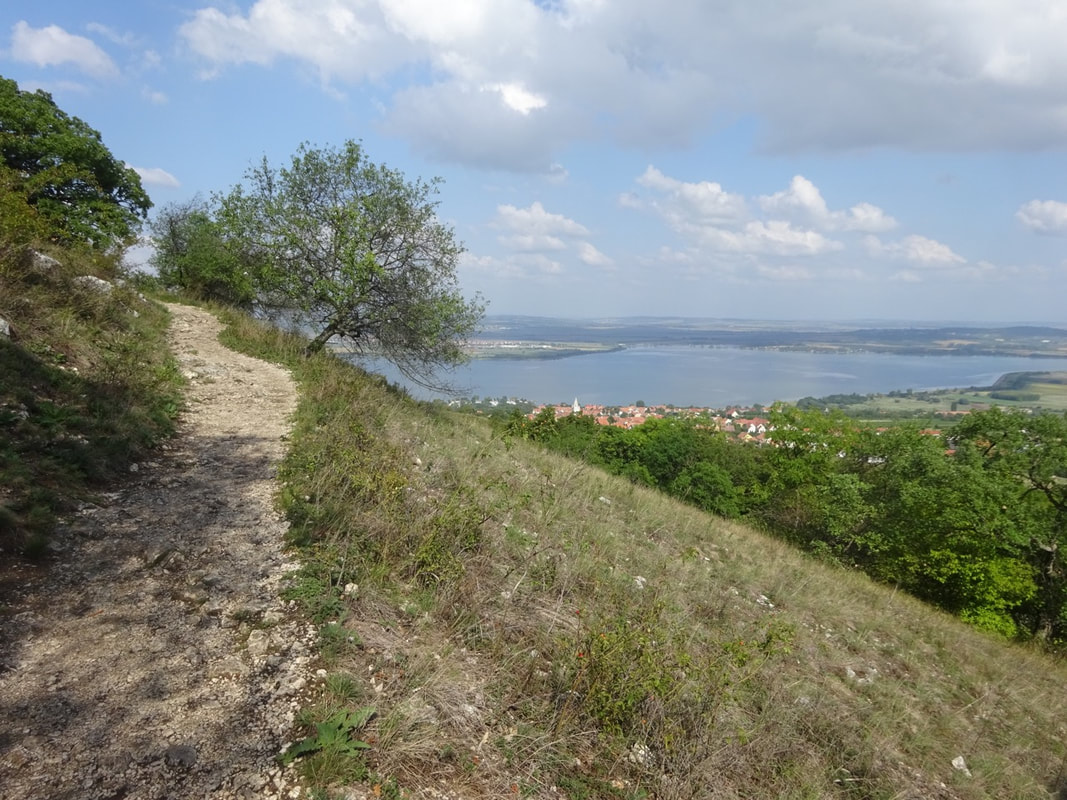
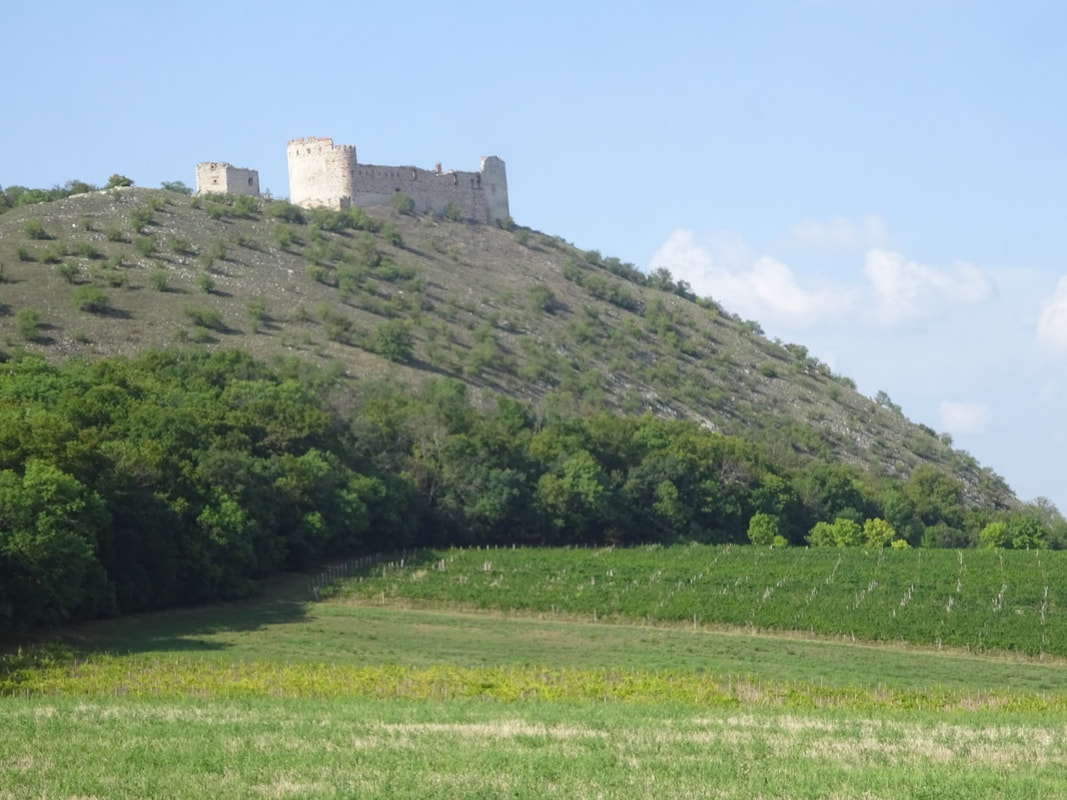
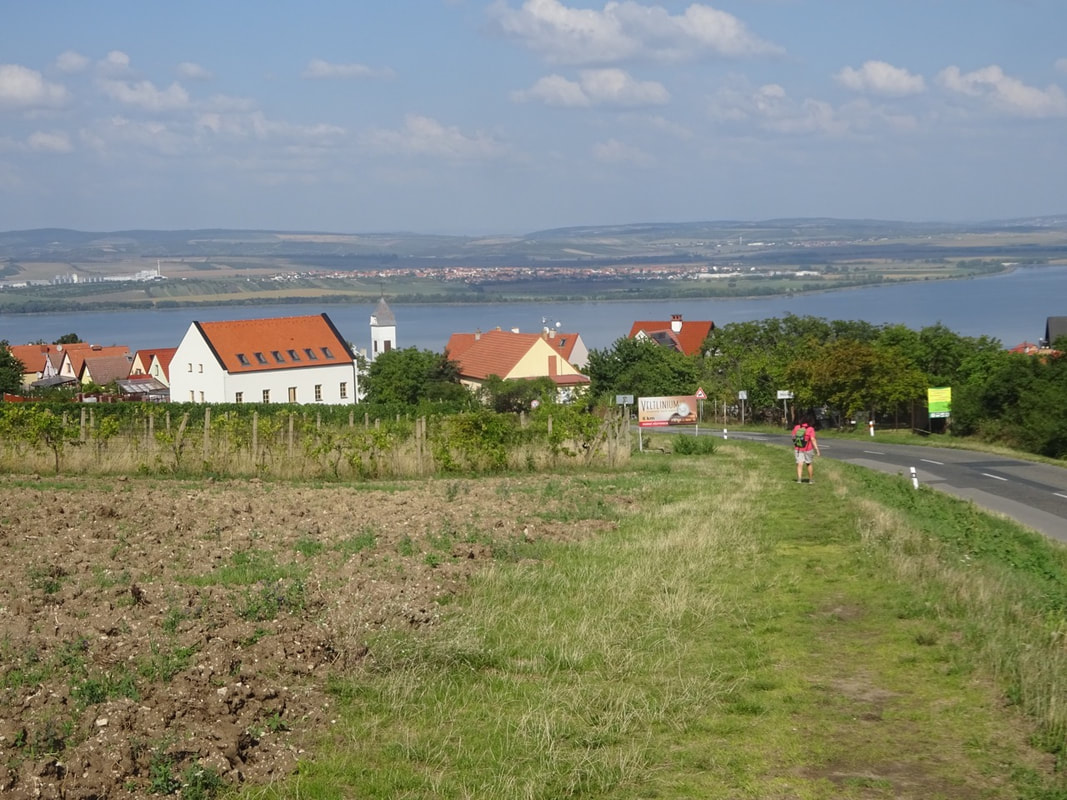
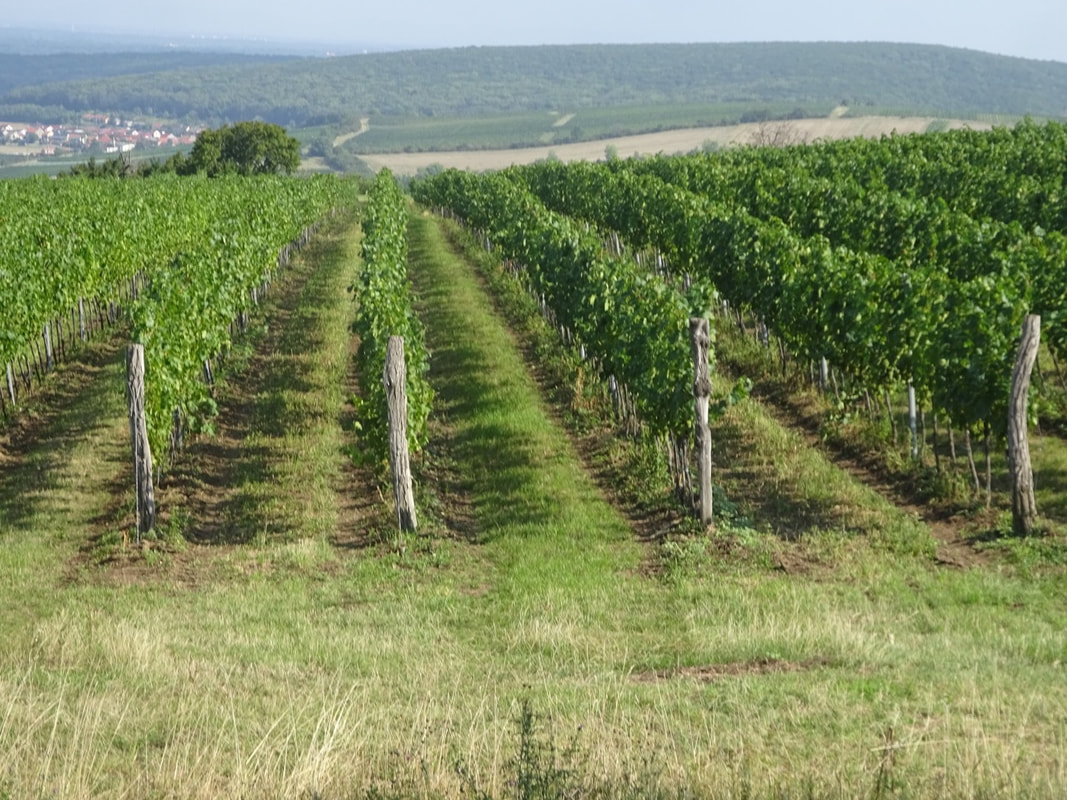
Mikoluv is a charming little big town, with all the amenities for travelers like us (food and lodging).  We're here for a big hike though through a picturesque countryside, although there are things worth seeing at the front end as we stroll across Mikoluv to then start our hike to Pavlov.
Picture
Picture
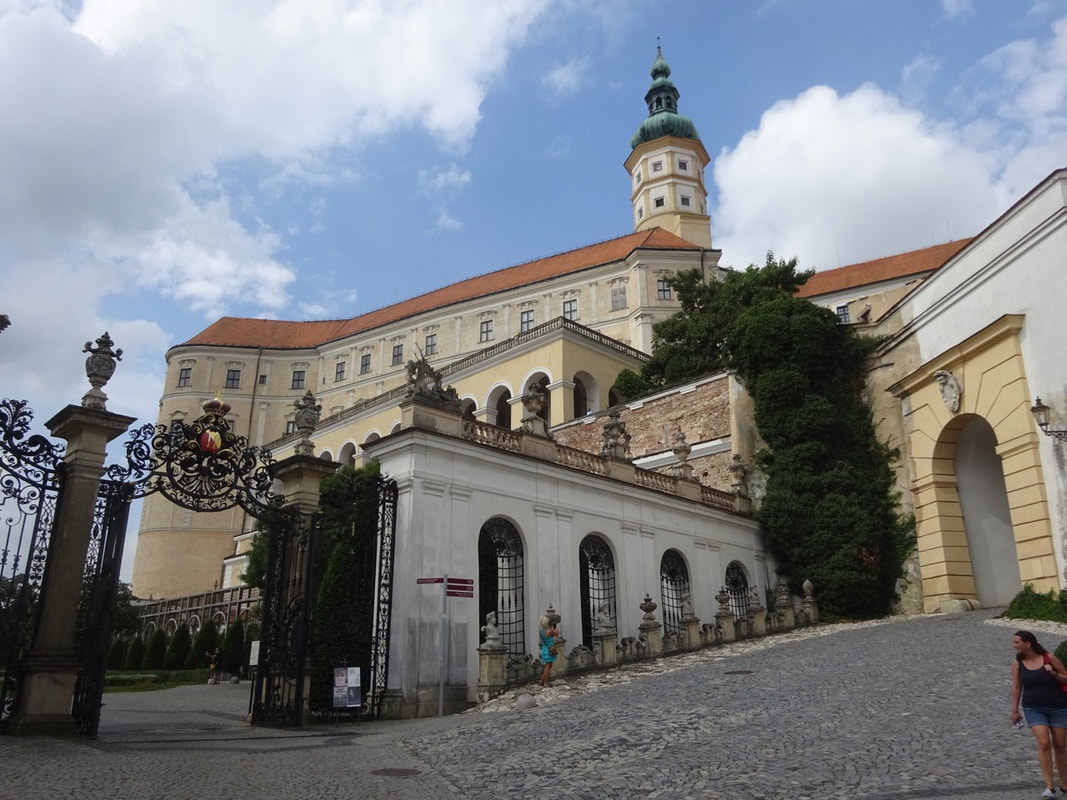
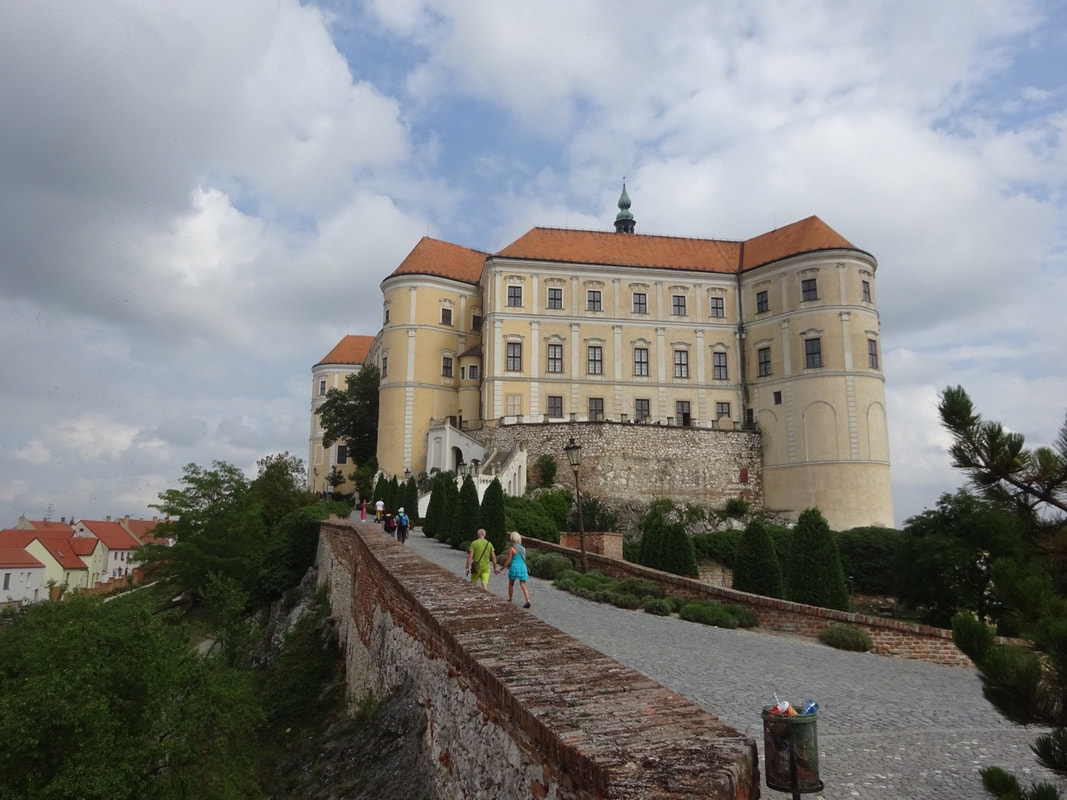
This chateau burned at the end of WWII, but was restored in 1950.
Picture
Picture
Picture
Picture
Picture
Picture
Picture
Picture
Picture
We see the synagogue up ahead, restored with funding from the European Union.
Picture
Picture
Picture
Picture
Picture
Picture
Picture
Picture
Picture
Two roads diverged in a wood (town in this case), and I (we) took the one less traveled by, and that has made all the difference.  --Robert Frost
Picture
Picture
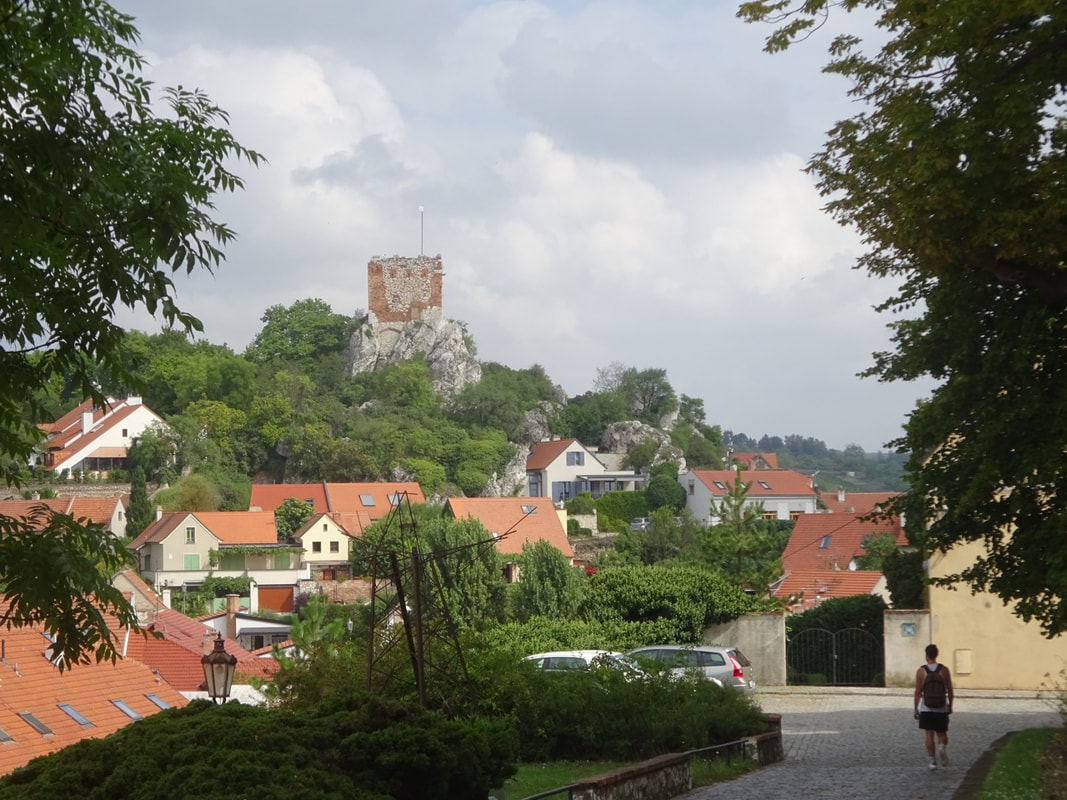
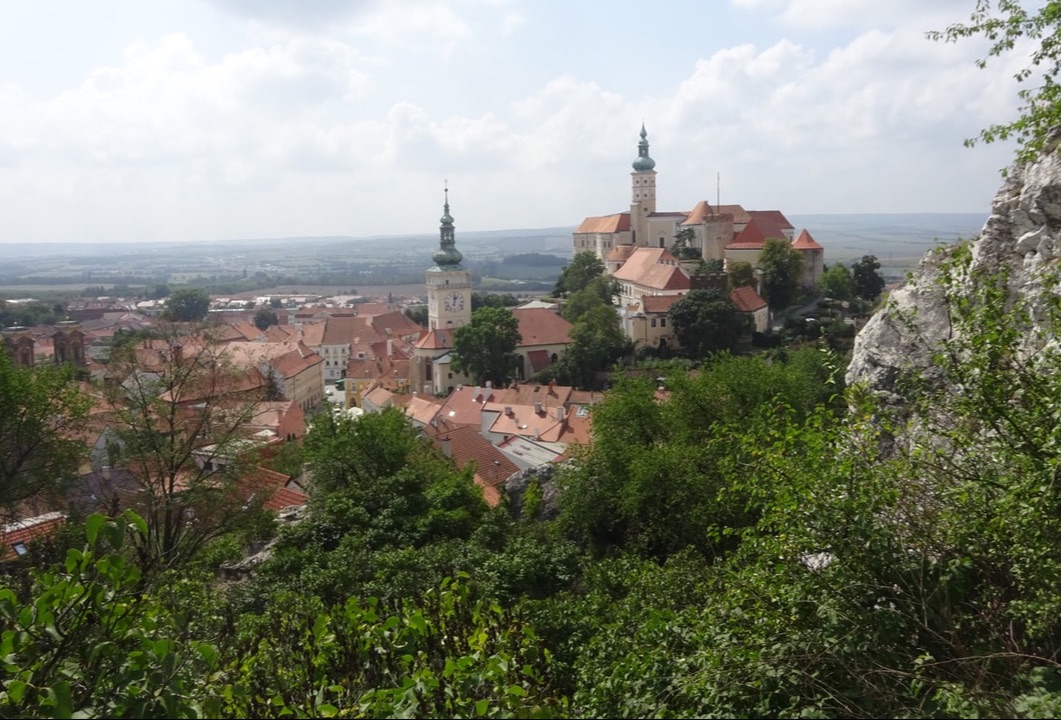
After leaving town, and climbing to the first high perch, we get a good view of the town's chateau and square.
Picture
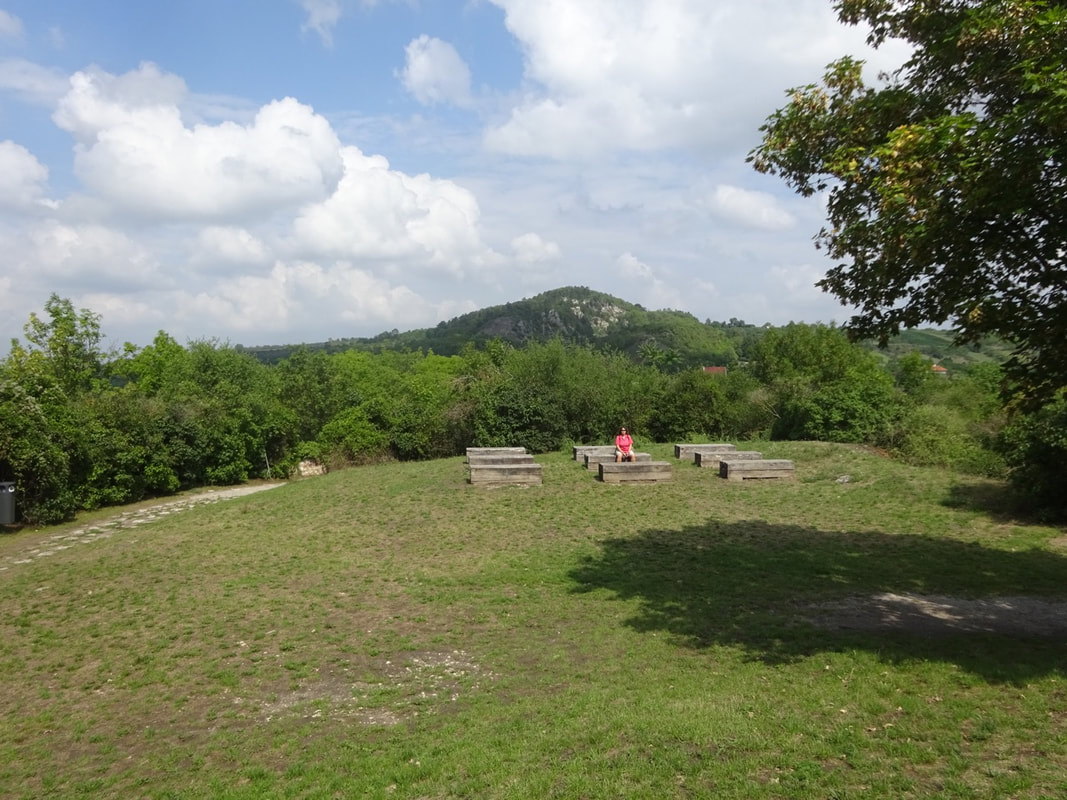
"I was promised a concert in the wood, where are they?!"
Picture
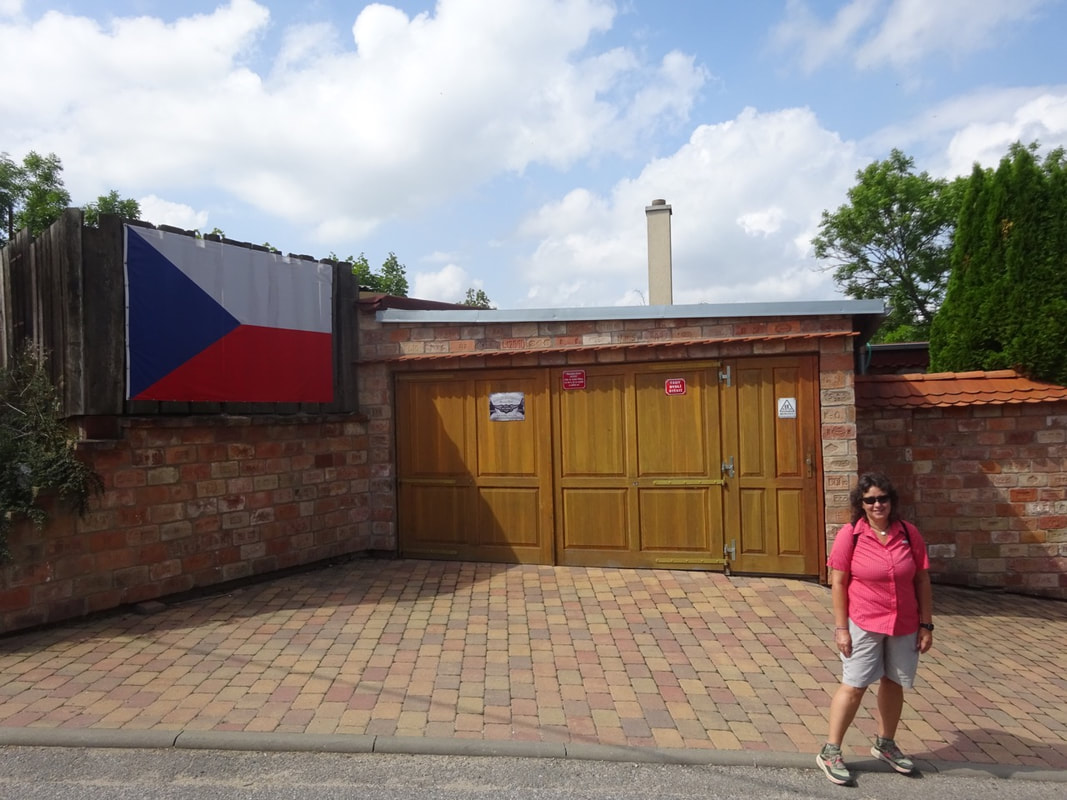
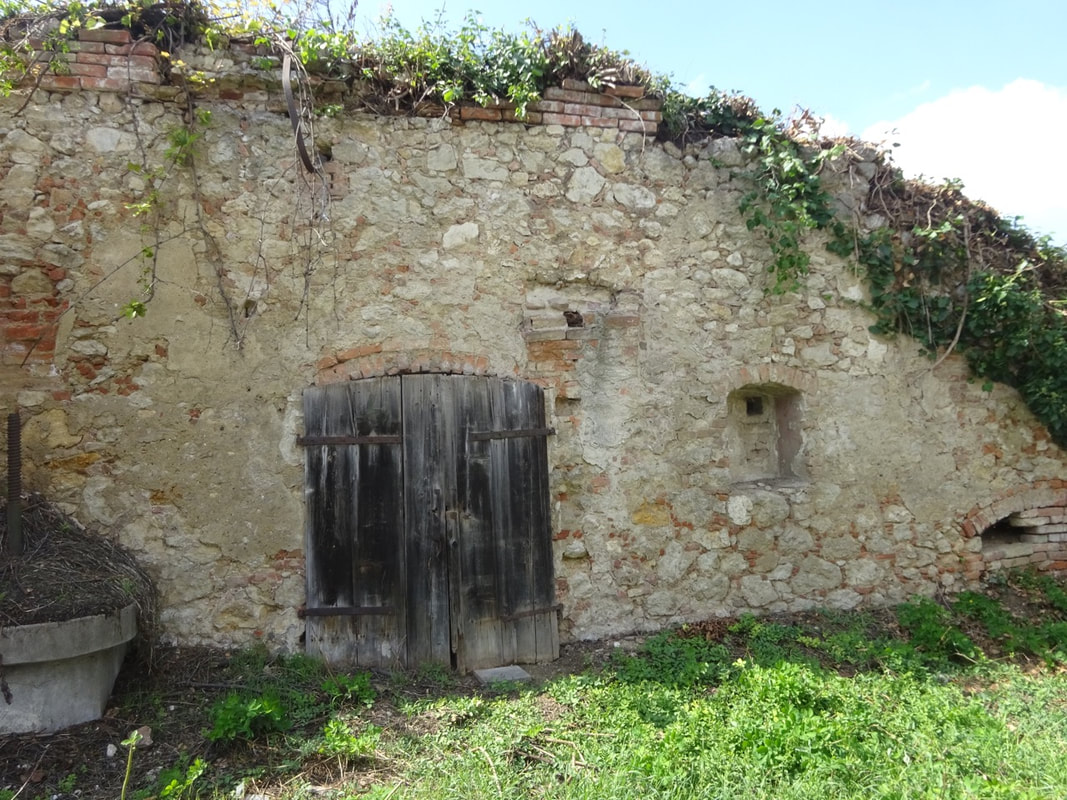
We're guessing there's a fast car behind these doors.
Picture
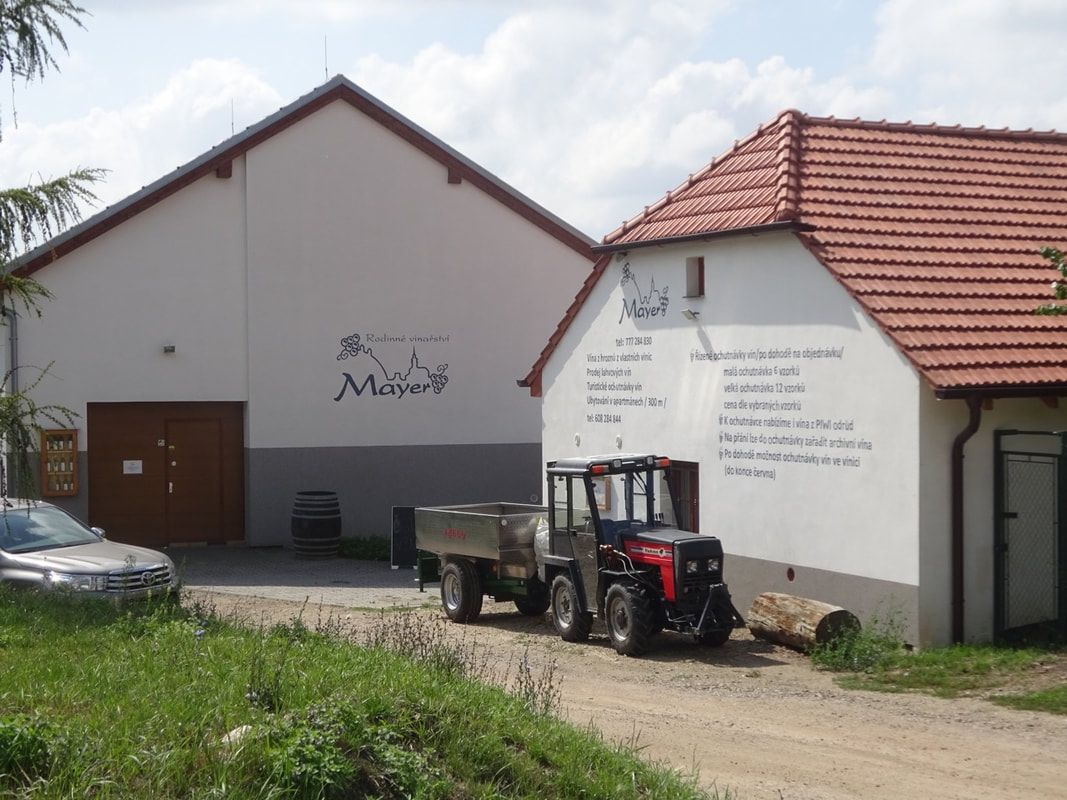
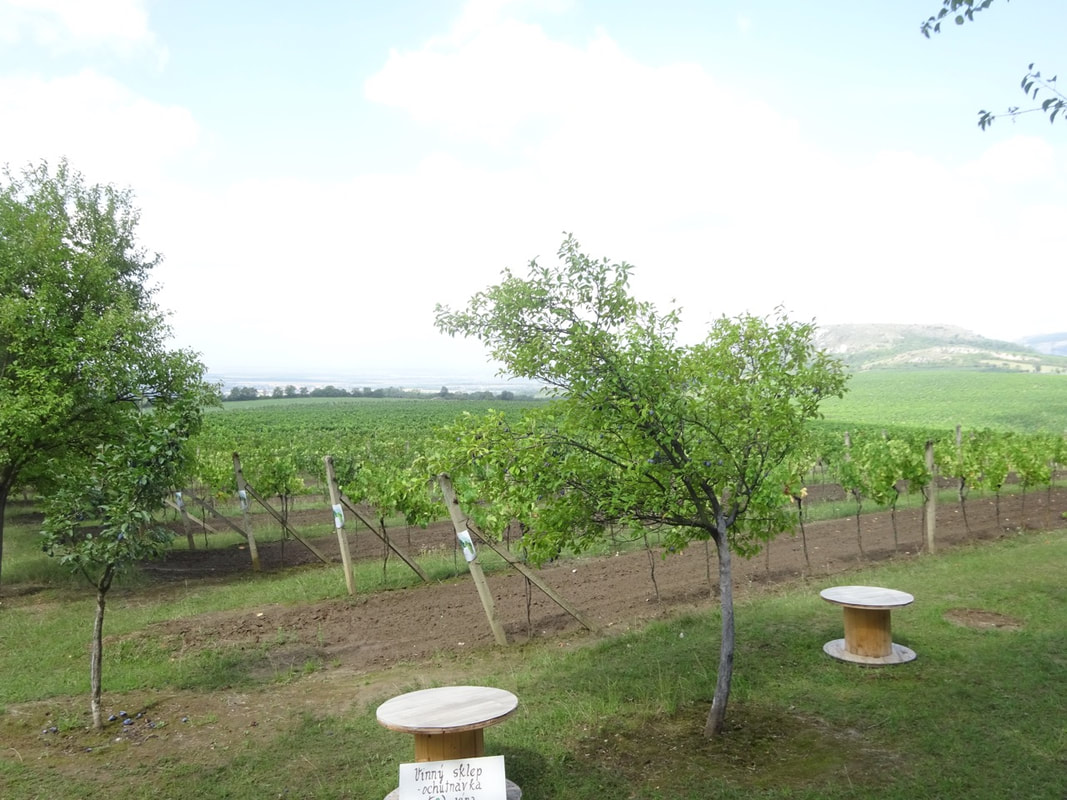
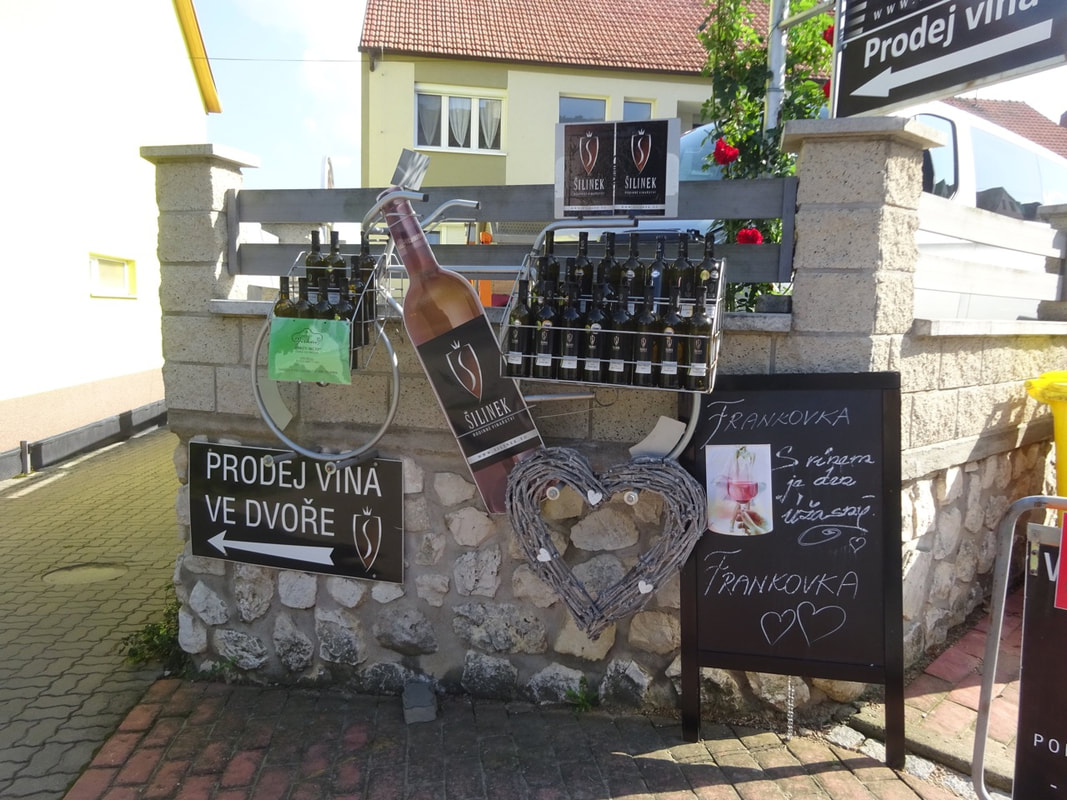
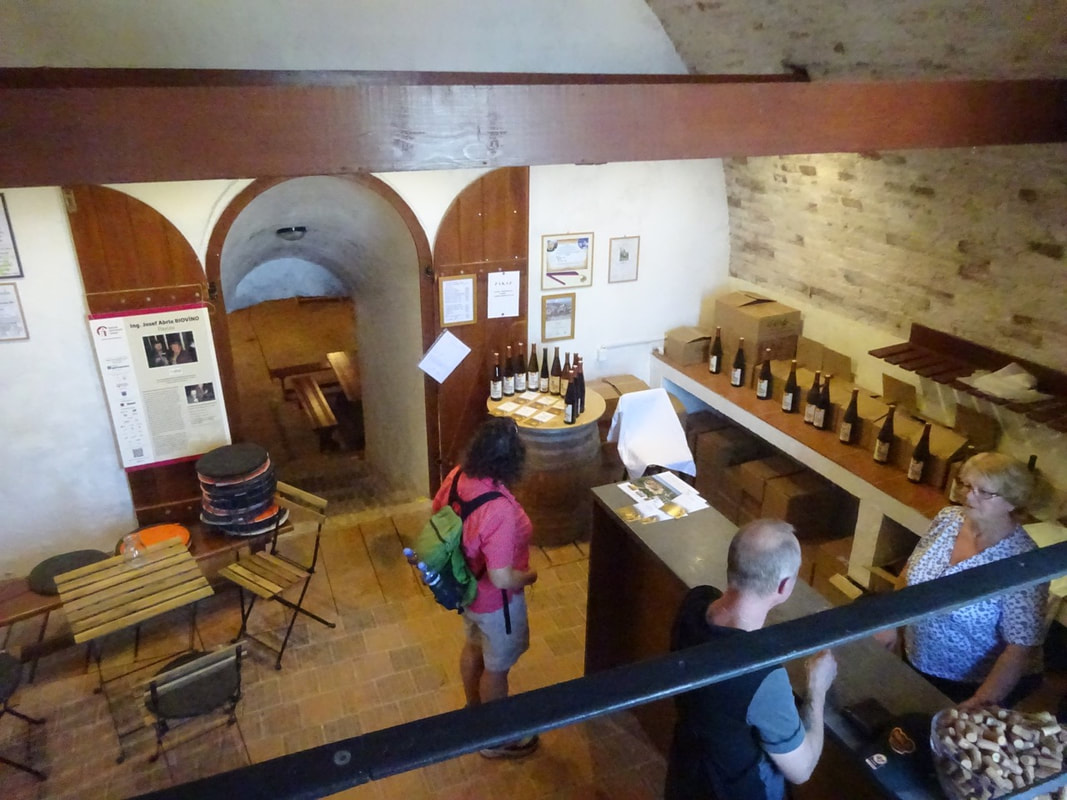
Now seeing the first winery.
Picture
Picture
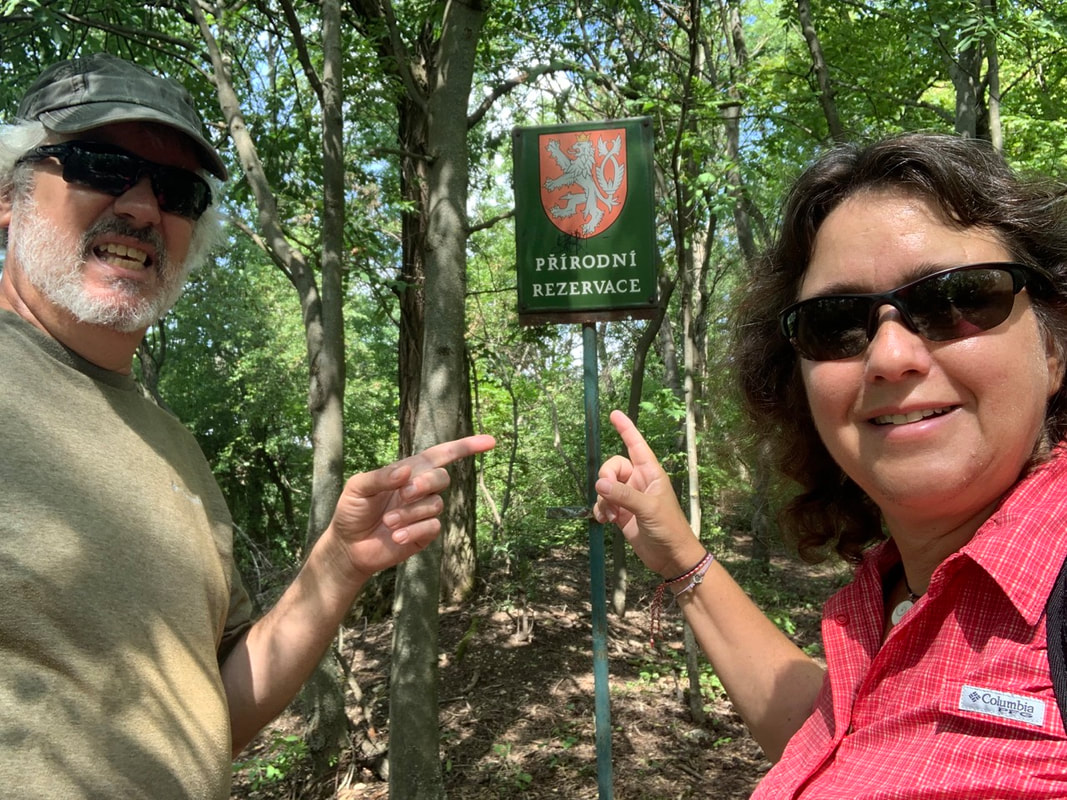
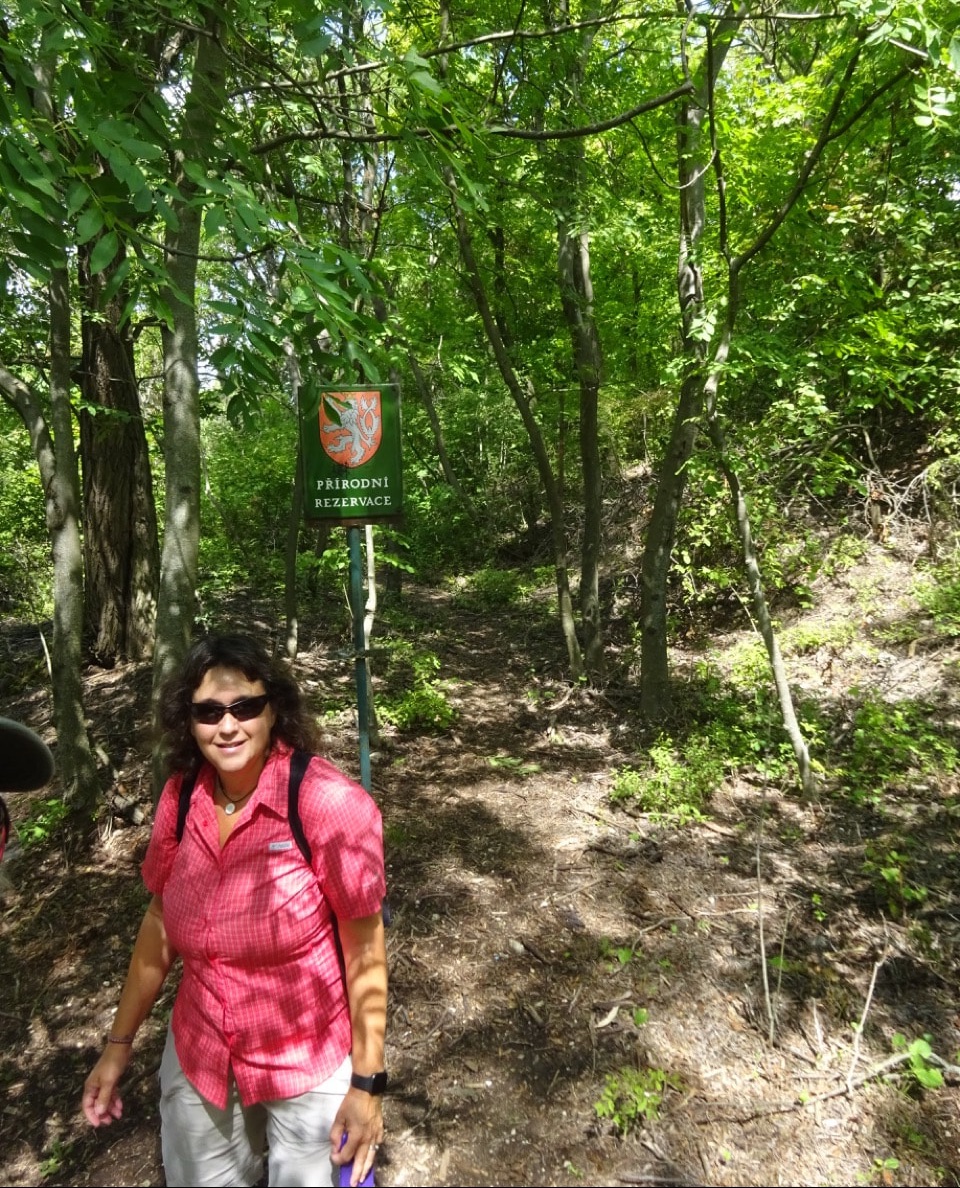
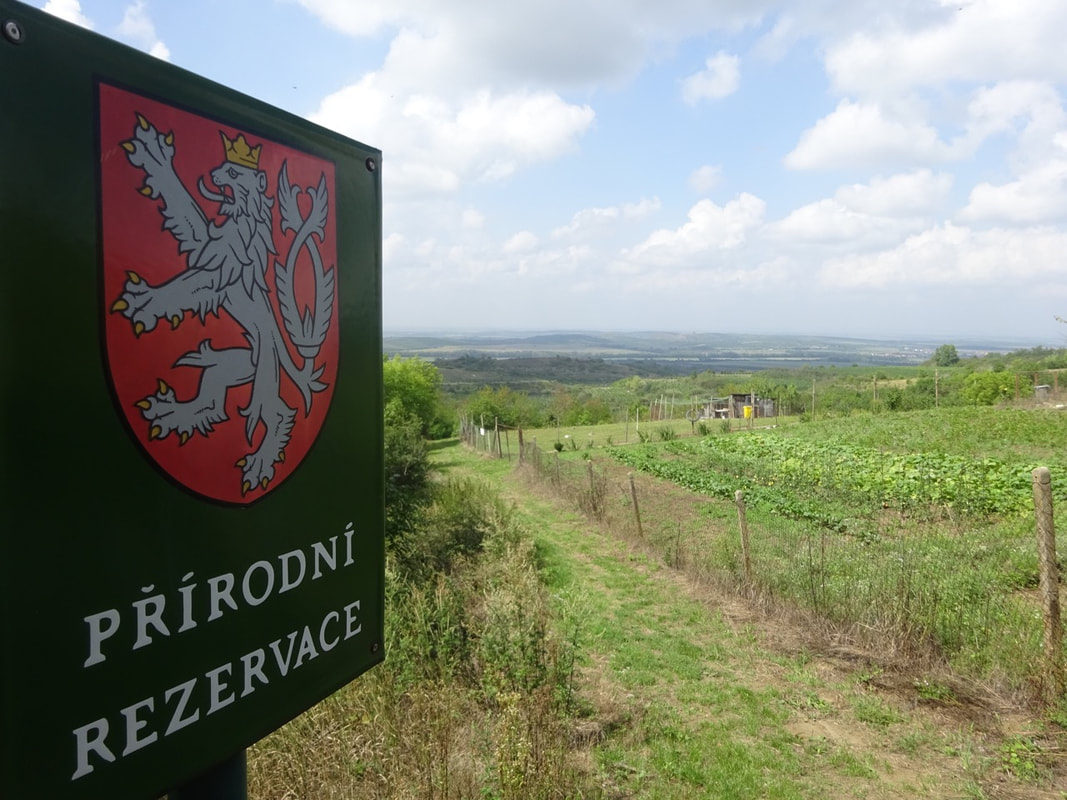
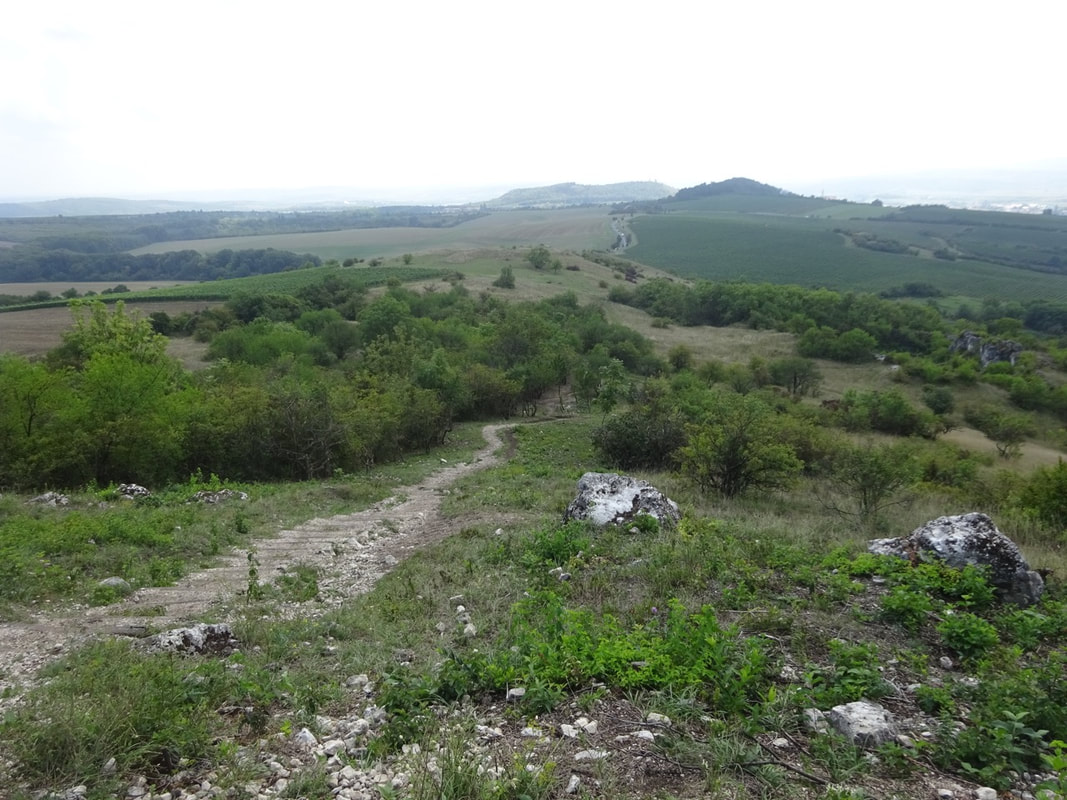
"Nature Reserve"
Picture
Picture
Picture
Picture
Picture
Picture
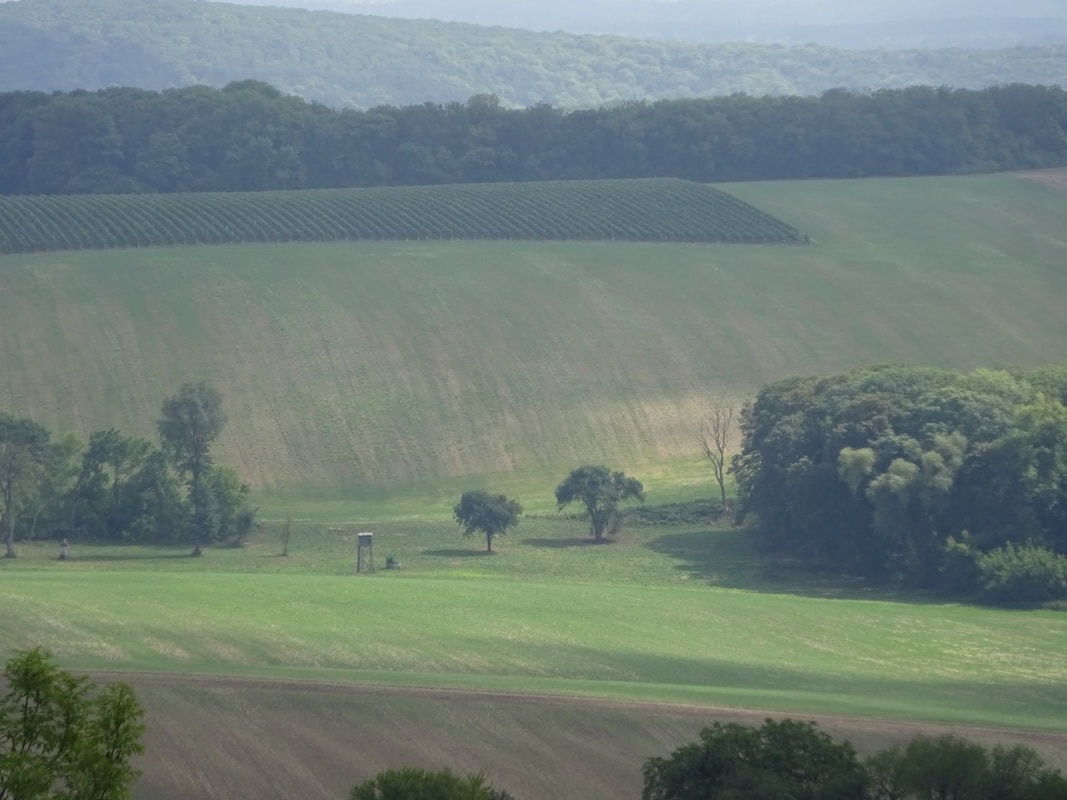
A far-offish hunting stand.
Picture
Picture
Picture
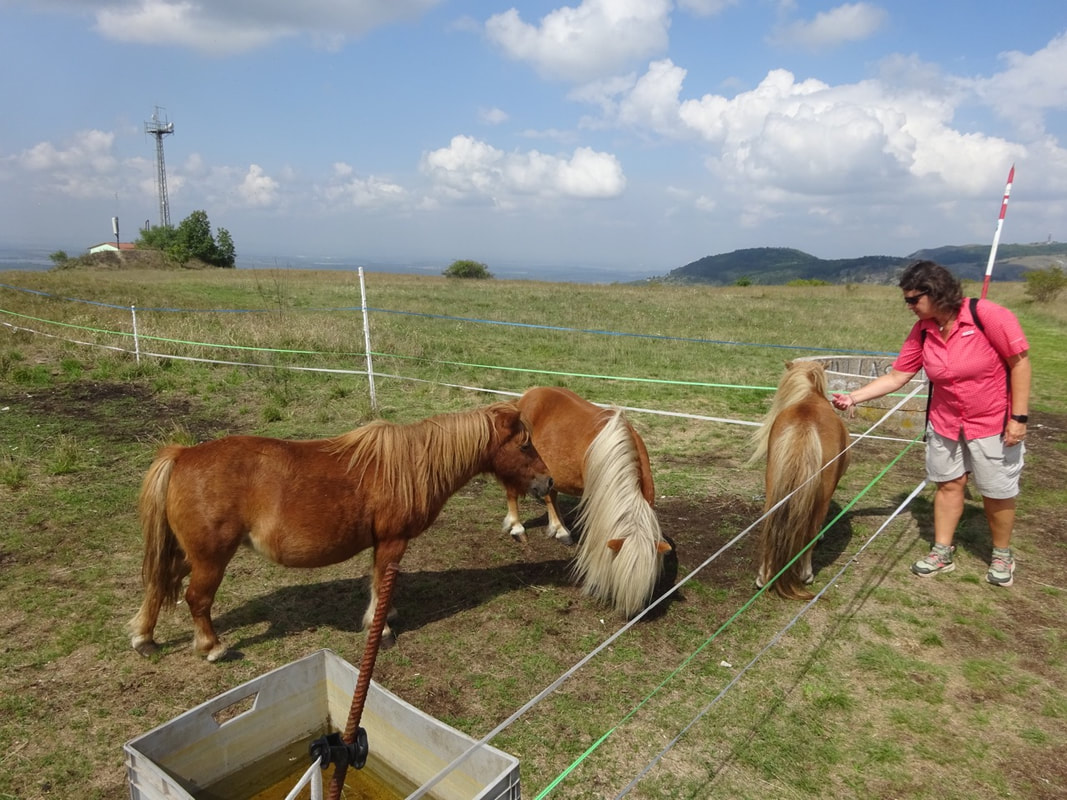
Friendly ponies.
Picture
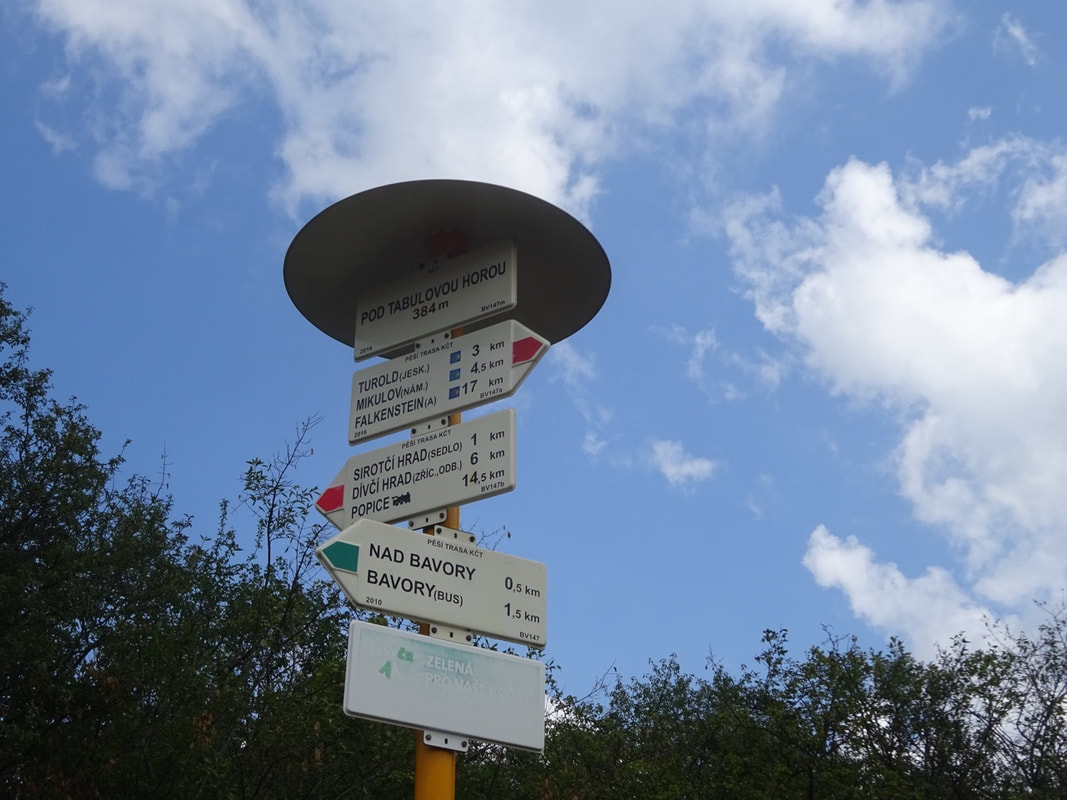
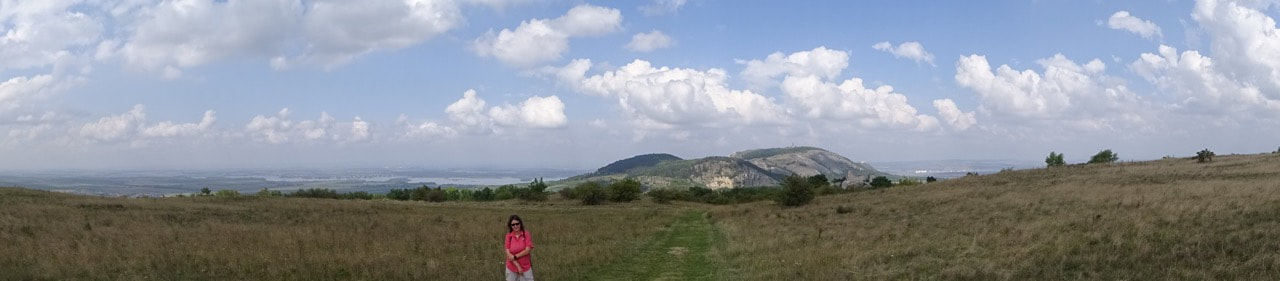
Trail of the Three Hills??
Picture
Picture
Picture
Picture
Picture
Picture
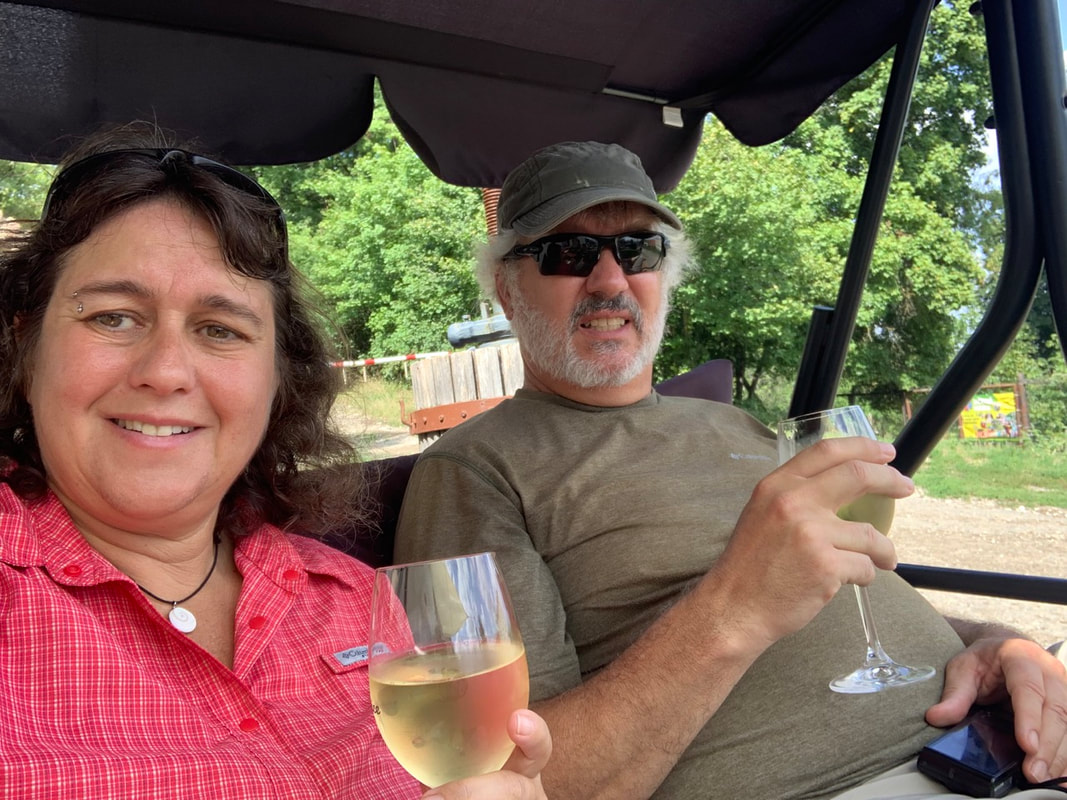
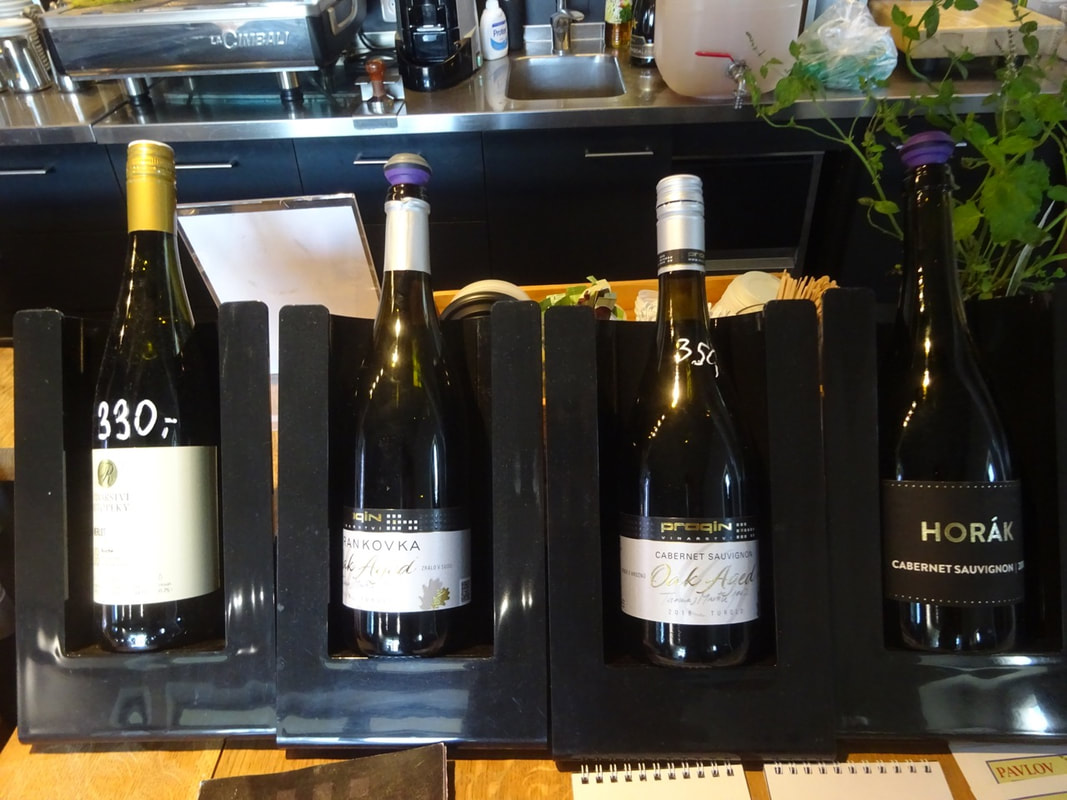
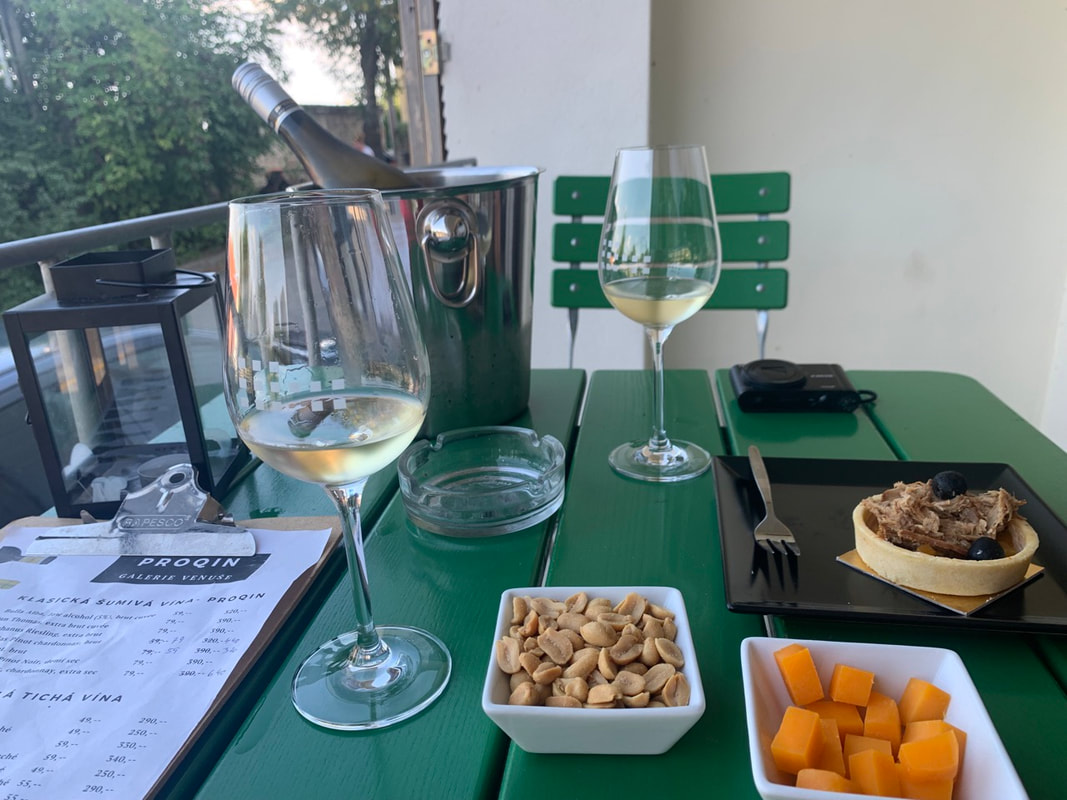
We enjoy our first round of wine, happy to take a load off our feet.
Picture
Picture
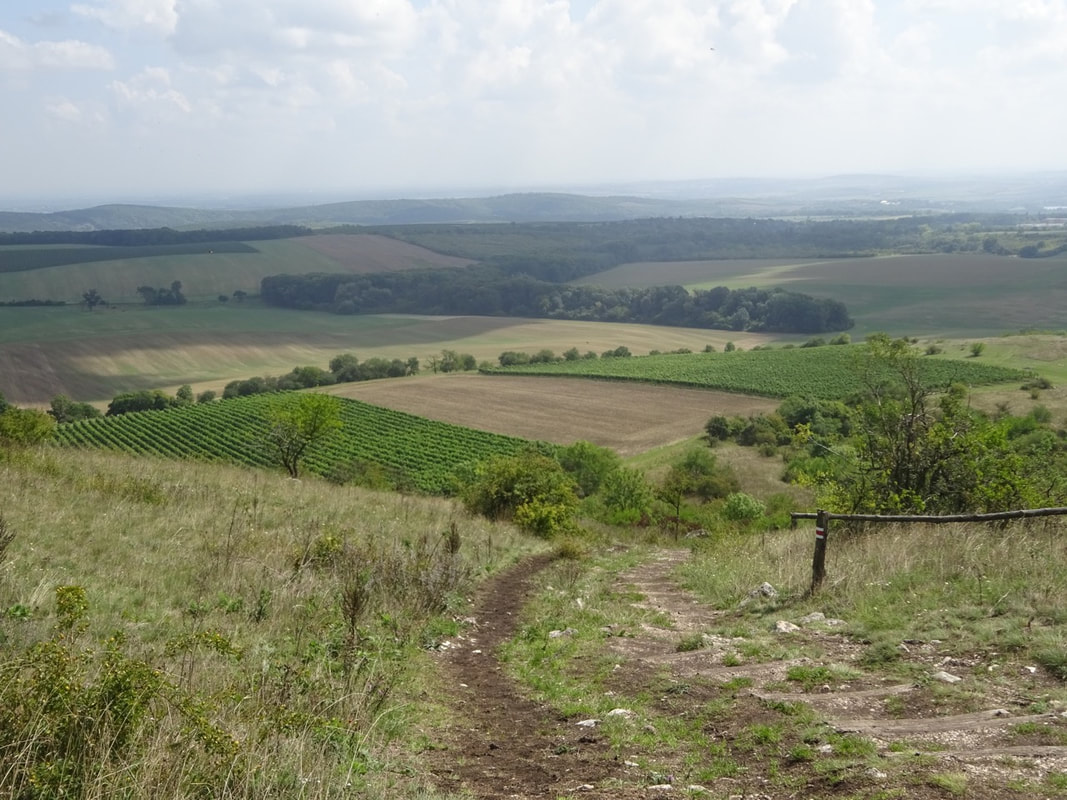
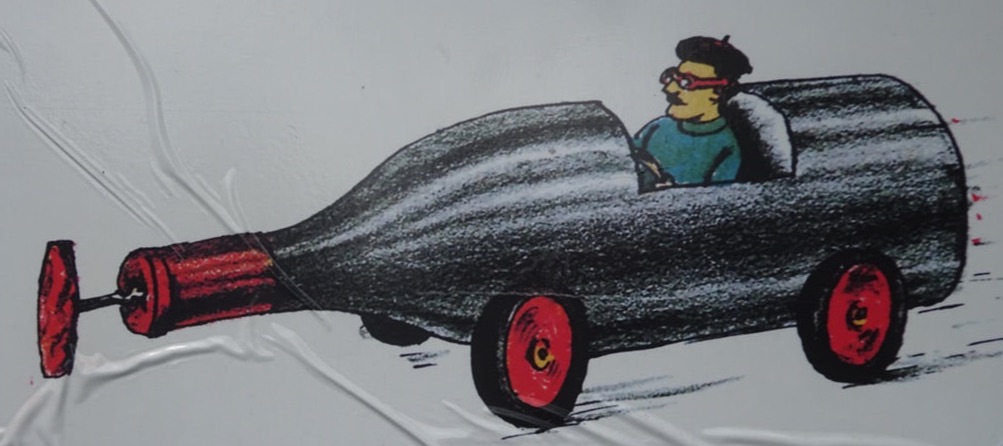
If only we had a wine go-cart, there's some good downhill here.
Picture
Picture
Picture
Picture
Picture
Back into the nature reserve.
Picture
Picture
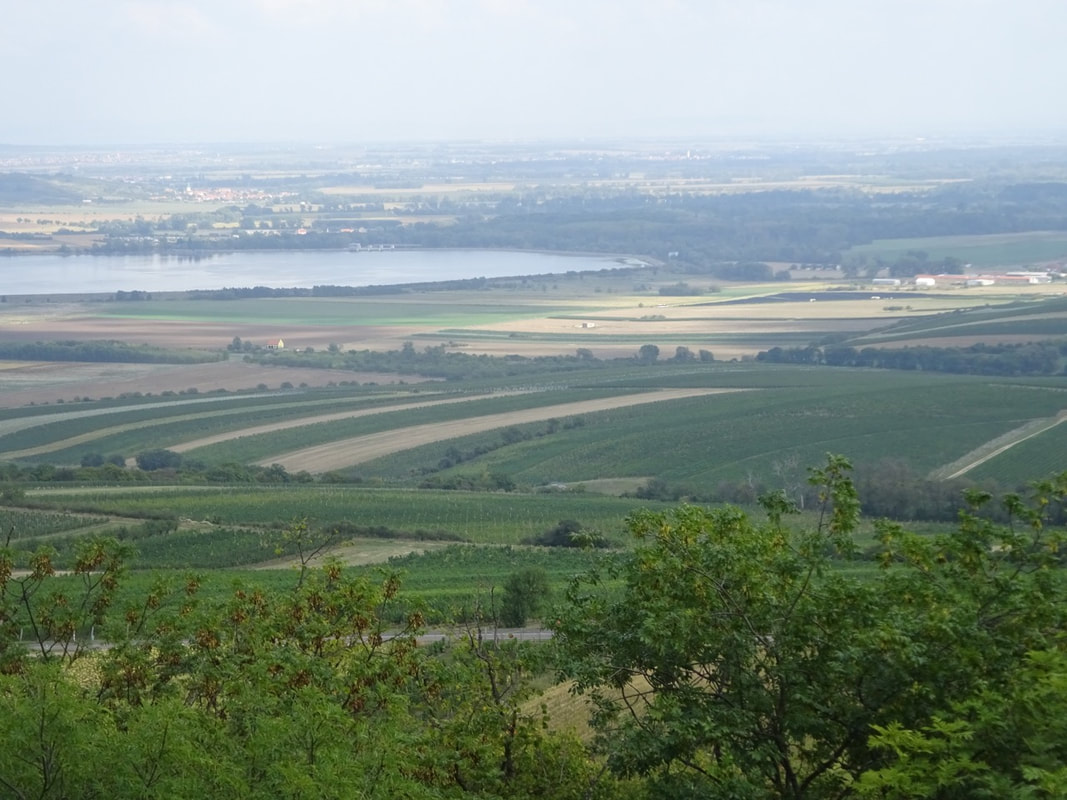
The big lake is in sight.
 
Picture
Picture
...and it has made all the difference.
Picture
Picture
 
Picture
Picture
Picture

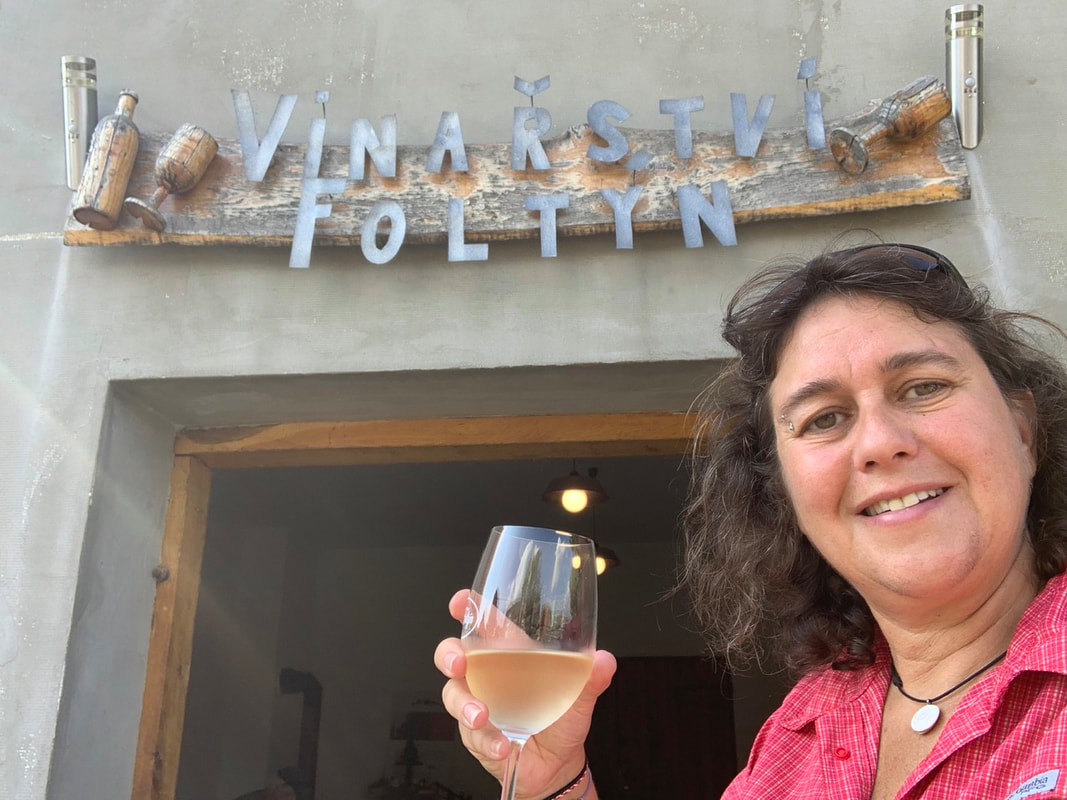
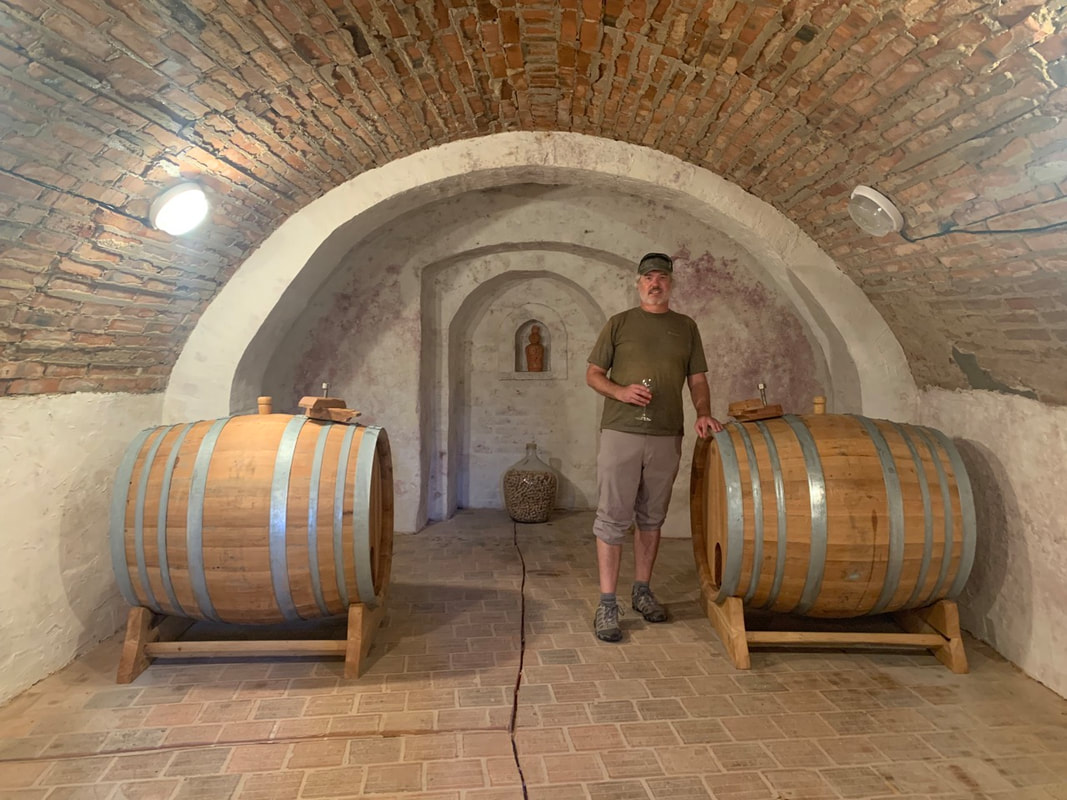
​We've arrived!  Let the wine tasting commence.
Picture
Picture
Picture

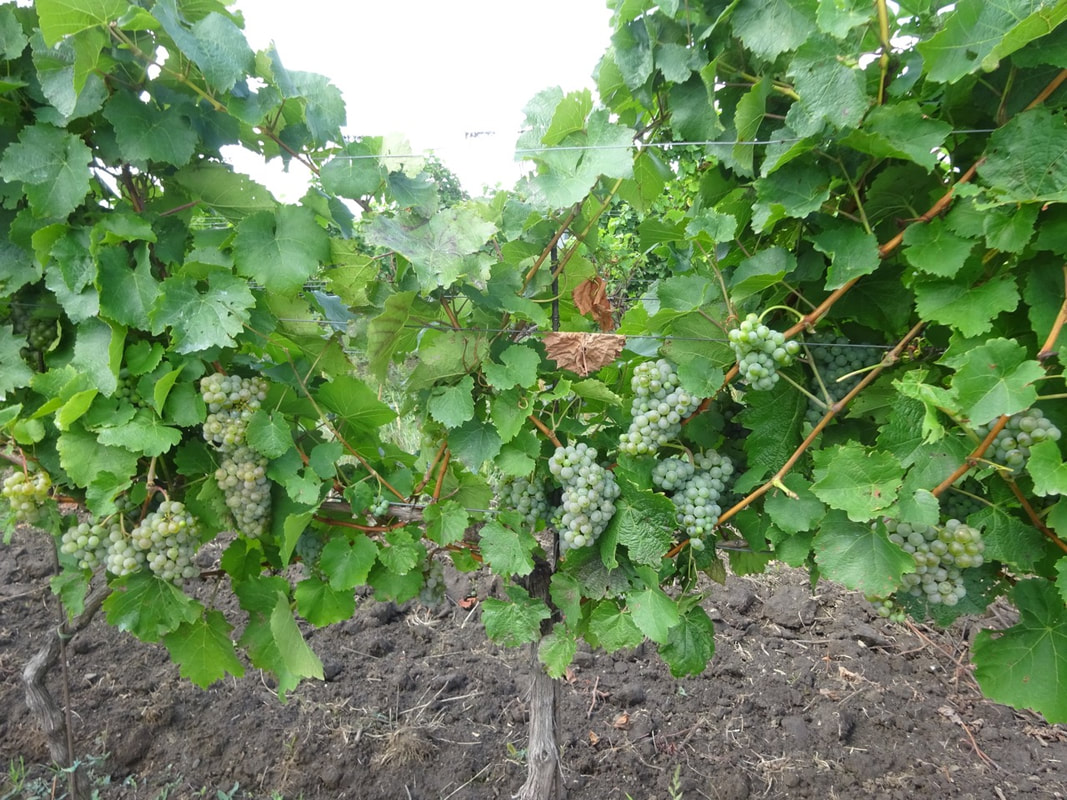
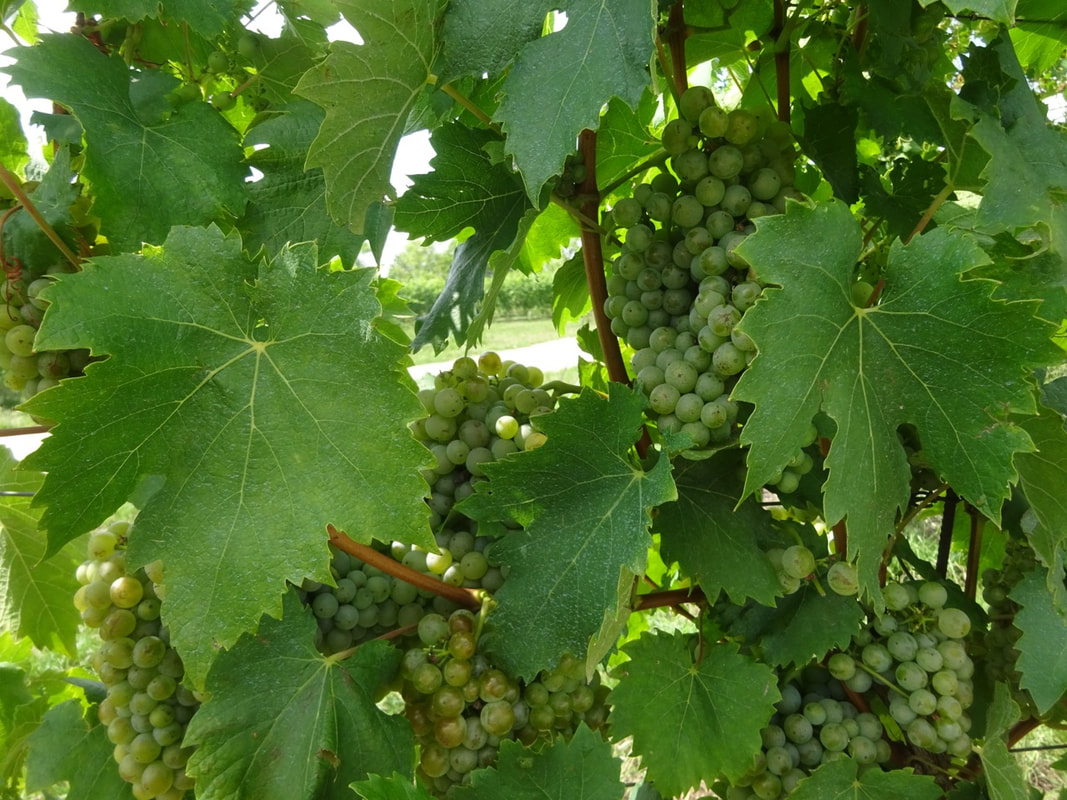
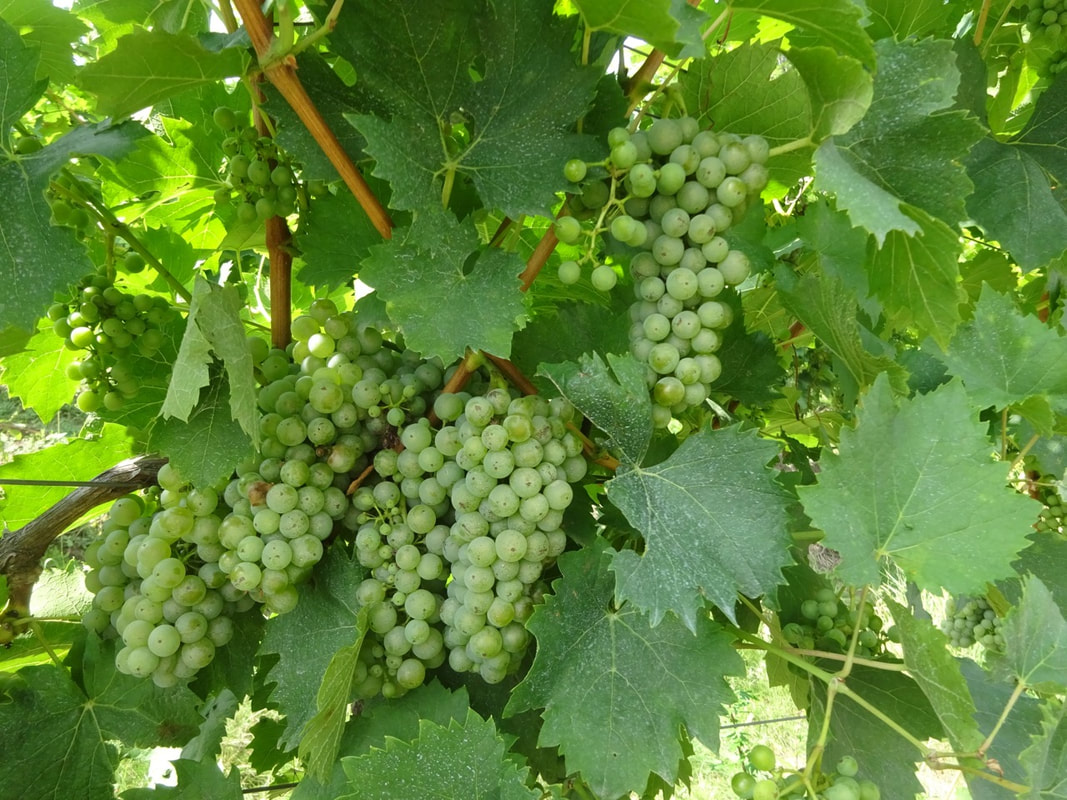
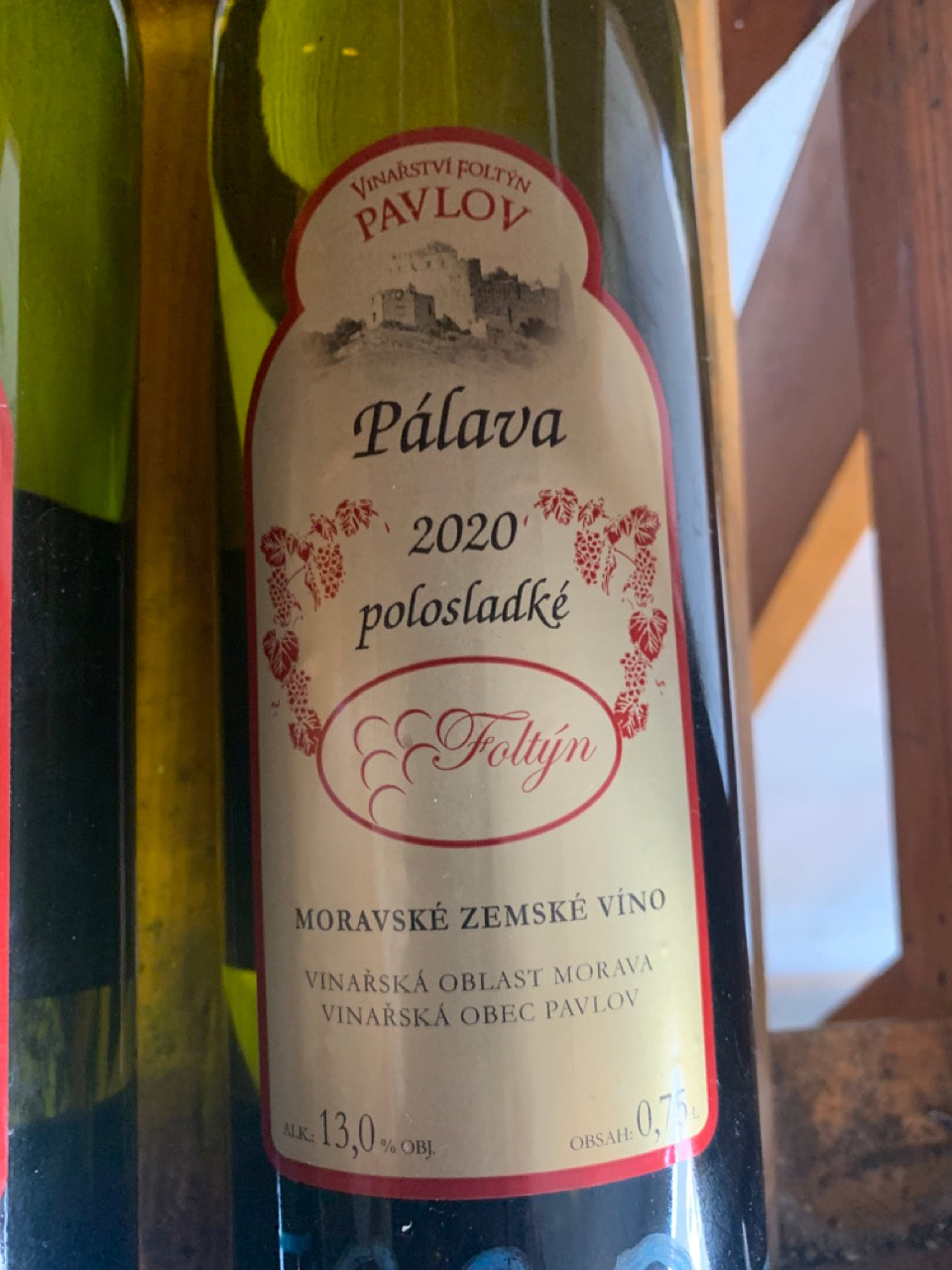
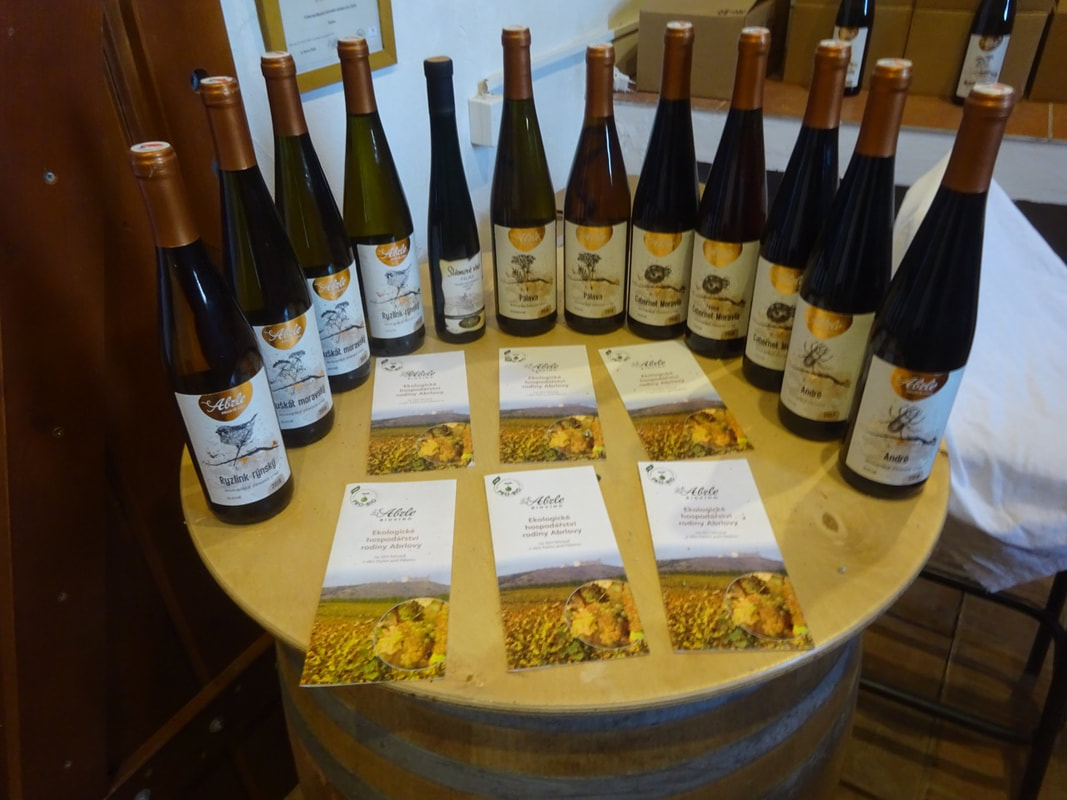
​"Moravia is especially known for their amazing white wines. Fresh and aromatic, the region lends itself to some of the highest quality grapes and are among the best European wines. Top grapes by percentage of plantings are Muller-Thurgau, Gruner Veltliner, Welschriesling, (Rhine) Riesling, Sauvignon Blanc, Pinot Blanc, and Chardonnay."
Picture
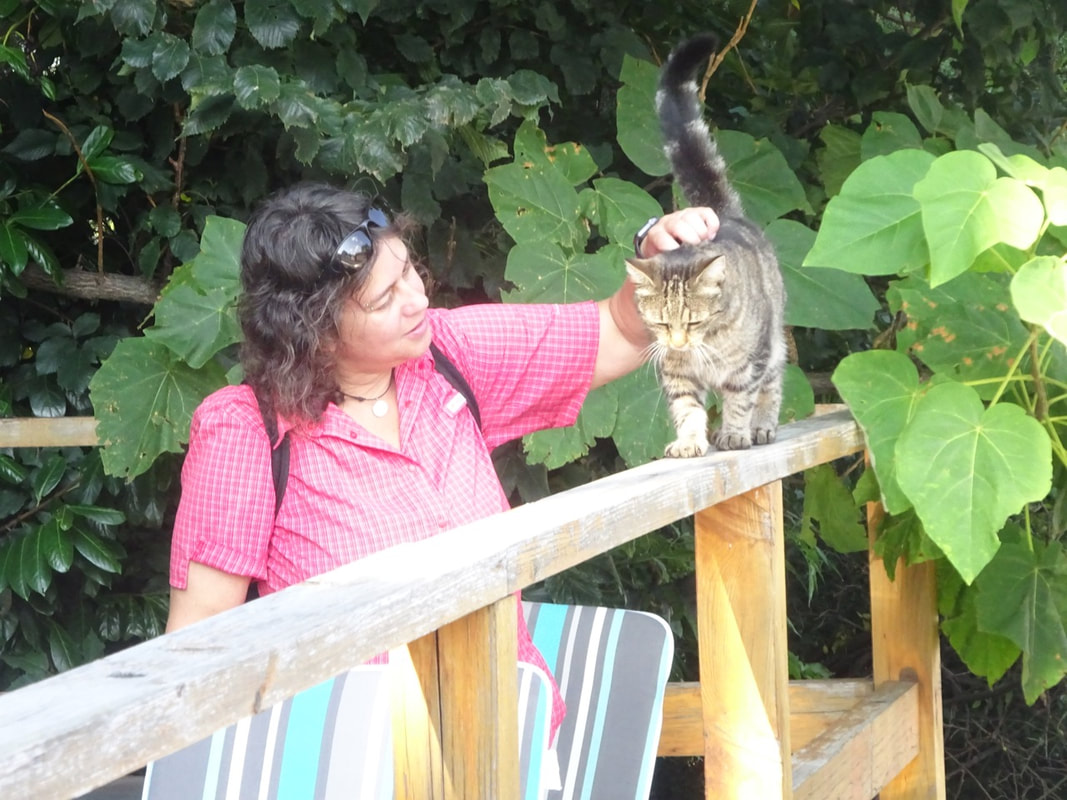
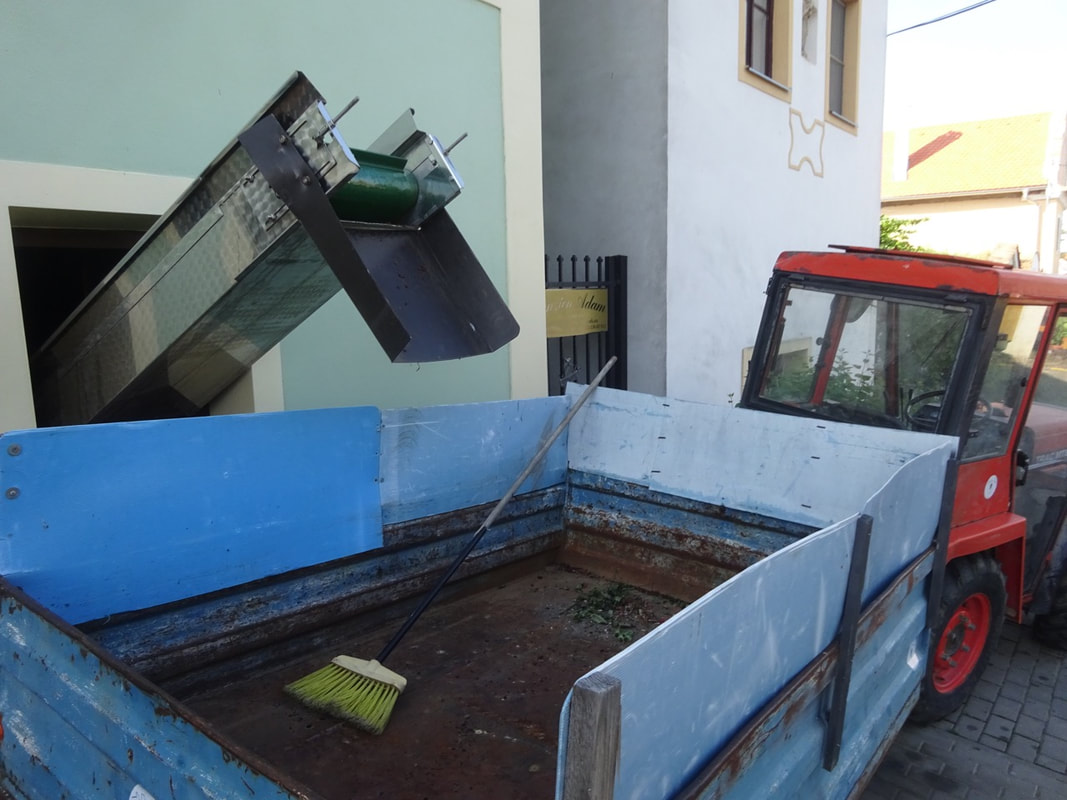
​Wine kitty is well rested for the upcoming harvest, the equipment is swept clean and ready to go.
Picture
Picture
Picture
Picture
Picture
Picture
Picture
Picture
A little food to get us back home to Mikoluv.  The bus schedule was confusing?, misleading?, wrong?, it's looking like a several hour wait for a return bus.  But, of course, Gerri schmoozes with some locals and they offer to take us in their car back to our hotel.  It's probably less than $5 of gas for the 20 km required, so we give them $20 and thank them for the convenience provided.
Picture
0 Comments

Morning Tour of Třebíč, then Drive to Mikulov

8/24/2022

0 Comments

 
This morning we woke up in Třebíč, ate our hotel breakfast, then went off to see the sights.  After that we drove to Mikulov.

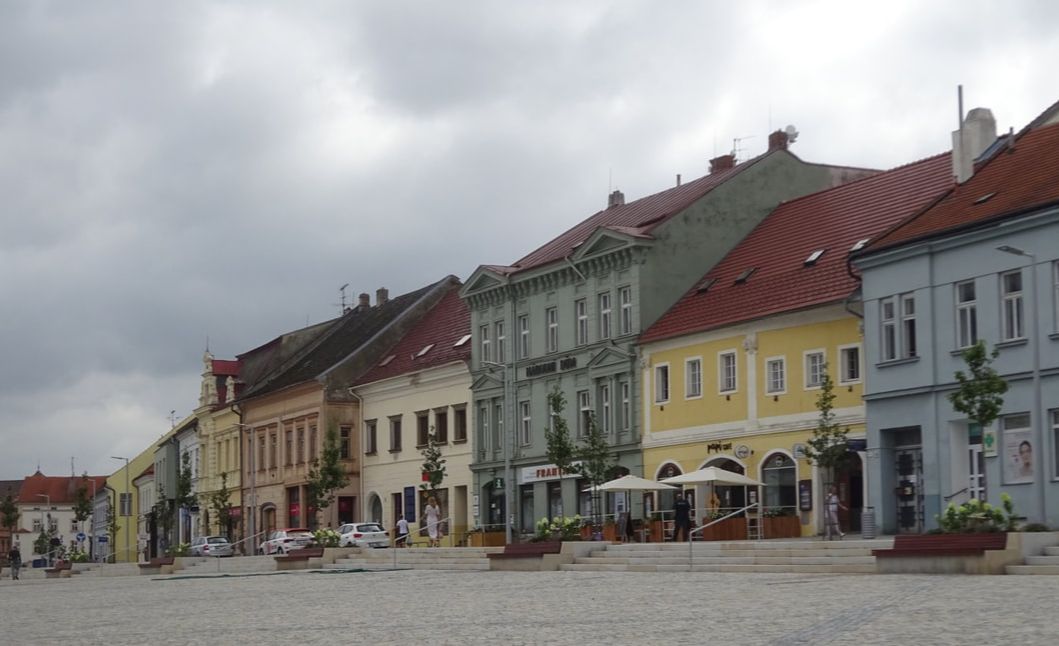
On Třebíč's main square:
Picture
Picture
Picture
Picture
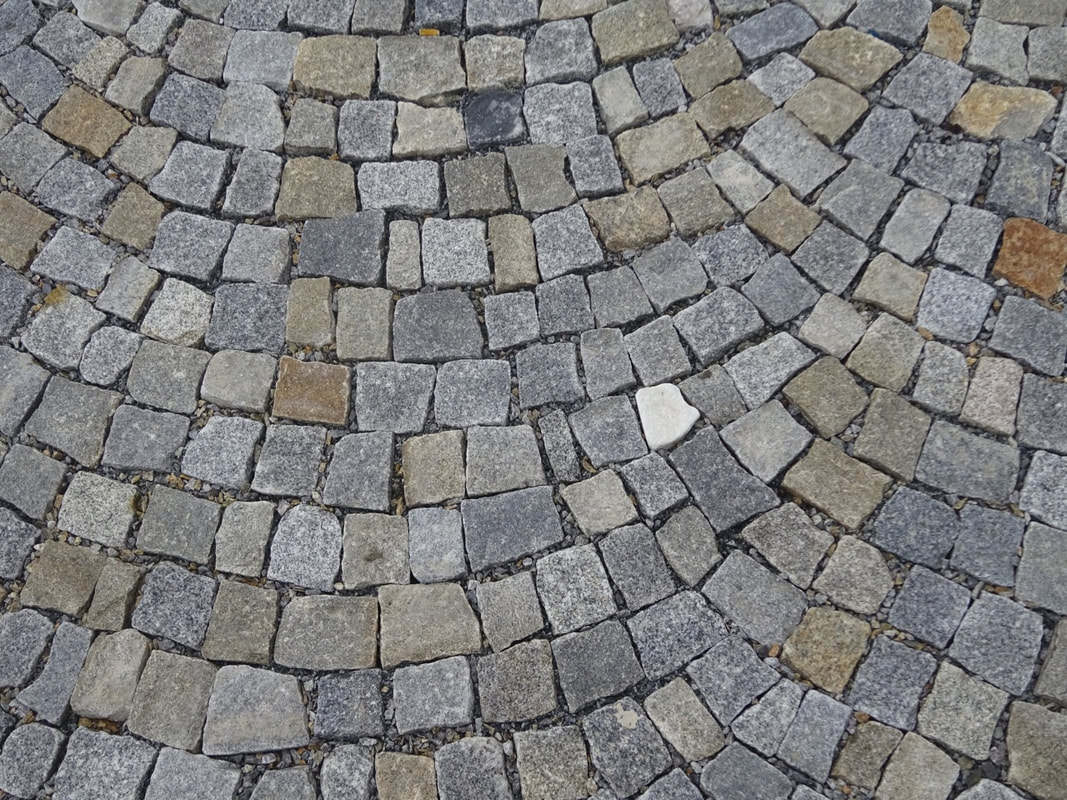
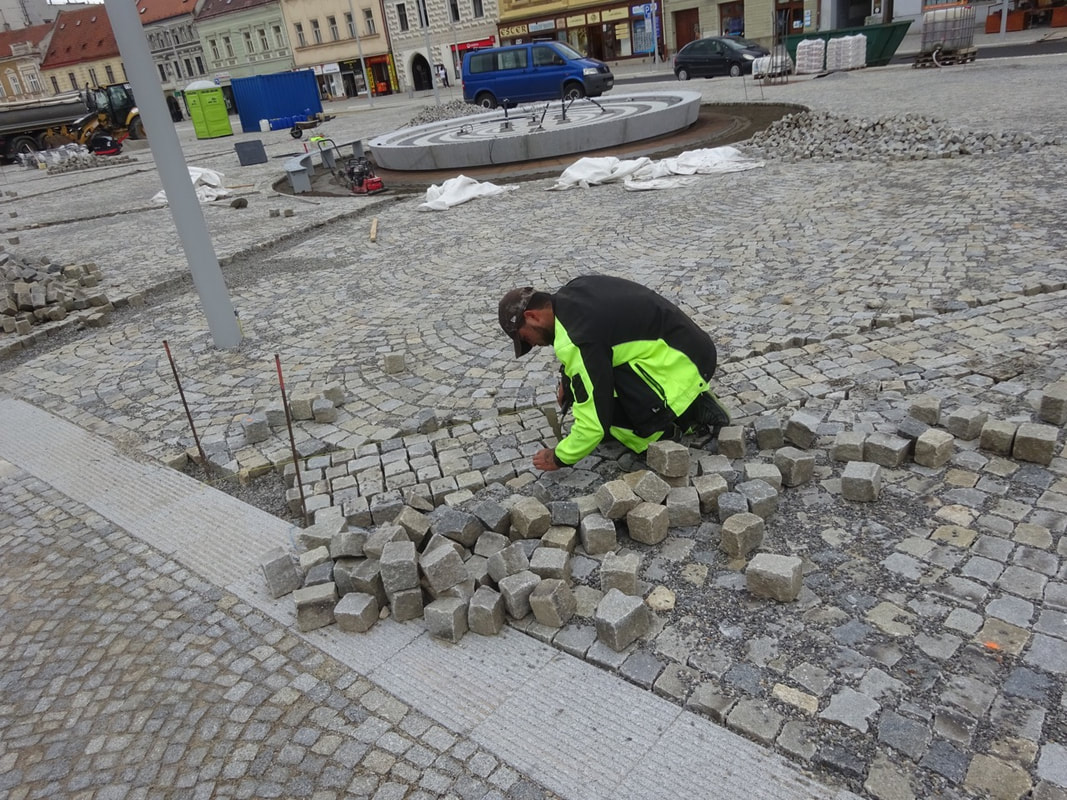
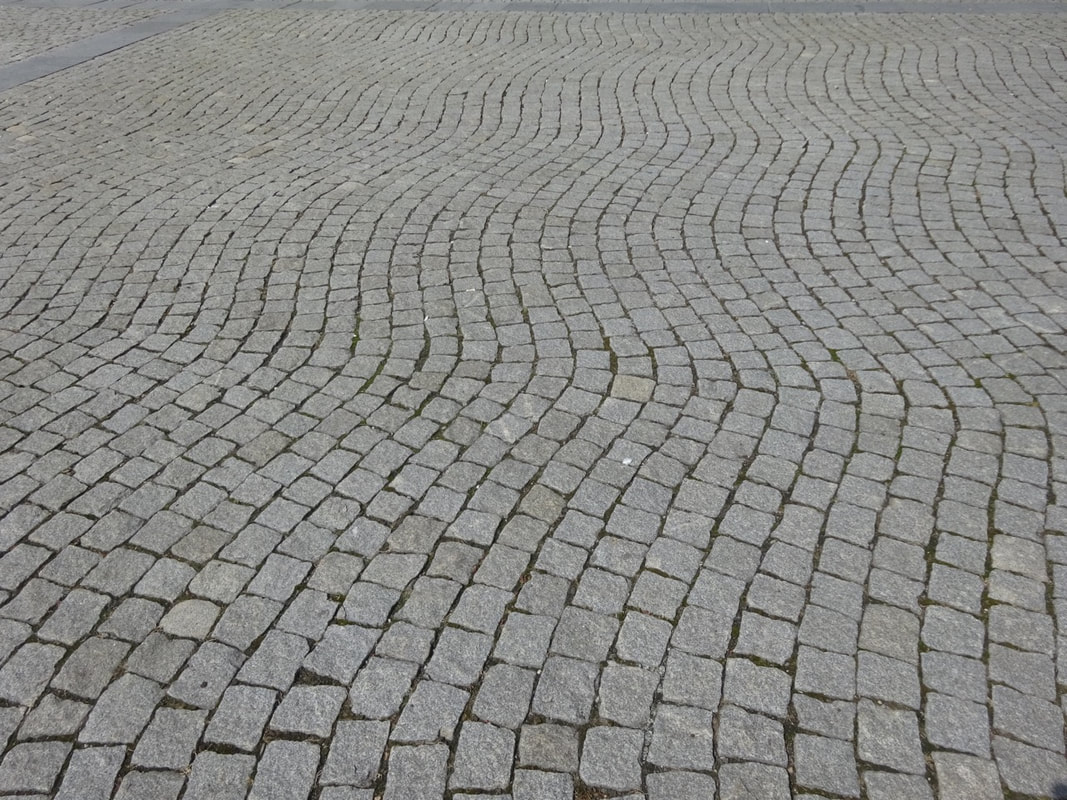
When utility work or what not is required under the cobbles, they must come up and then they go back down again.  This looks like back numbing work.
Picture
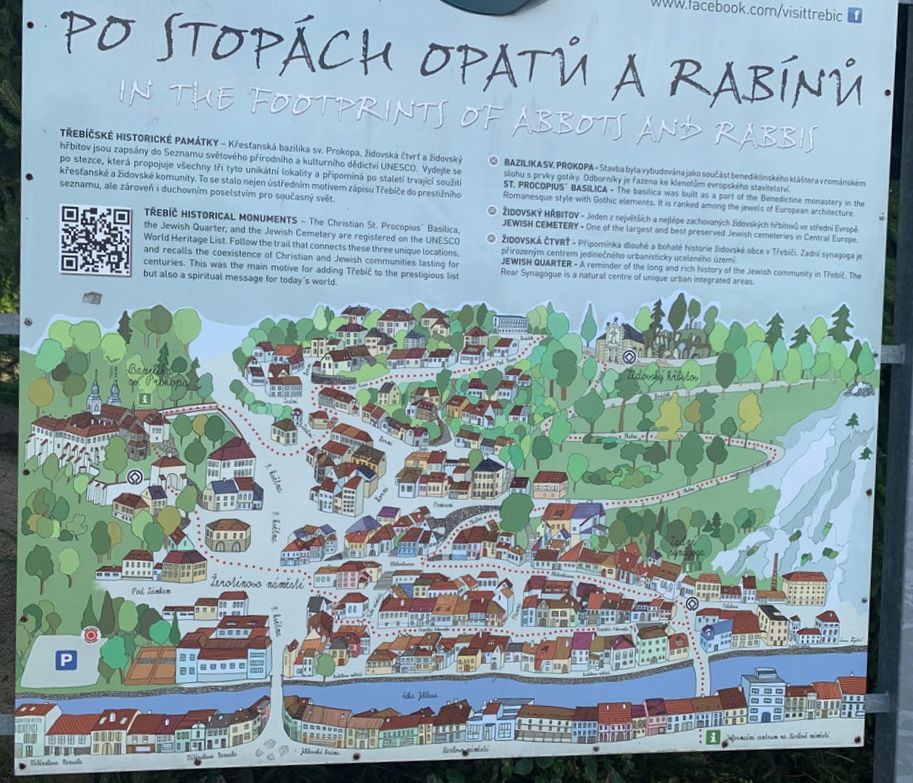
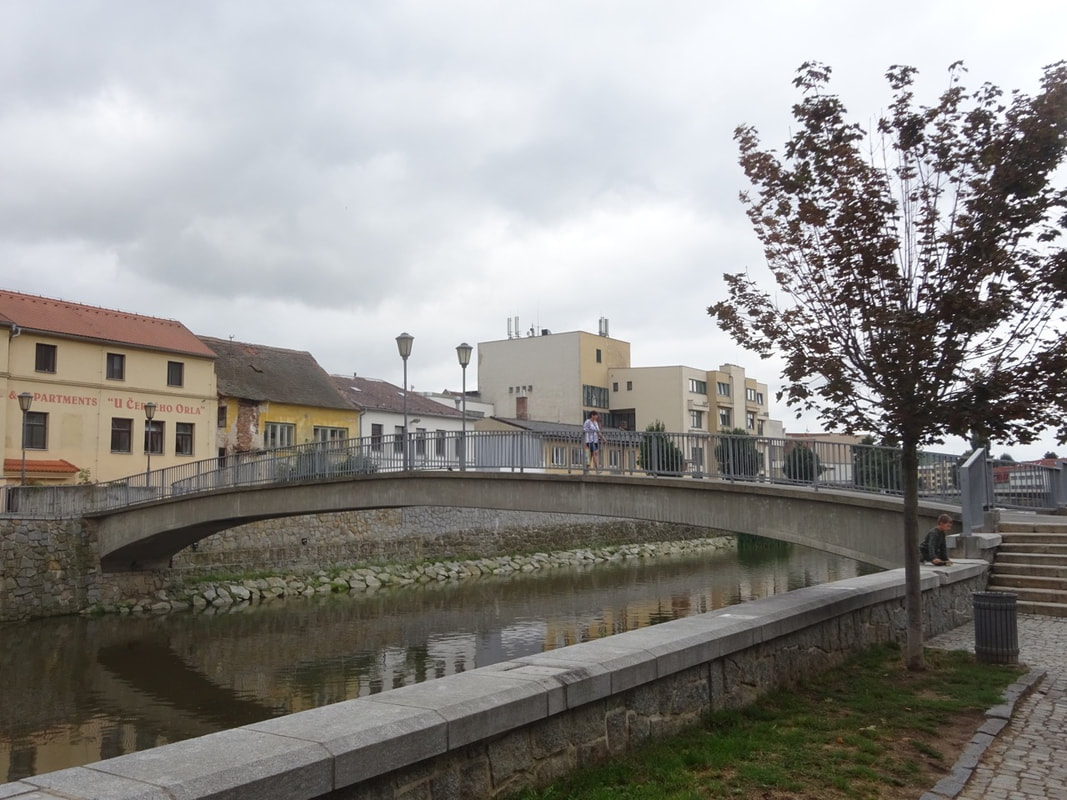
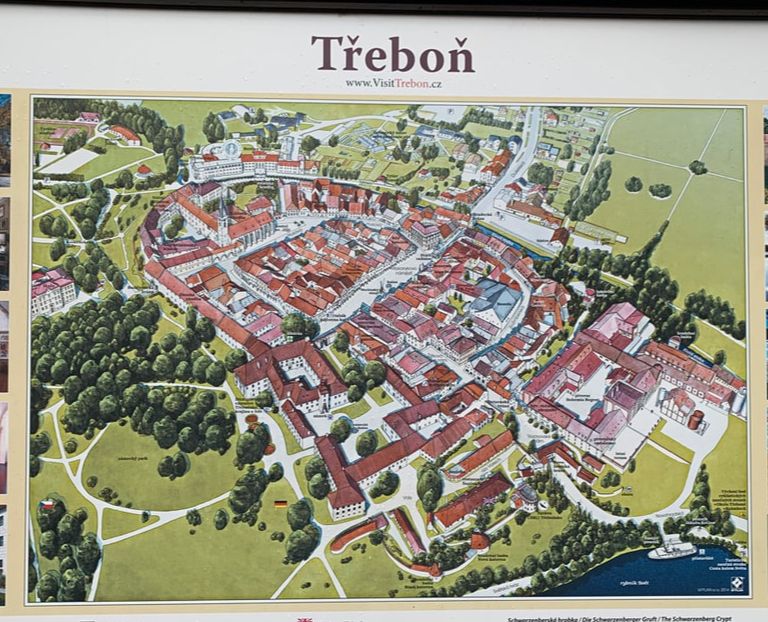
This graphic map is reasonably accurate.  The square is at the bottom edge, below the river.  Our lodging was next to that round green tree next to the left bridge.  We now begin the Jewish Quarter tour, which covers most of the rest of the graphic map.
Picture
Picture
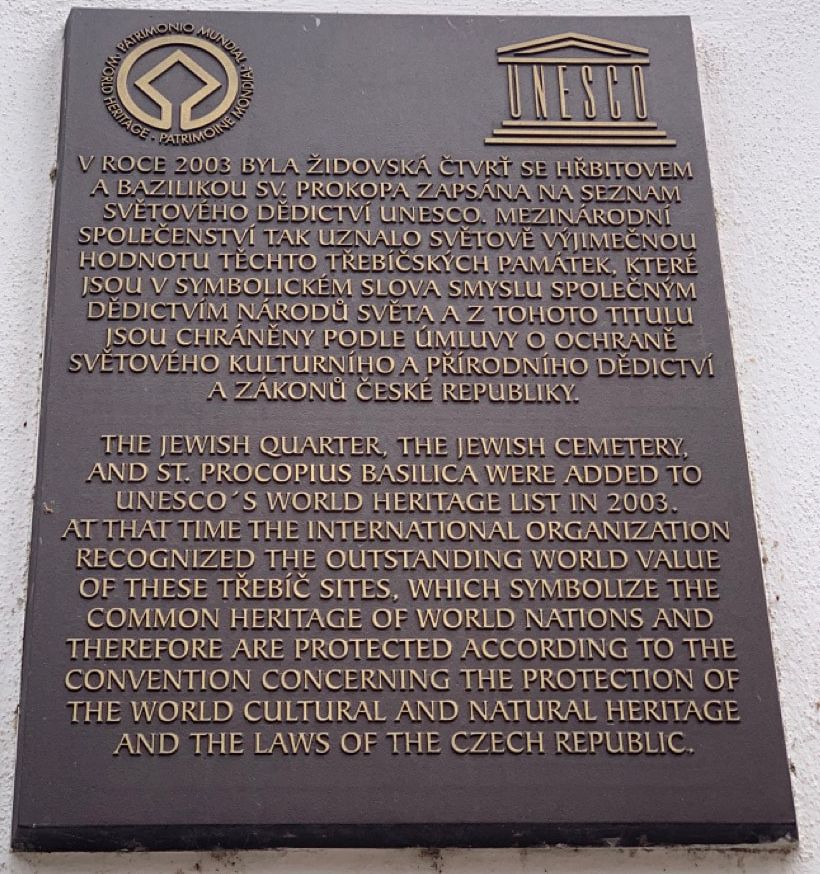
"The Jewish Quarter of Třebíč is a neighborhood and former ghetto is situated on the north bank of the River Jihlava and is one of the best preserved in Europe.  In 2003, together with the nearby Jewish Cemetery and the St. Procopius Basilica, the Jewish Quarter was inscribed on the UNESCO World Heritage List. Description

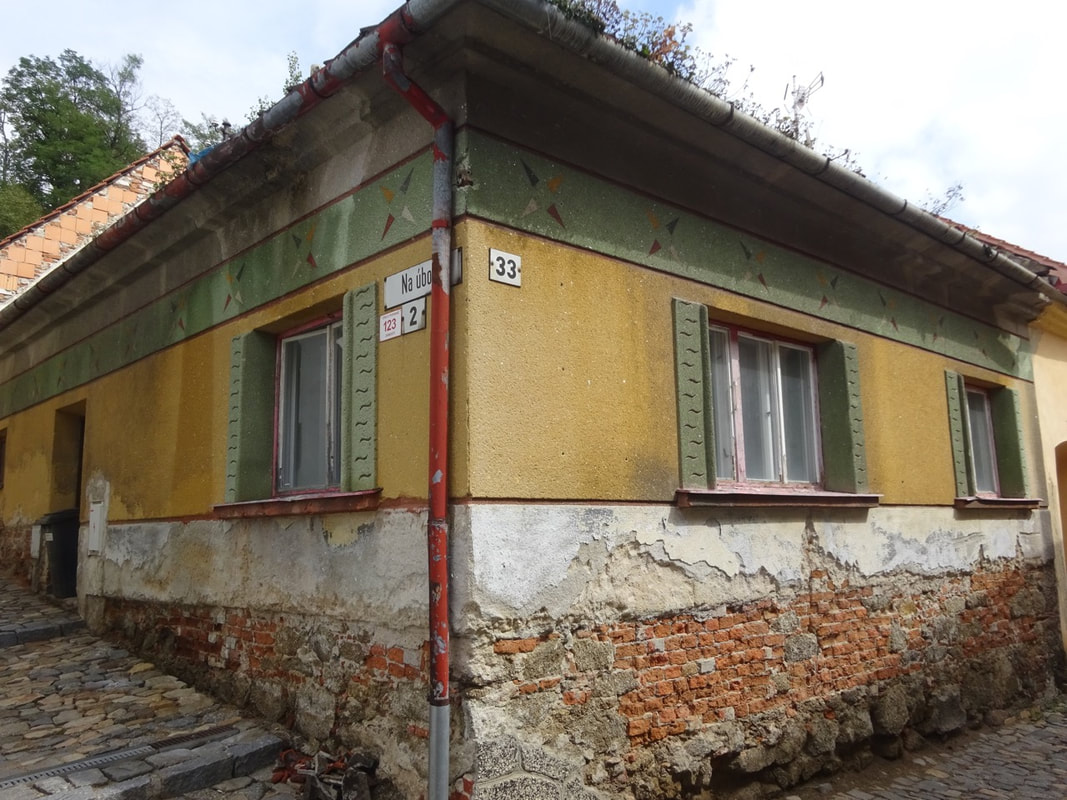
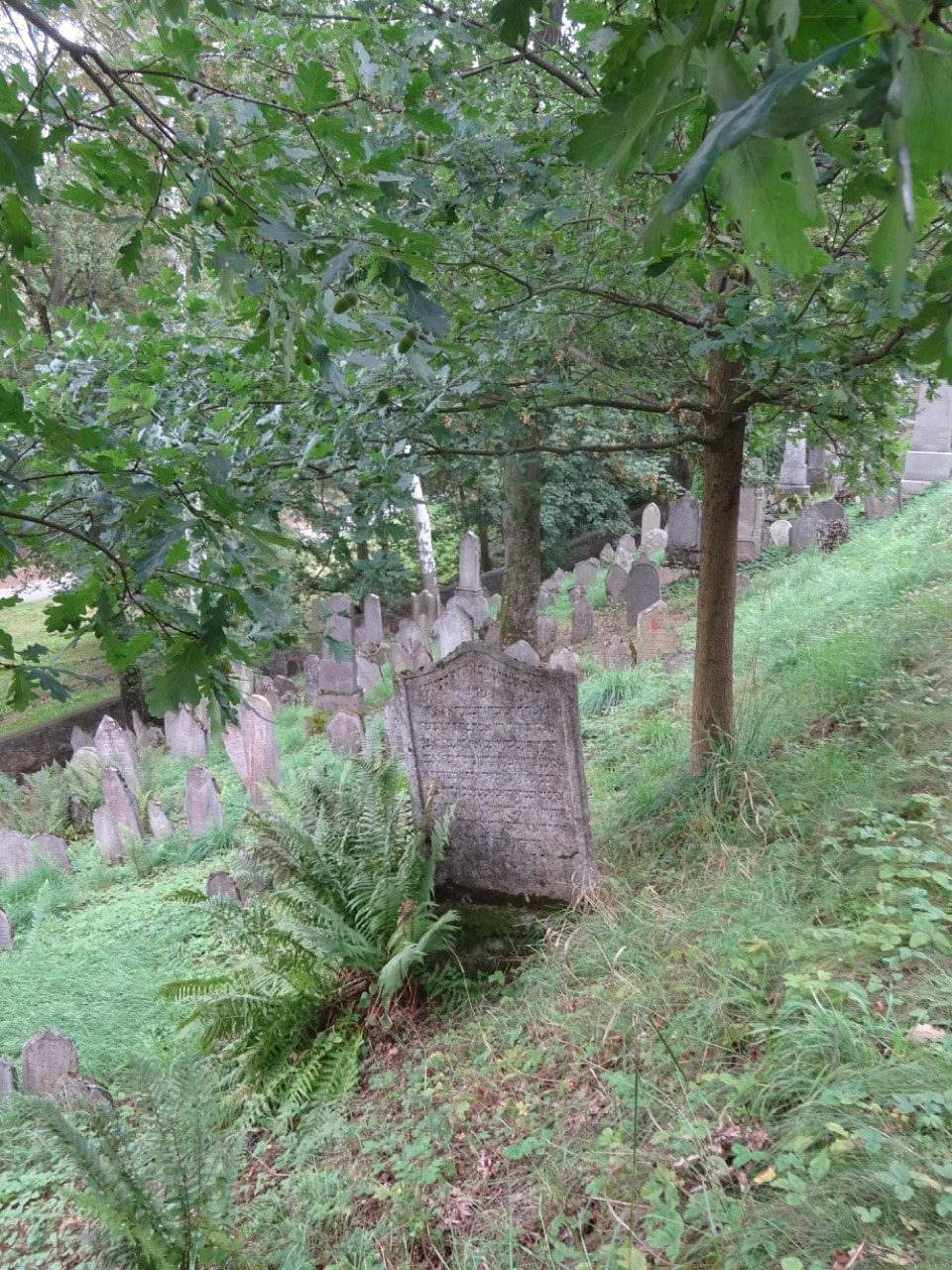
The Jewish Quarter is surrounded by rocky slopes and the river, containing 123 houses and two synagogues. Above the Quarter on a hill is the Jewish cemetery, holding roughly 4,000 gravestones.  The cemetery has two sections: one starting from the 15th century, and the other starting from the 19th century.

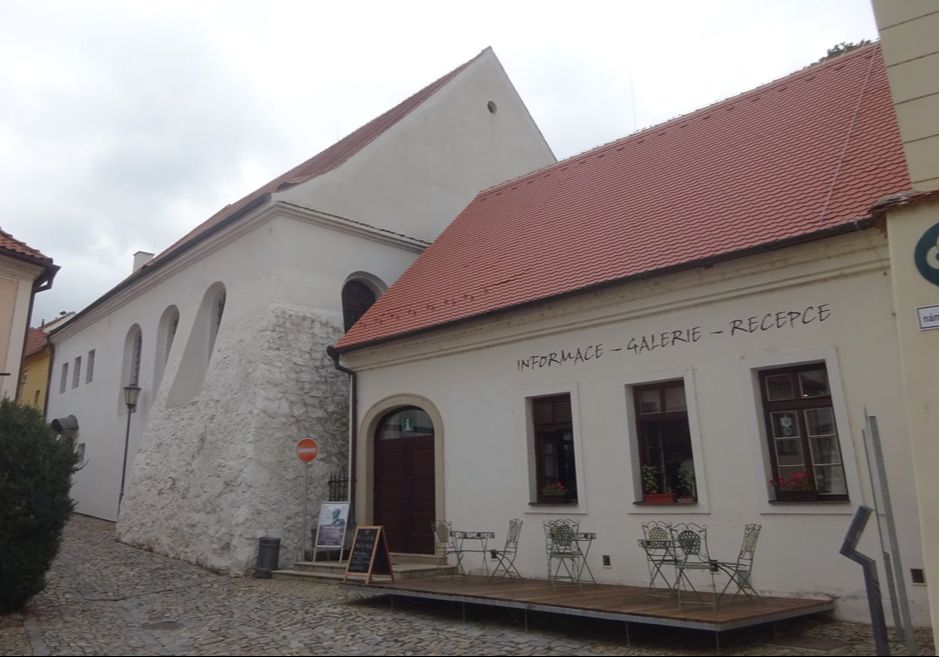
The oldest mention of a synagogue in Třebíč archives is from 1590, although many of gravestones in the cemetery are much older.  In the 16th century, orders were given to expel all Jews from the town, although they were not carried out.  The older of the two synagogues still standing dates to the mid-1600s. Unusually for Europe at the time, the Jewish Quarter had its own self-government with an elected magistrate and councilors beginning in the Renaissance.  In 1894, the town had a mayor and was called Zamosti (meaning 'over the bridge').

Most Jewish inhabitants (in 1890 there lived nearly 1,500 Jews, but in the 1930s only 300 of them were of Jewish faith) were deported and murdered in concentration camps by Nazi Germany during World War II. Only ten of them came back after the war. Therefore, many buildings of the Jewish town (e. g. the town hall, rabbi's office, hospital, poorhouse or school) no longer served their original purpose post war, and the houses are now owned by people of non-Jewish faith."

The neighborhood was under threat of destruction during the Communist era after WWII.  The government intended to raze it, and then build blocky apartment buildings.  However, the geology was found to be so unstable that the idea was abandoned, and the ghetto allowed to remain.  Over the centuries, the structures had been built factoring in this geology.  After the Communist era (post 1990), much refurbishment has happened, including an inflow of $40M from the United States.

This pedestrian bridge crossing the river from the square has been built to enhance touring of the Quarter:
Picture
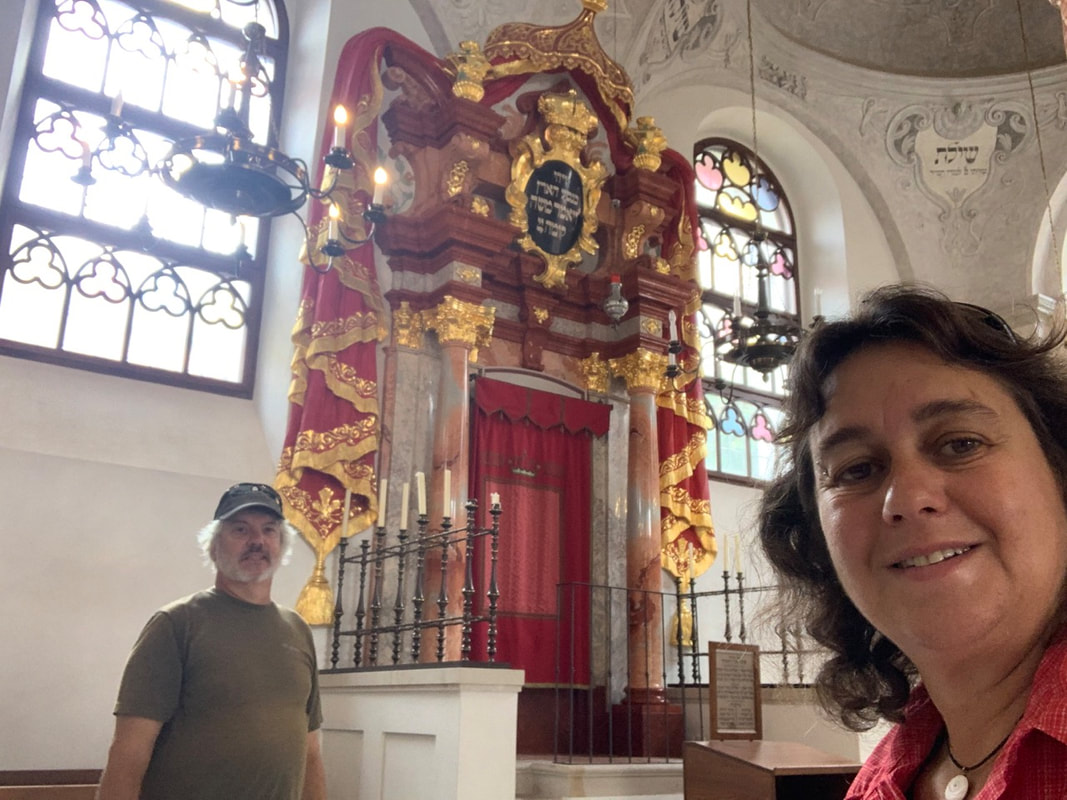
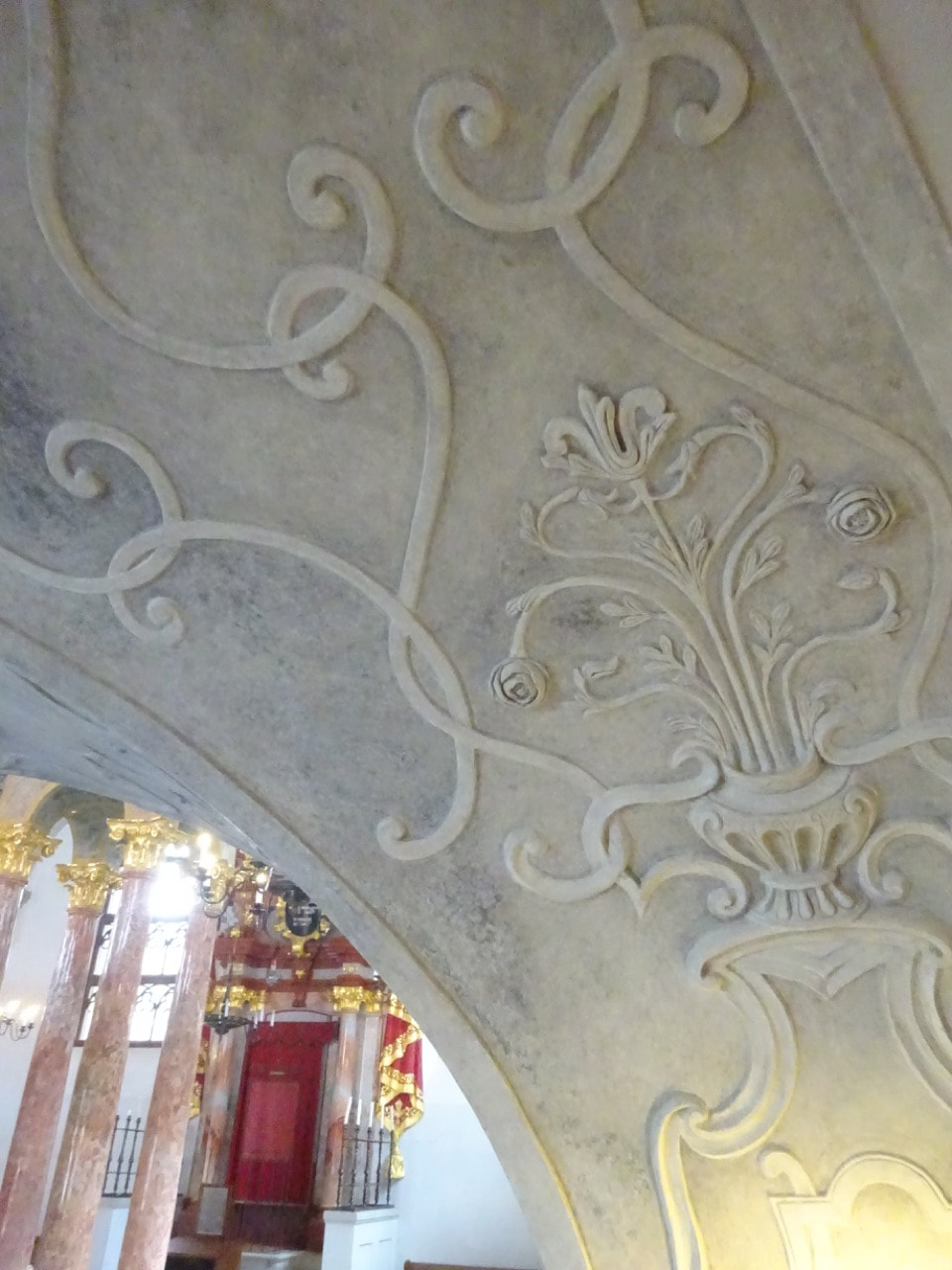
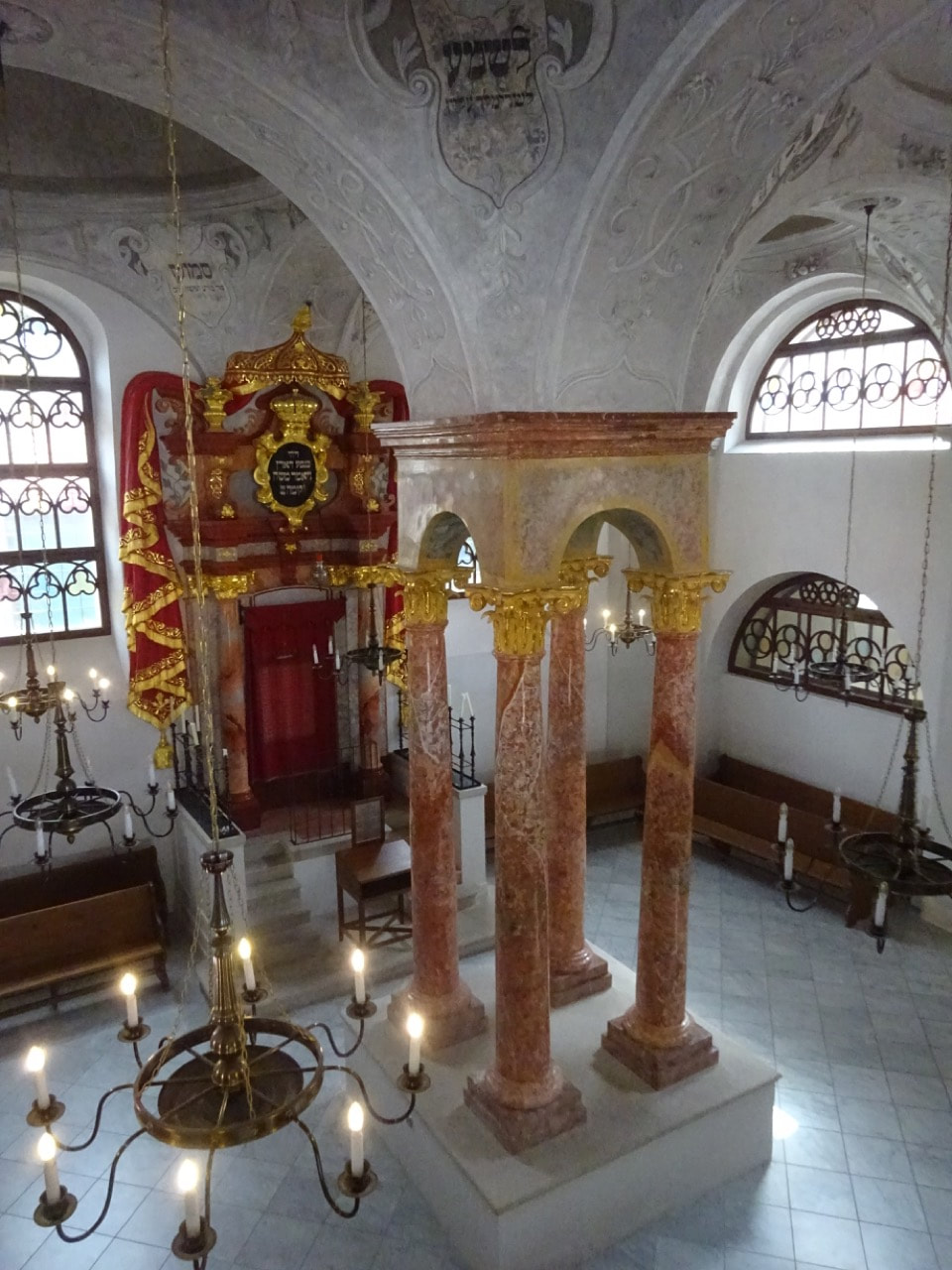
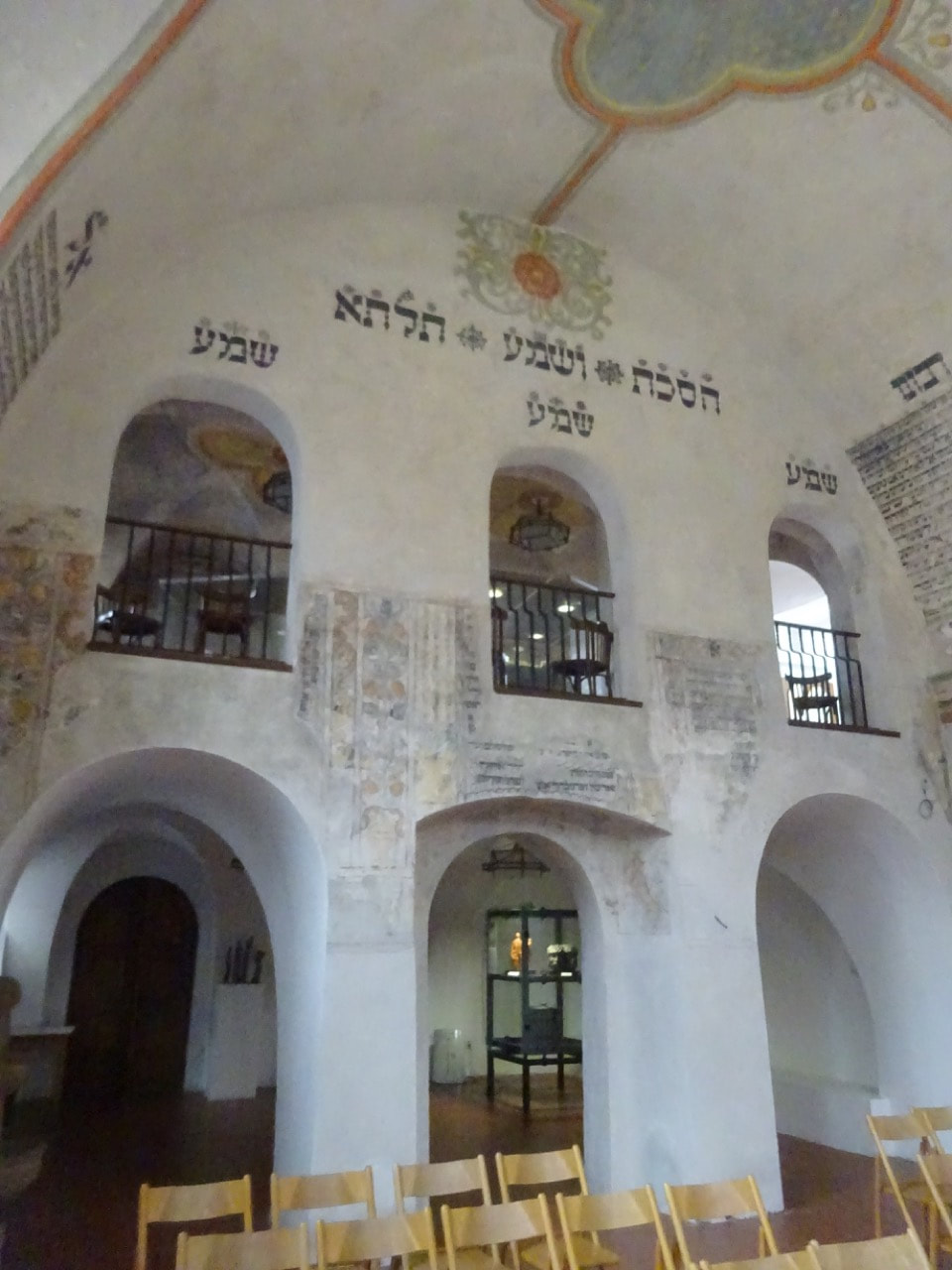
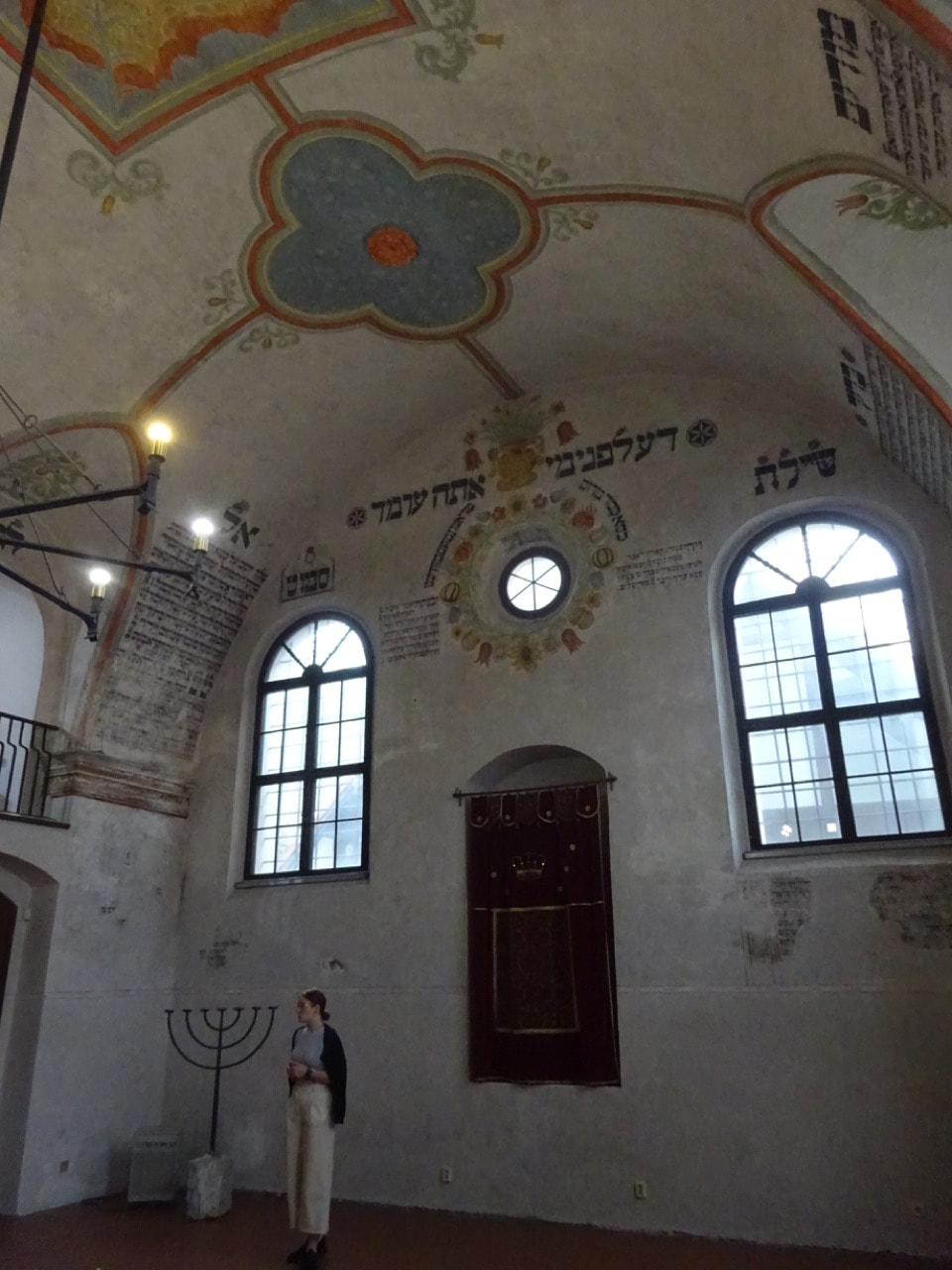
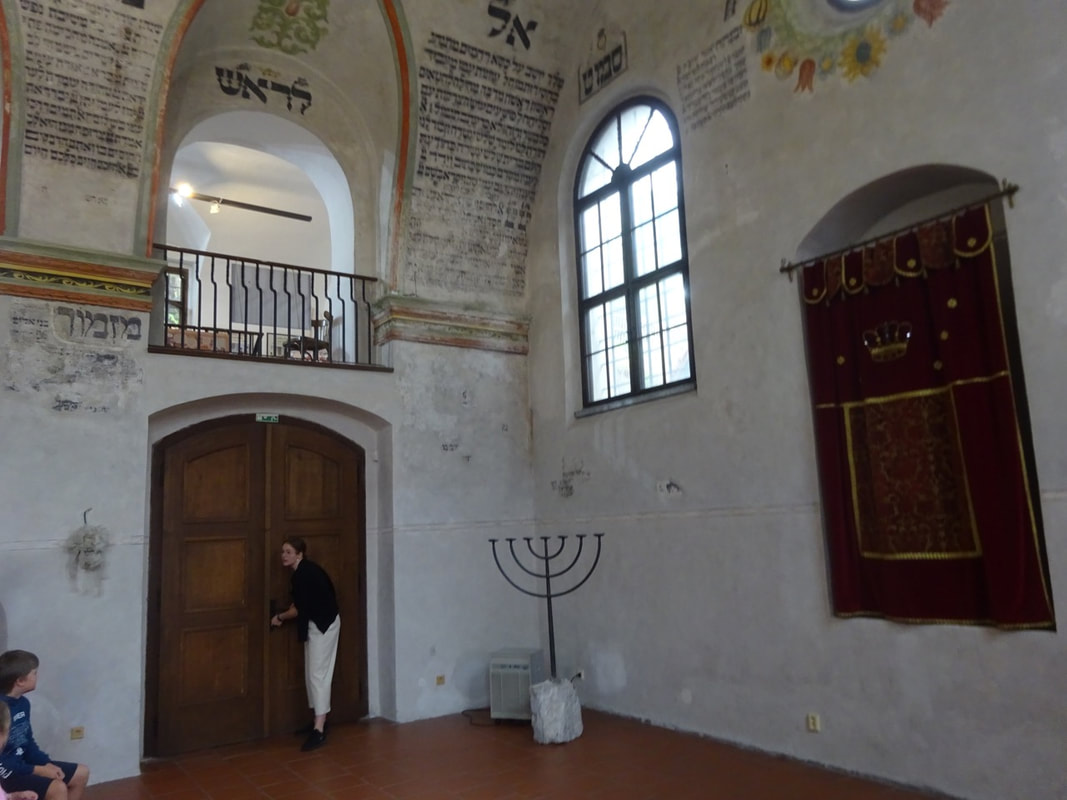
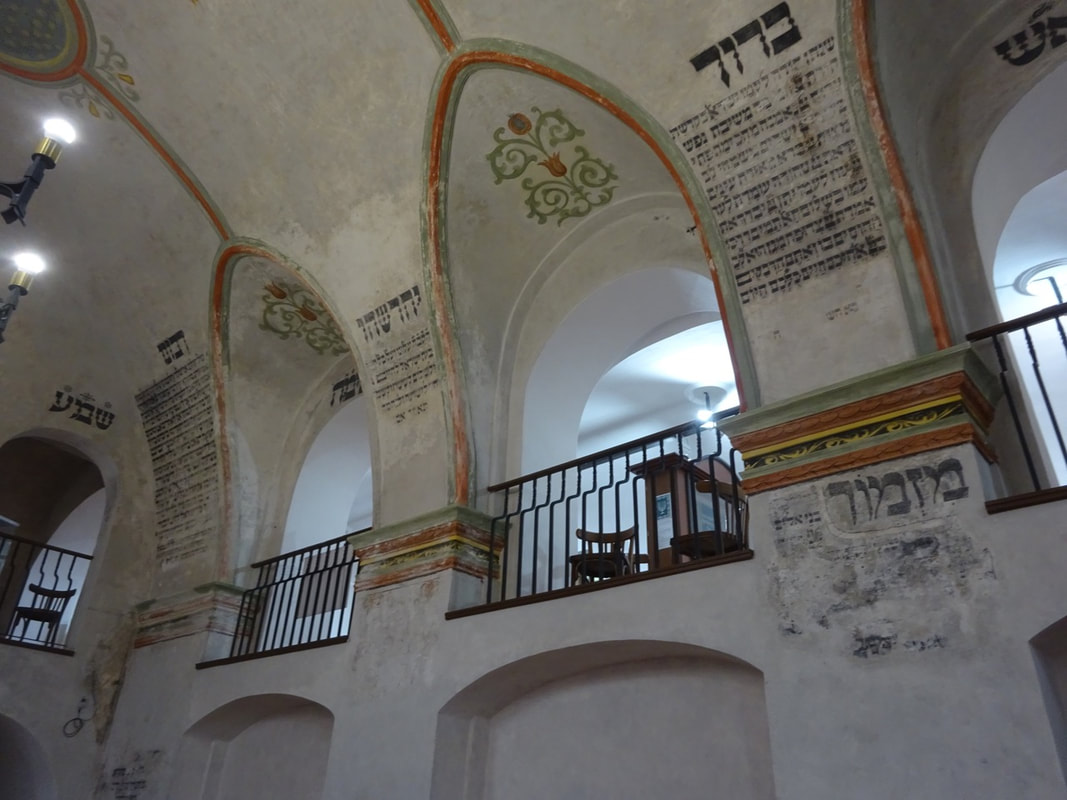
The restored synagogue is now a museum and a venue for small concerts.
Picture
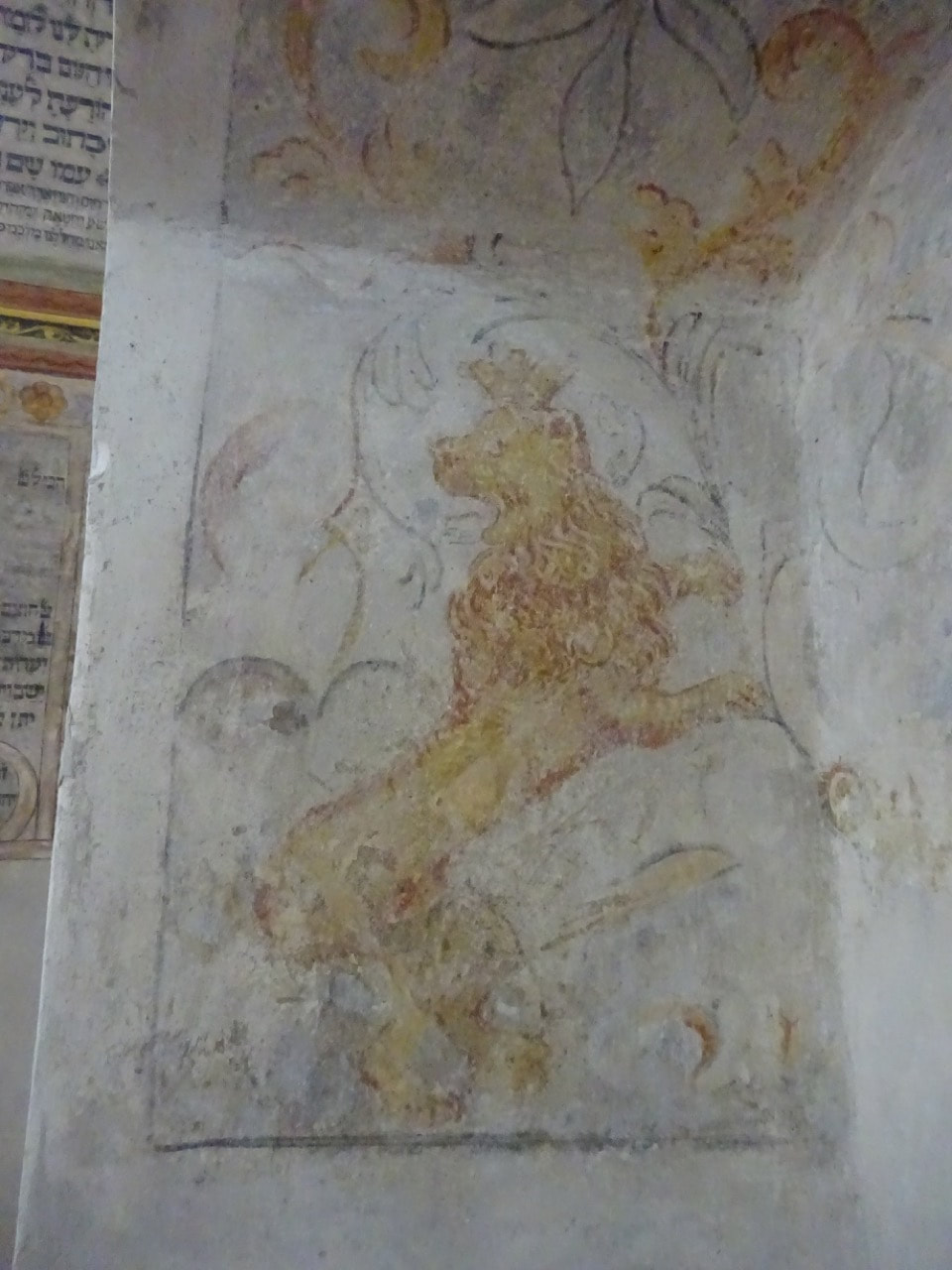
For many years the synagogue functioned as a store house damaging the wall frescoes just off the floor.
Picture
Picture
Picture
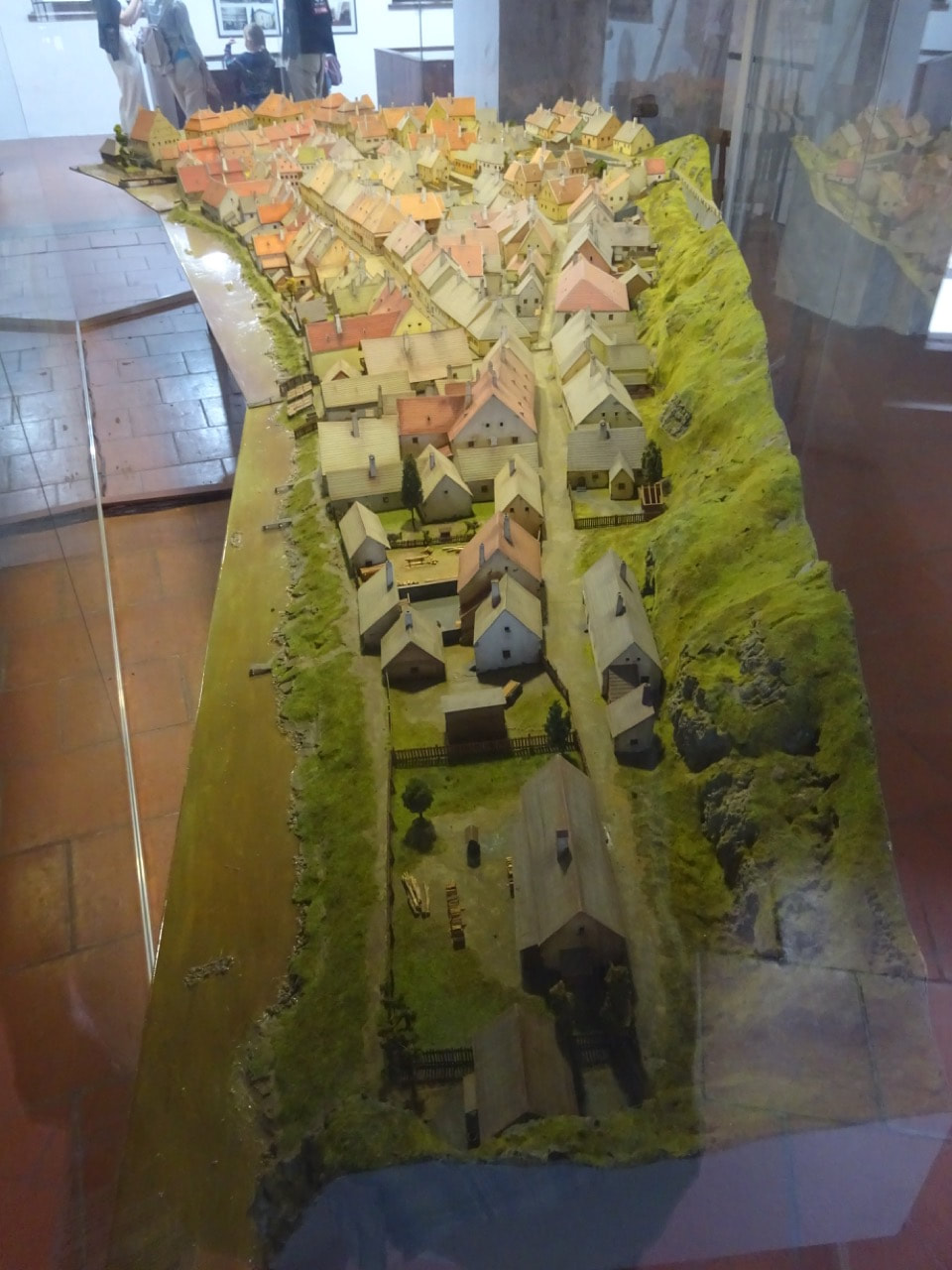
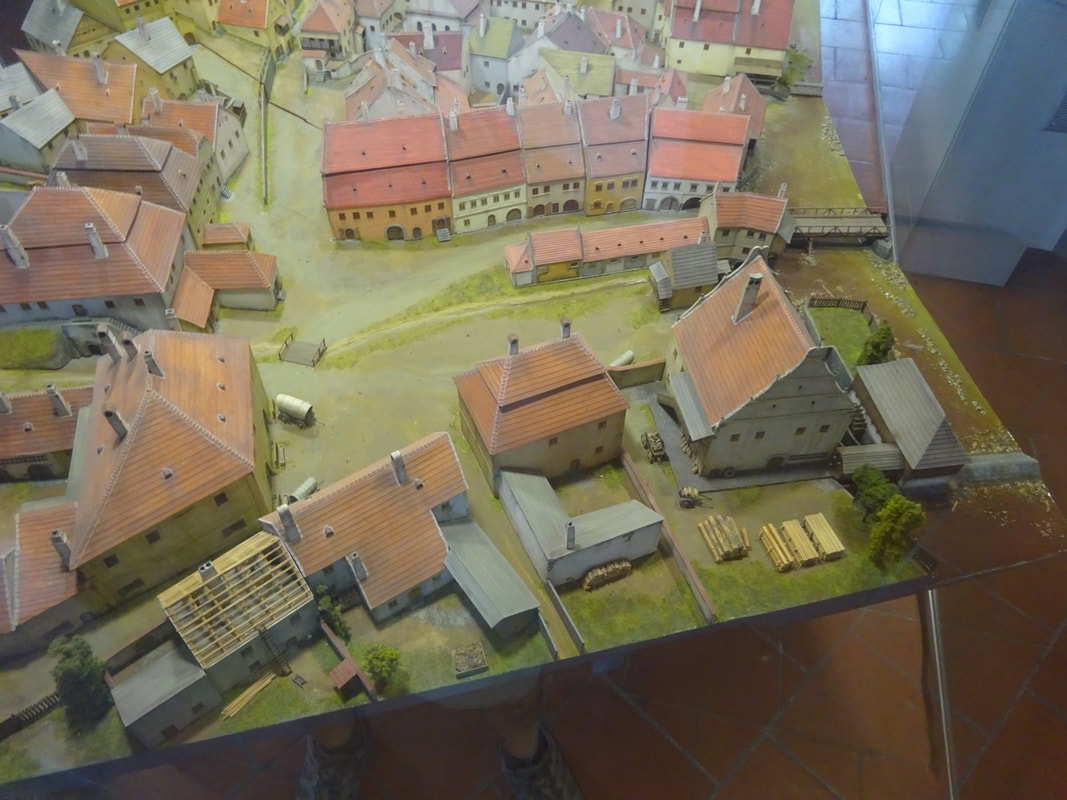
This model of the Quarter was created by a craftsmen with 3,000 hours work.
Picture
Picture
Picture
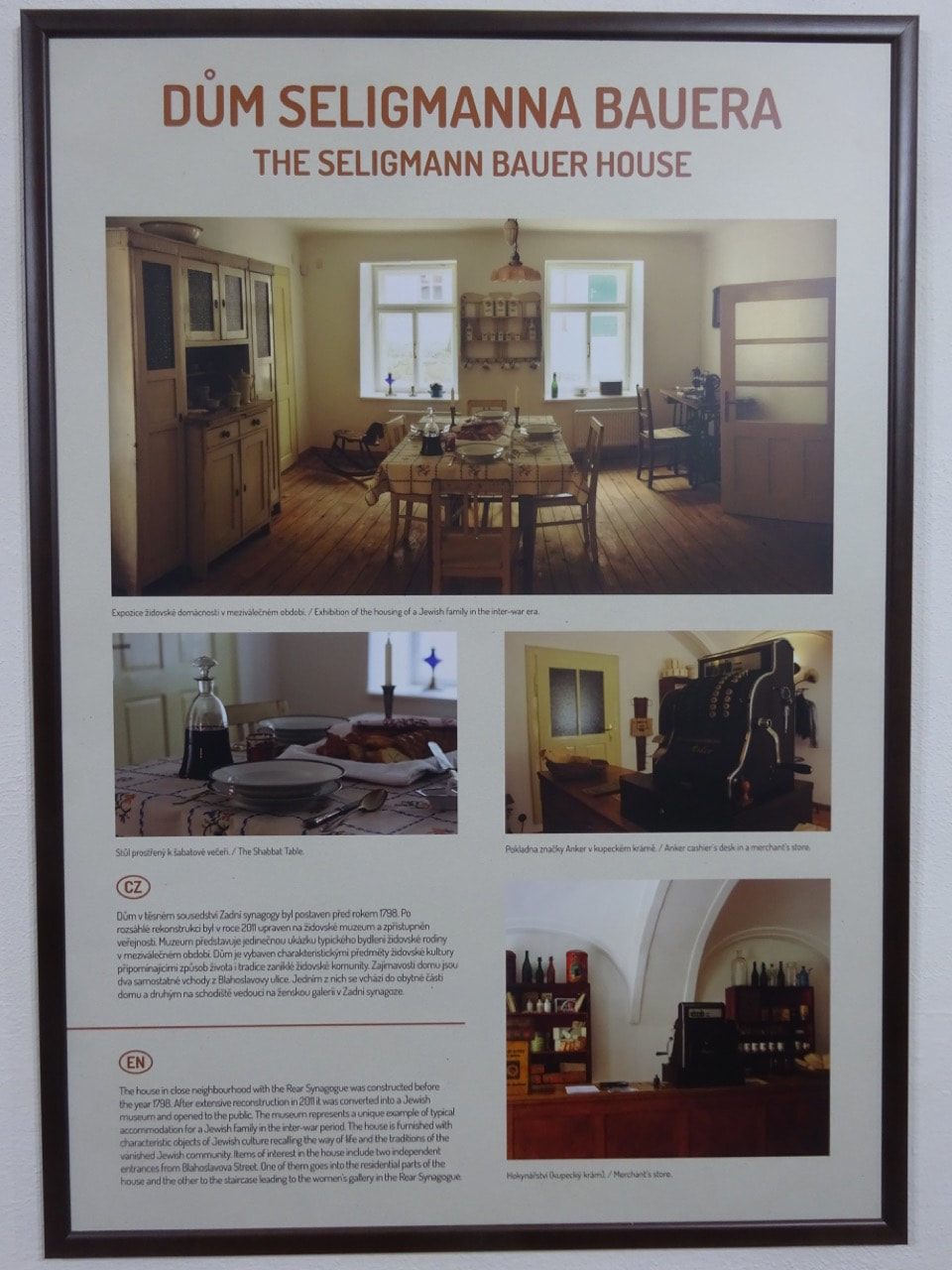
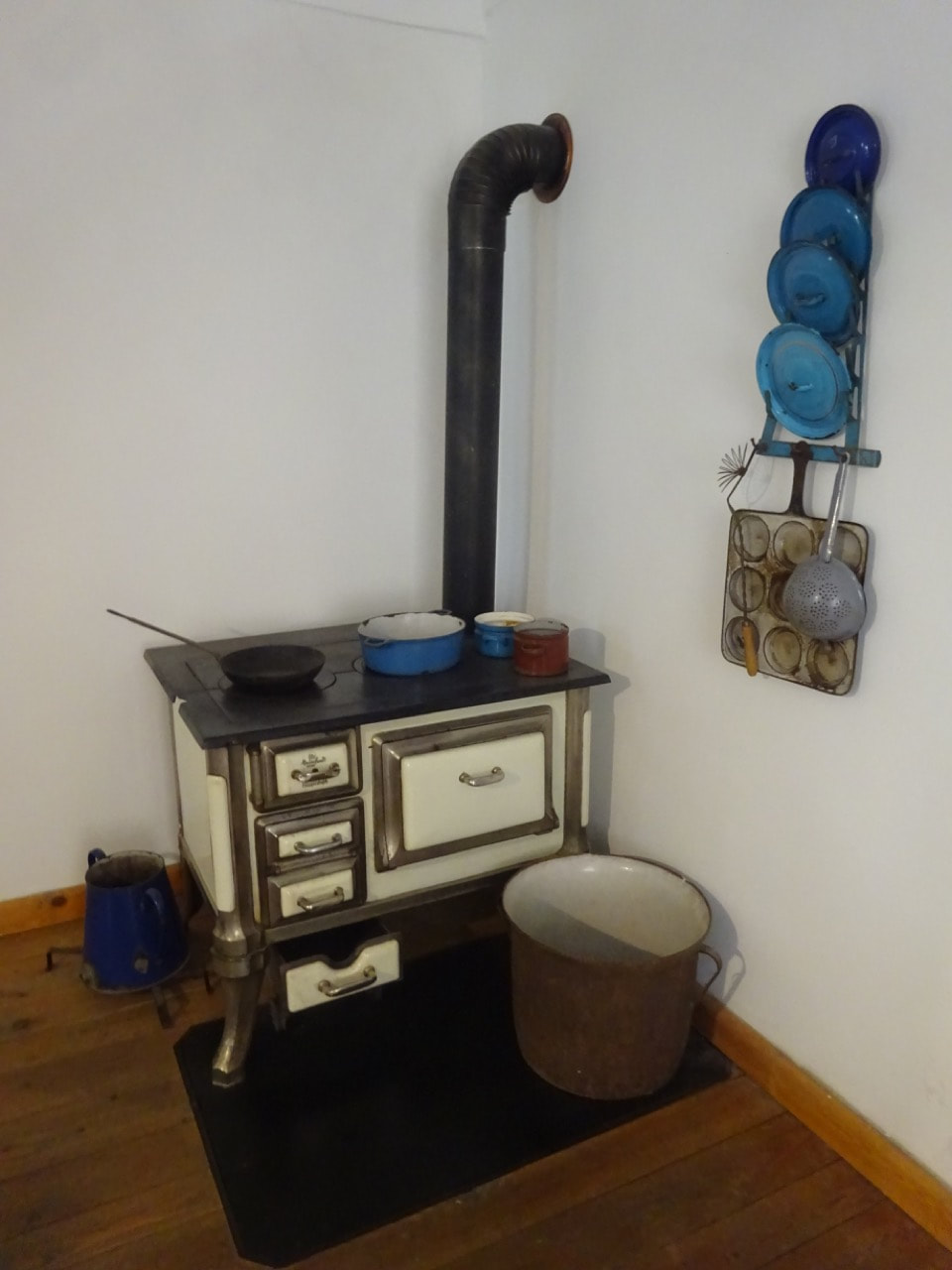
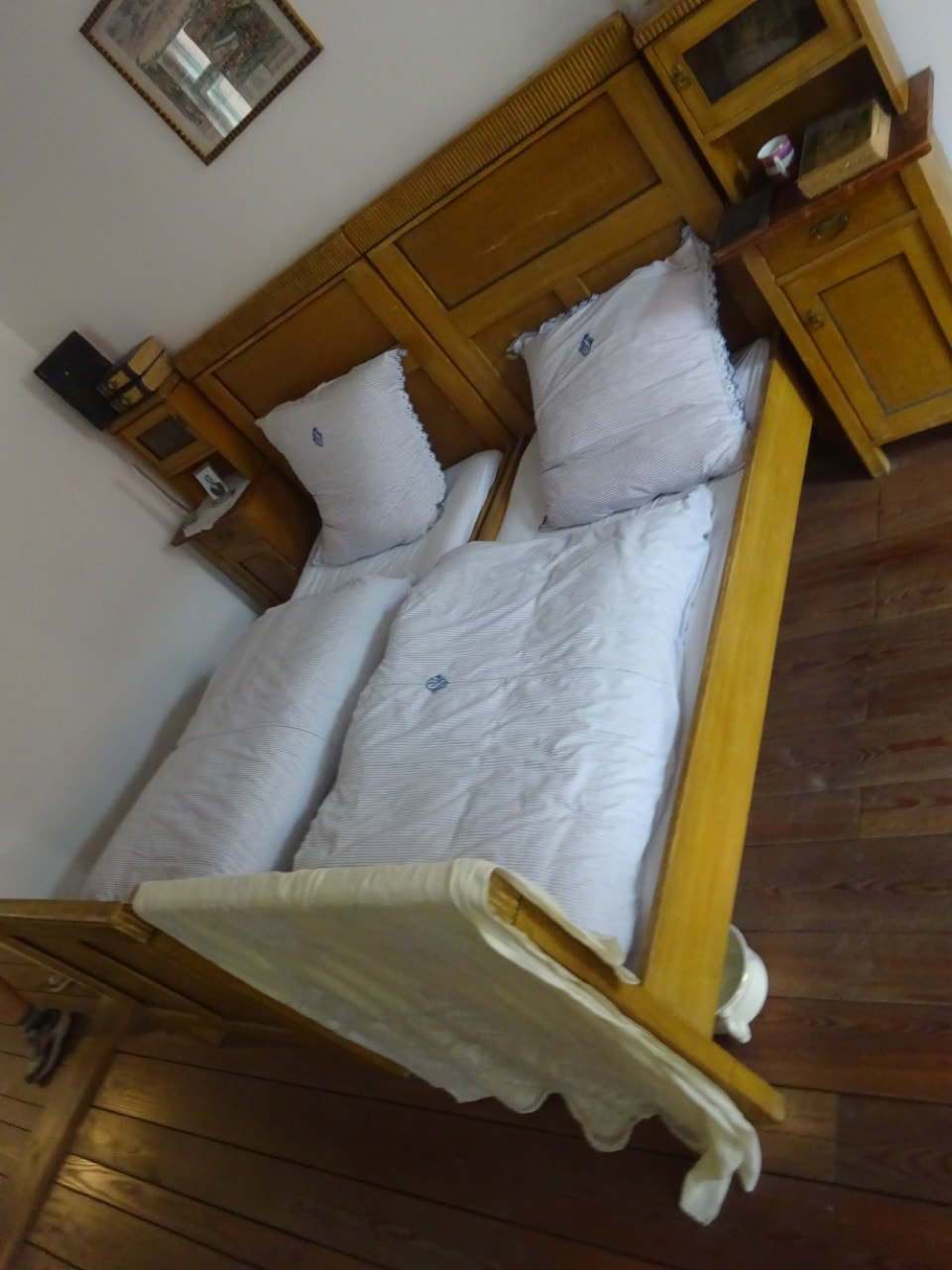
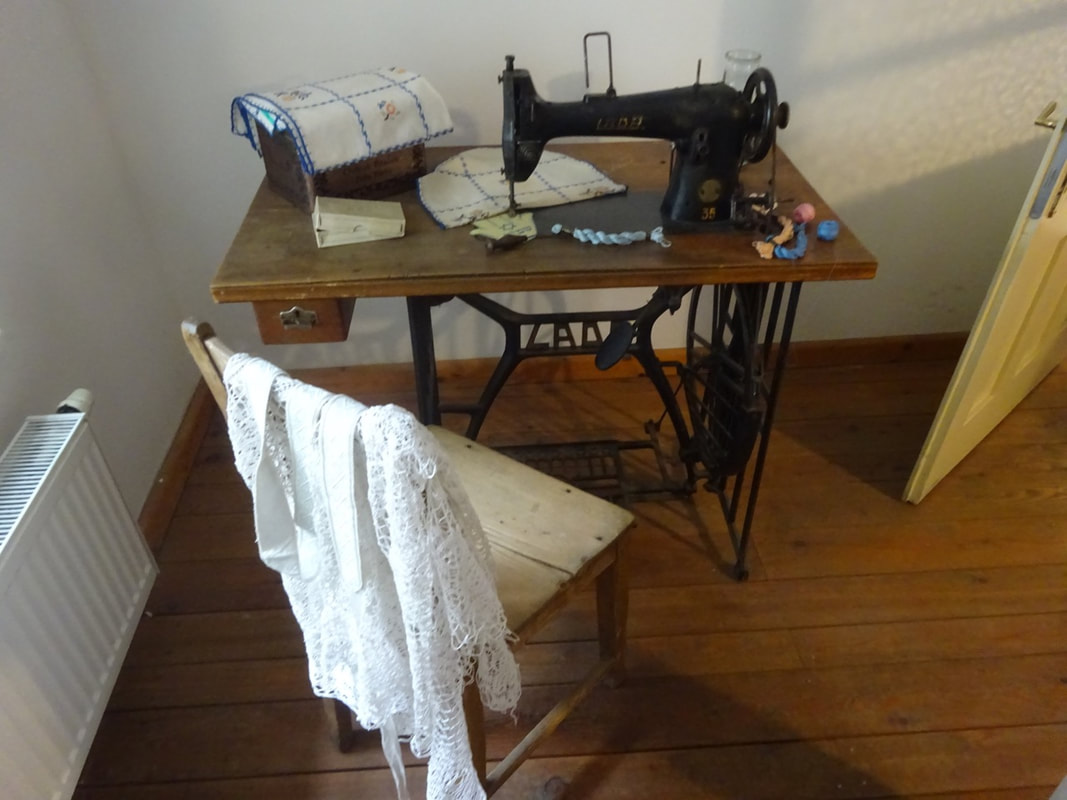
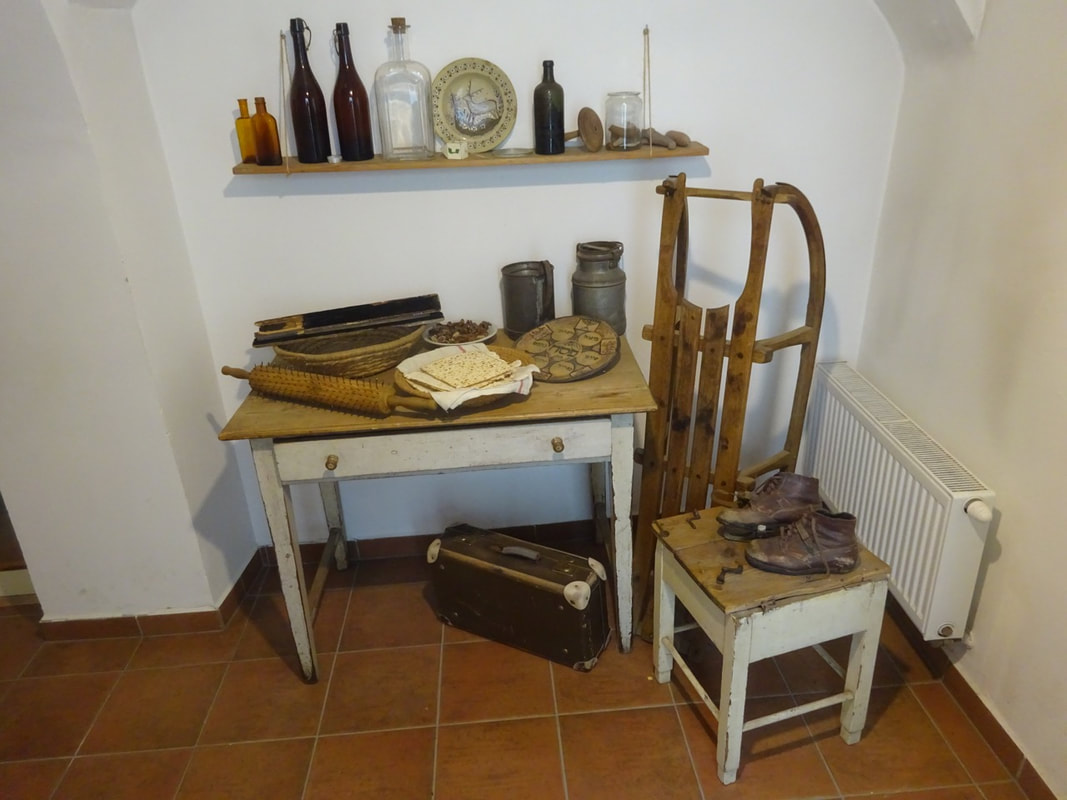
Adjacent to the synagogue is a home restored to a look, with furnishings, of an early 20th century Jewish household.
Picture
Picture
Picture
Picture
Picture
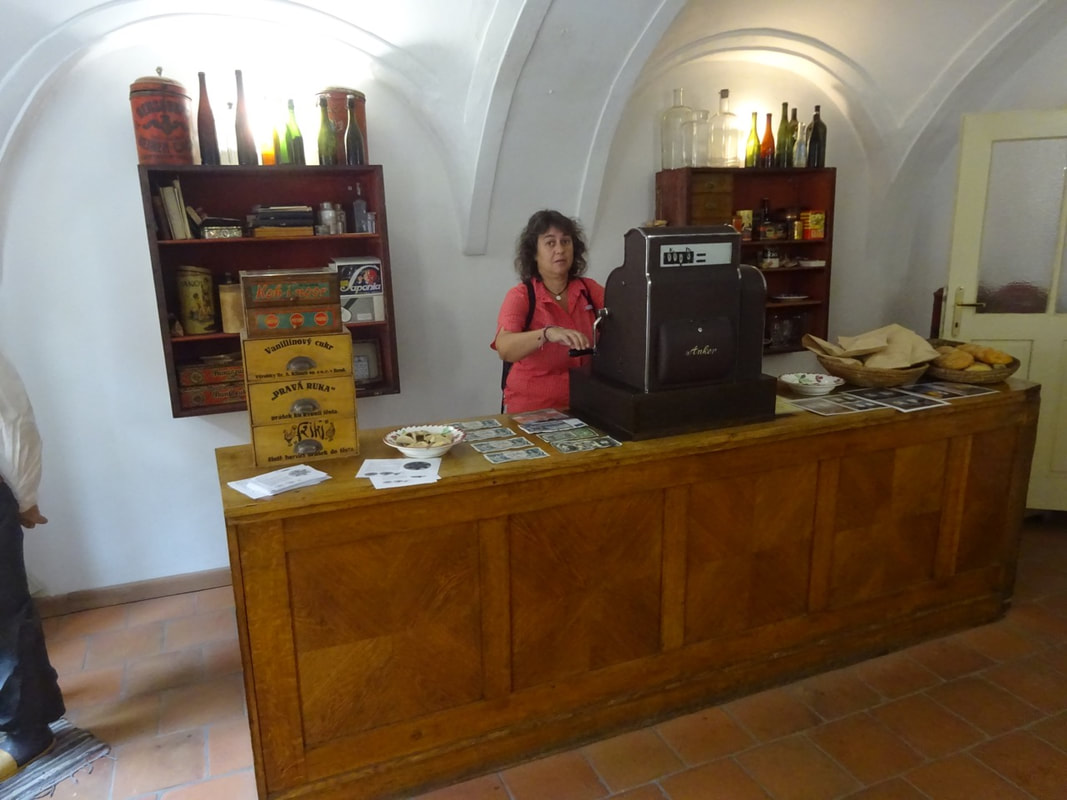
A shop on the lower floor, typical of Jewish homes in that period:
Picture
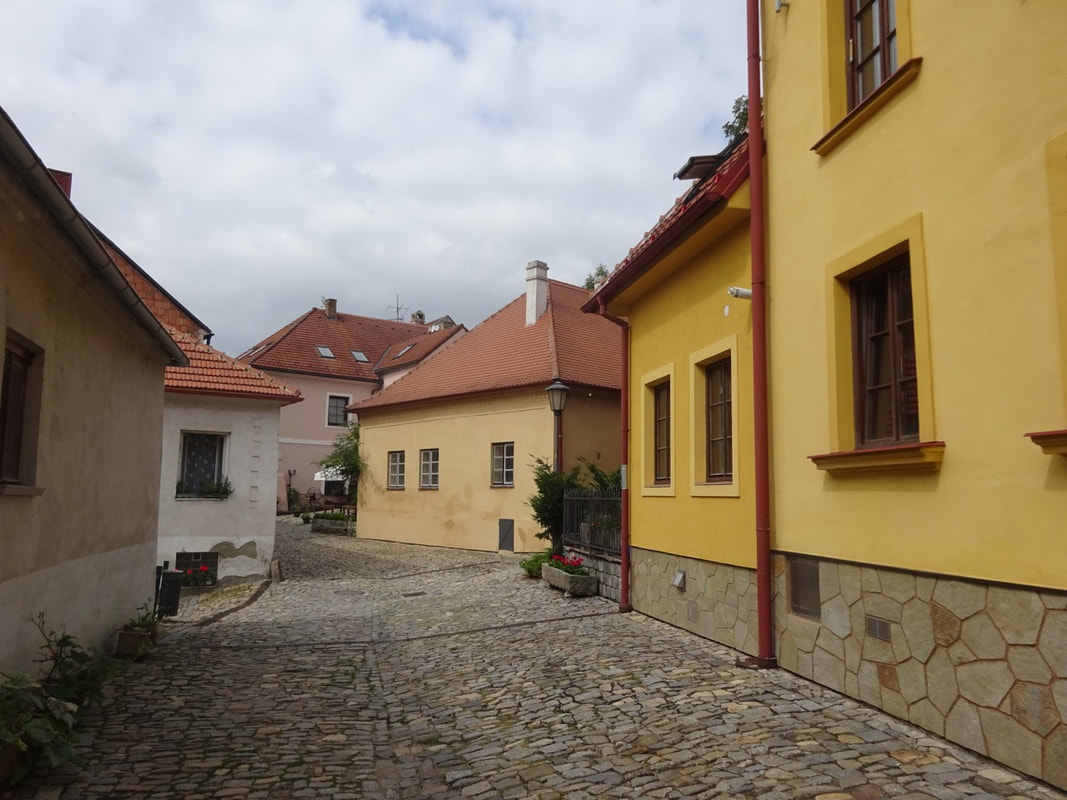
Our lodging was in the unit at the upper right, with red tiled roof, white walls, and the two lower arches.
Picture
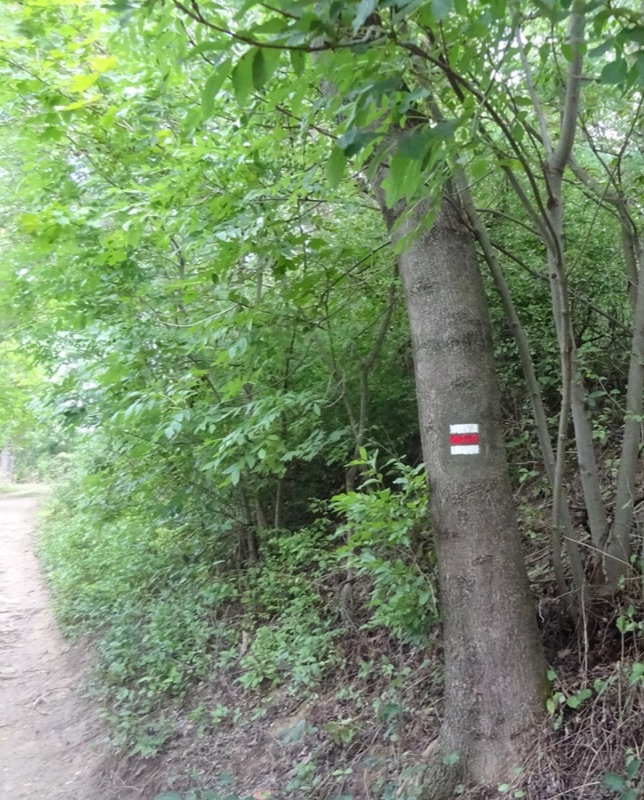
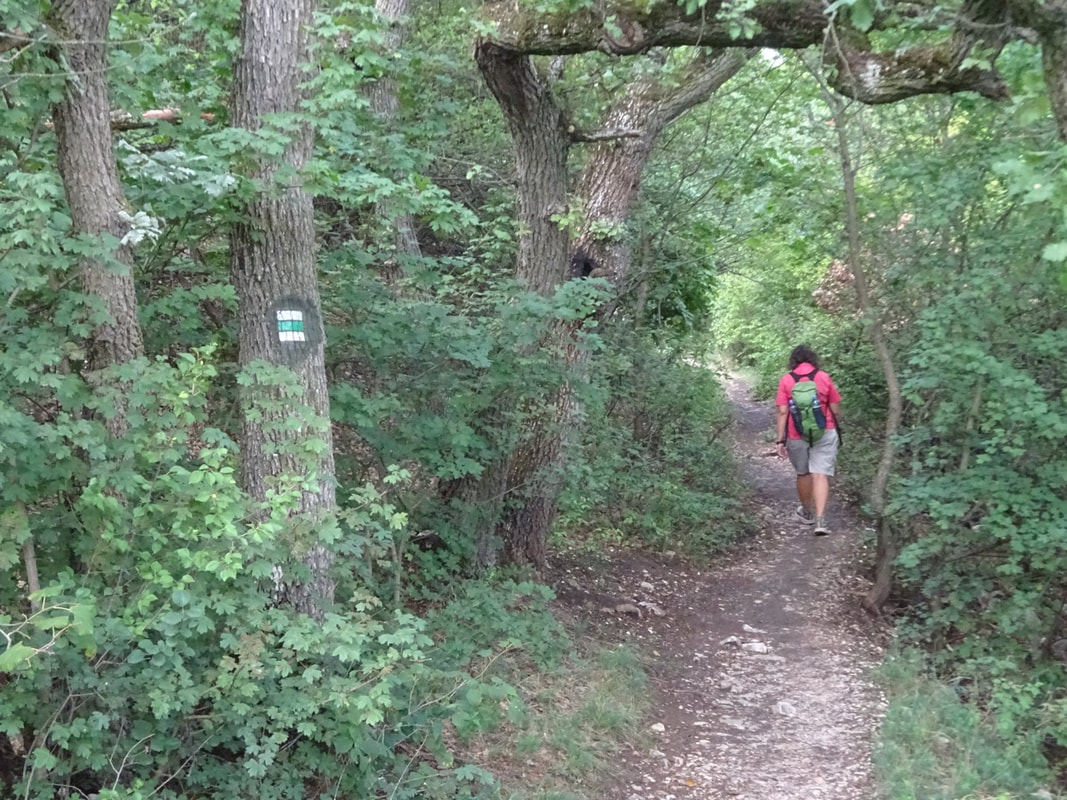
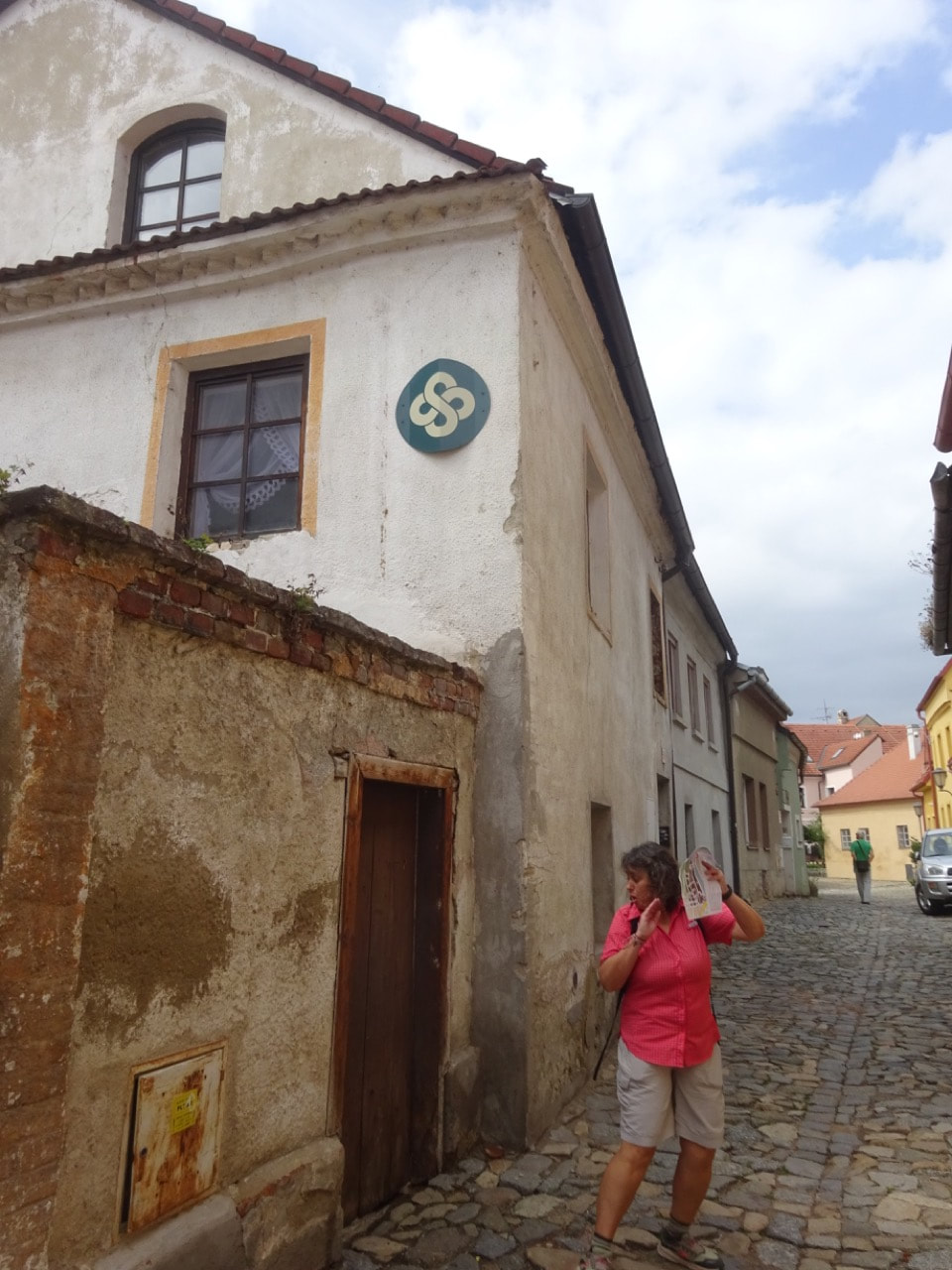
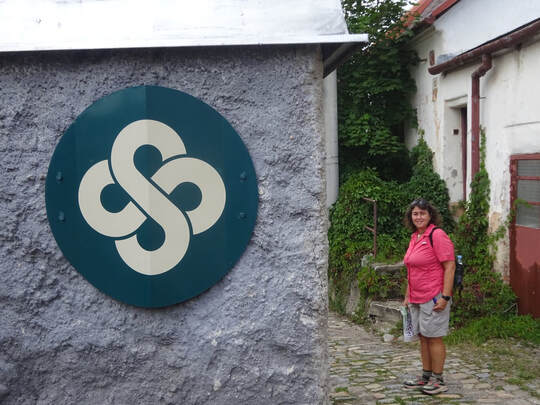
Our tour generally followed a route marked by this green/white emblem.  Just as I snapped a photo, a dog growled and snarled from under the door.
Picture
Work on the old structures seems to continue slowly, but surely.
Picture
Picture
Picture
Picture
Picture
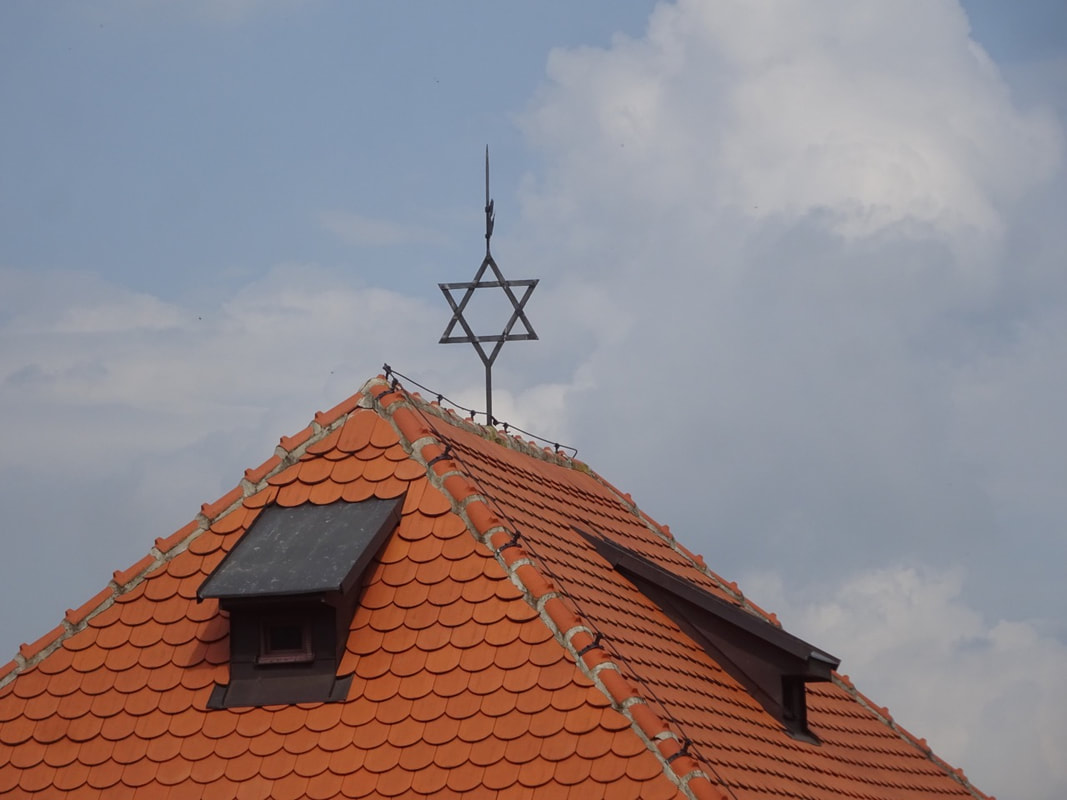
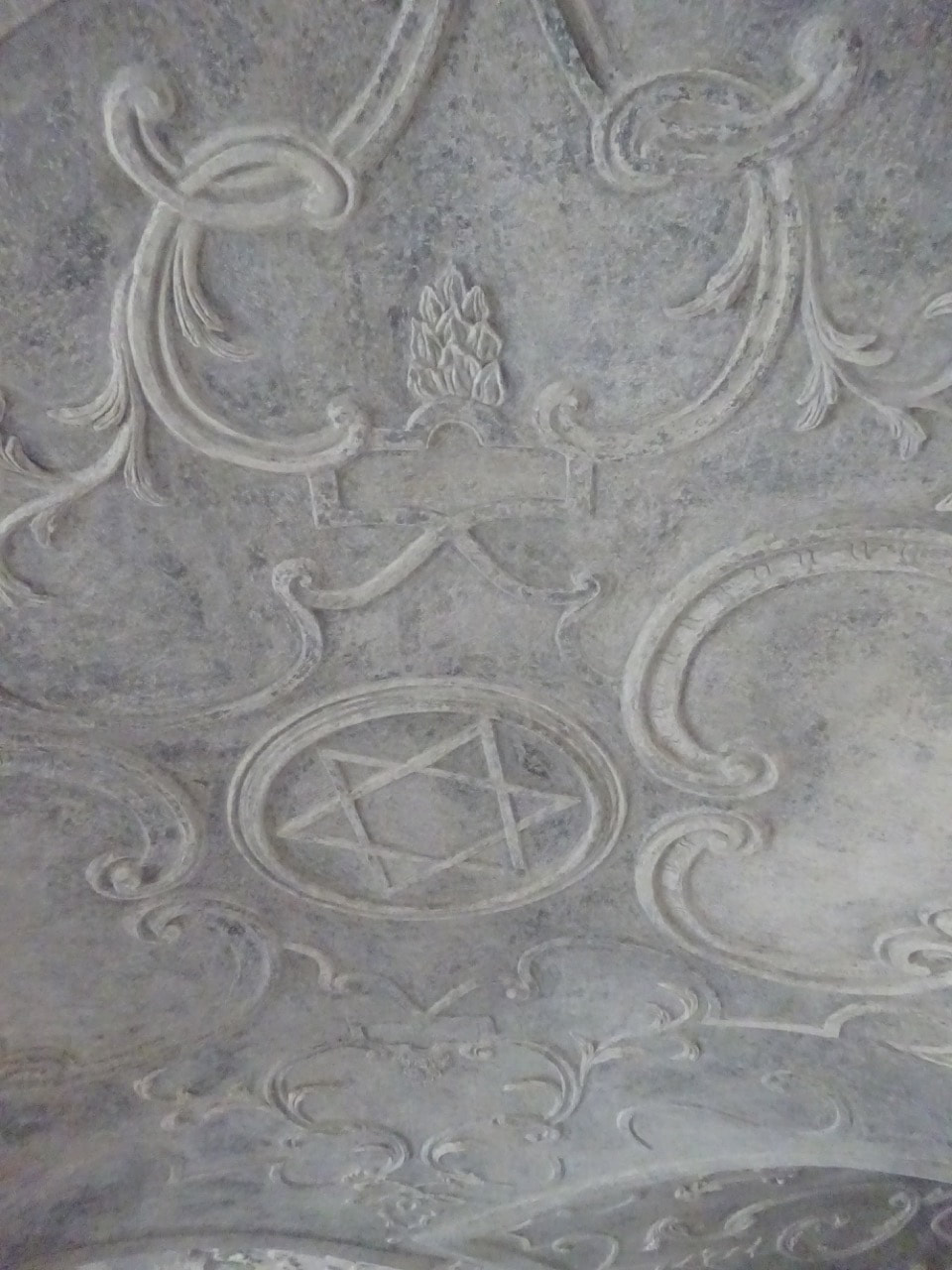
Now, just outside the cemetary, with the UNESCO symbol and the Star of David.
Picture
Picture
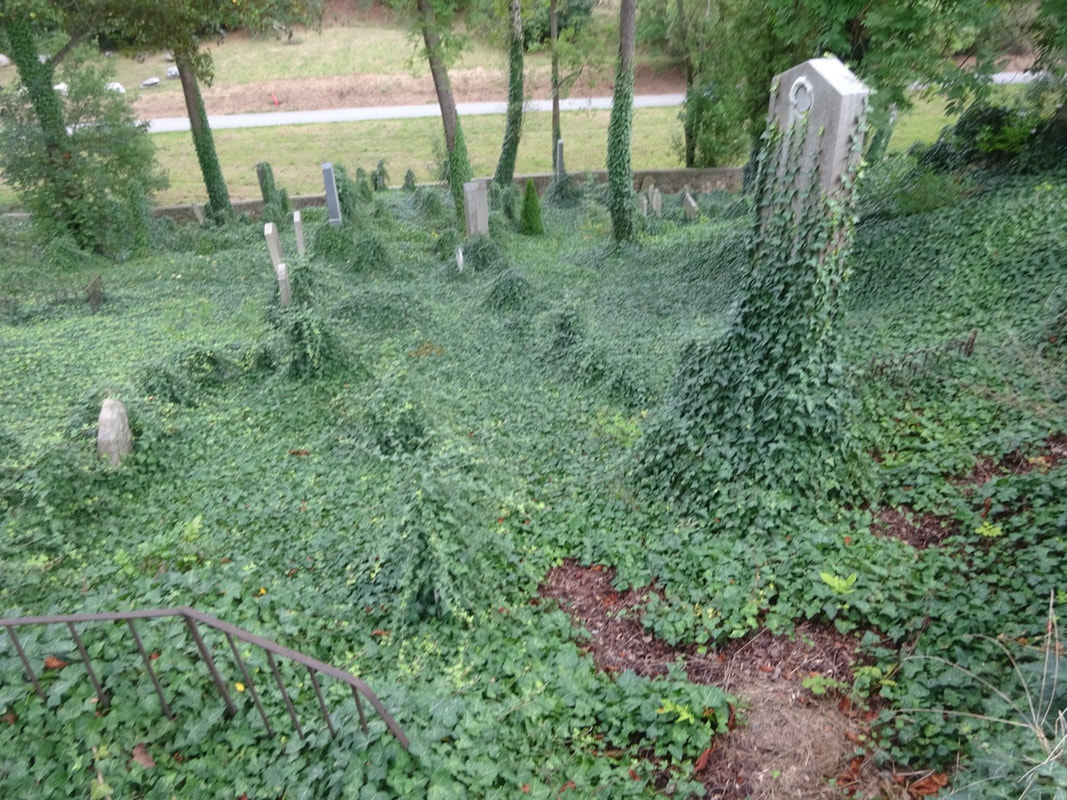
Much of the cemetary was fairly manicured and maintained, while parts of it are now in a wild state, especially on some steep sloping areas.
Picture
Picture
Picture


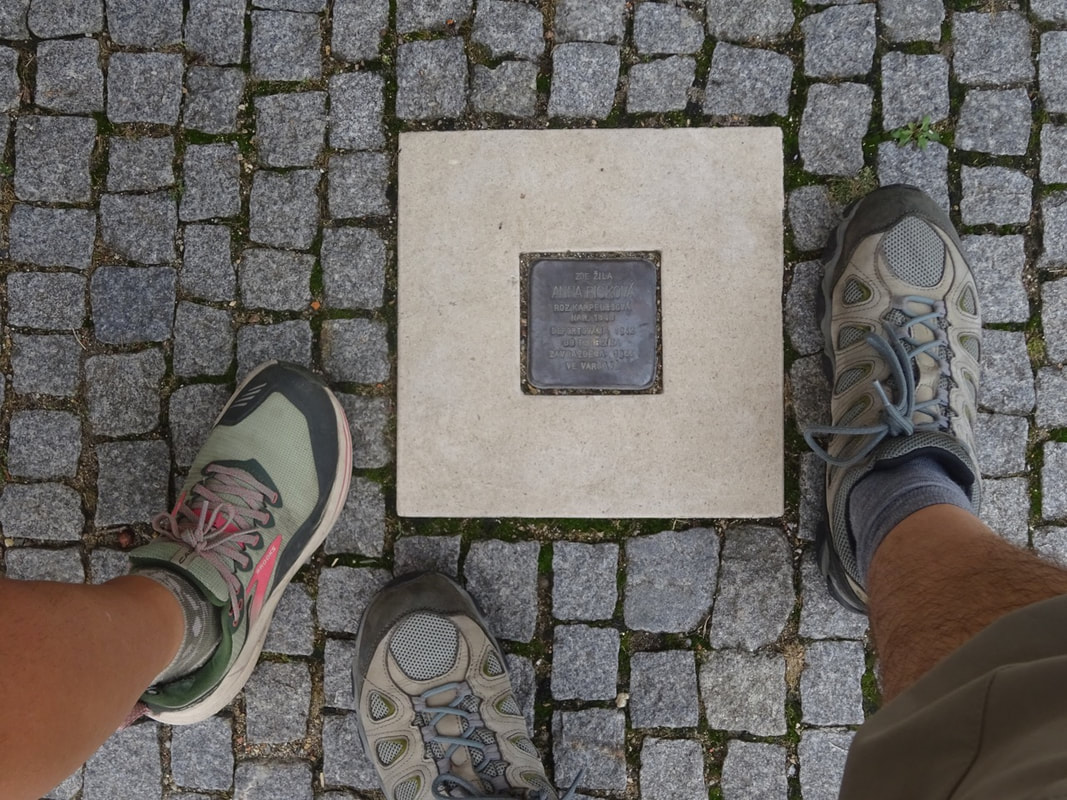
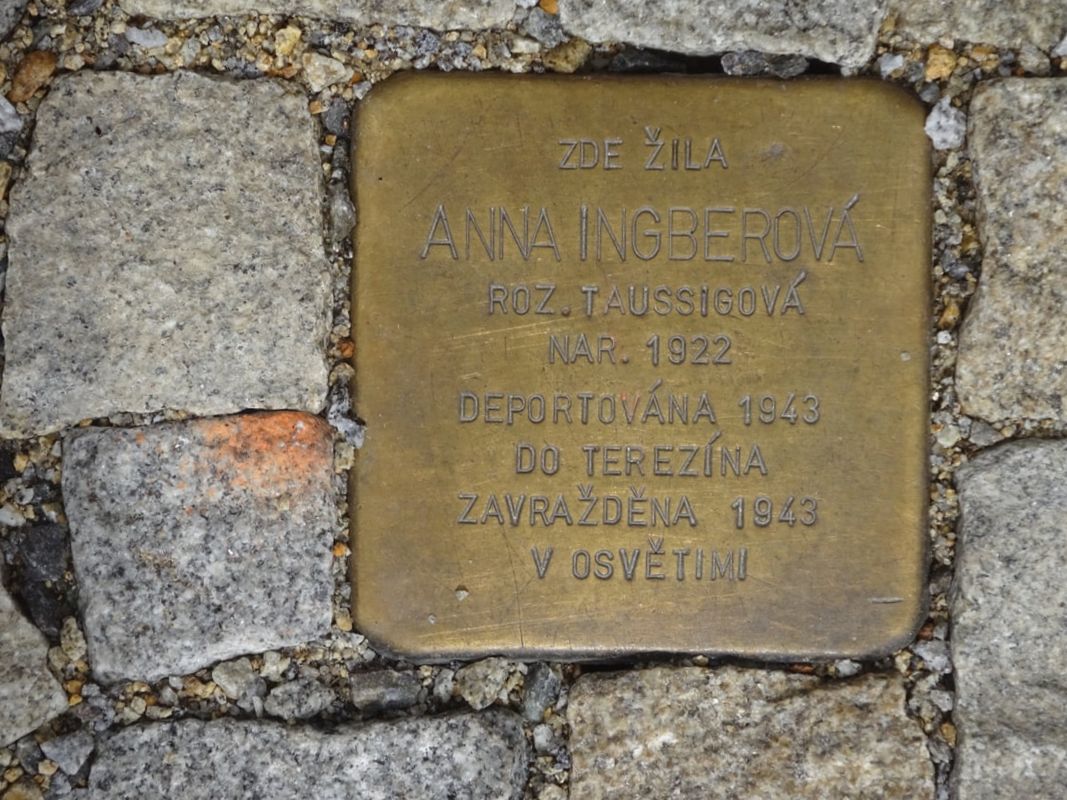
Anna Ingberová, born 1922, deported to Terezin Concentration Camp (Czechia) 1943, murdered 1943 Auschwitz-Birkenau (Poland).  One of the nearly 300 Jews taken away from this Quarter during WWII.
Picture

----------------------------------------------------------------------------------------------------------------------------------------------------

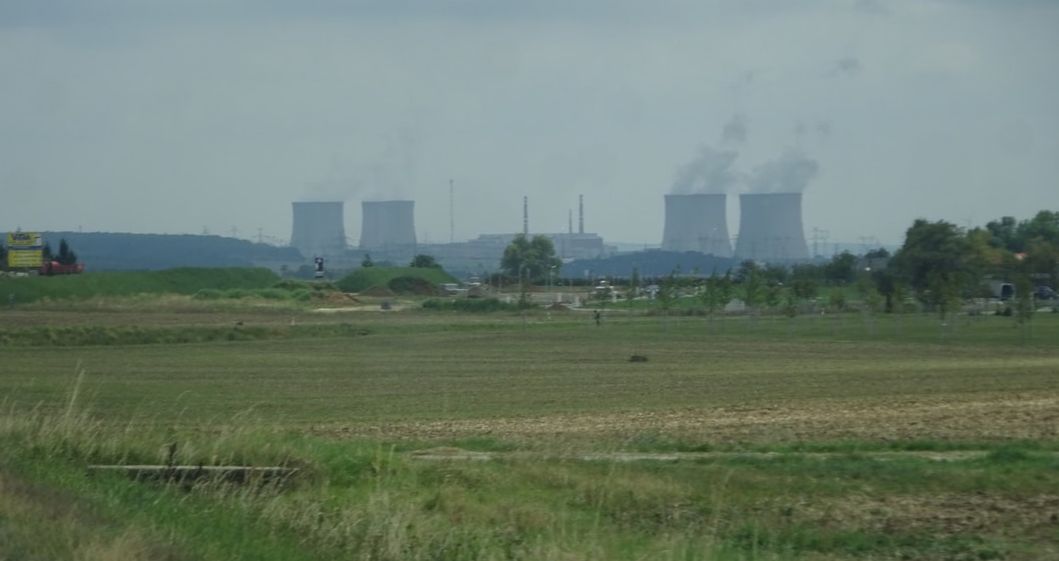
We now depart and head to Mikulov.  We pass by Dukovany Nuclear Power Station, from 1985.
Picture
Picture
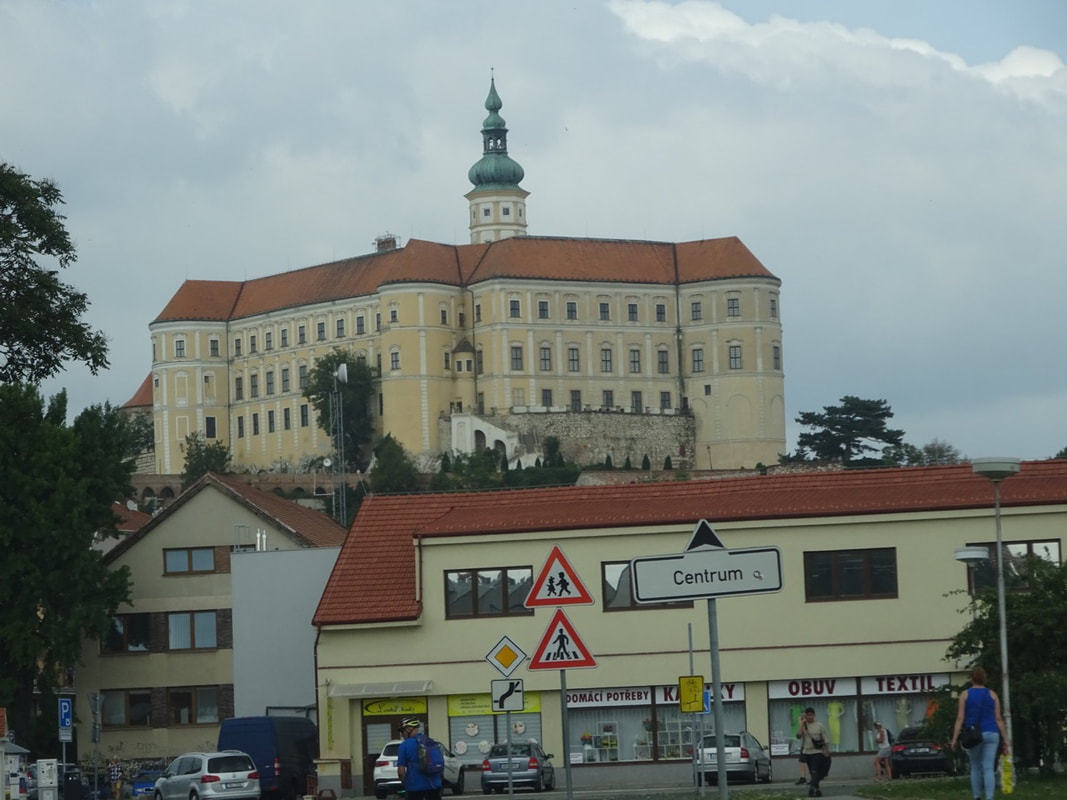
We arrive in Mikulov, with the Castle on the central hill.
Picture
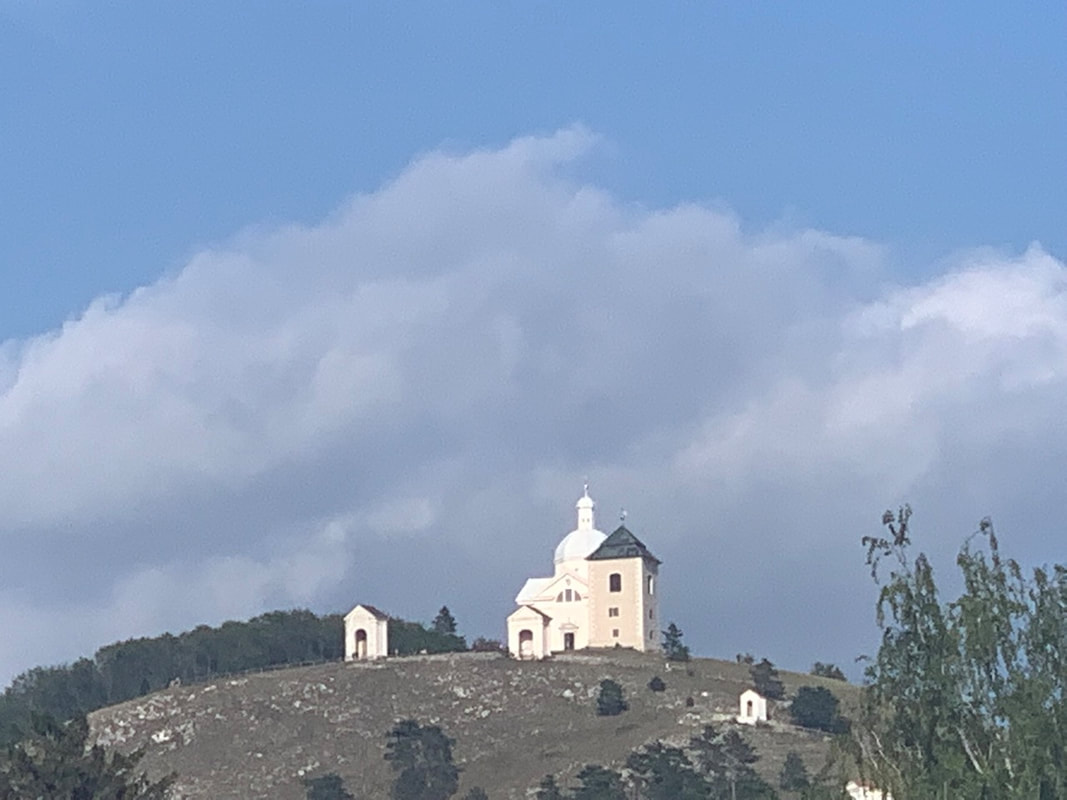
Chapel of St. Sebastian on Svatý Kopeček Hill overlooks the town.
Picture
0 Comments

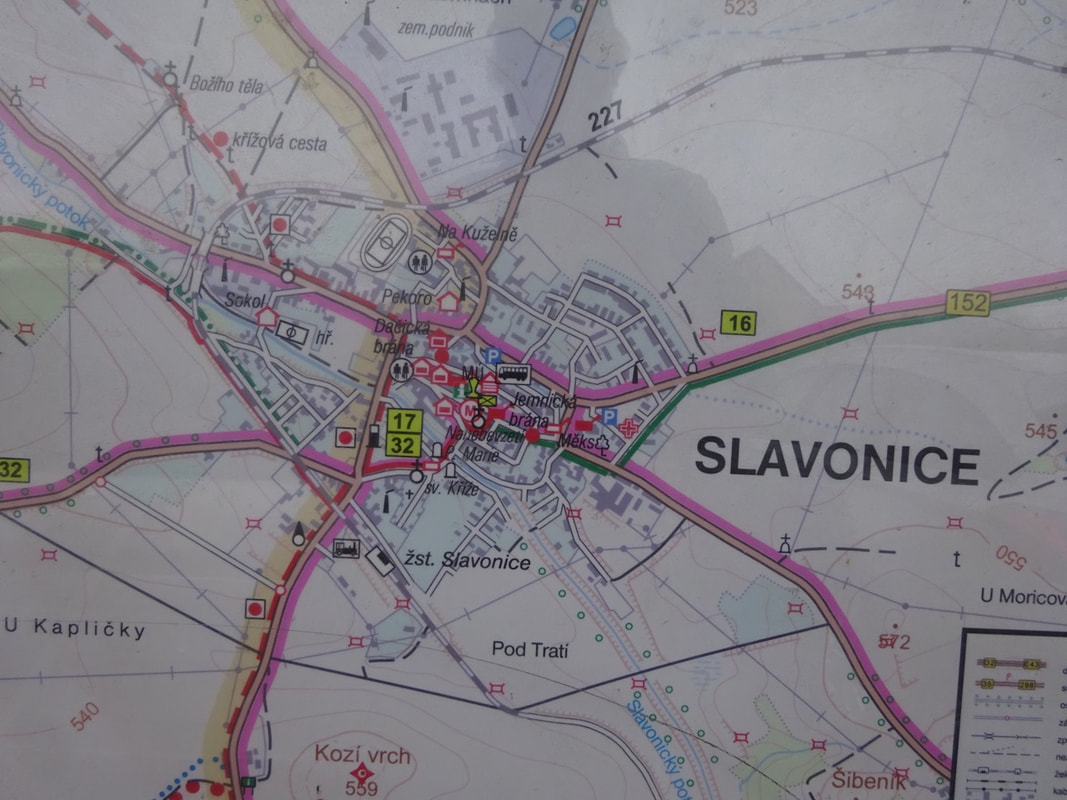
Třeboň, then Trebic via Slavonice & Telč

8/23/2022

0 Comments

 
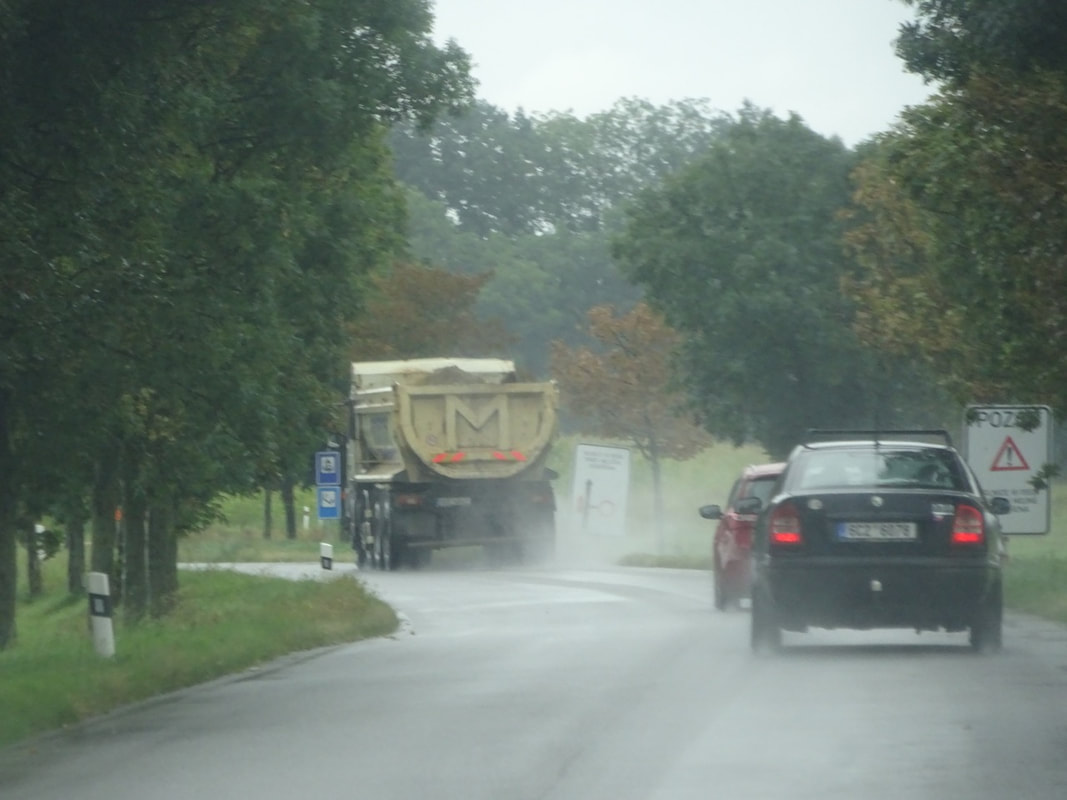
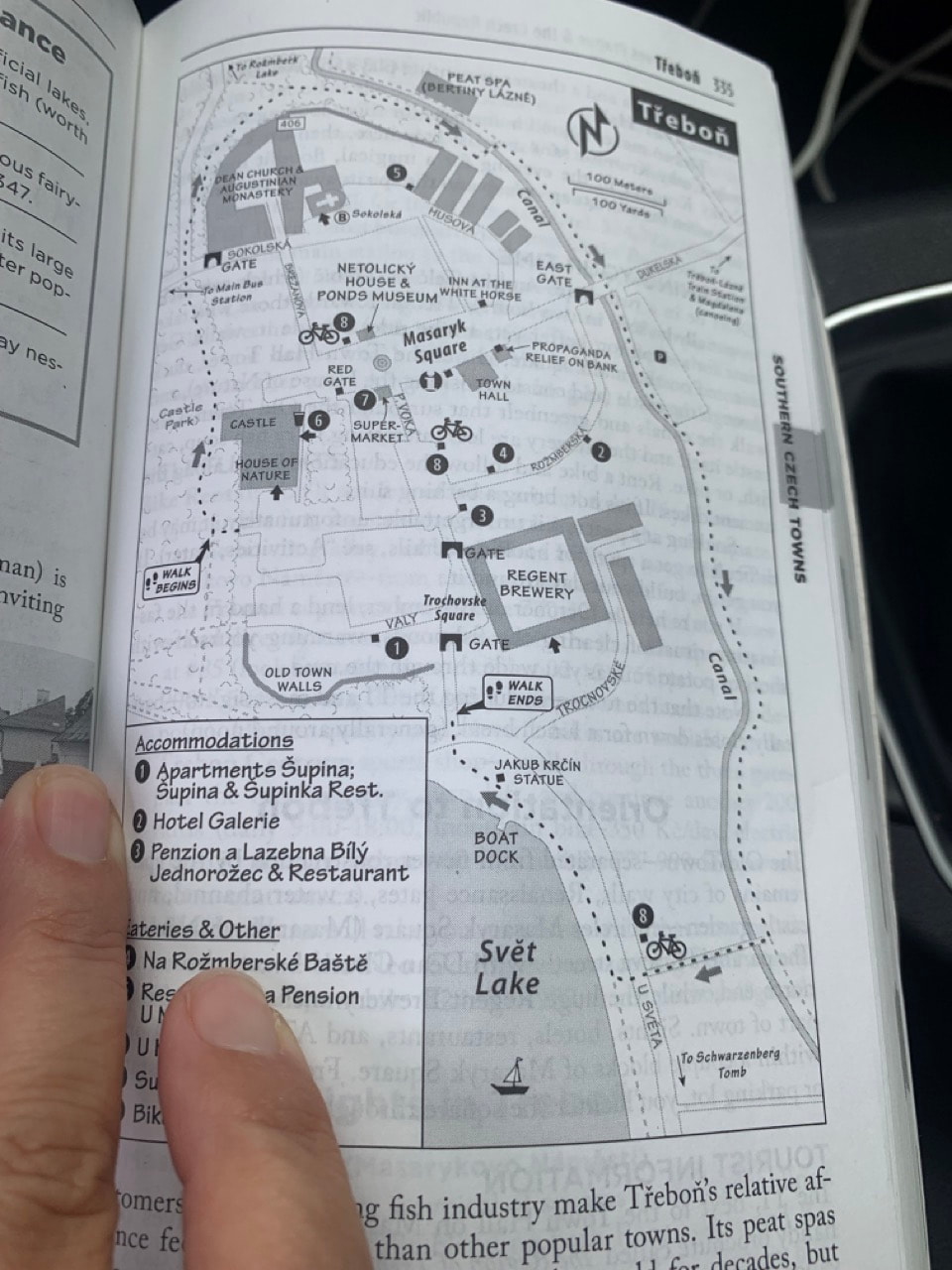
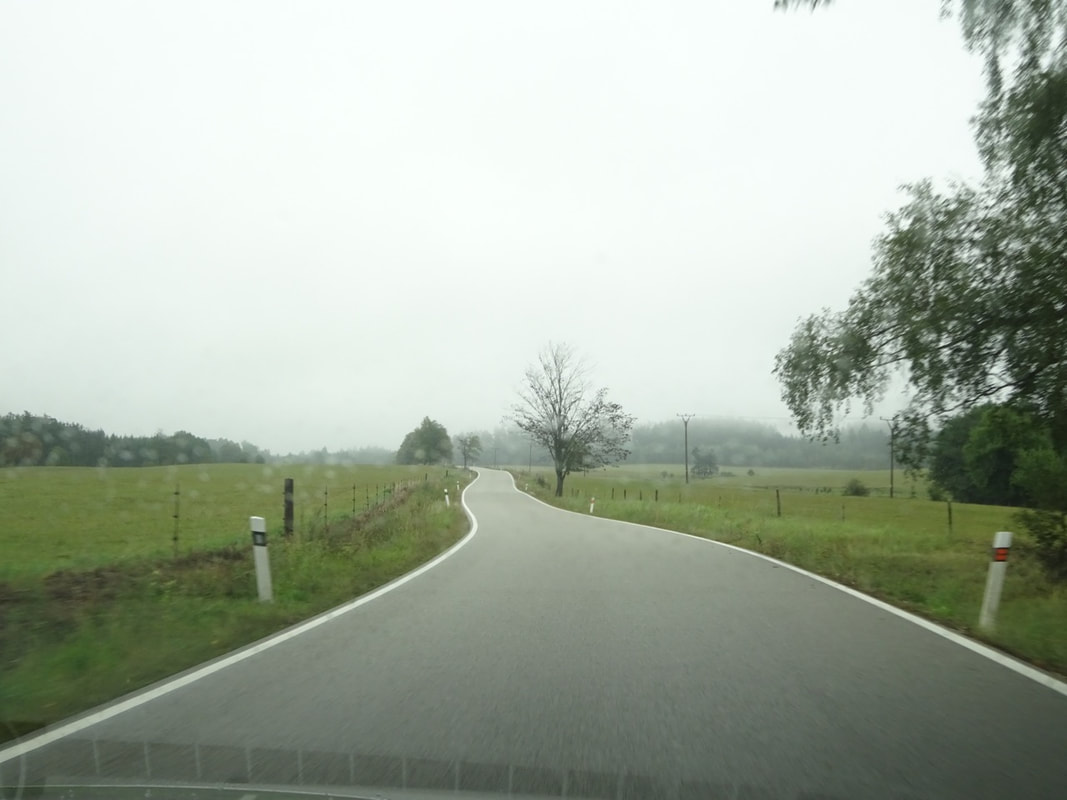
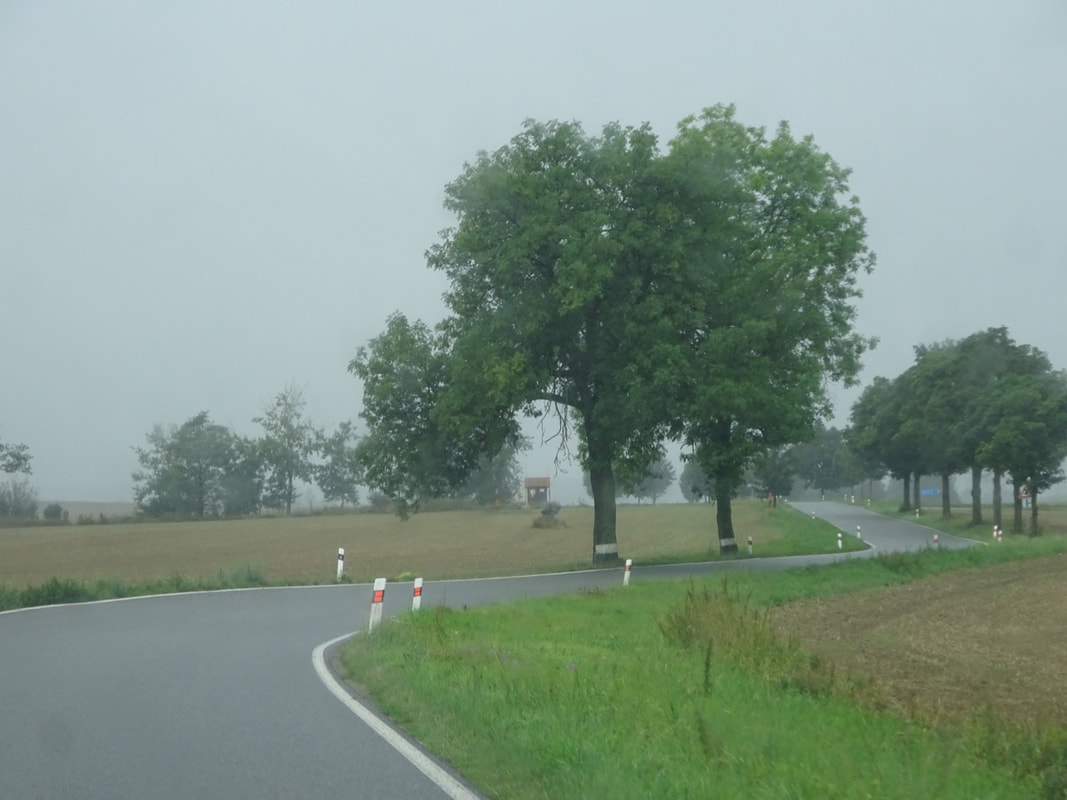
It's a rainy day going to Třeboň.
Picture
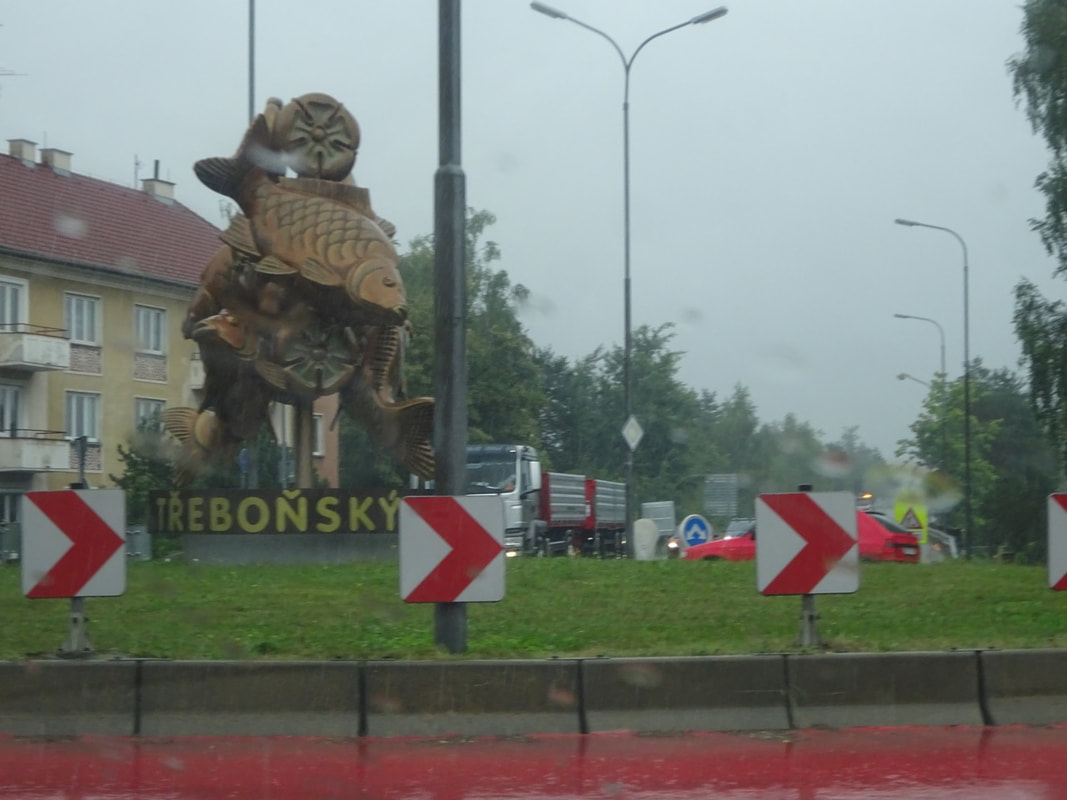
Traffic circle fish sculpture.  The town has been known for fish farming for over 400 years.
Picture
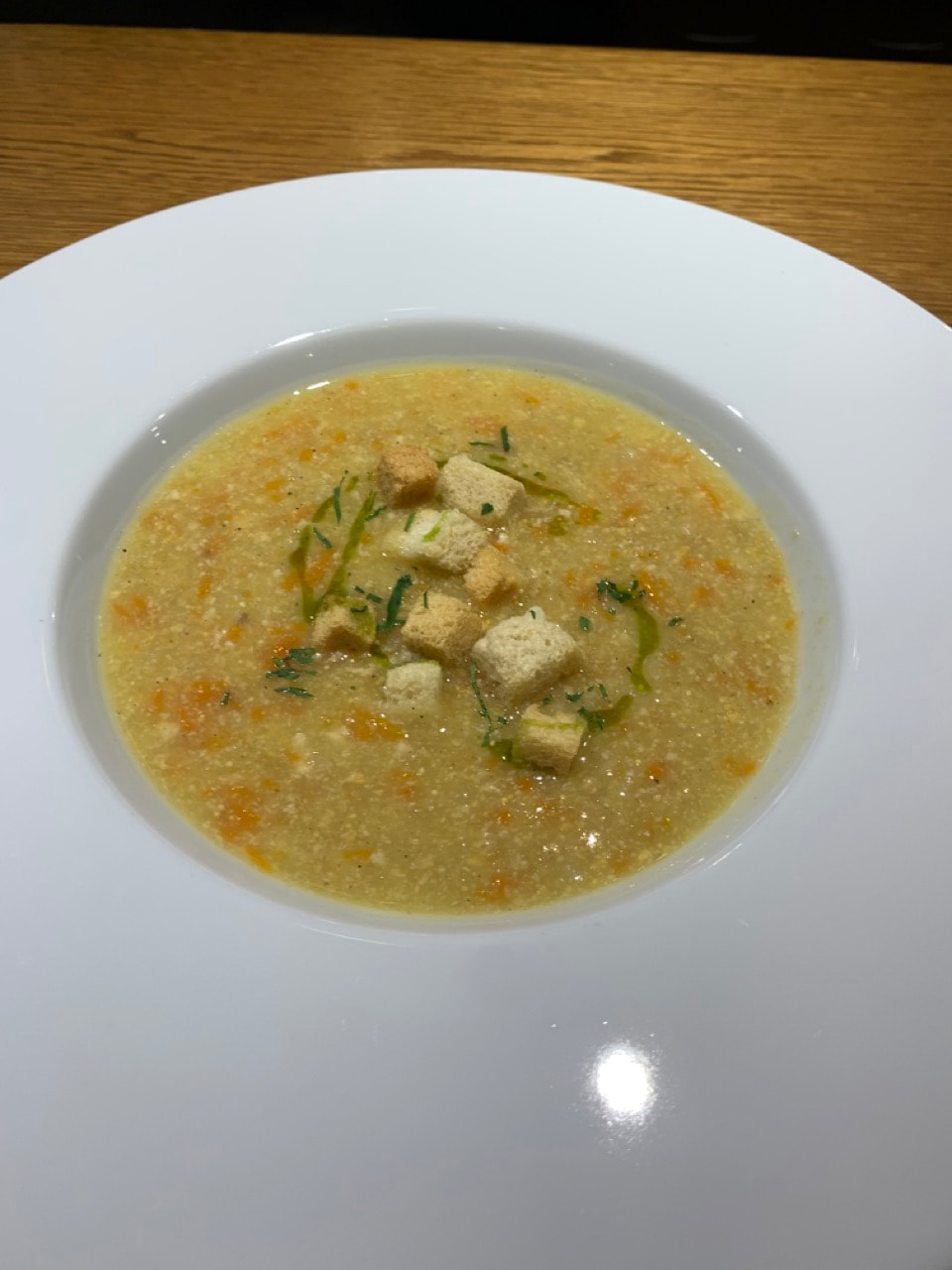
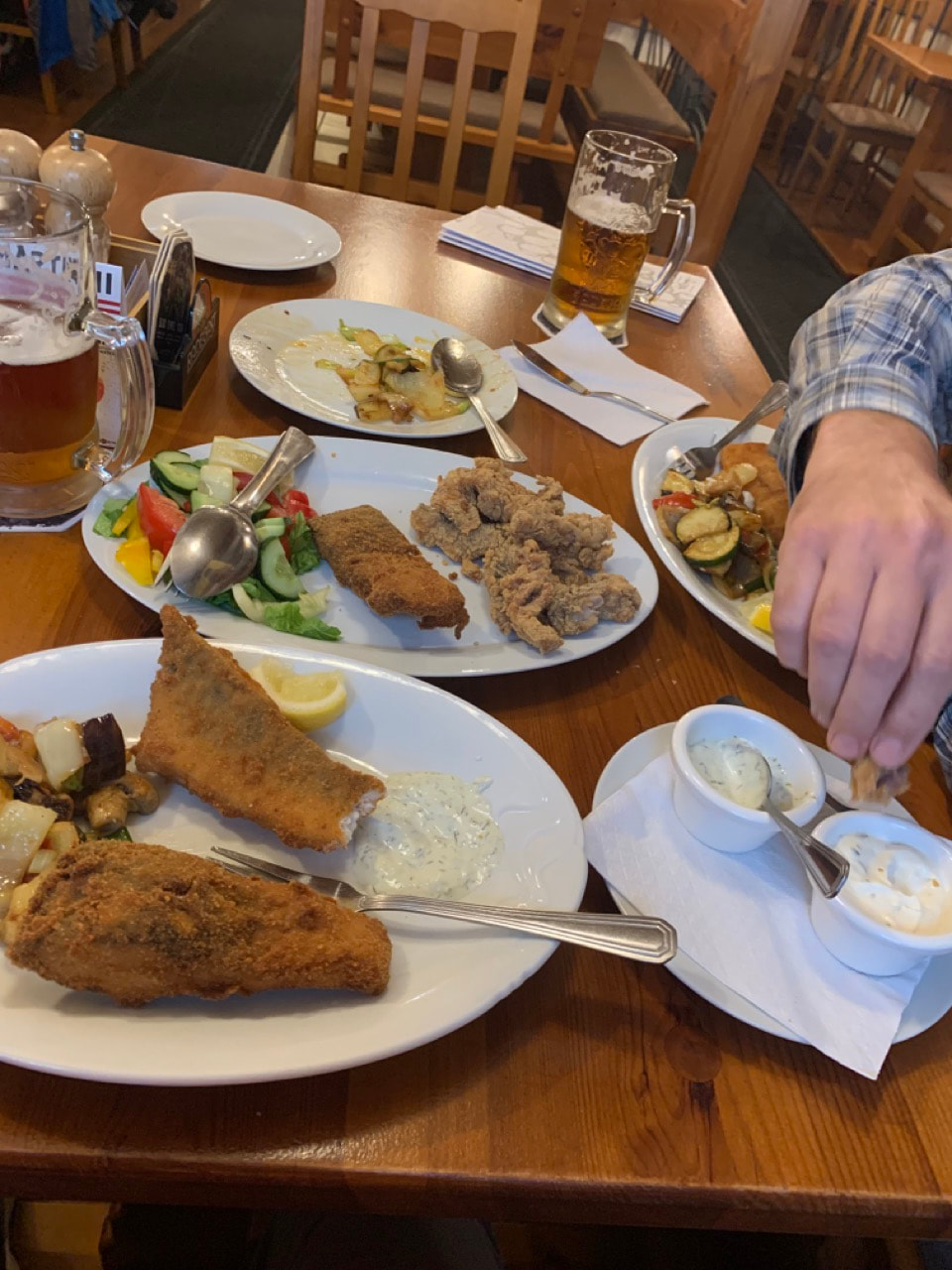
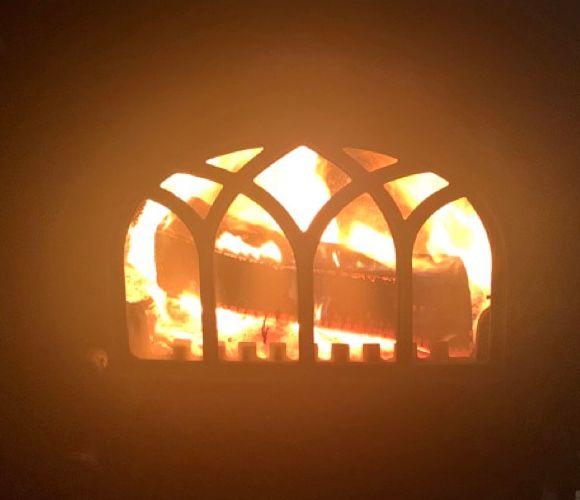
It was a day of eating fish - the rain continued so we hung around the lodging and planned for the next day's touring.  The room had the one thing that easily puts it in the top 1/3 of choices, a place to make fire.
Picture
Picture
Picture
Picture
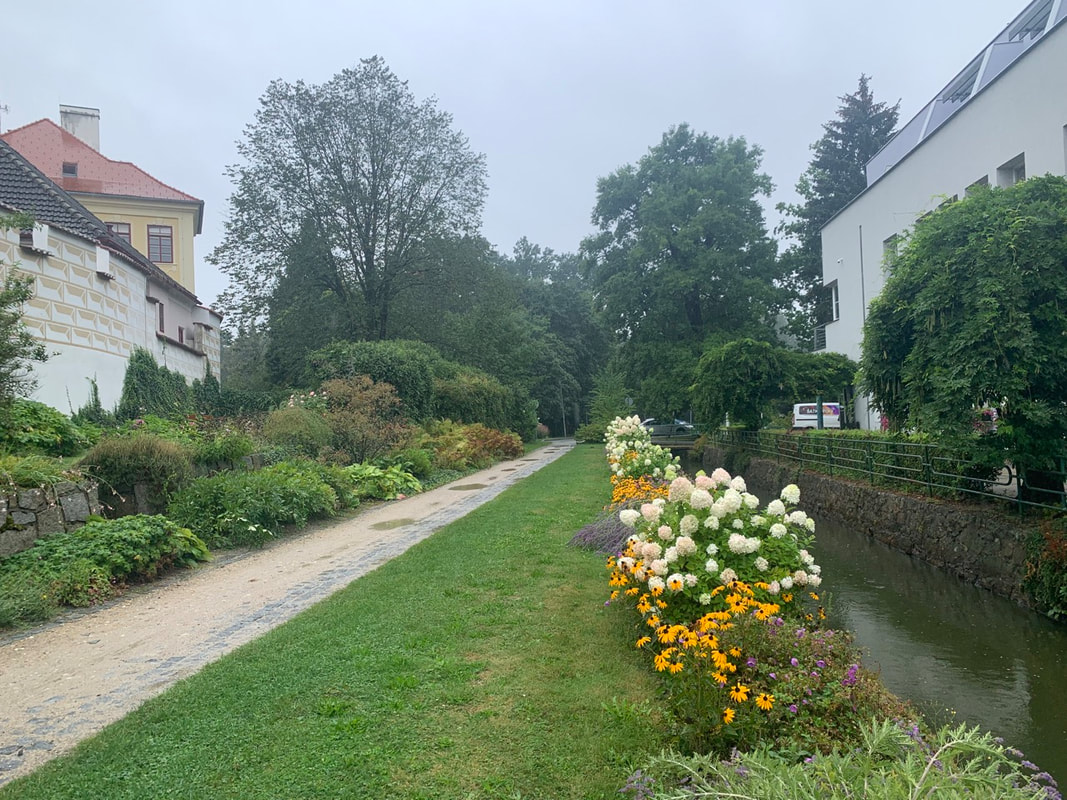
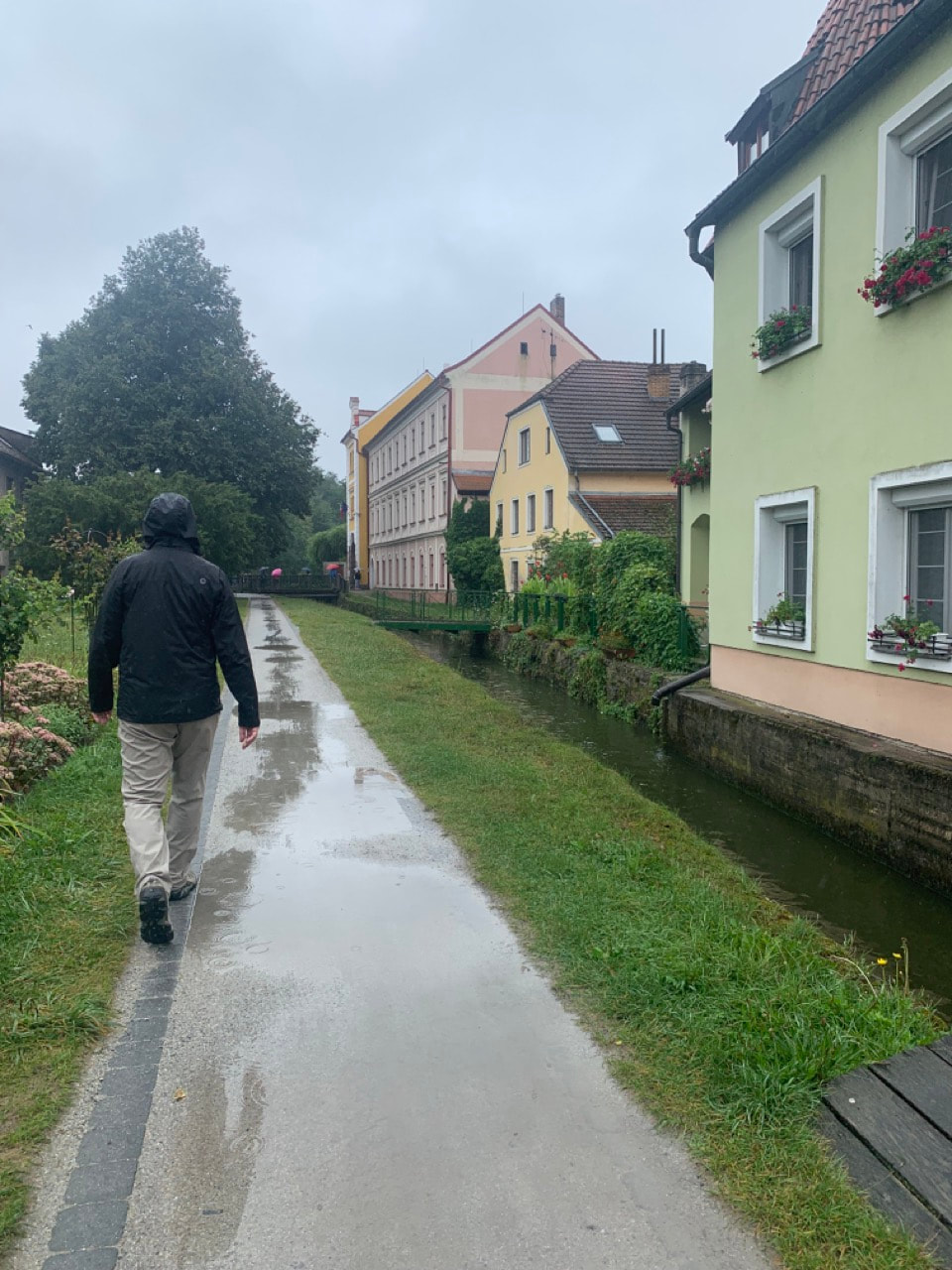
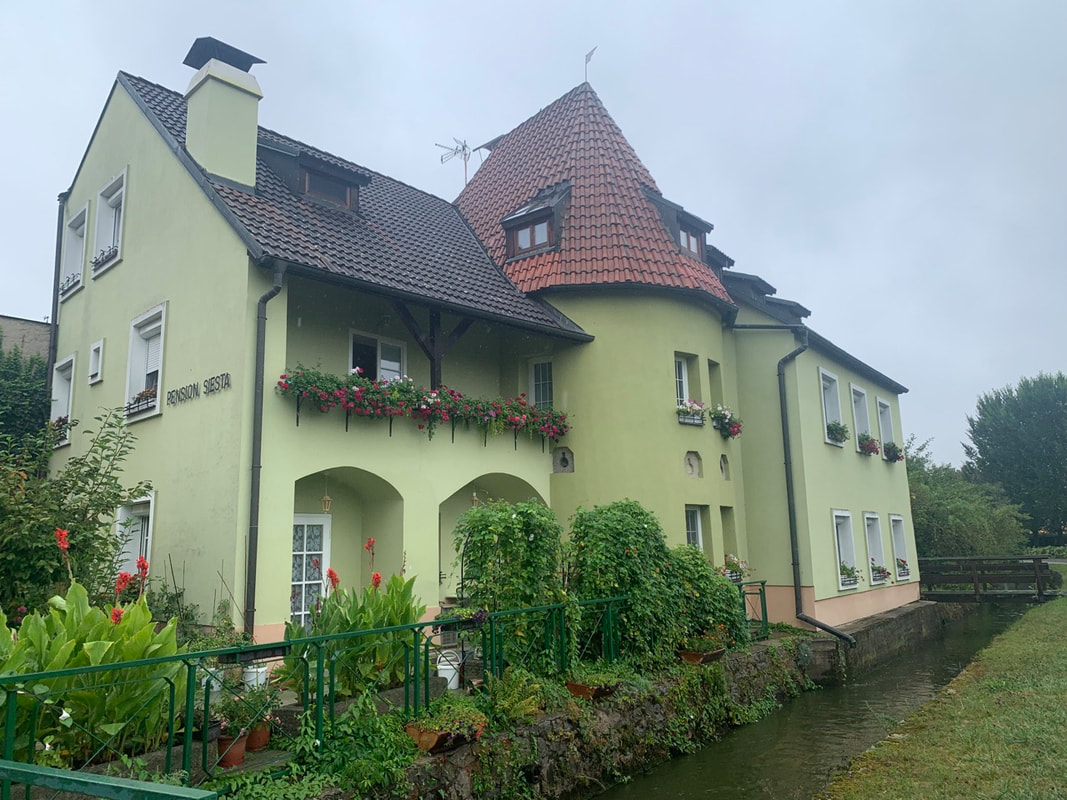
It's the next day, a bit of rain continues, but the tour must go on.
Picture
Picture
Picture
Picture
Picture
Picture
Picture
Picture
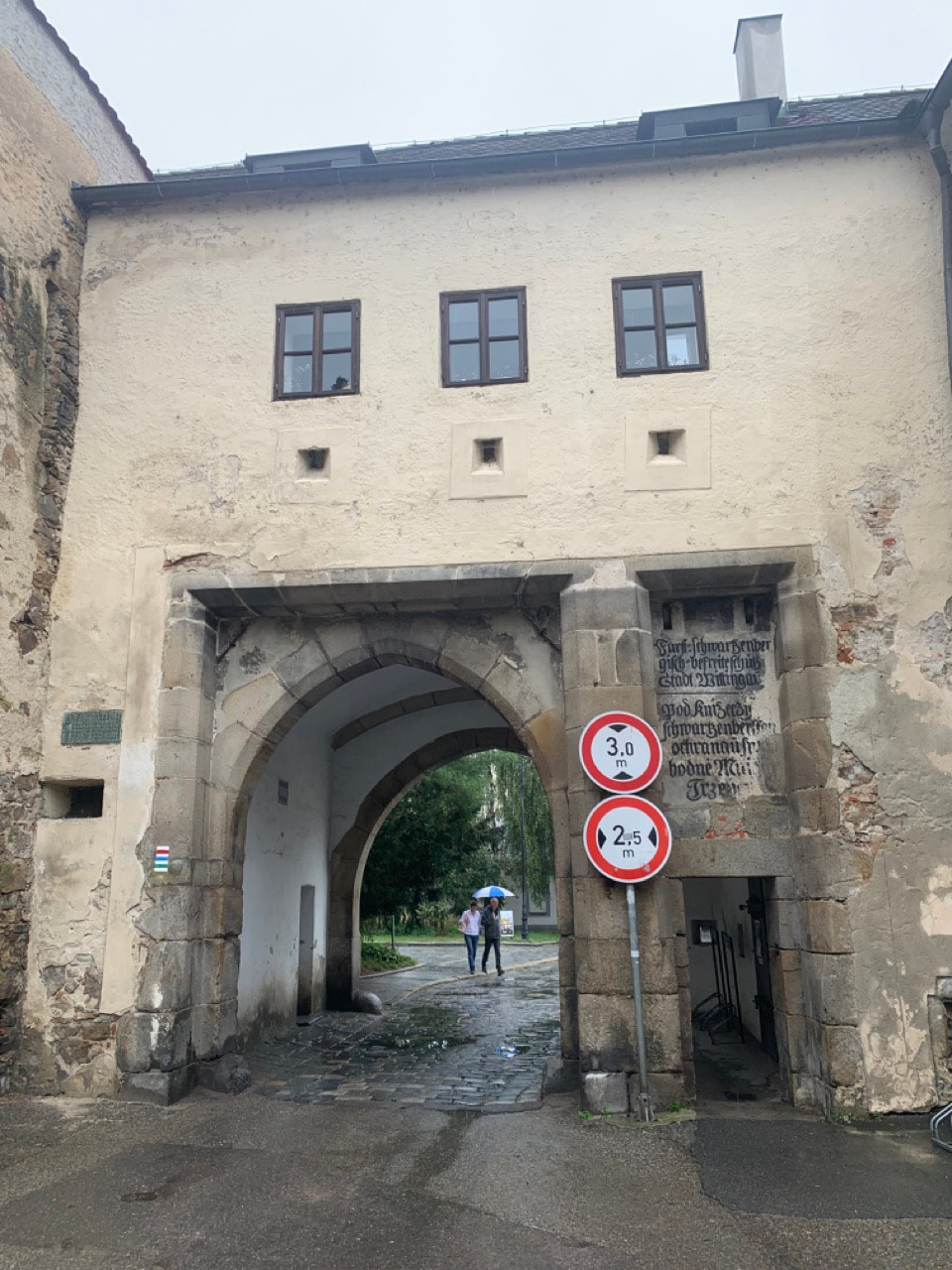
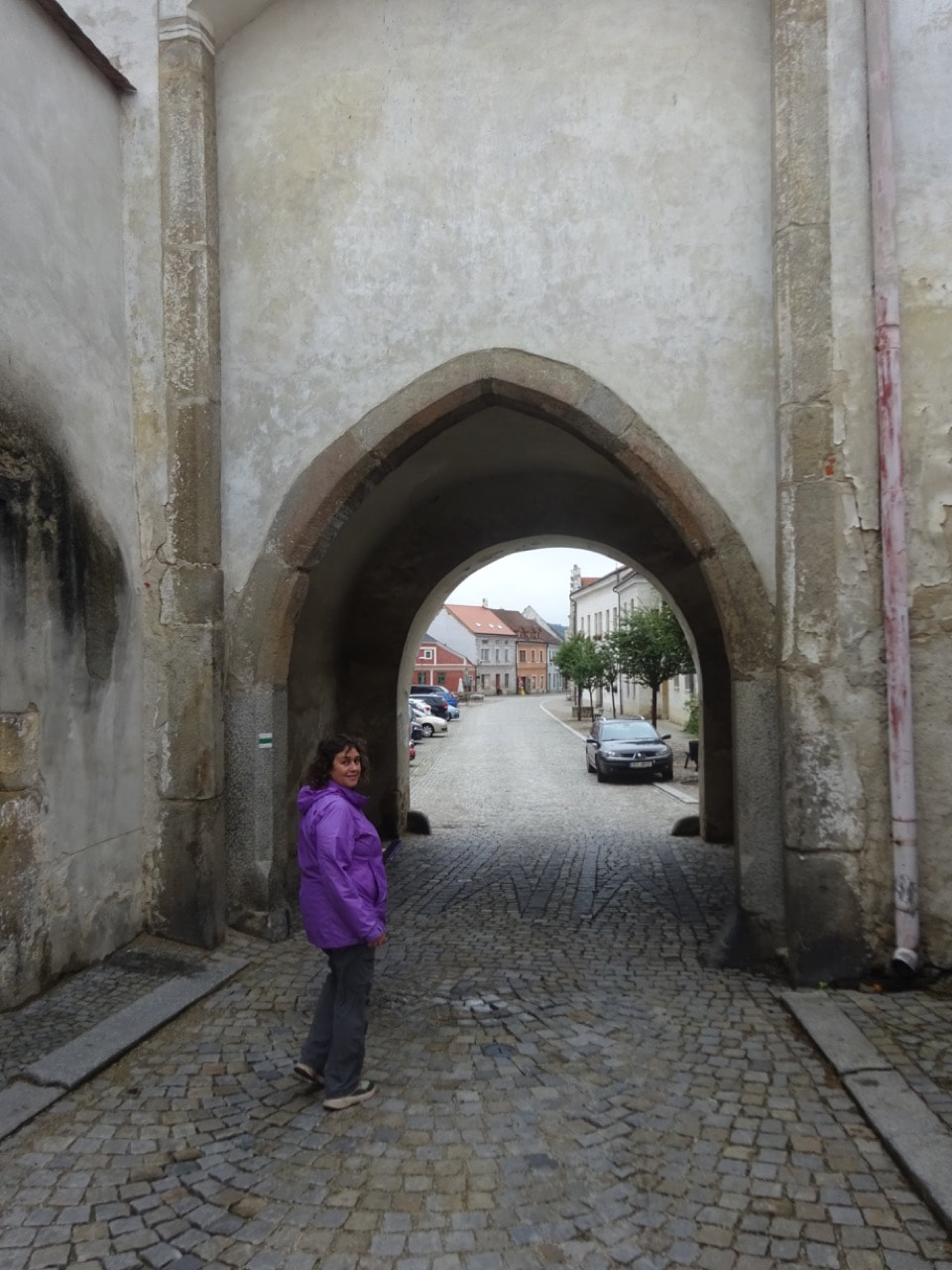
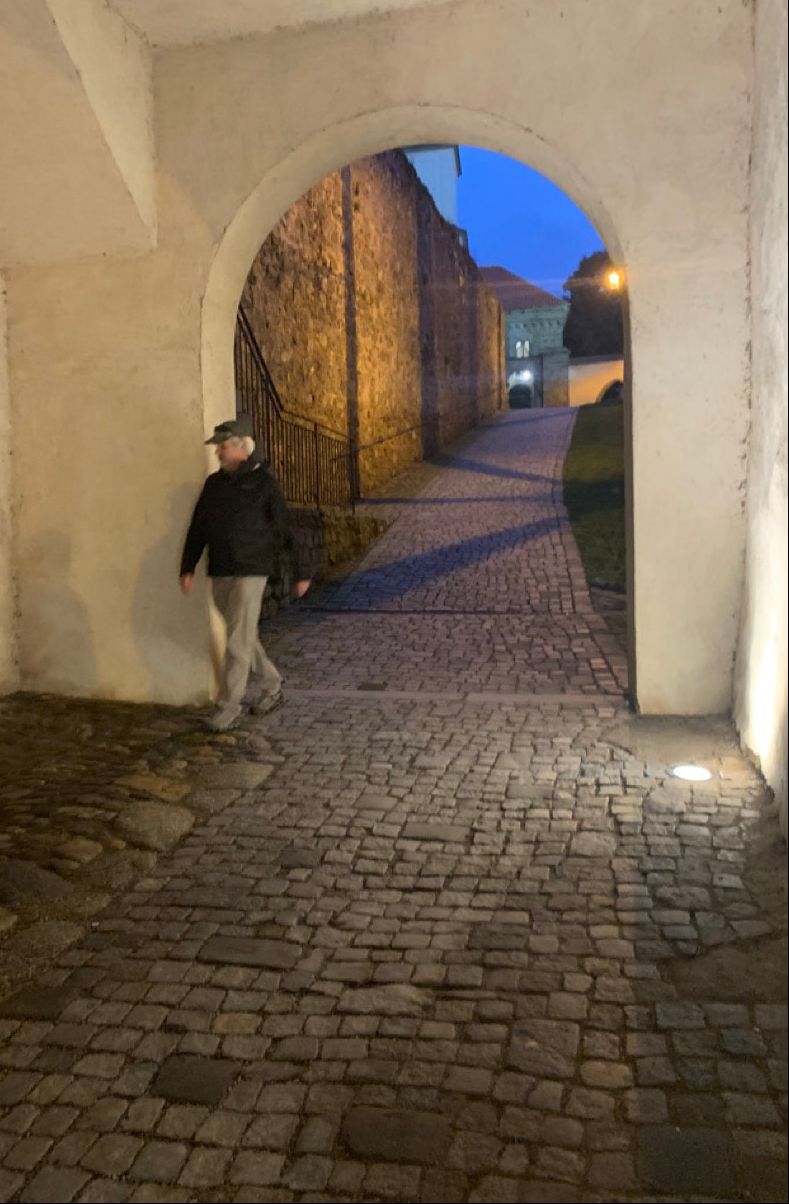
Moving on down the road, we pass through and out the town wall gate.
Picture
Picture
Picture
Picture
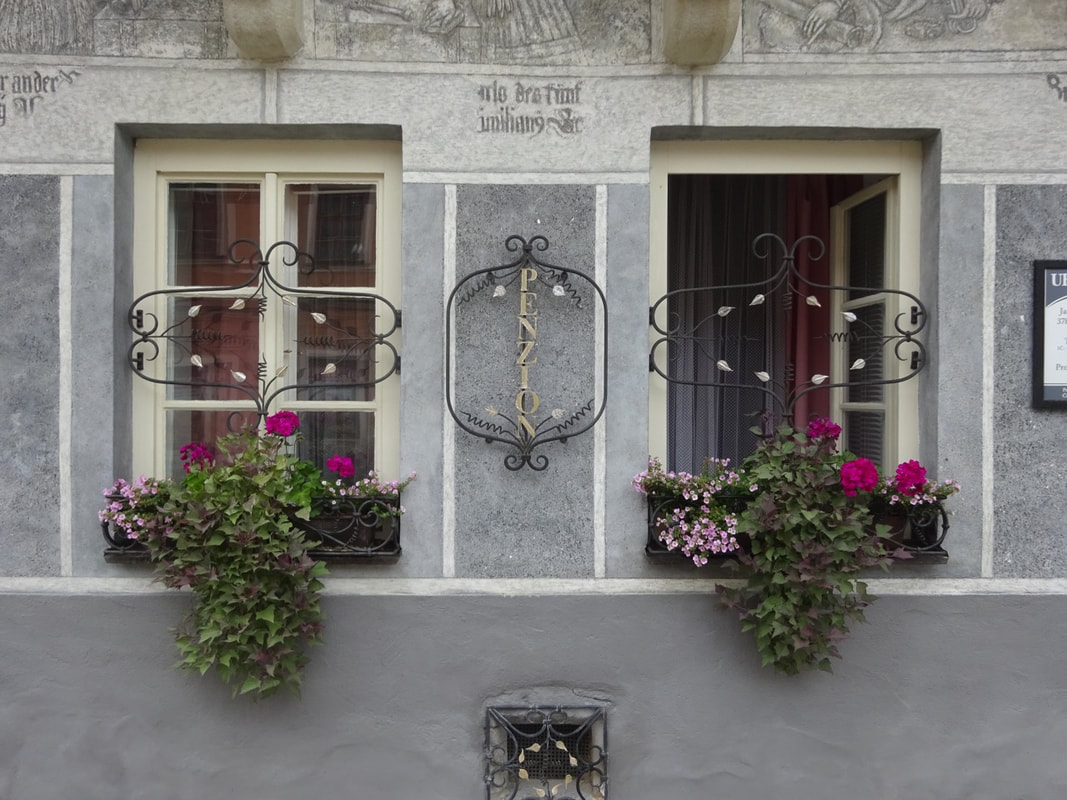
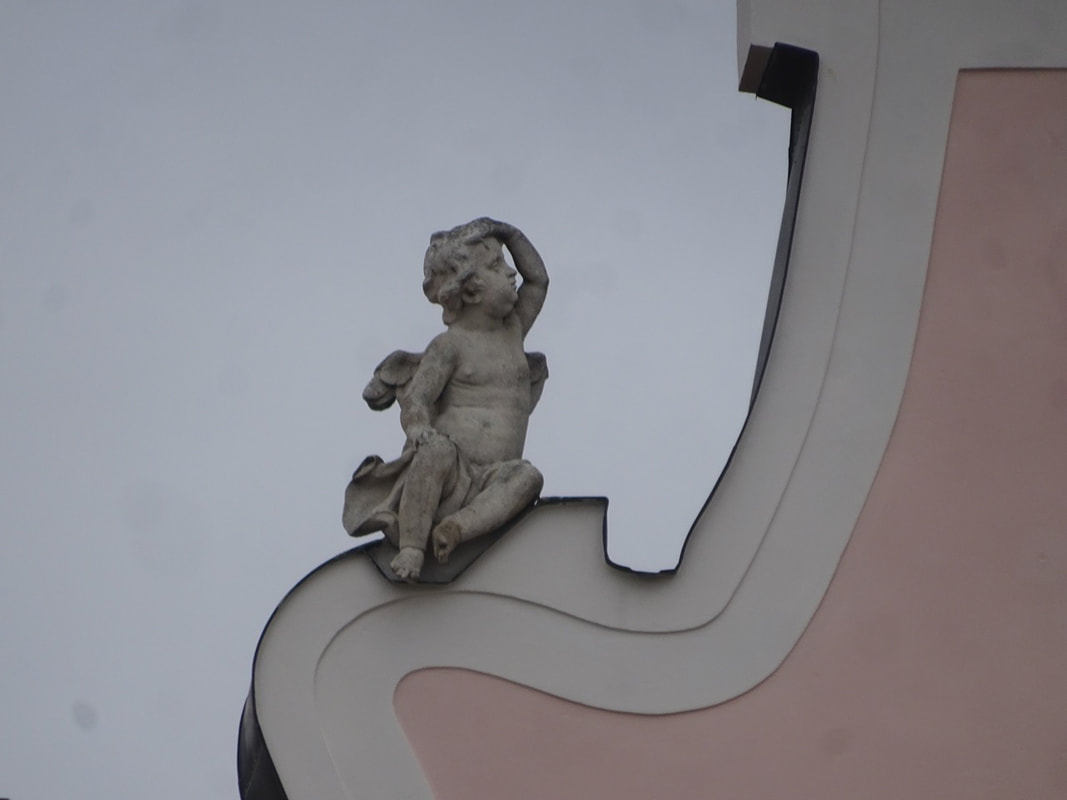
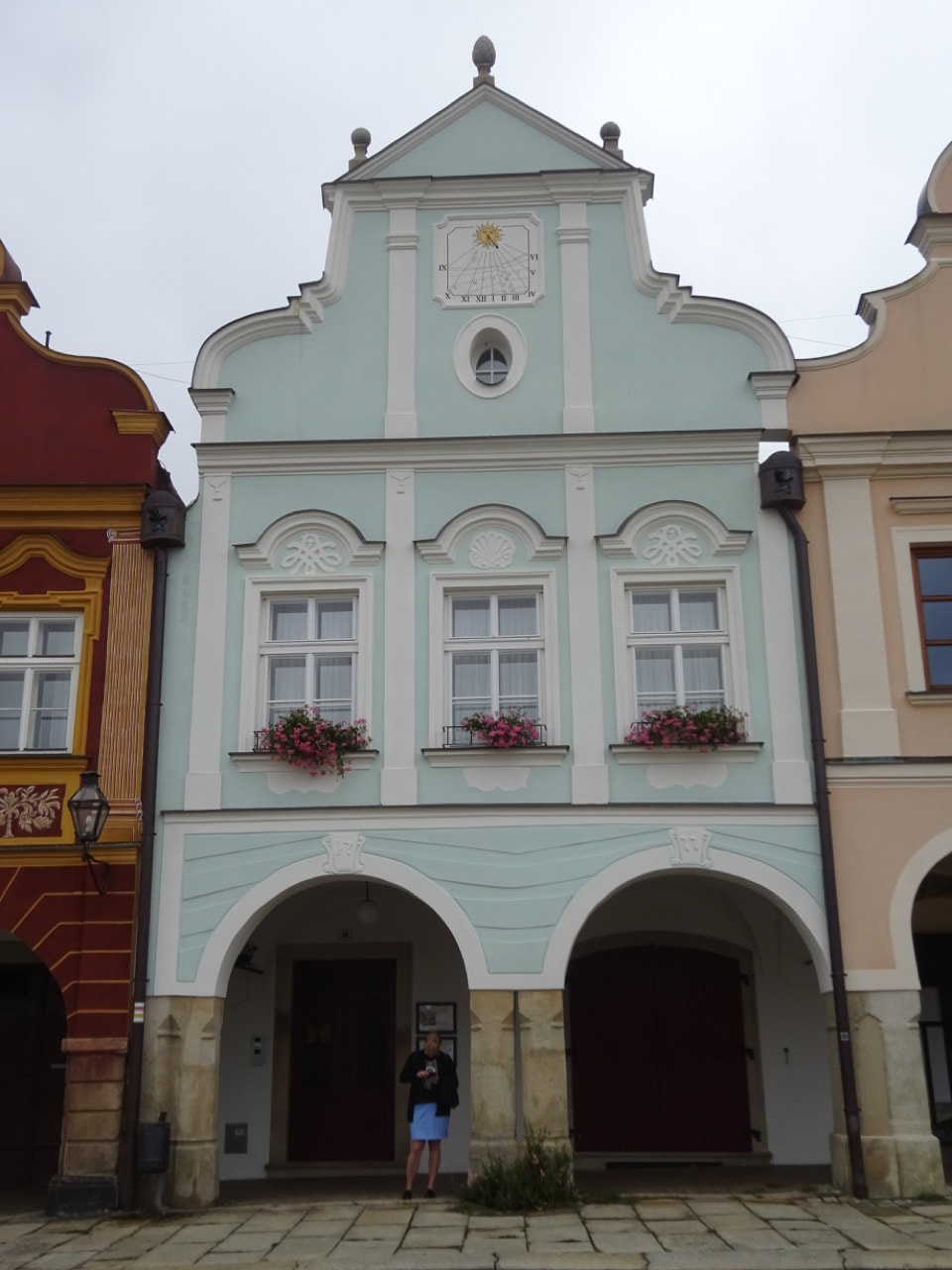
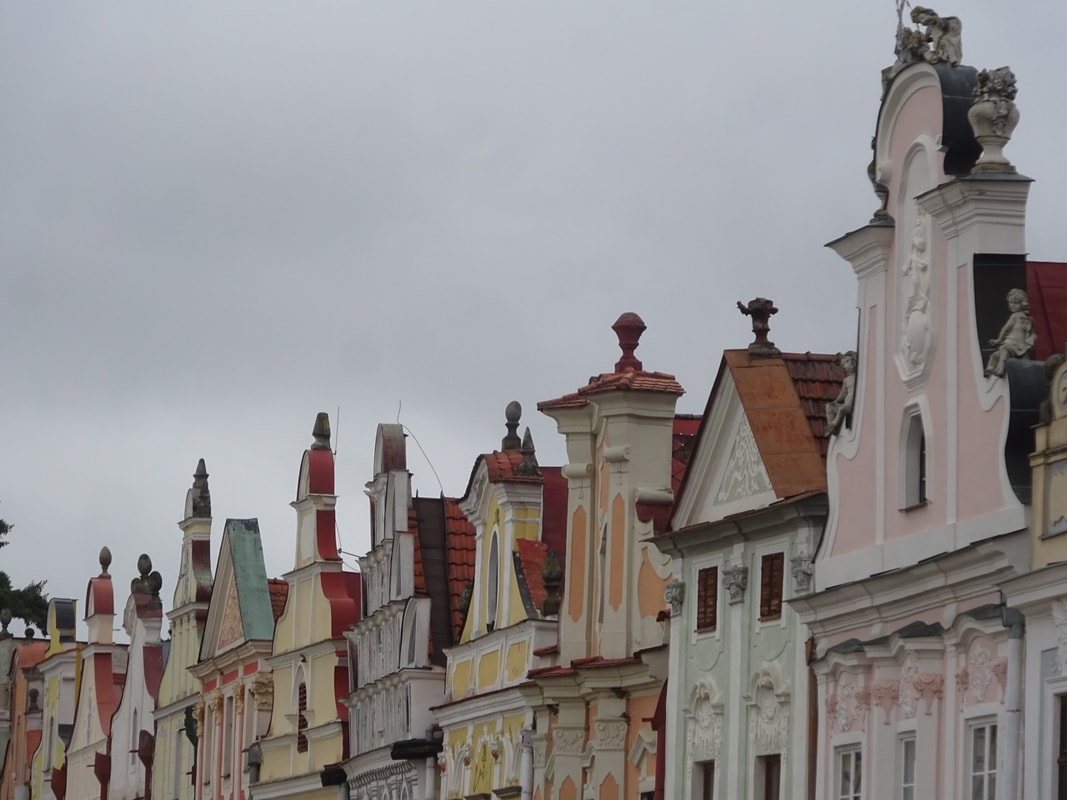
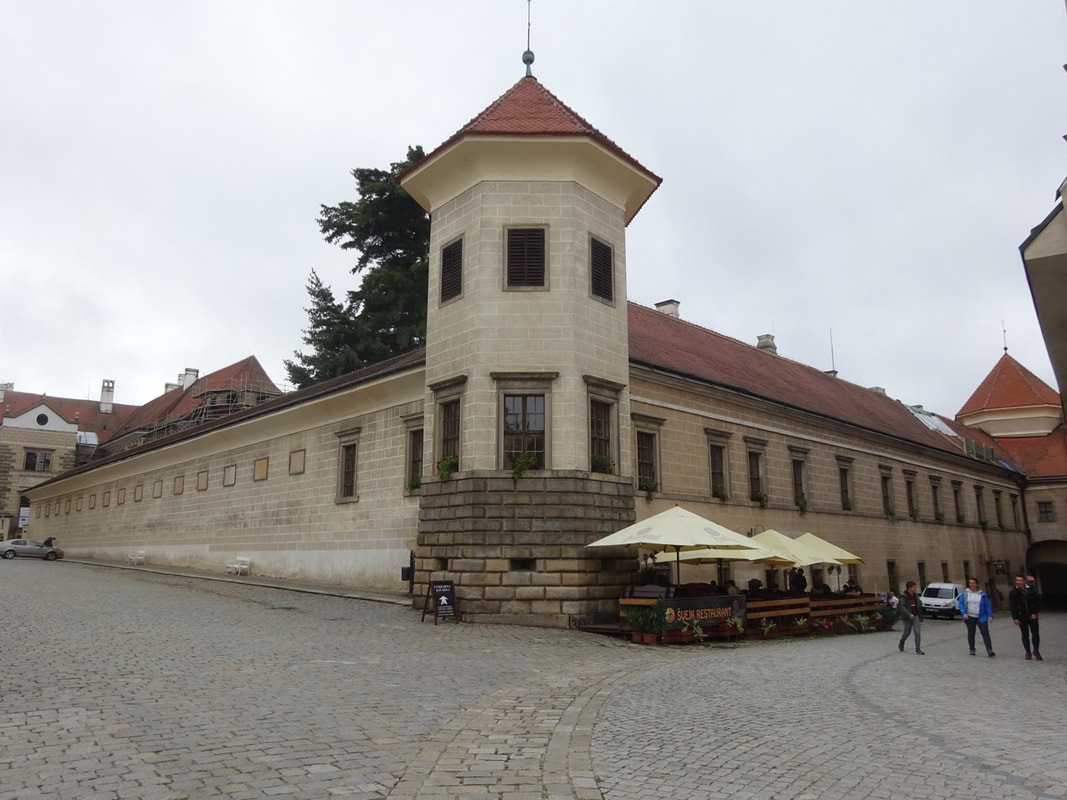
This town knows how to take care of its visitors.
Picture
Picture
Picture
Picture
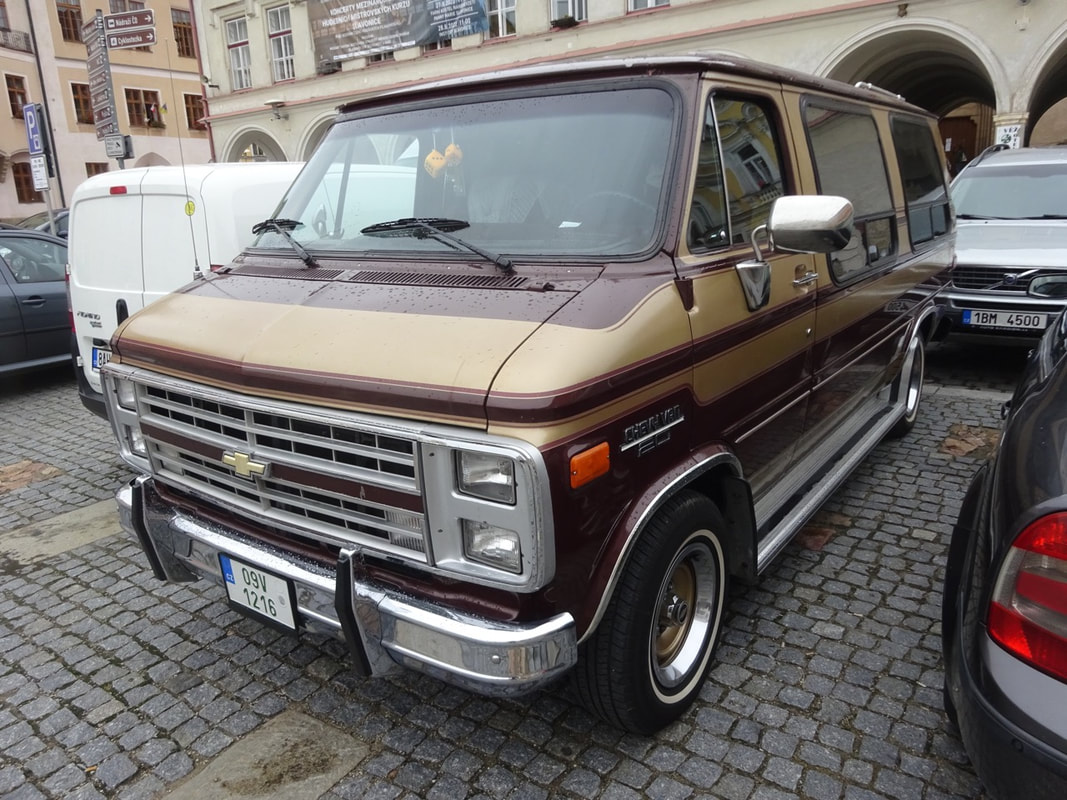
Here's a well traveled survivor, a late '80s Chevy Van.
Picture
Picture
Picture
Picture
Picture
Picture
Picture
Picture
Picture
Picture
Picture
Picture
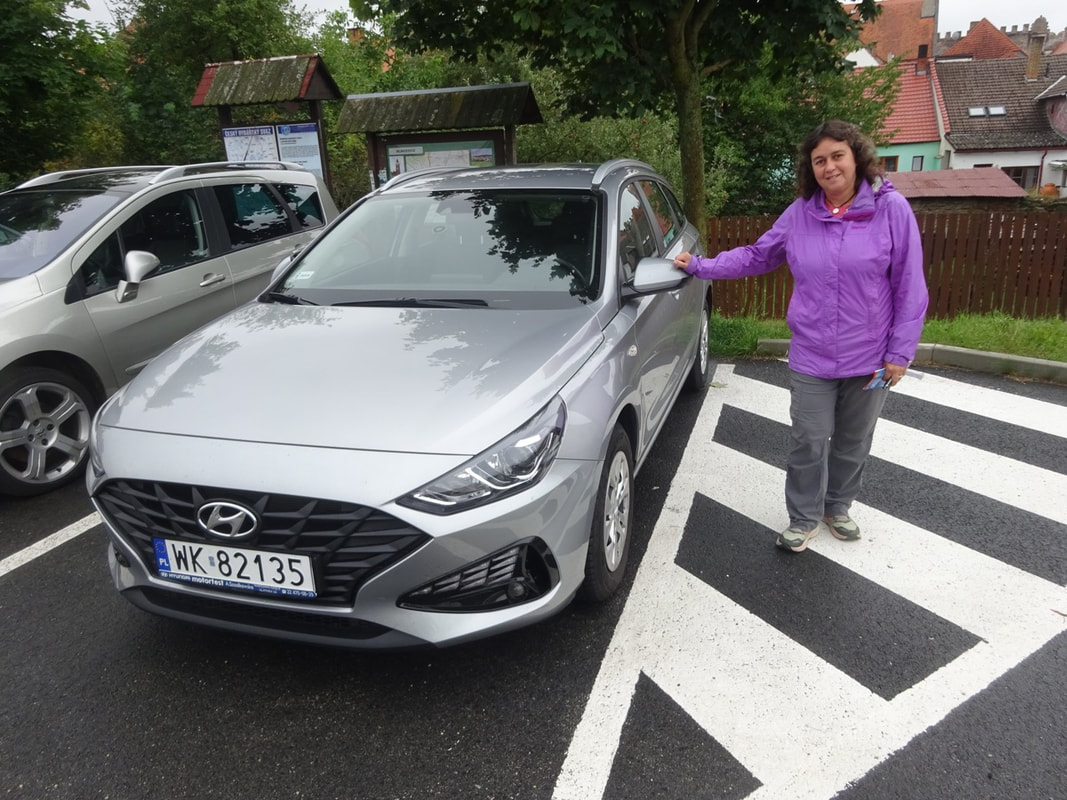
Back to the trusty Hyundai, onto the next town.
Picture
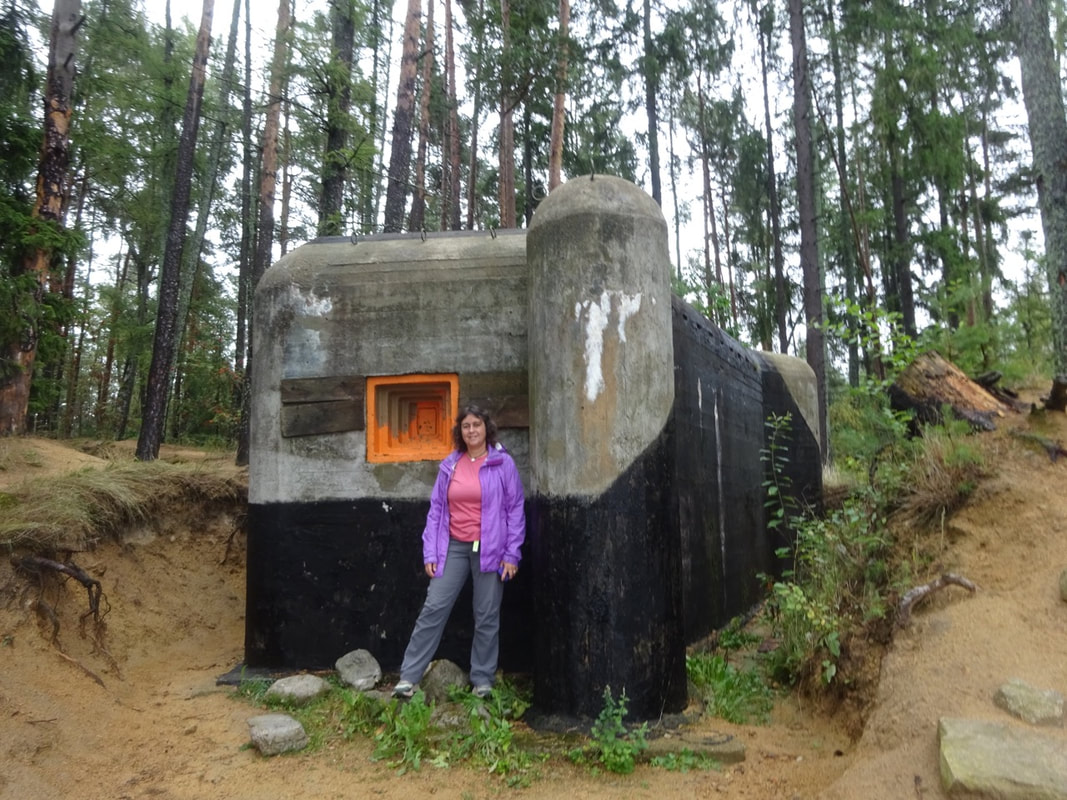
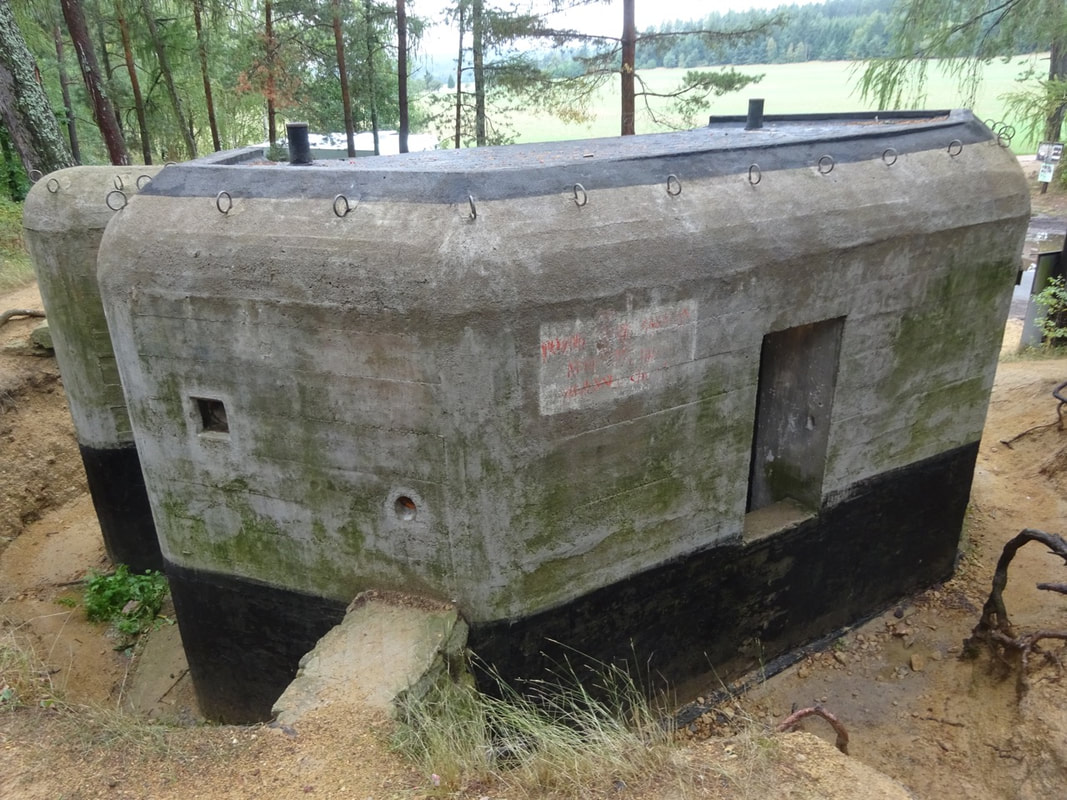
WWII bunkers, built by the Czechs to defend against Germans coming up from Austria - the defensive line was  never used however.
Picture
Picture
Picture
Picture
Gnome homes?
Picture
Picture
Picture
Picture
Picture
Picture
Picture
Picture
Picture
Picture
Picture
Picture
Picture
Picture
Picture
Picture
Picture
Picture
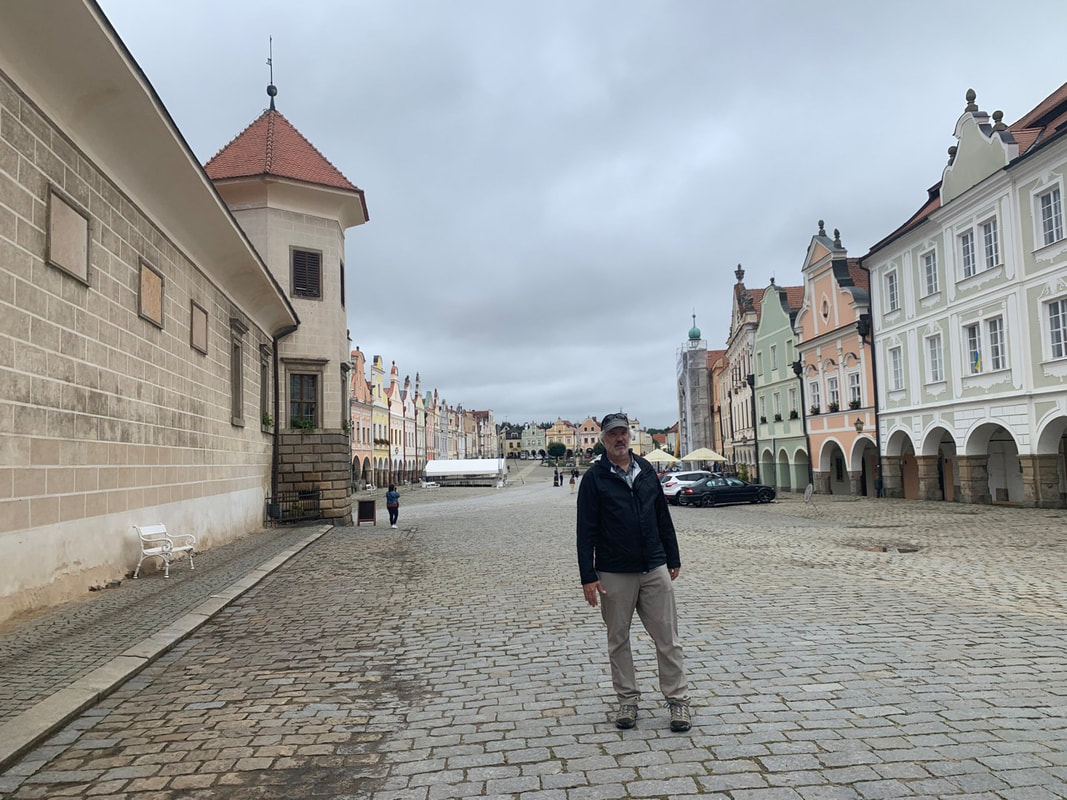
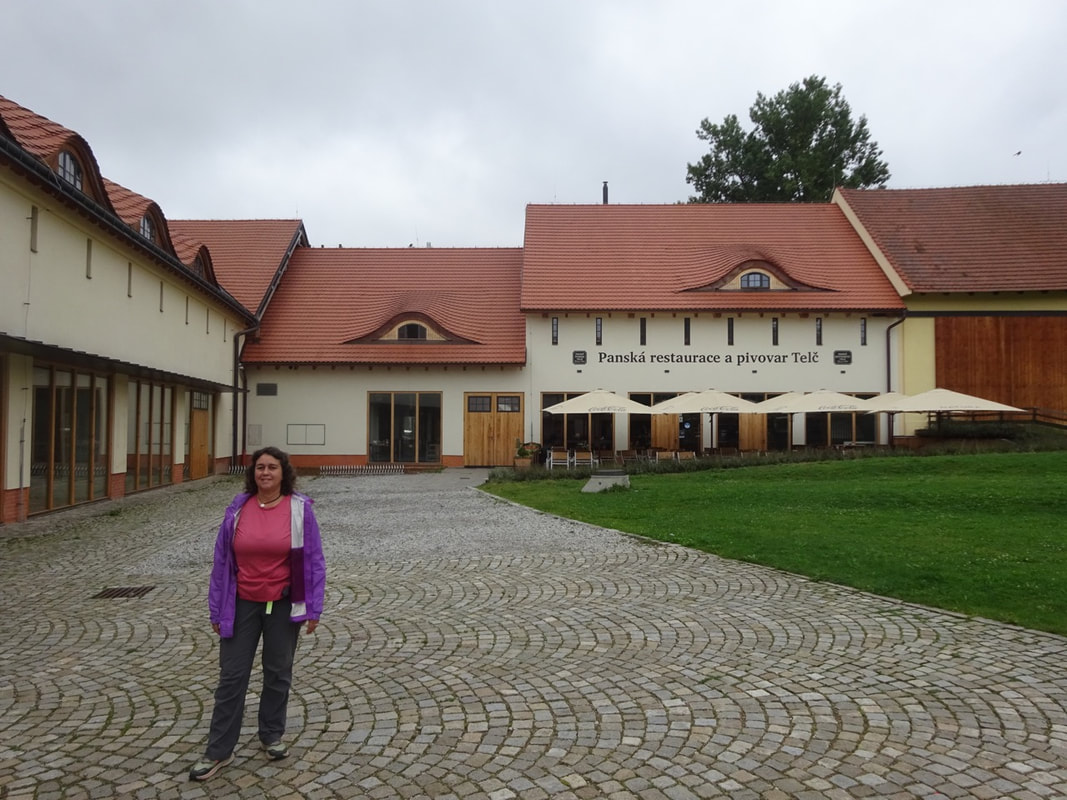
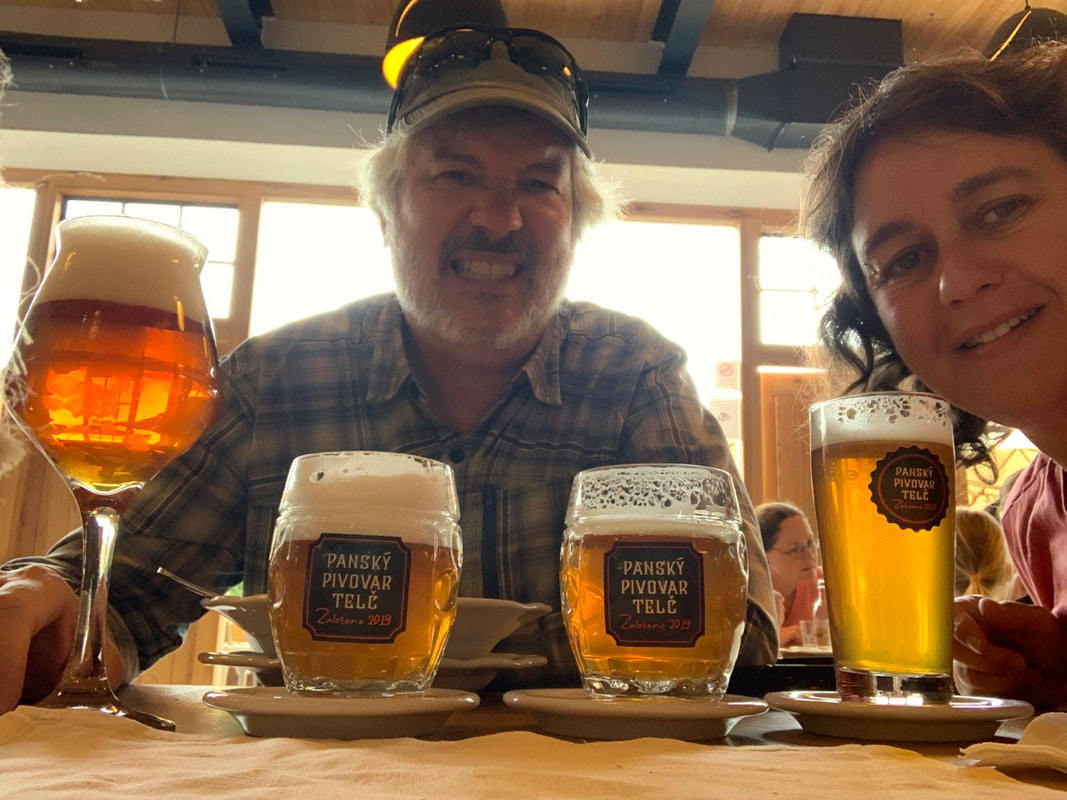
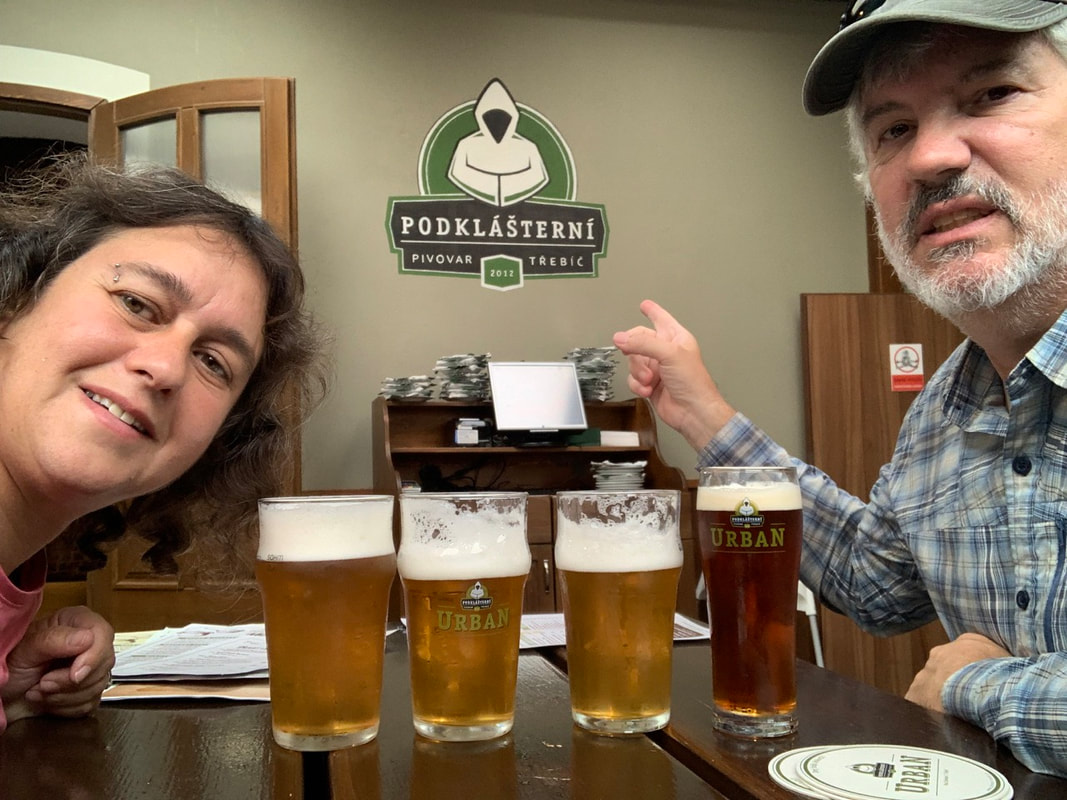
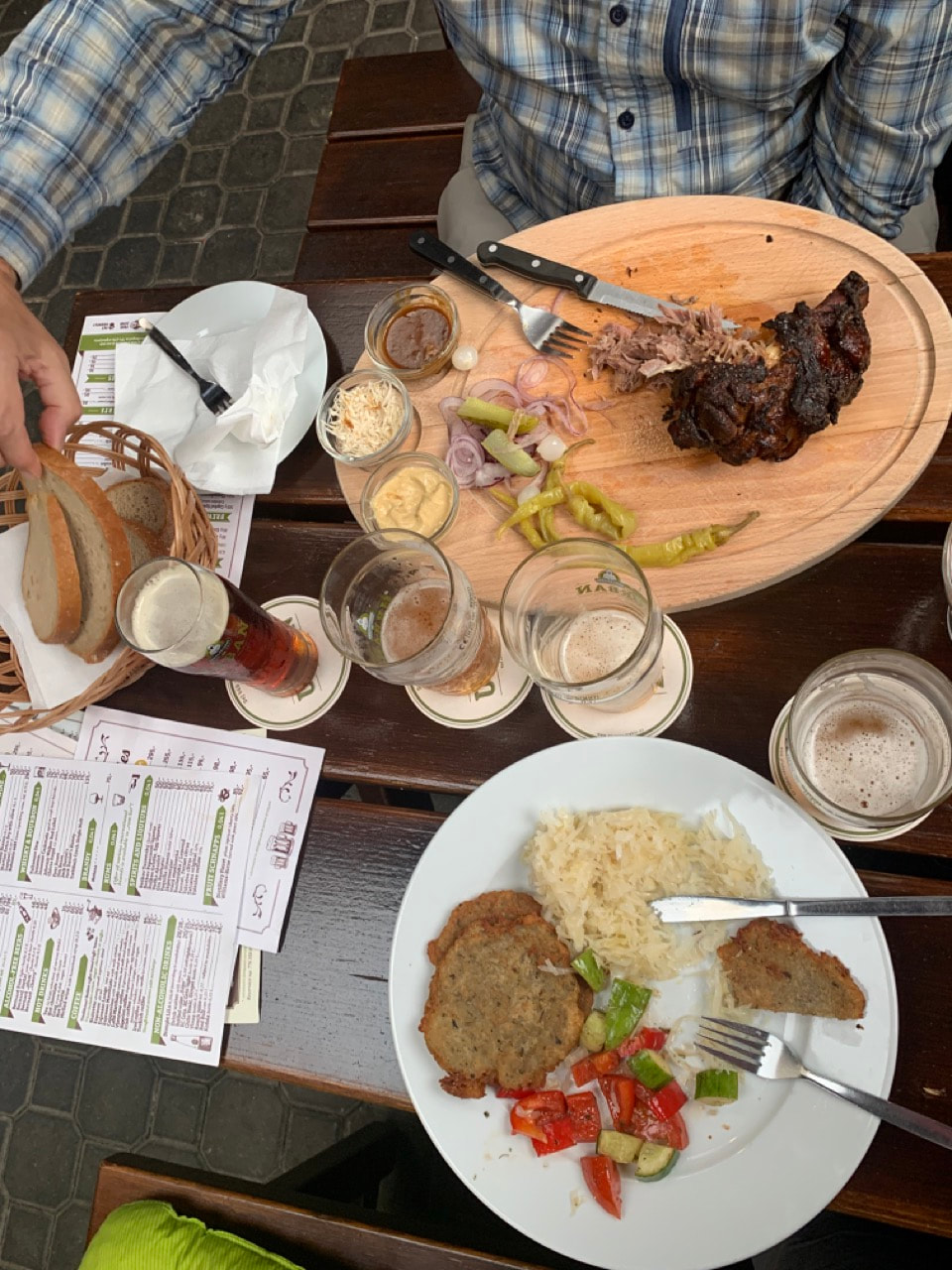
A convenient place on the way back to parking to grab a bite, and try out the local beer.
Picture
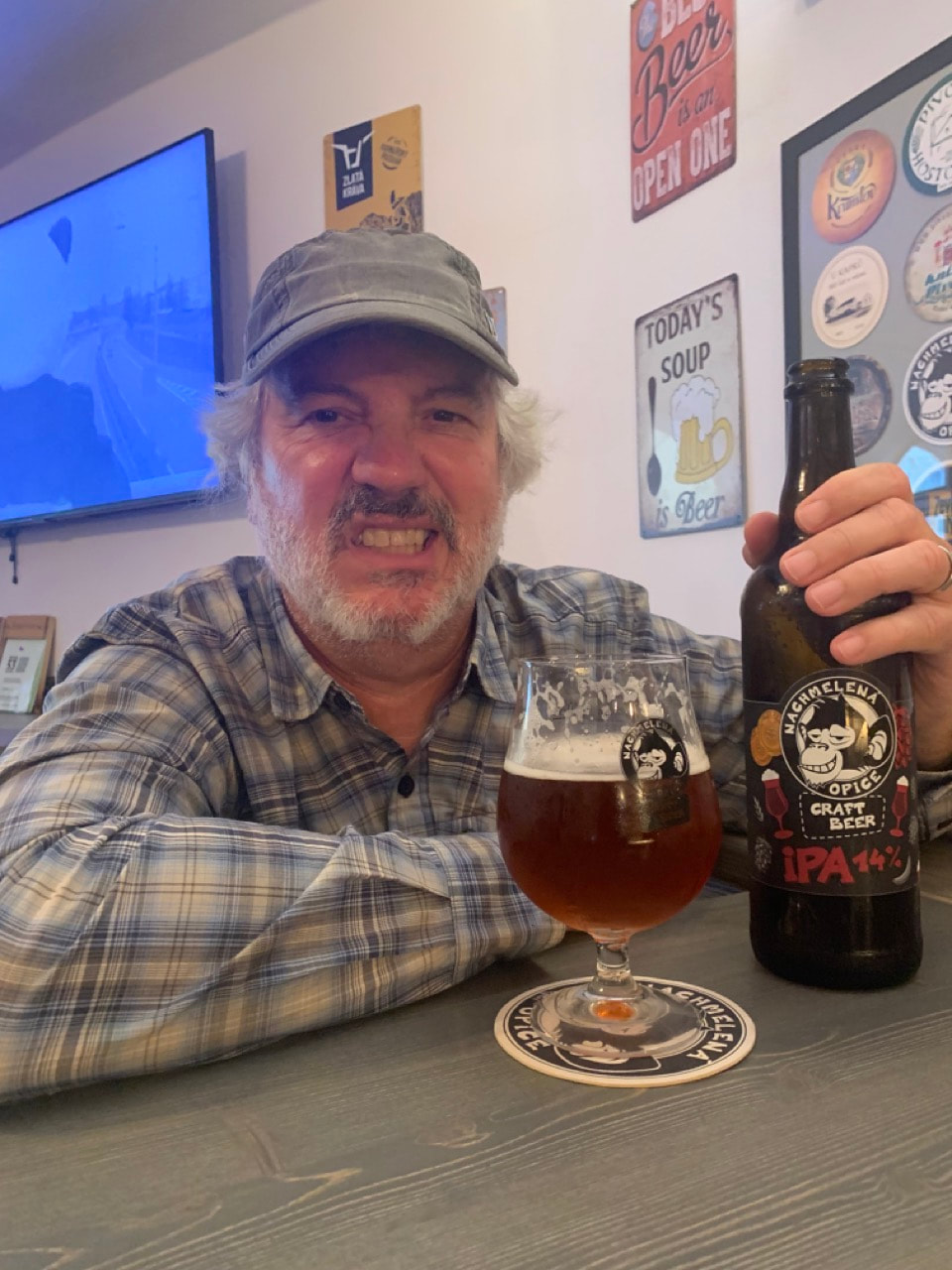
Tim is smiling wide again, he gets to drink most of it.
Picture
Picture

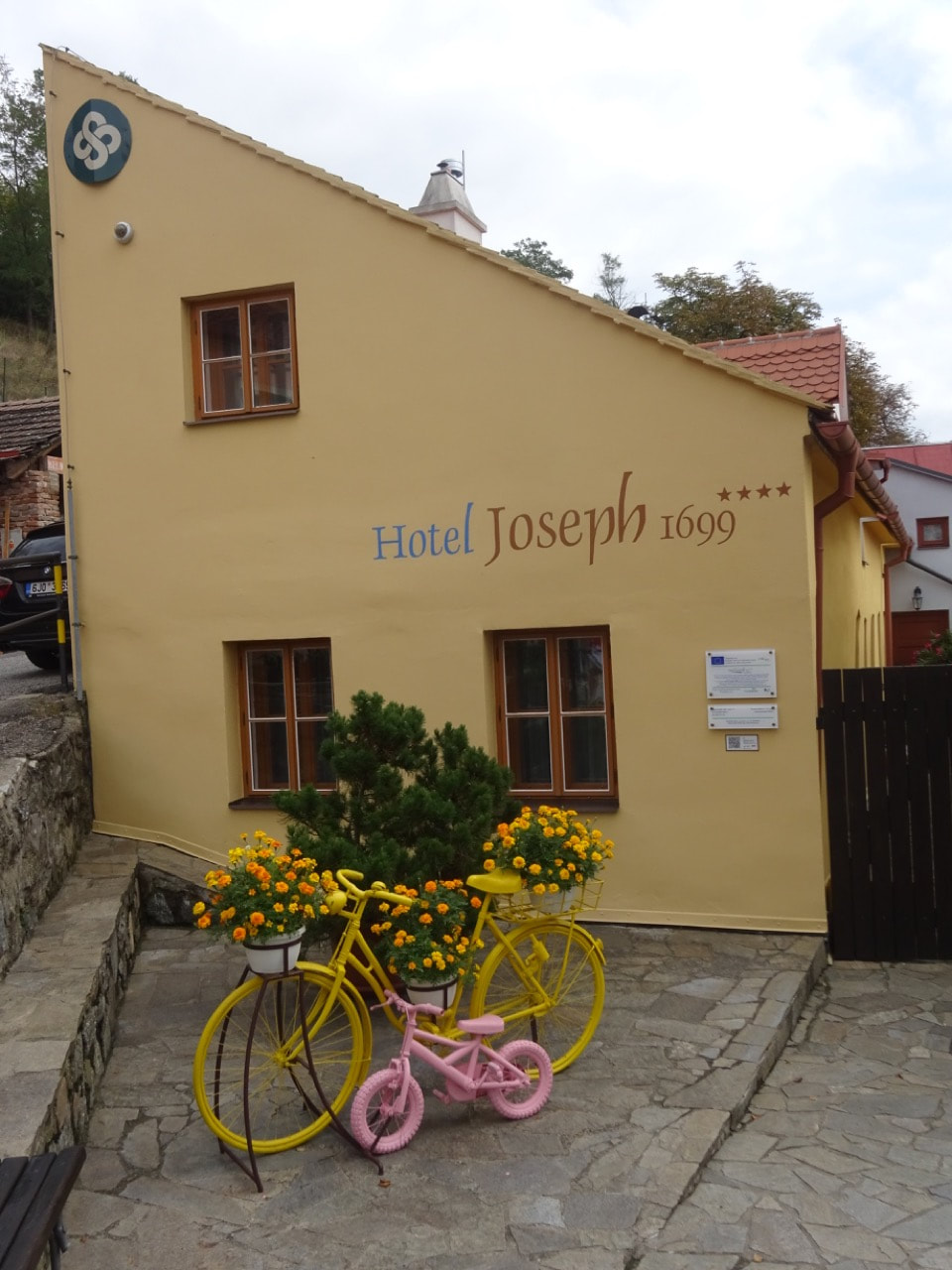
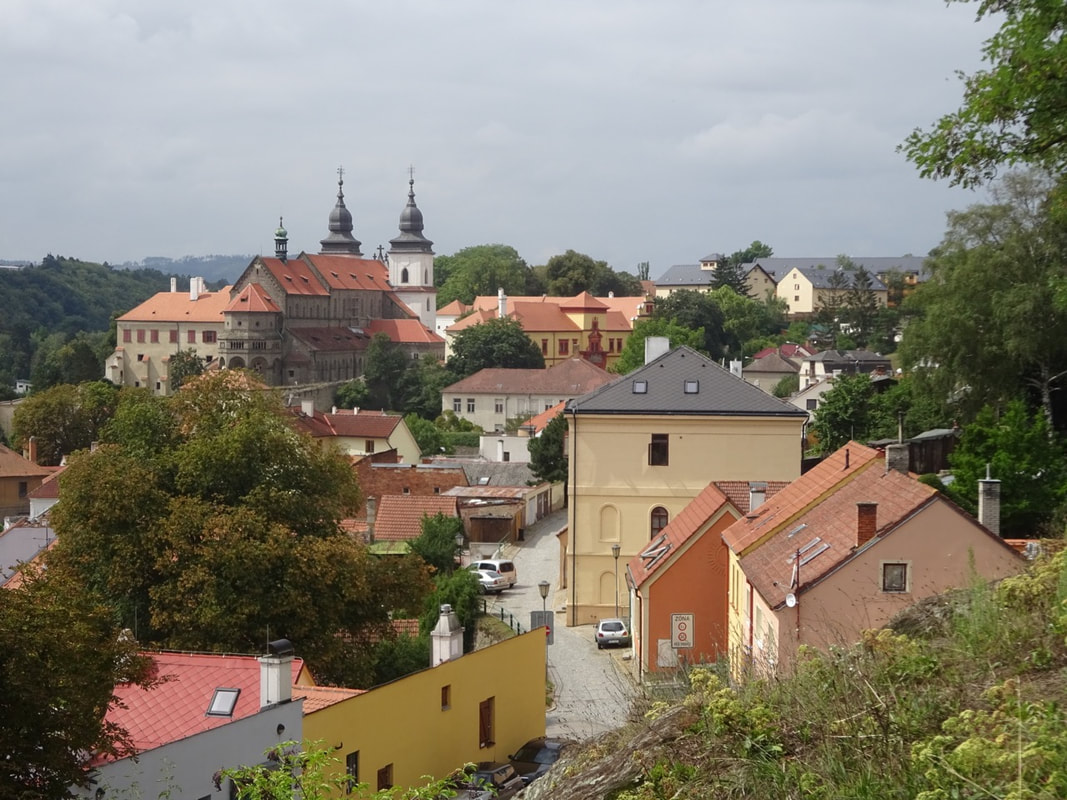
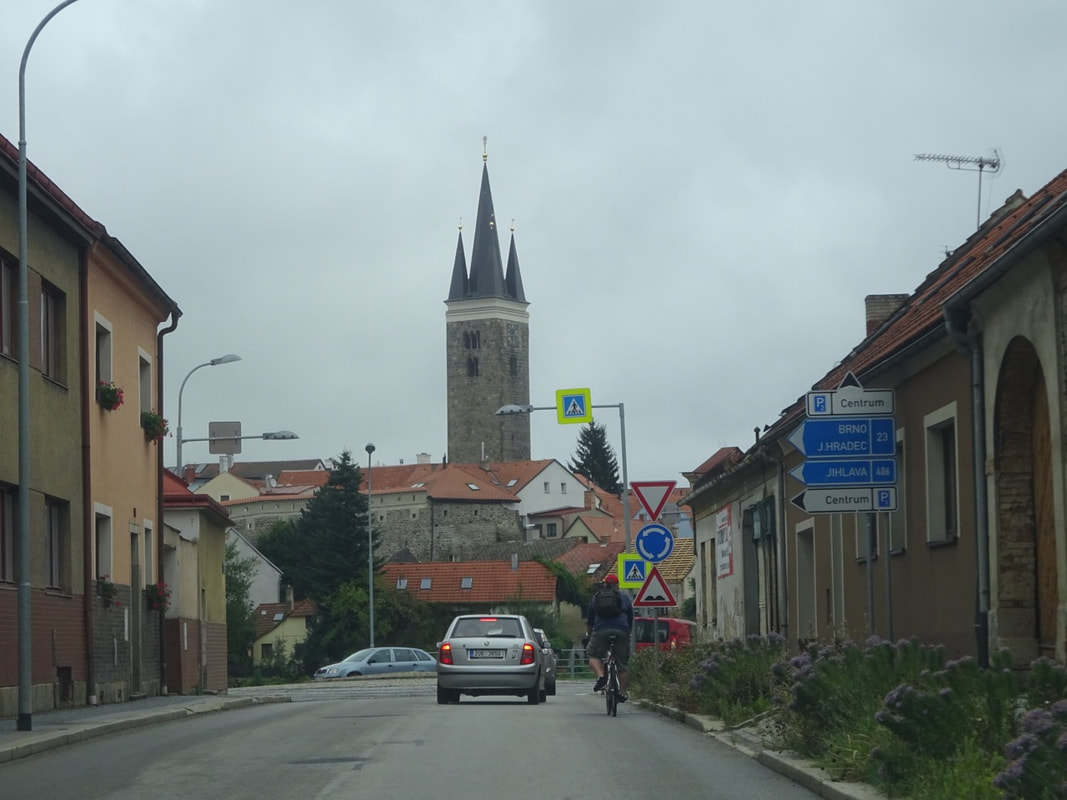
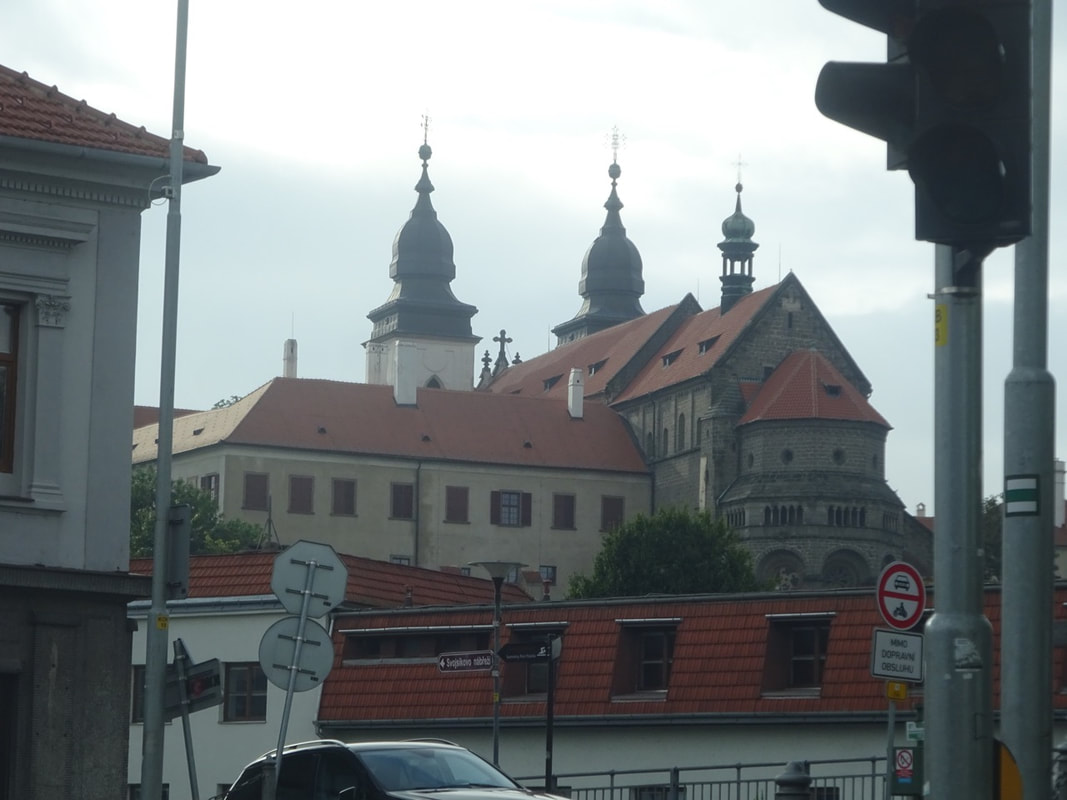
Now in Třebíč.  The main sight for us, the Jewish Quarter tour, will need to wait till tomorrow as it's a bit late.
Picture
Picture
Picture
Picture
Picture
0 Comments

Český Krumlov - Day 2

8/21/2022

1 Comment

 
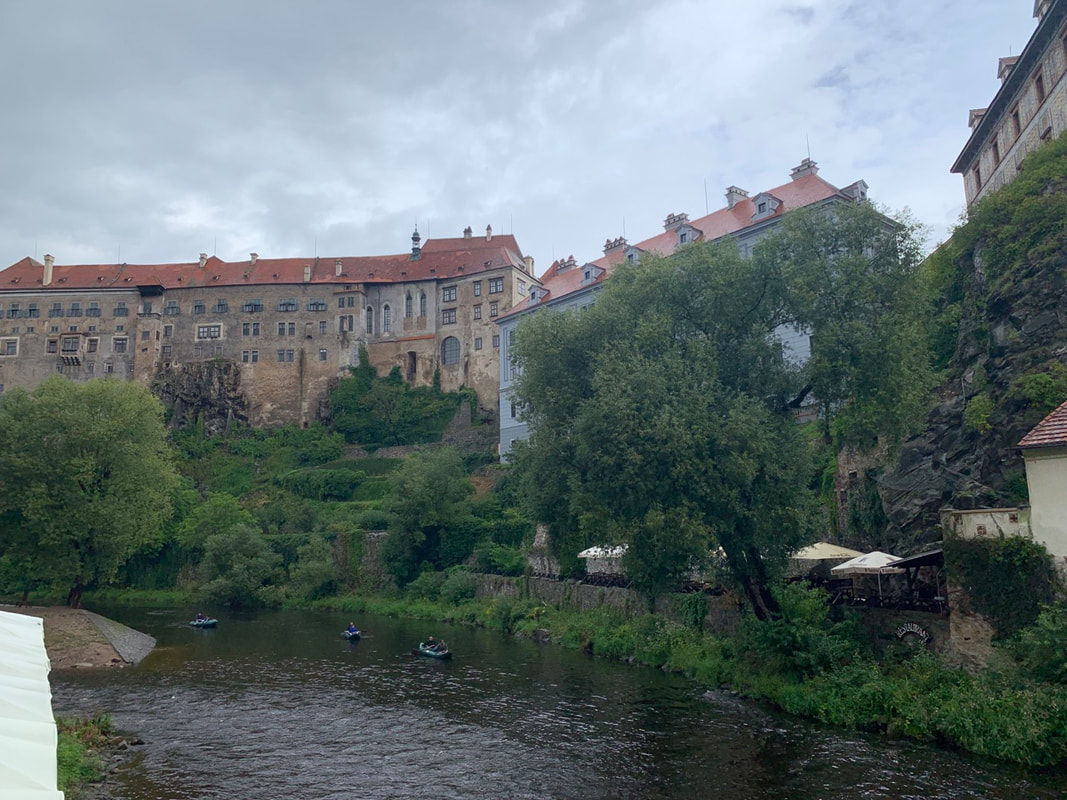
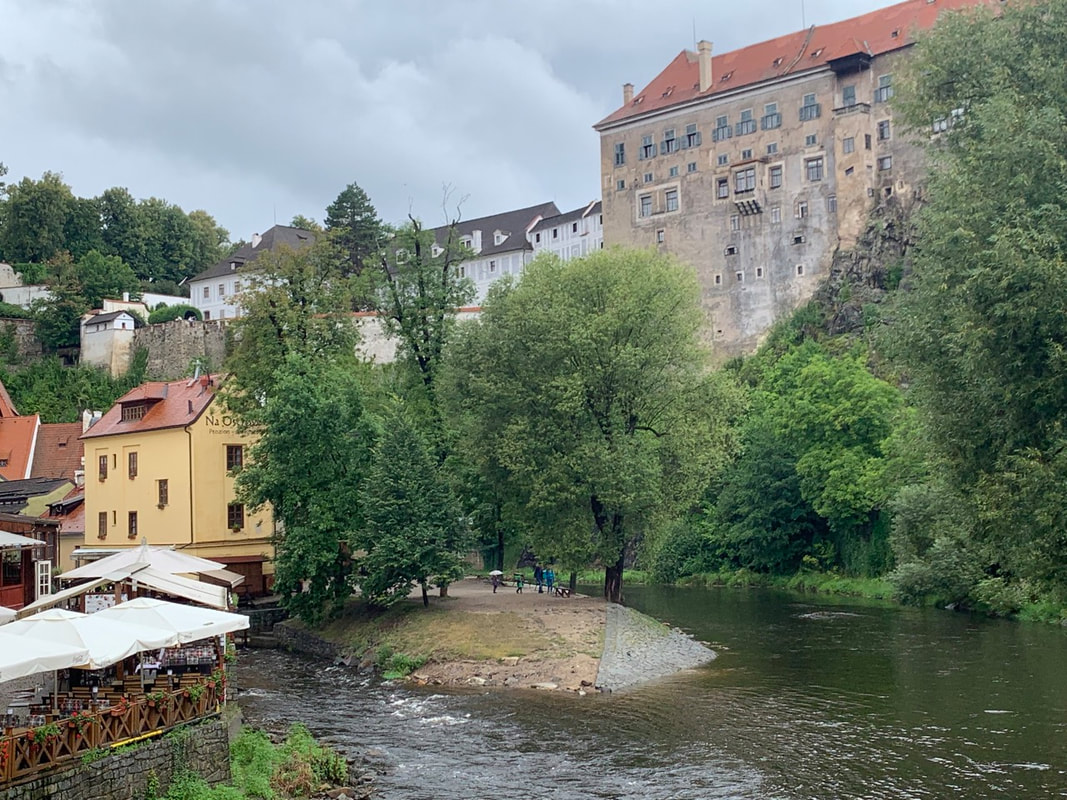
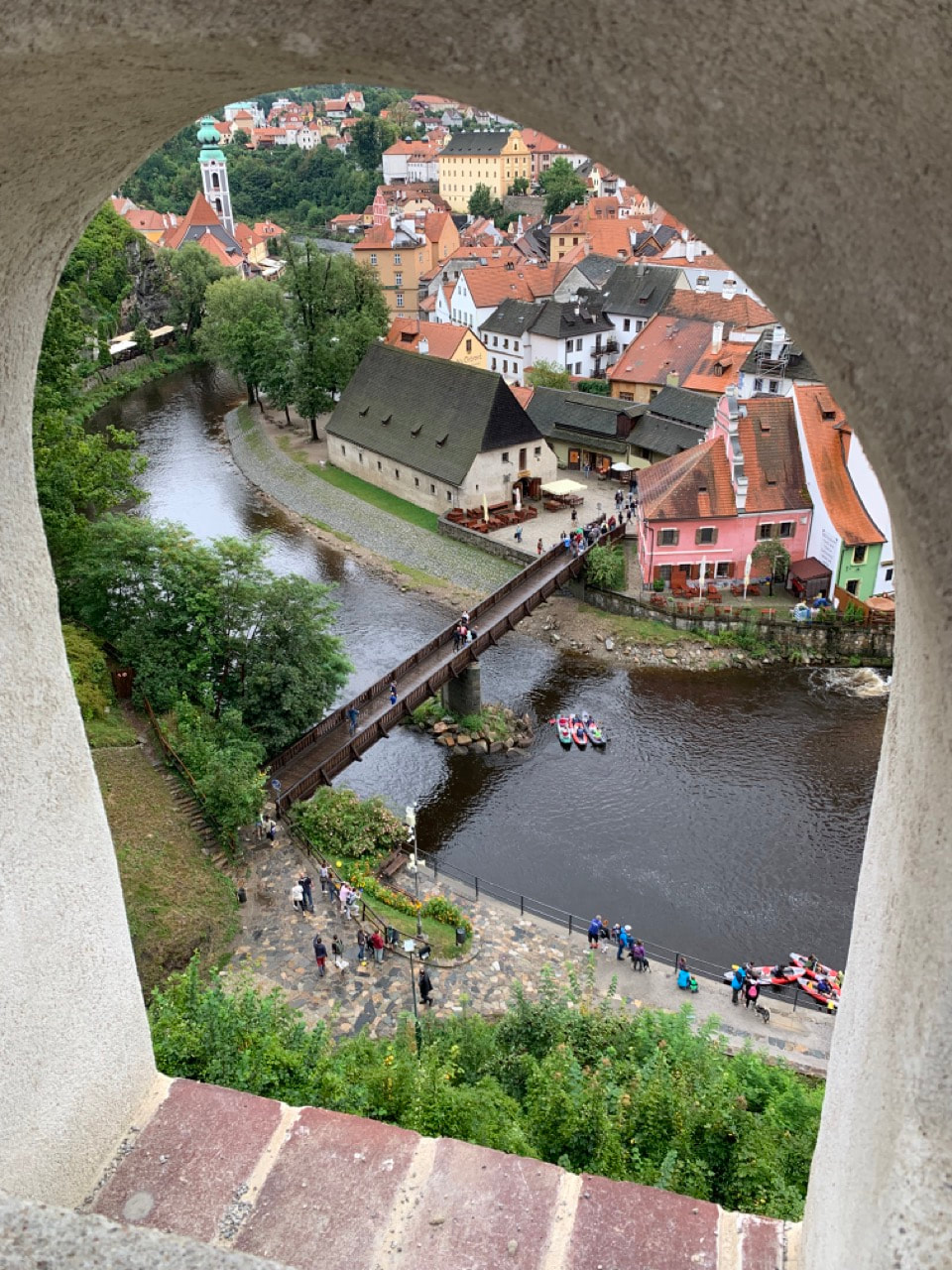
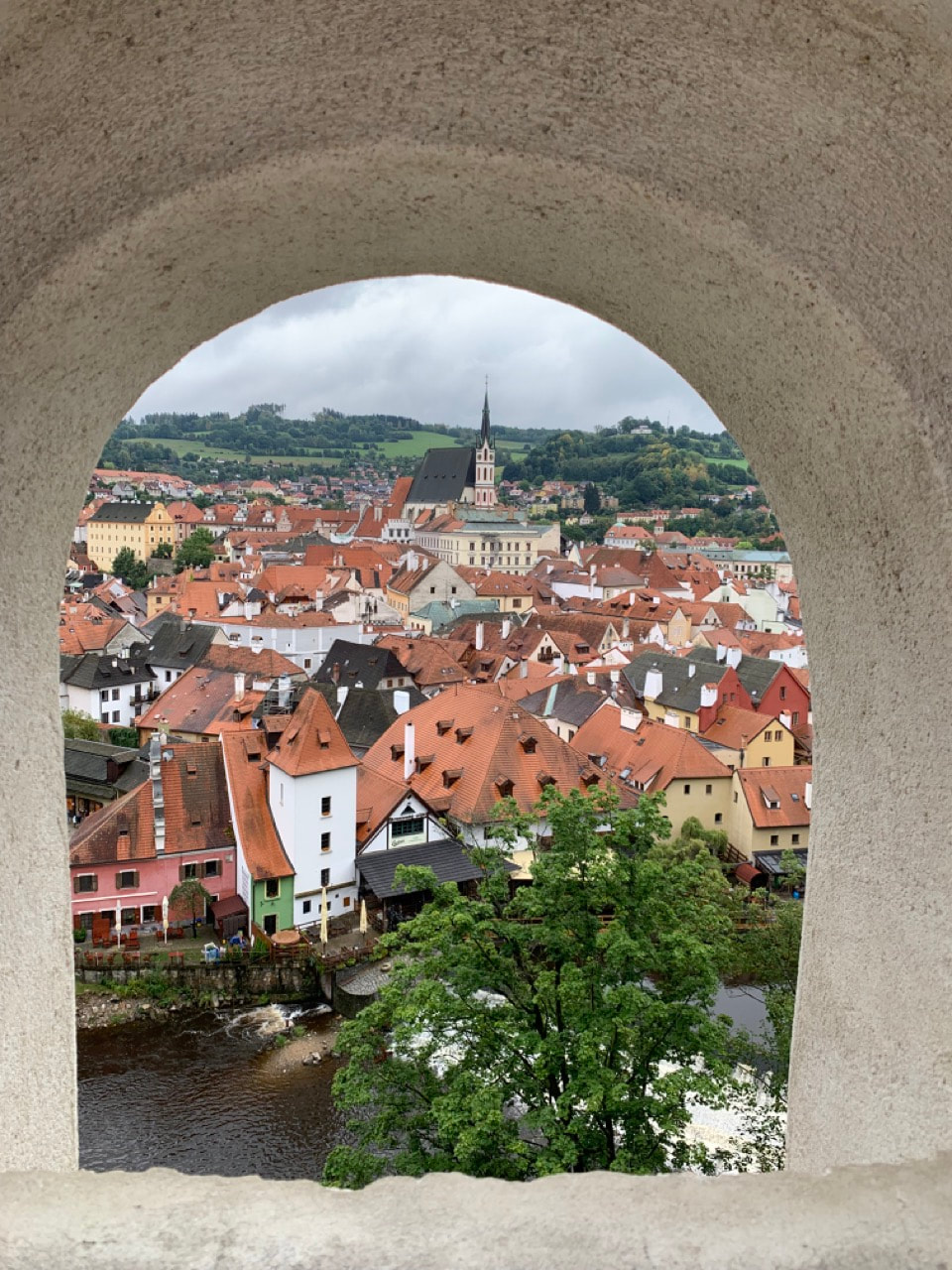
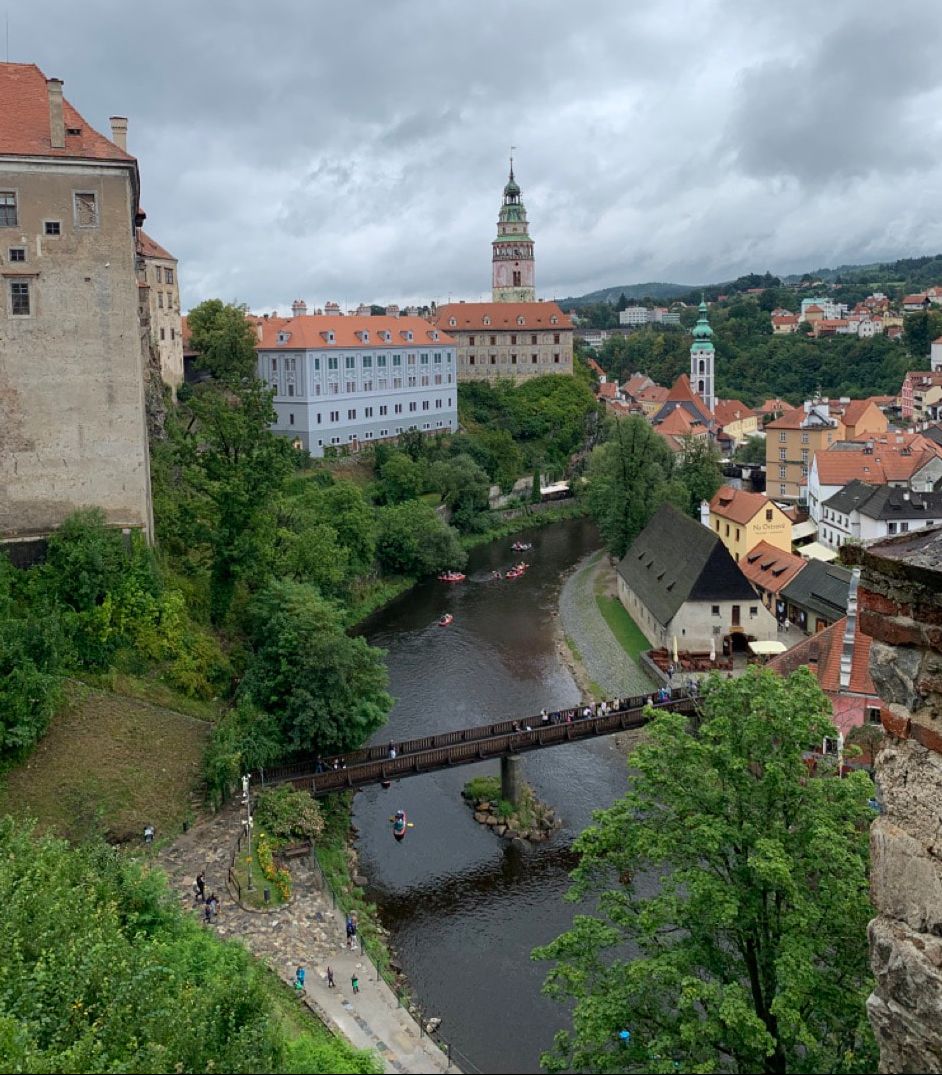
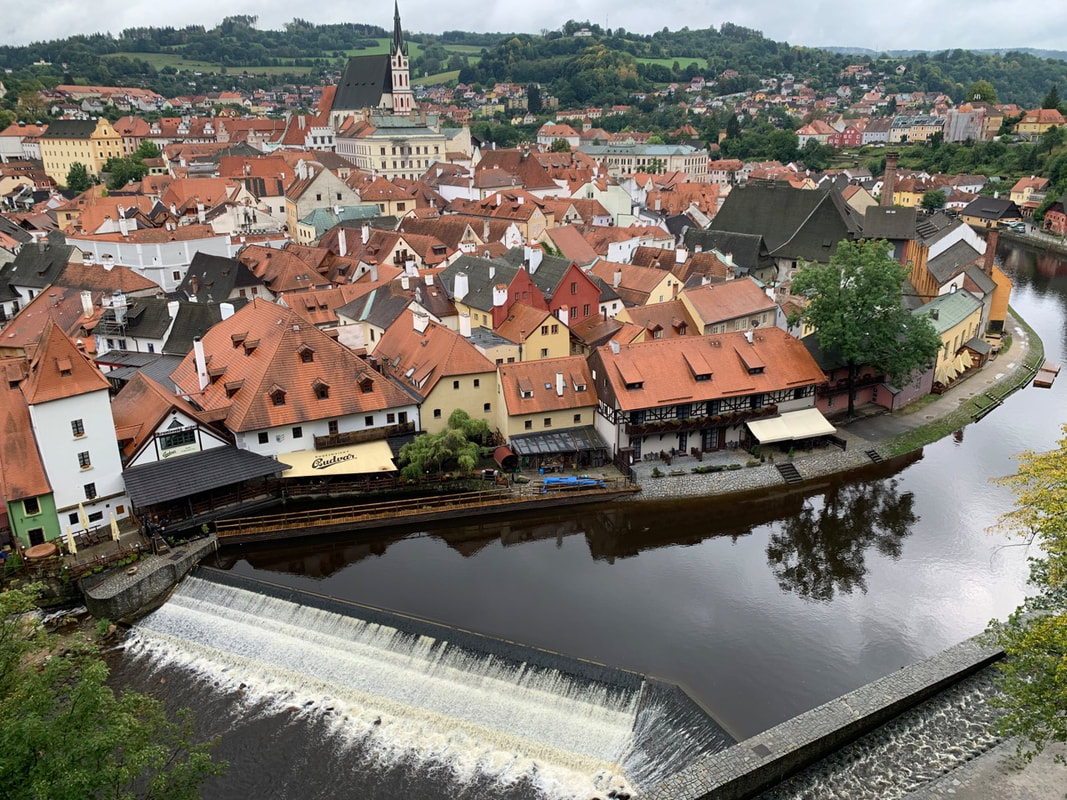
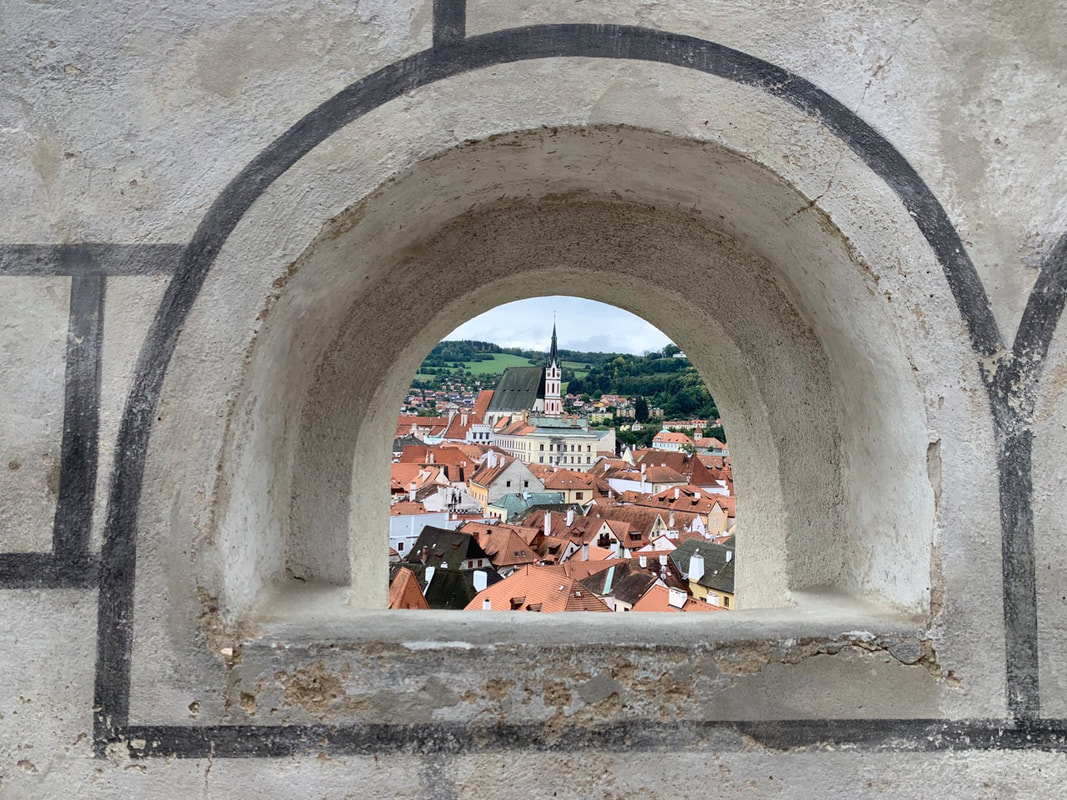
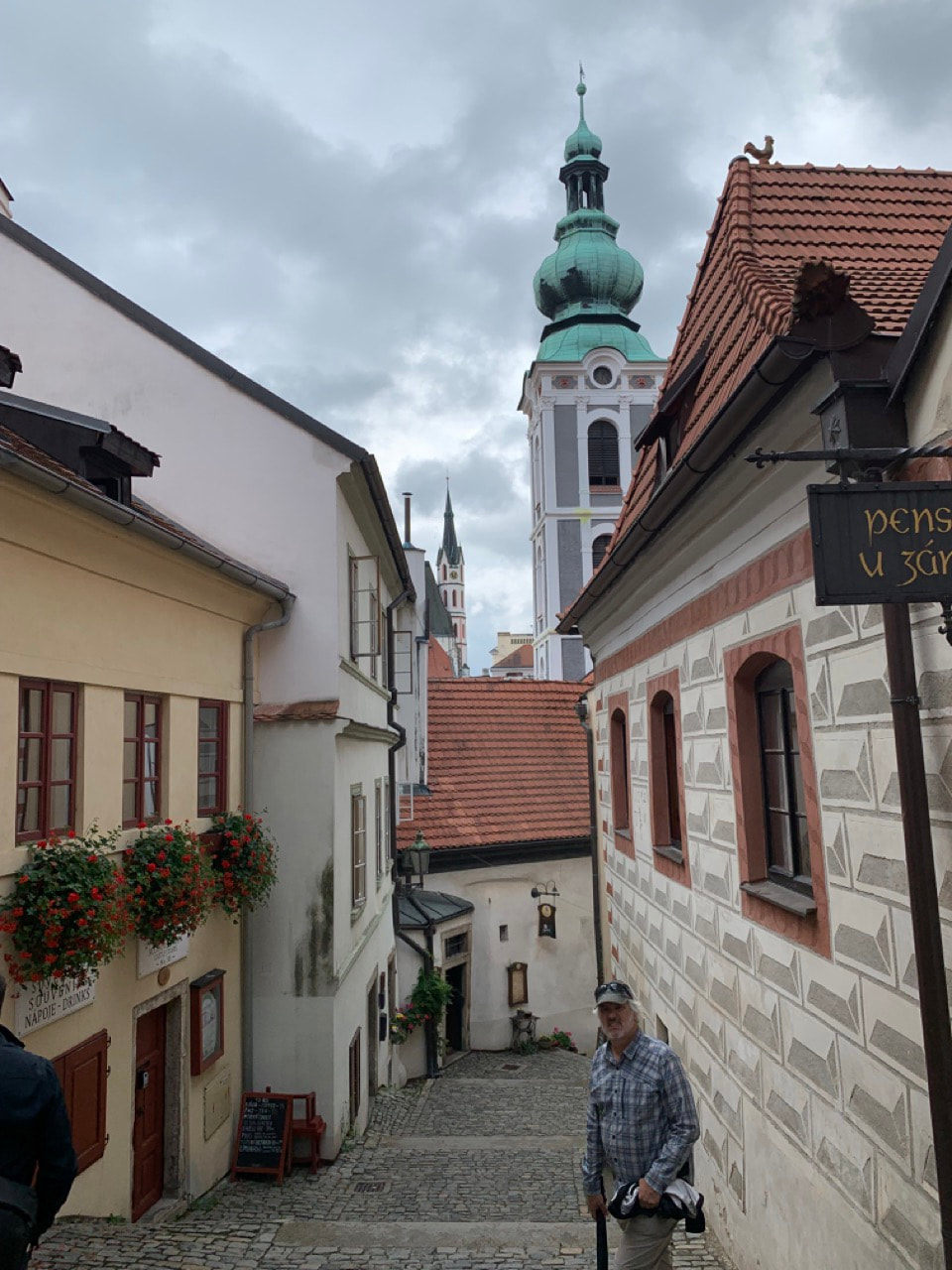
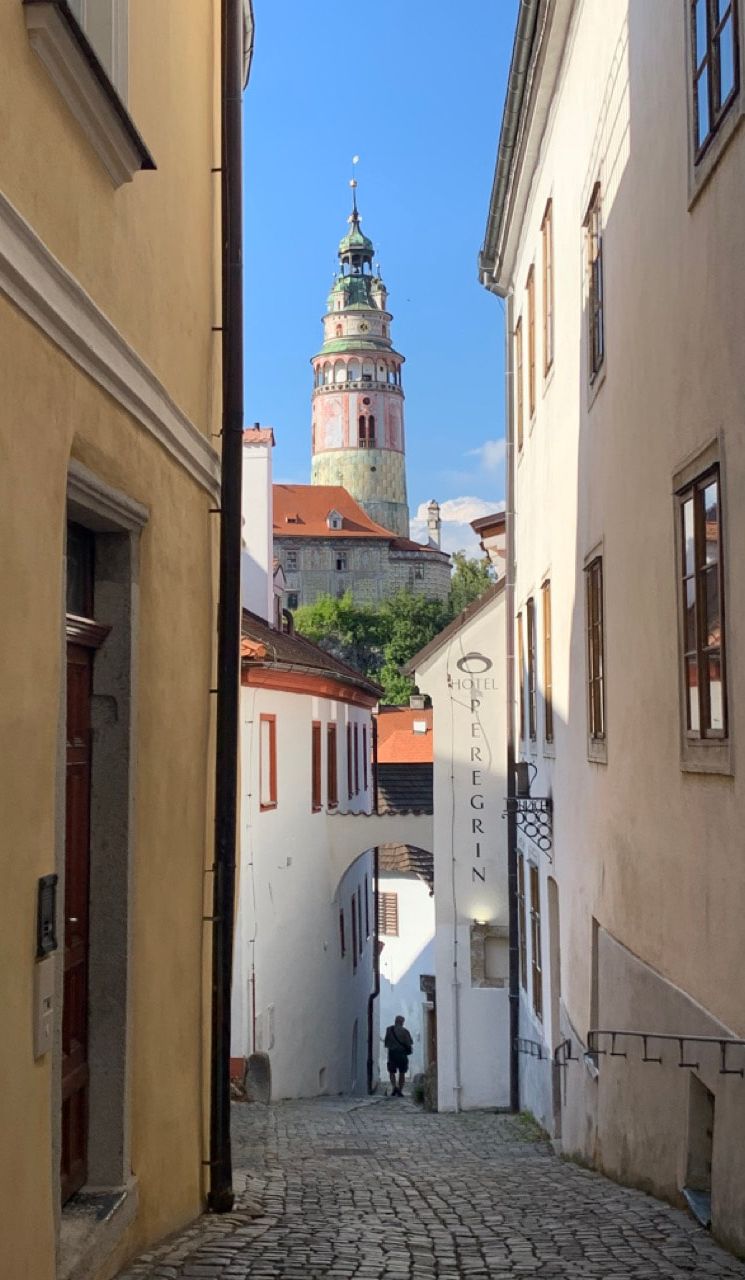
Český Krumlov is a city of 12,000 in the South Bohemia region of the Czech Republic.  It’s bisected by the Vltava River, and dominated by its 13th-century castle. The castle has Gothic, Renaissance and Baroque elements, a large garden and an original 17th-century baroque theater, and other unexpected features.  The river provides an ideal setting and experience for paddling canoes or rafts right through the city.  There are numerous shops, taverns, inns and restaurants spread throughout narrow cobbled old lanes that provide their high views of the surroundings in several spots.

We start the day with a town walking tour, after our hotel provided a hearty breakfast

Picture
Picture
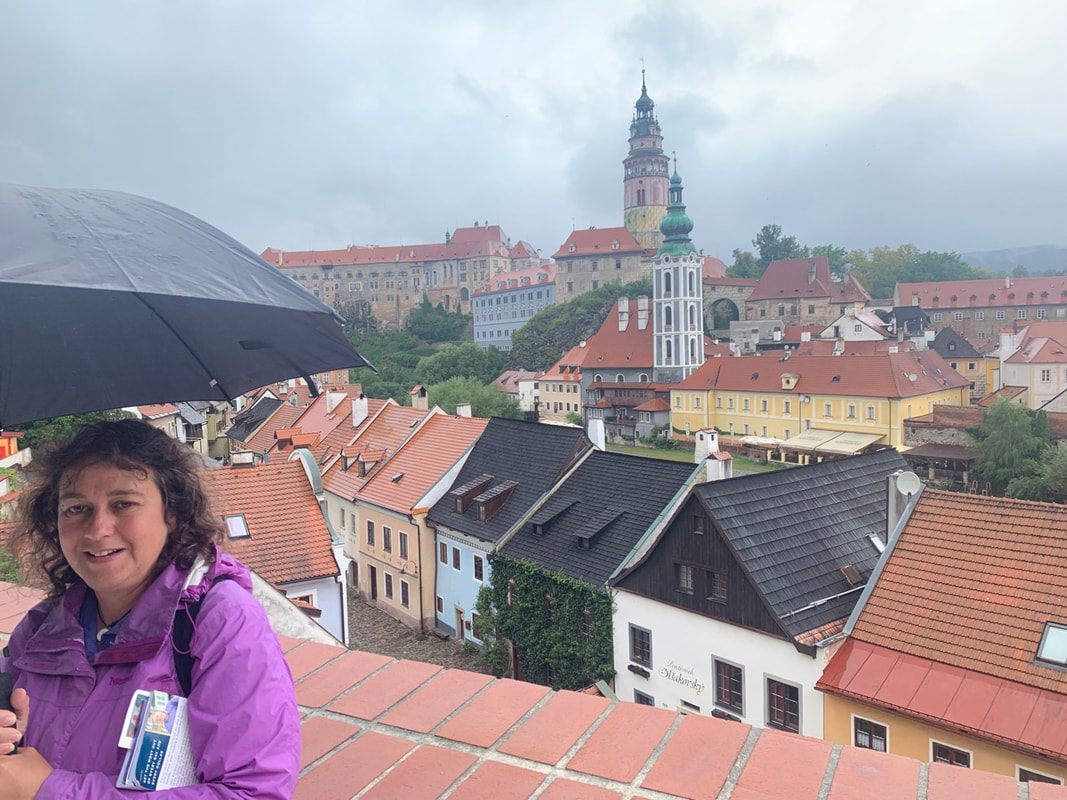
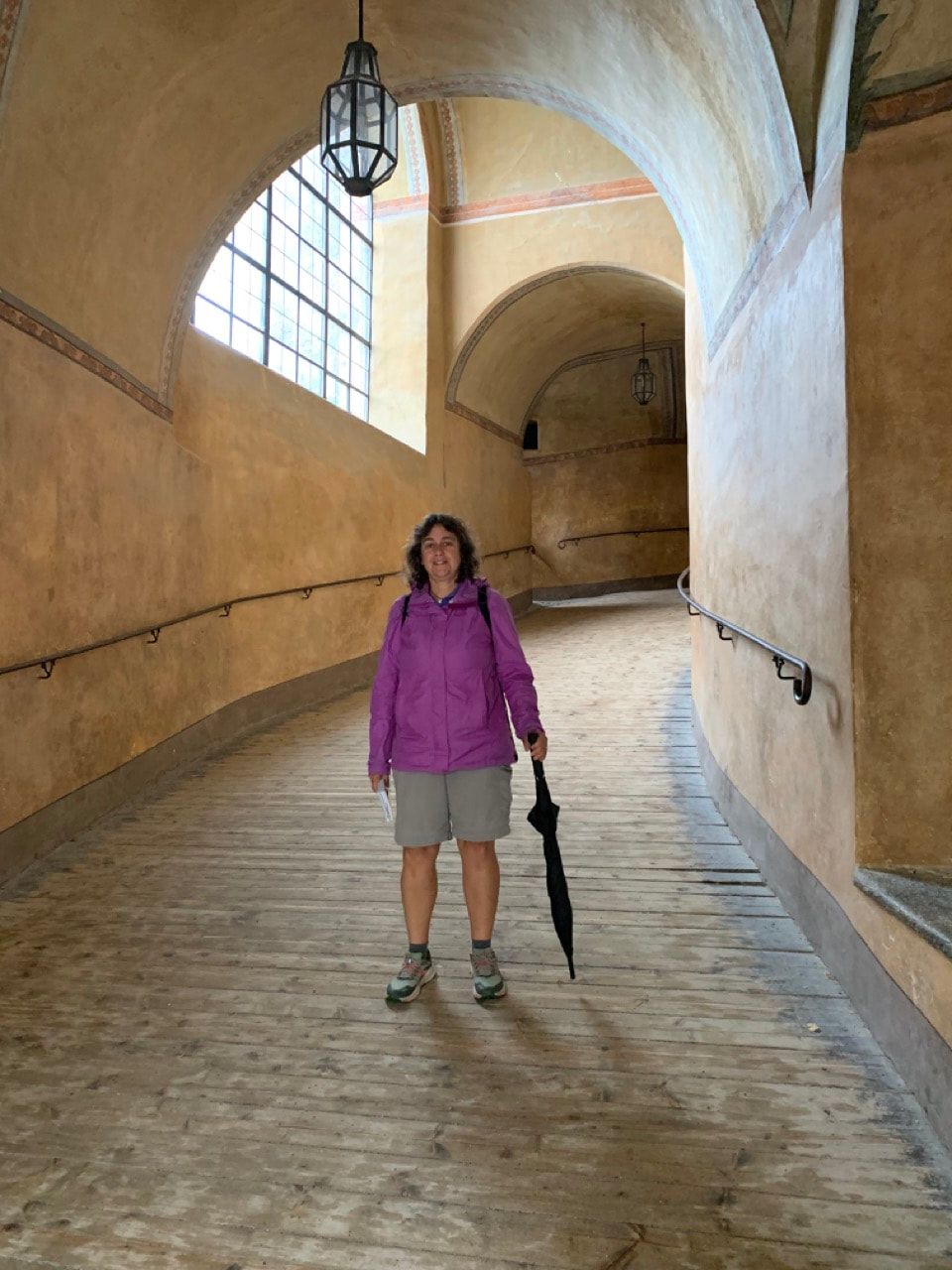
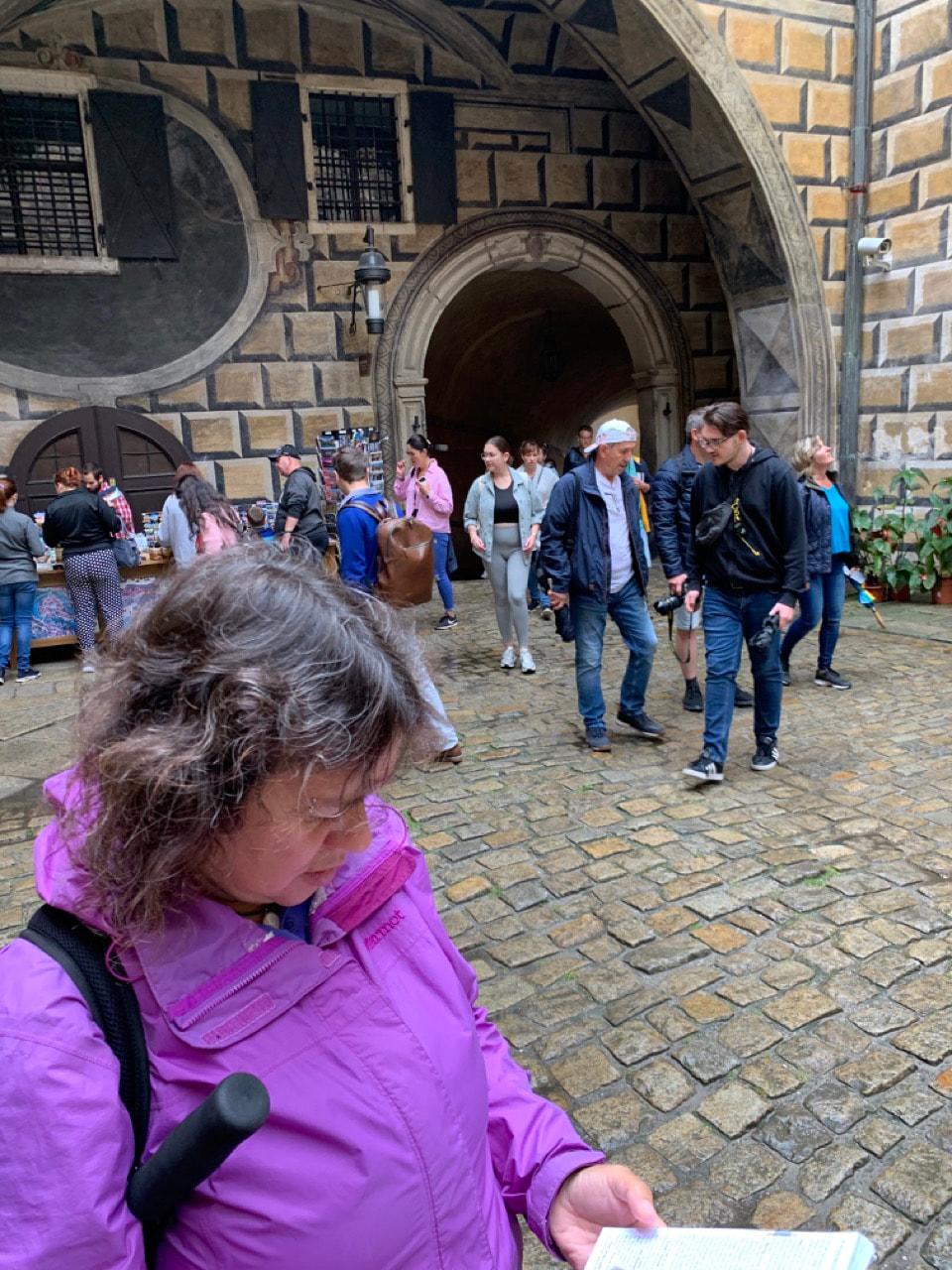
We've had so much sunny weather in this whole trip that many areas have been hurting for rain.  Today, we cooperated and agreed to a bit of rain.  The hotel provided us with a couple of umbrellas.
Picture

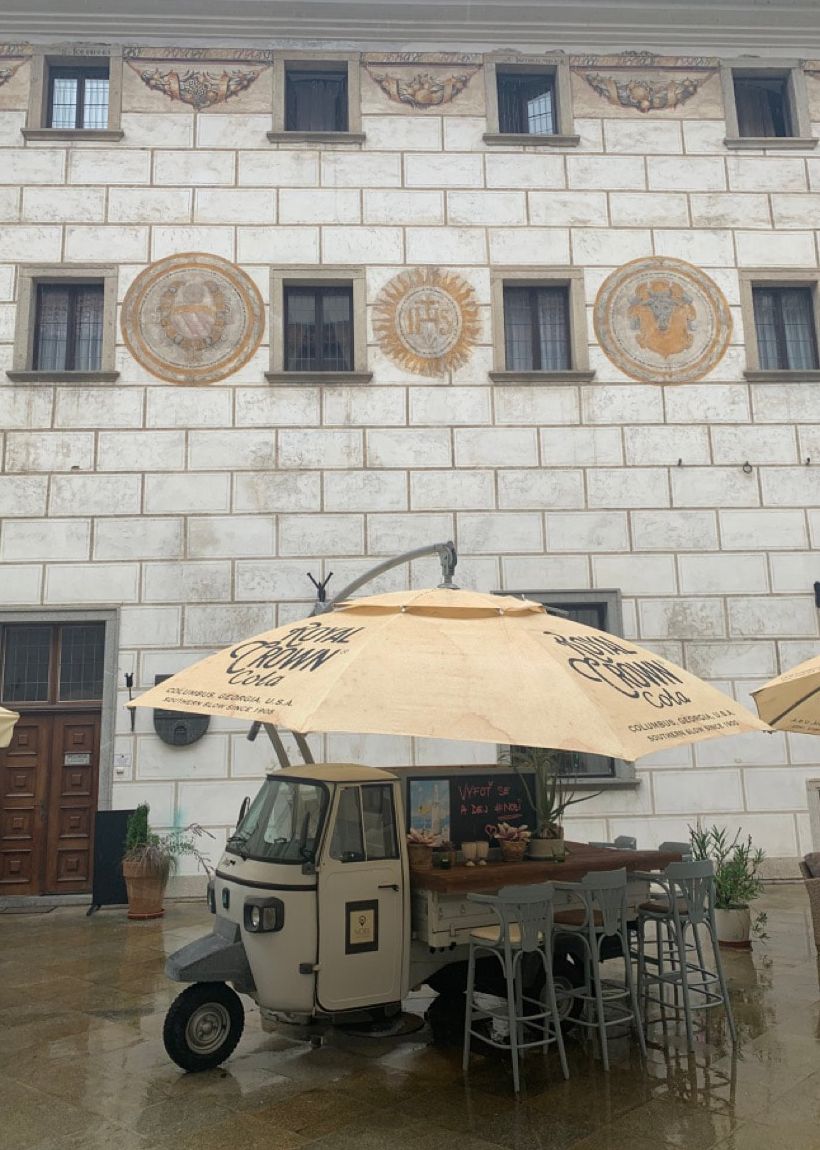
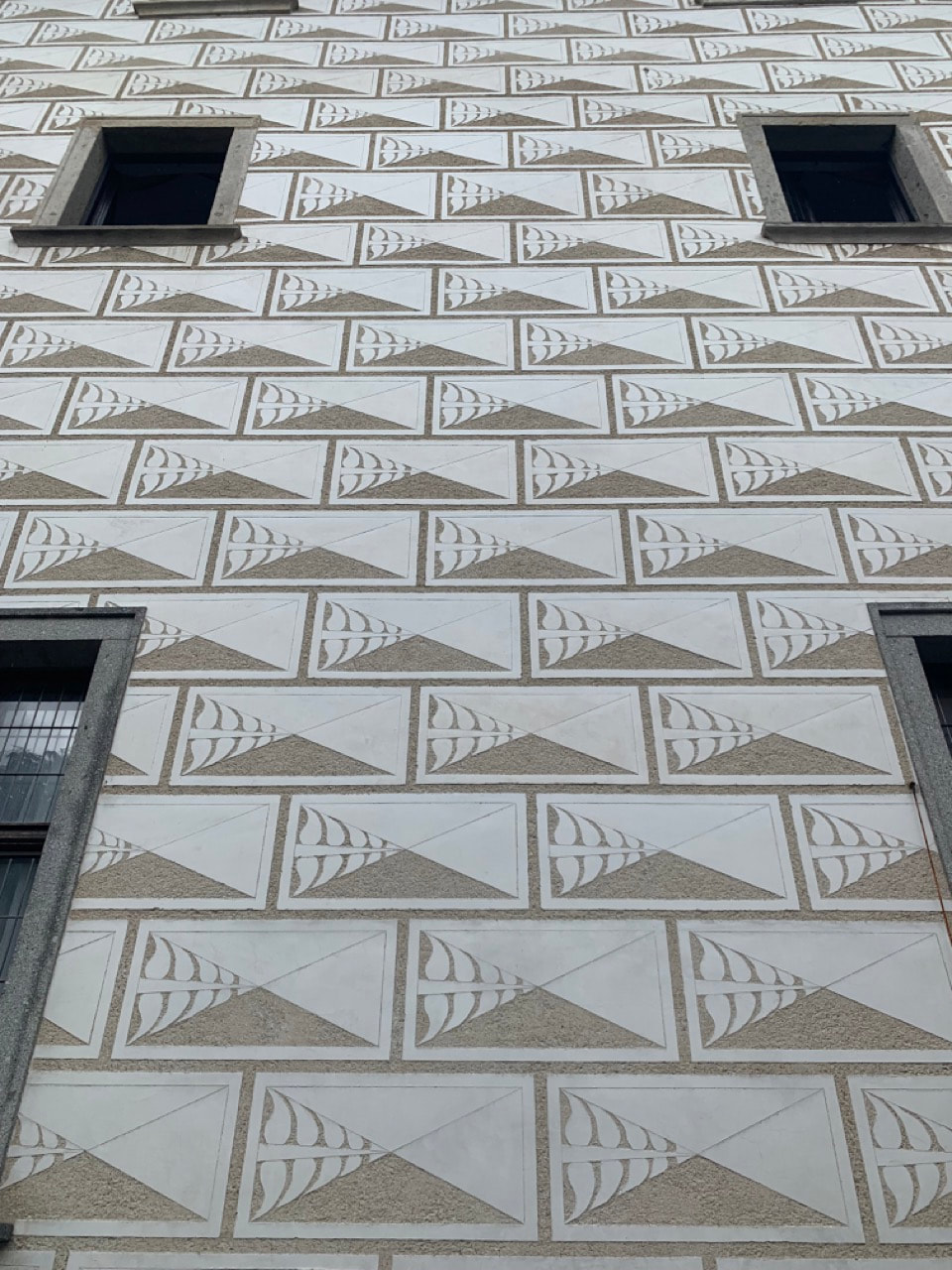
Patterns on this wall were made by scraping off the stucco coating to reveal the tan color.  Several buildings around town had similarly done motifs.

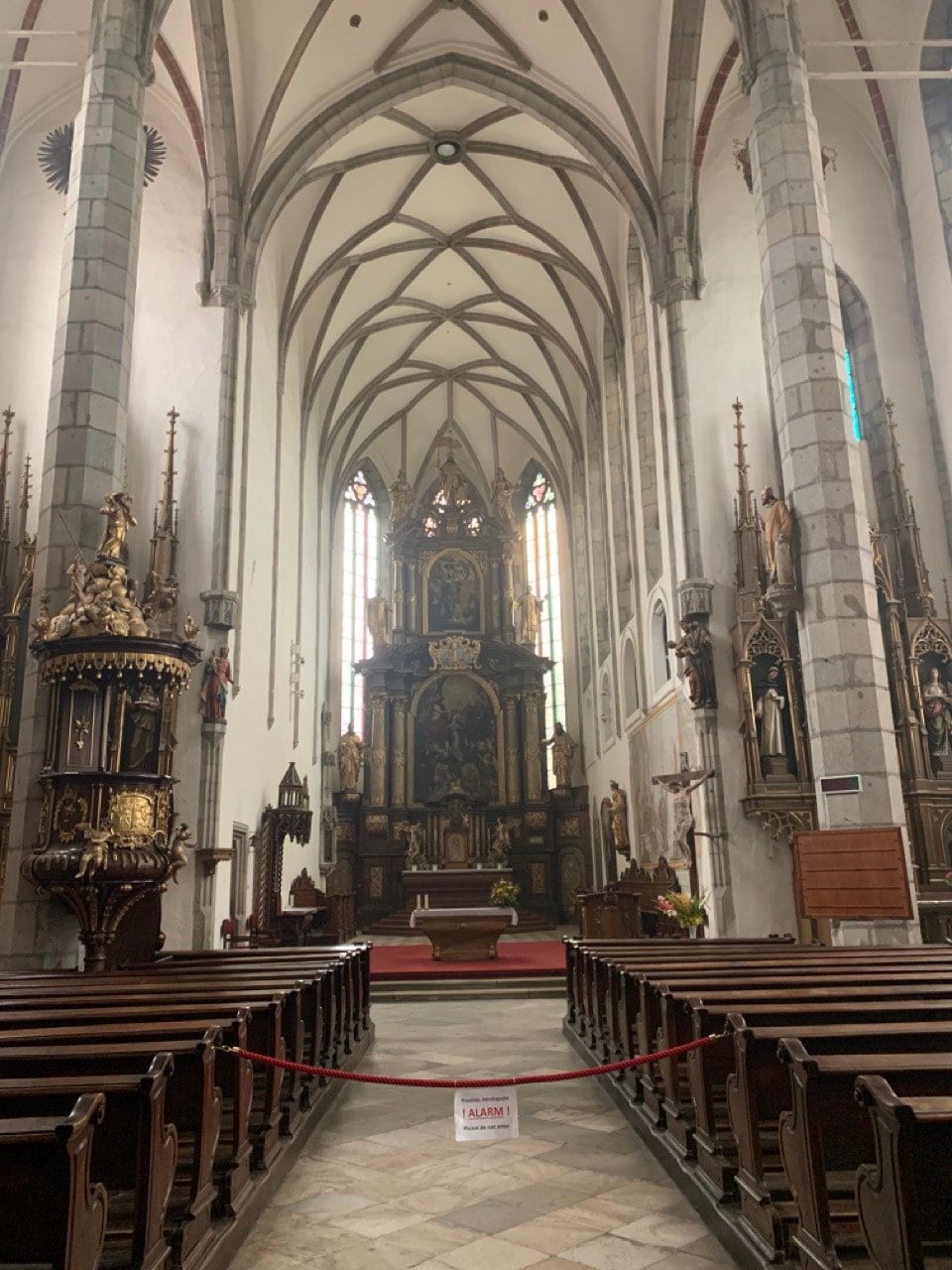
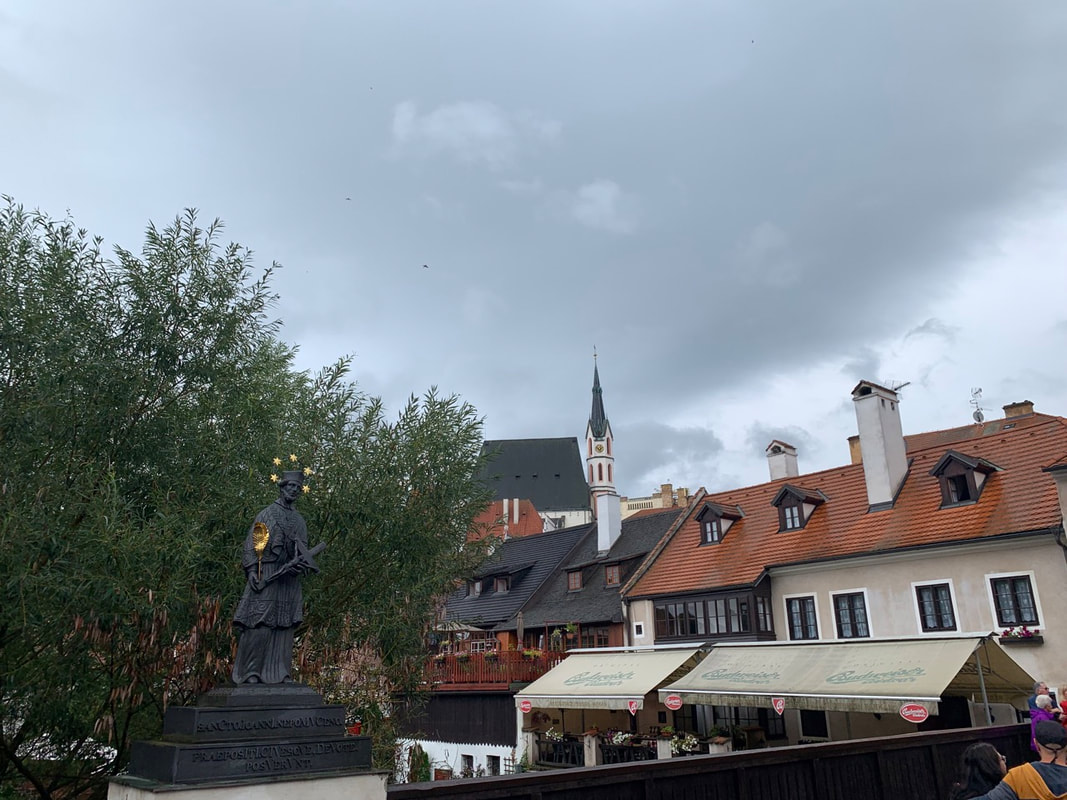
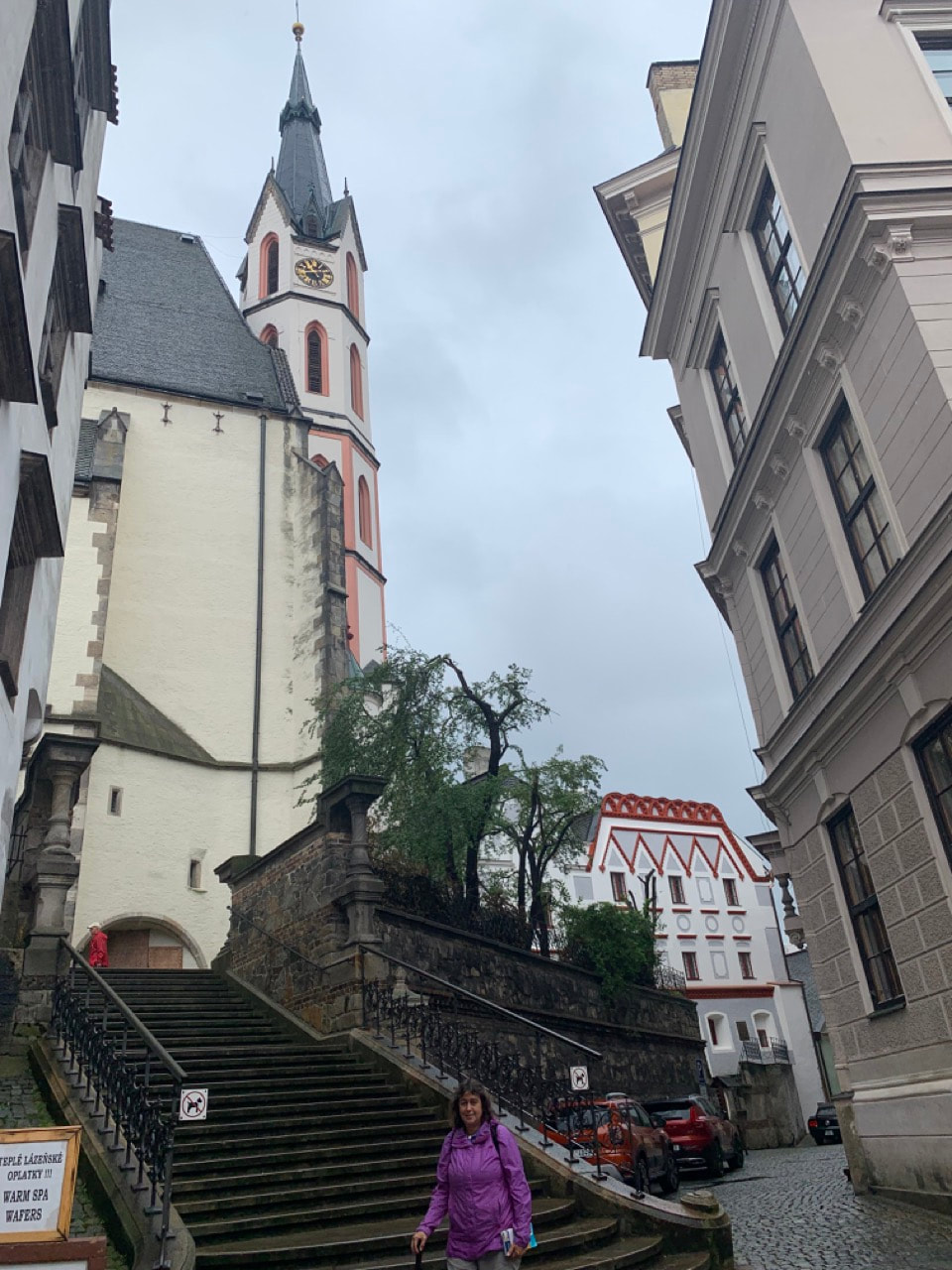
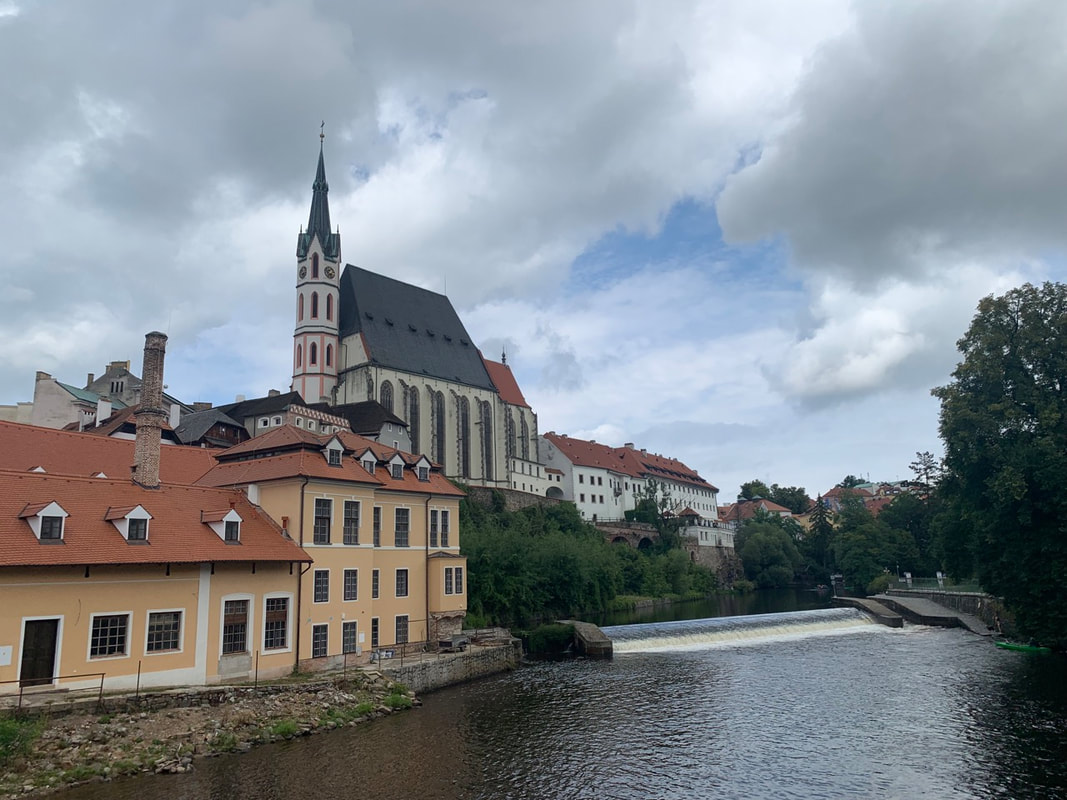
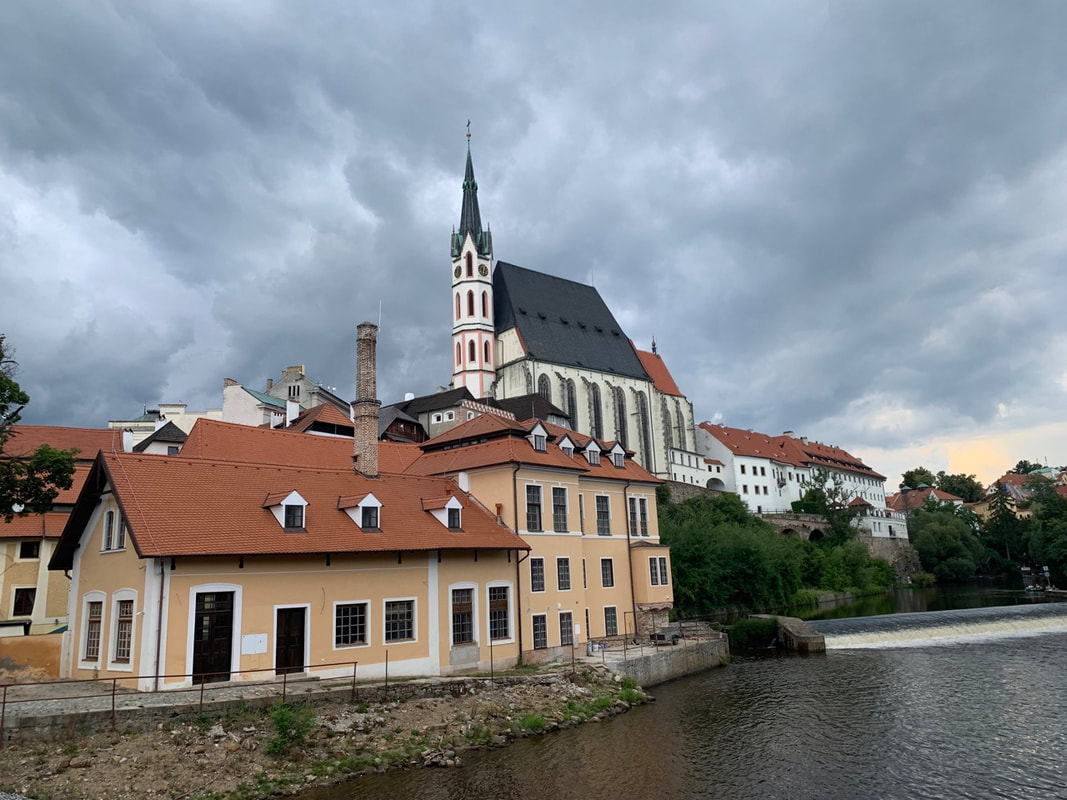
St. Vitus Church is an important late-Gothic monument built from 1407 to 1438, with later modifications. In 1995 it was declared a National Cultural Monument of the Czech Republic.  We were treated to organ music in our stop.

Picture
Picture
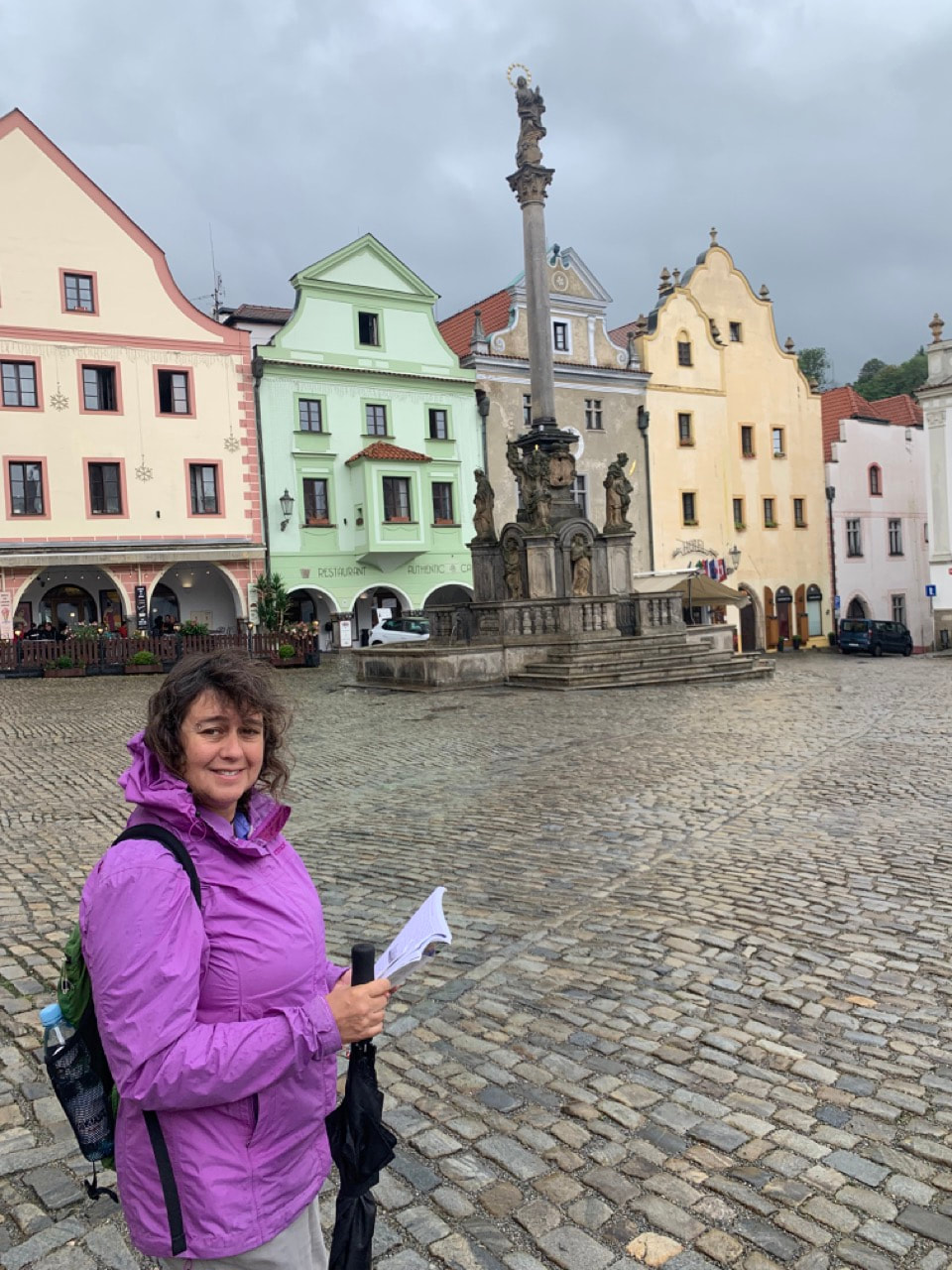
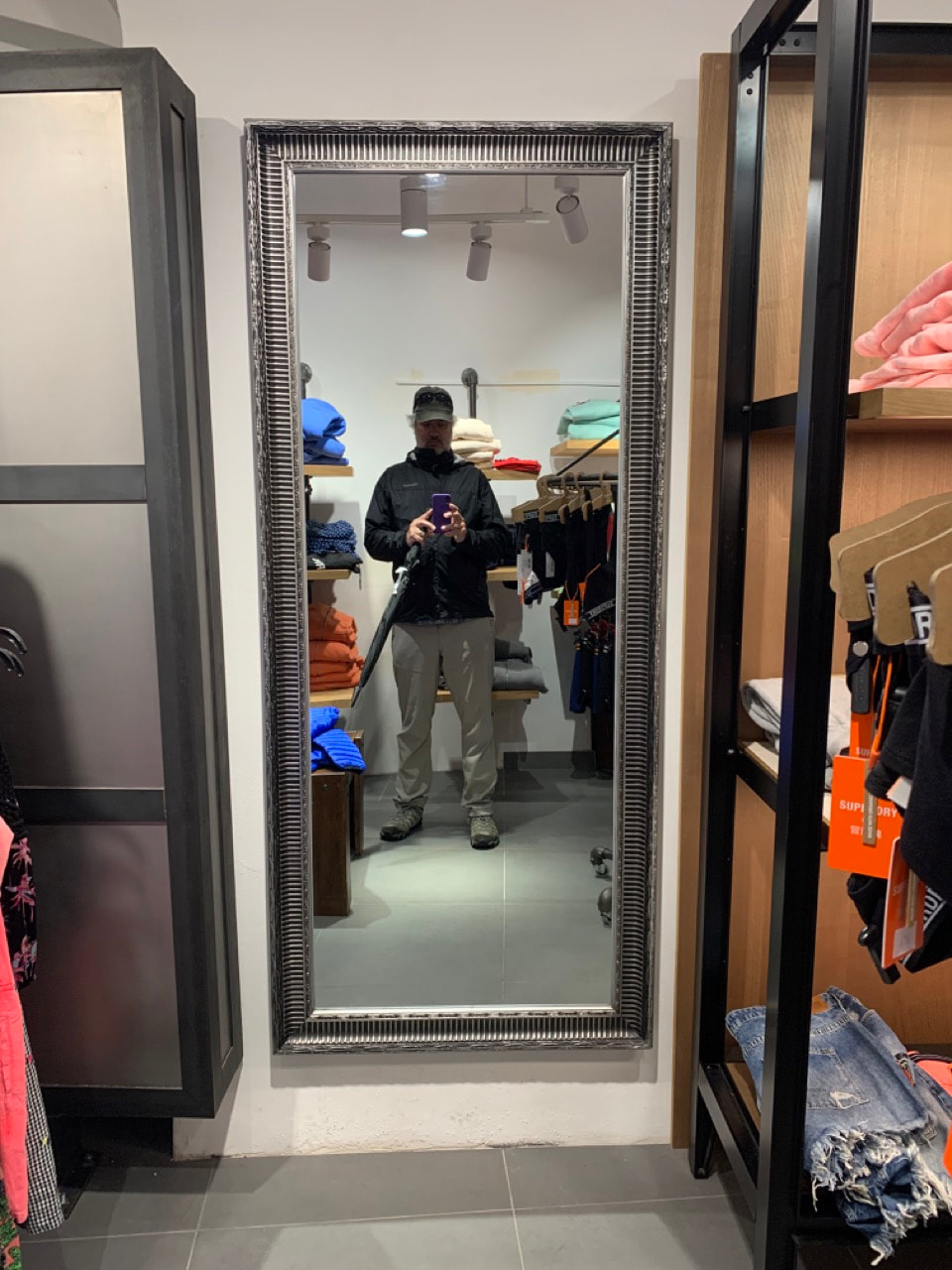
Gerri on the town square with the Plague Monument - they were so happy that half the population made it through that they built this monument to celebrate.  Tim at the local Super-Dry clothing store checking out the 'skinny mirror".  "My own clothes are so flattering for me, why should I shell out all those bucks for this pricey Super-Dry stuff".
Picture
Picture
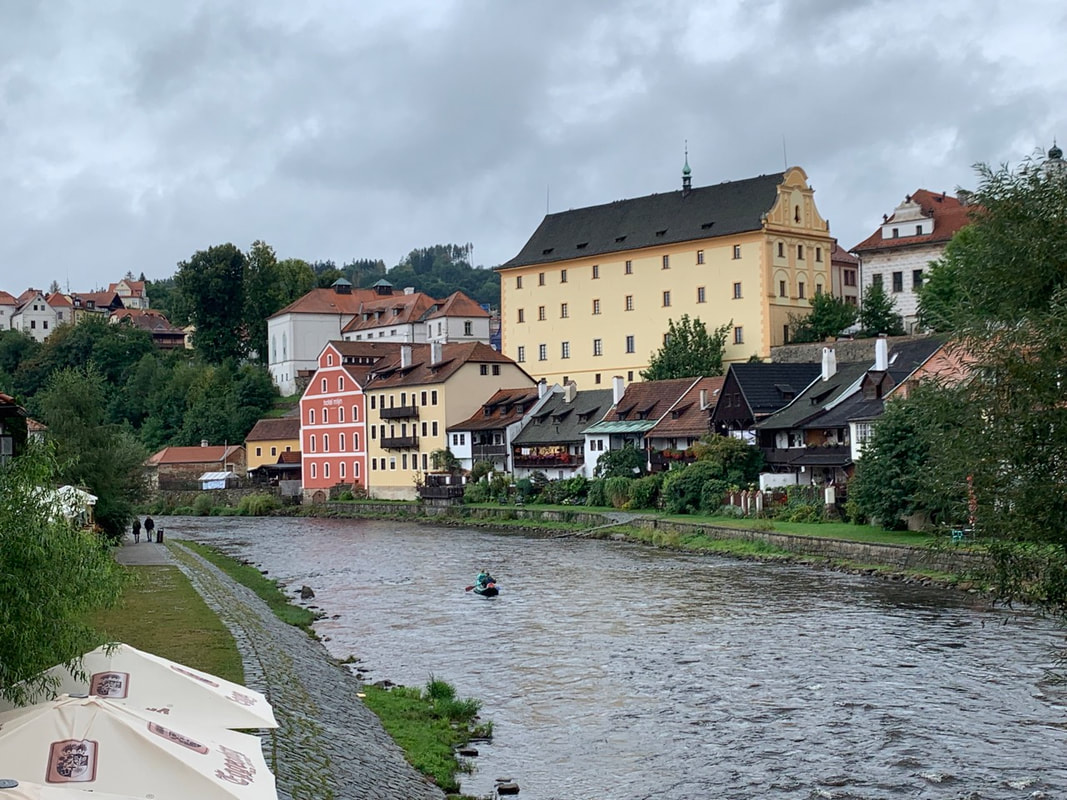
Boaters in the rain, still having fun, hmmmm, is Gerri getting an itch - "Rick Steves calls this activity a can't miss for Krumlov".
Picture
Picture
Picture
Is the sky starting to brighten up?
Picture
Picture
Upward and onward to the "dominating" castle.
Picture
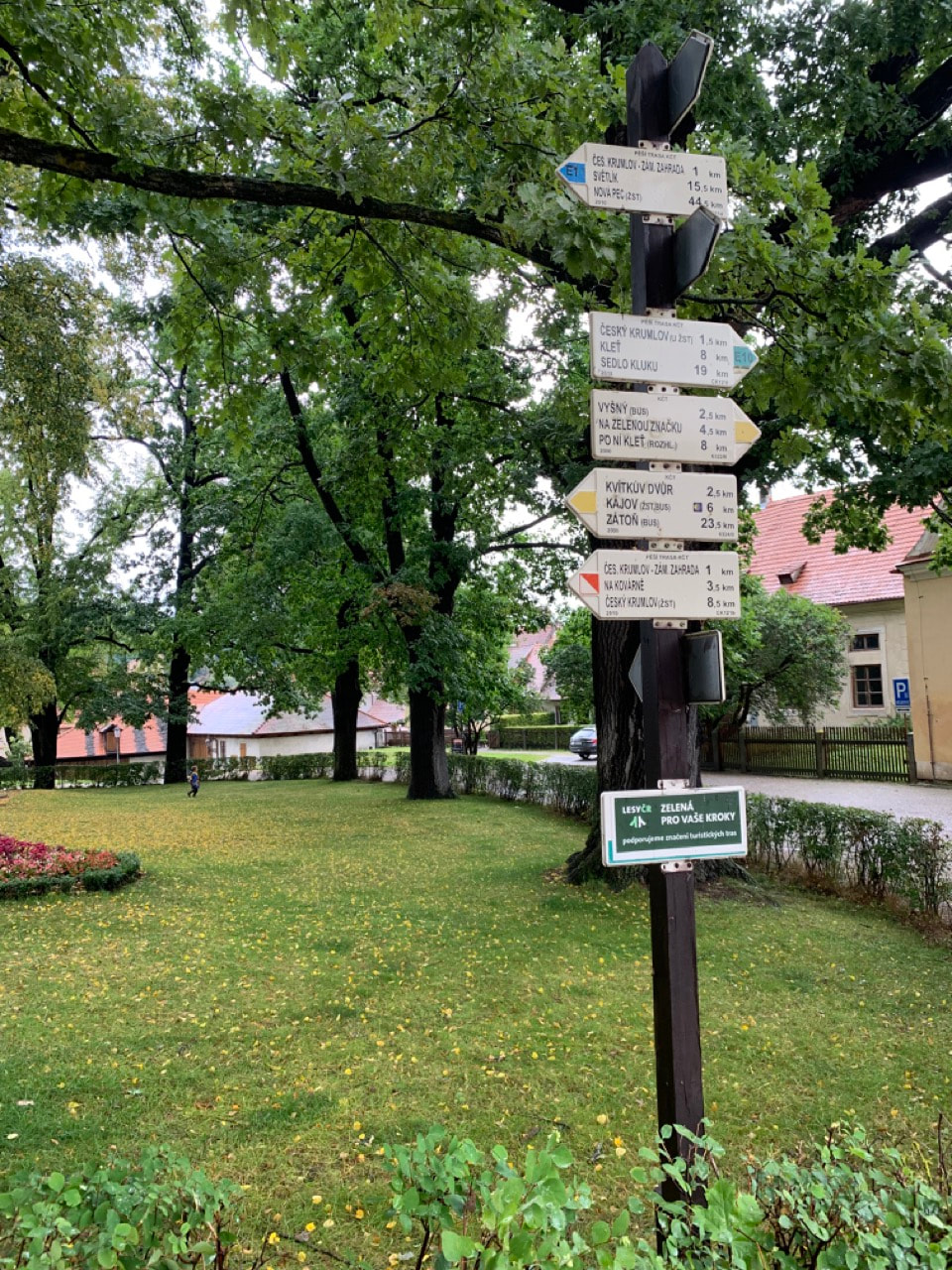
A trail marker with many choices according to your stamina.  We see the castle watch tower - information is power.
Picture
Picture
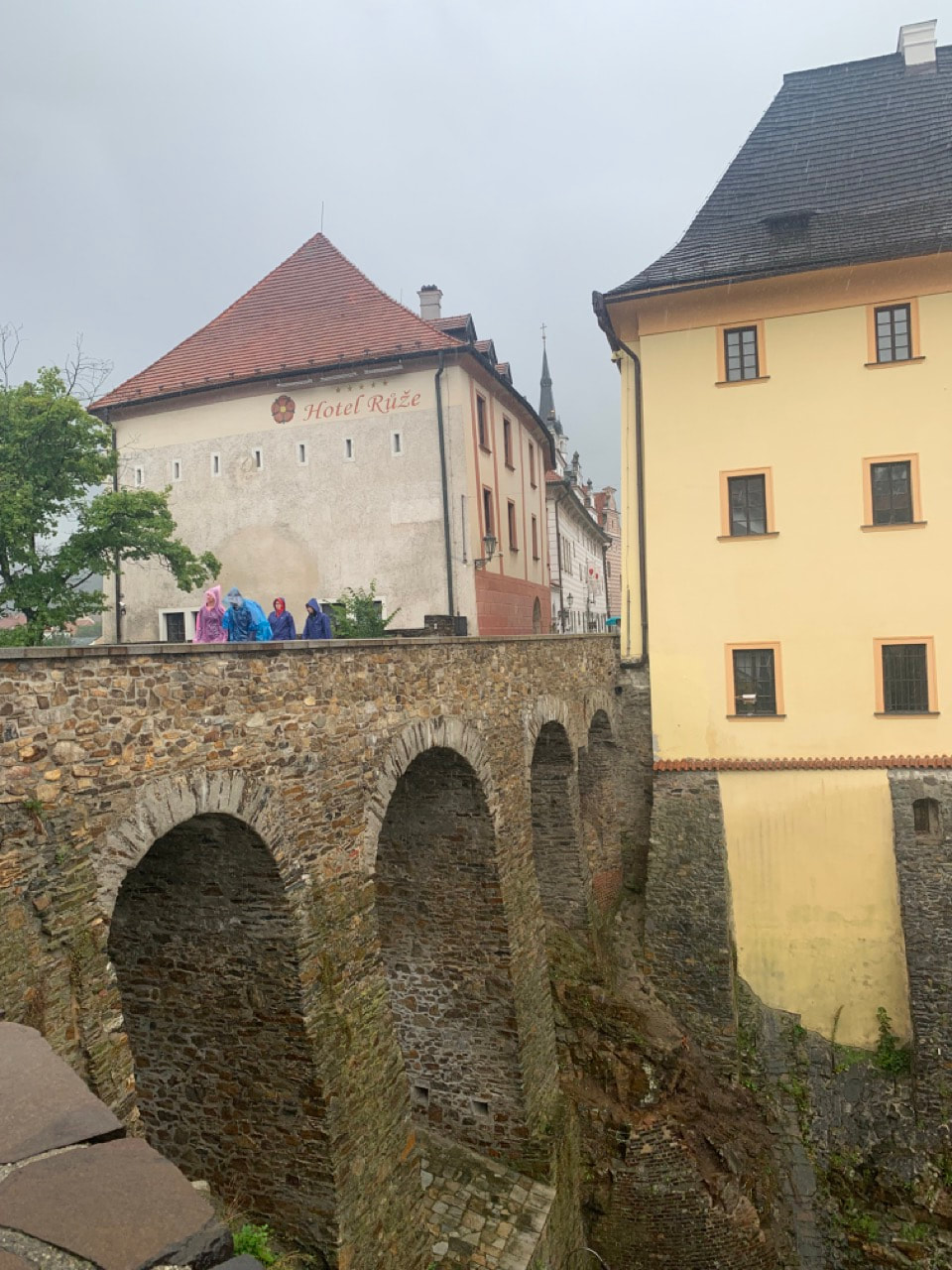
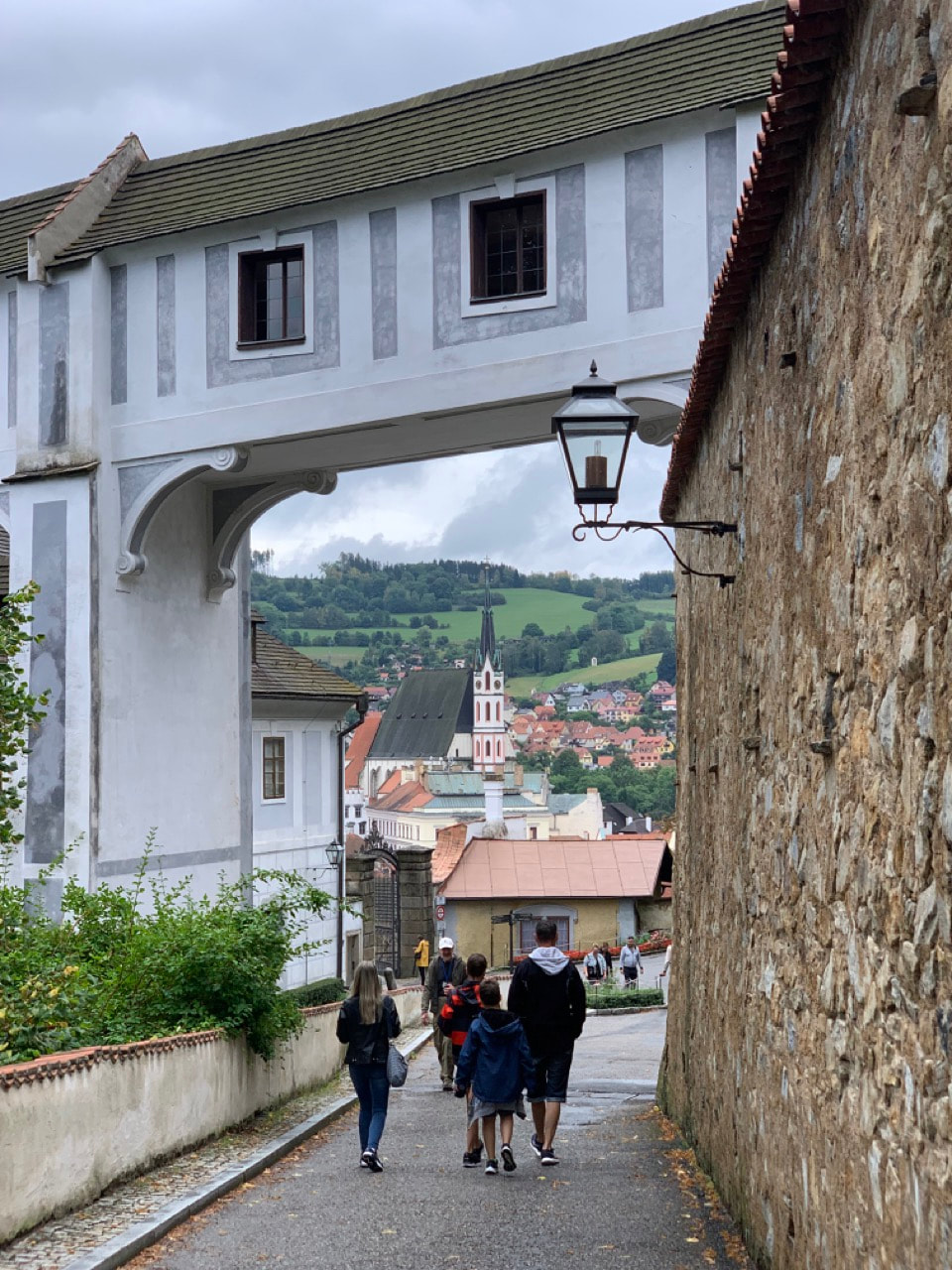
As we gradually go higher, we're treated to multiple courtyards.
Picture
Picture
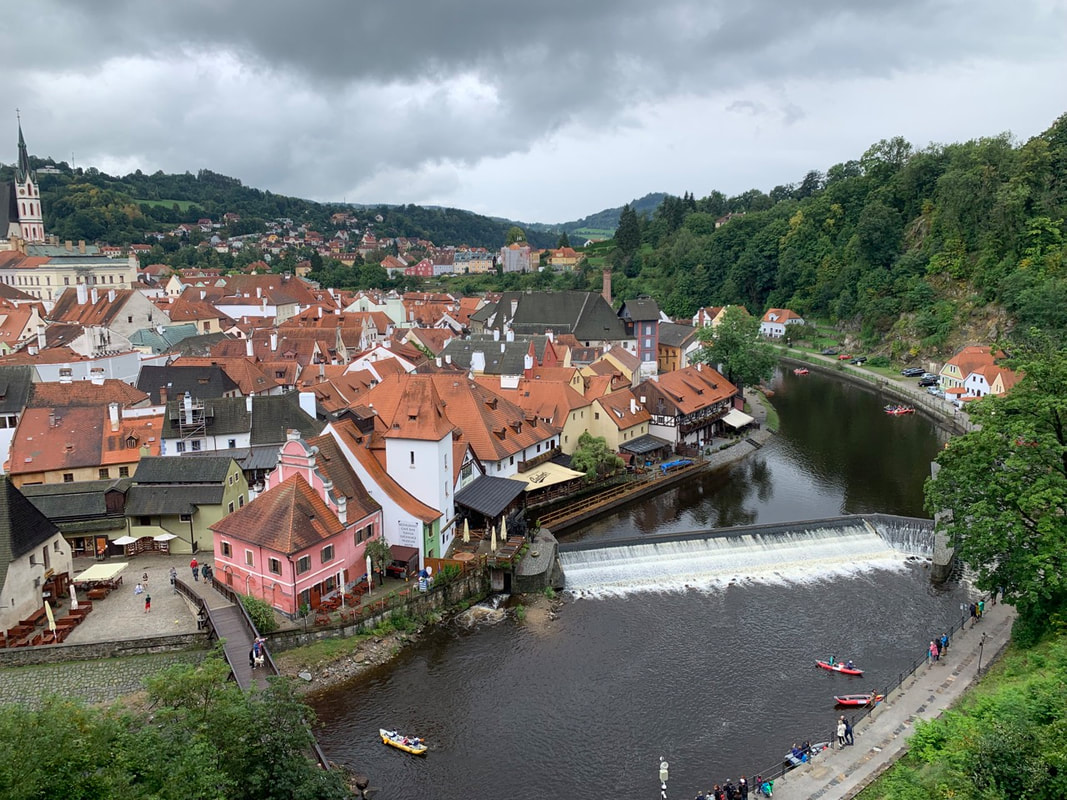
Twenty years ago the region had mucho raino - Prague was severely flooded, as well as Krumlov.  See the pink house at lower left below, the high water line was just below the white horizontal decorative line.
Picture
Picture
Picture
Picture
Picture
Picture
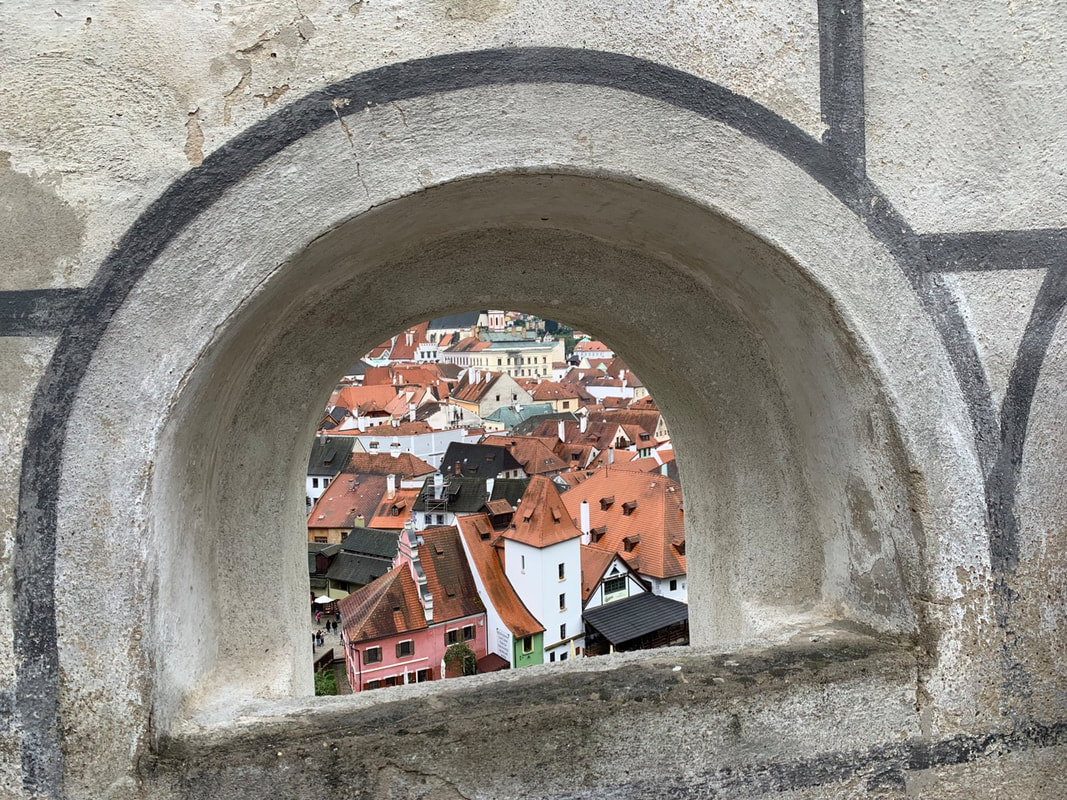
We've seen a good many castle interiors, so we more than satisfied to just see the outside of this one, and especially the grand views.
Picture
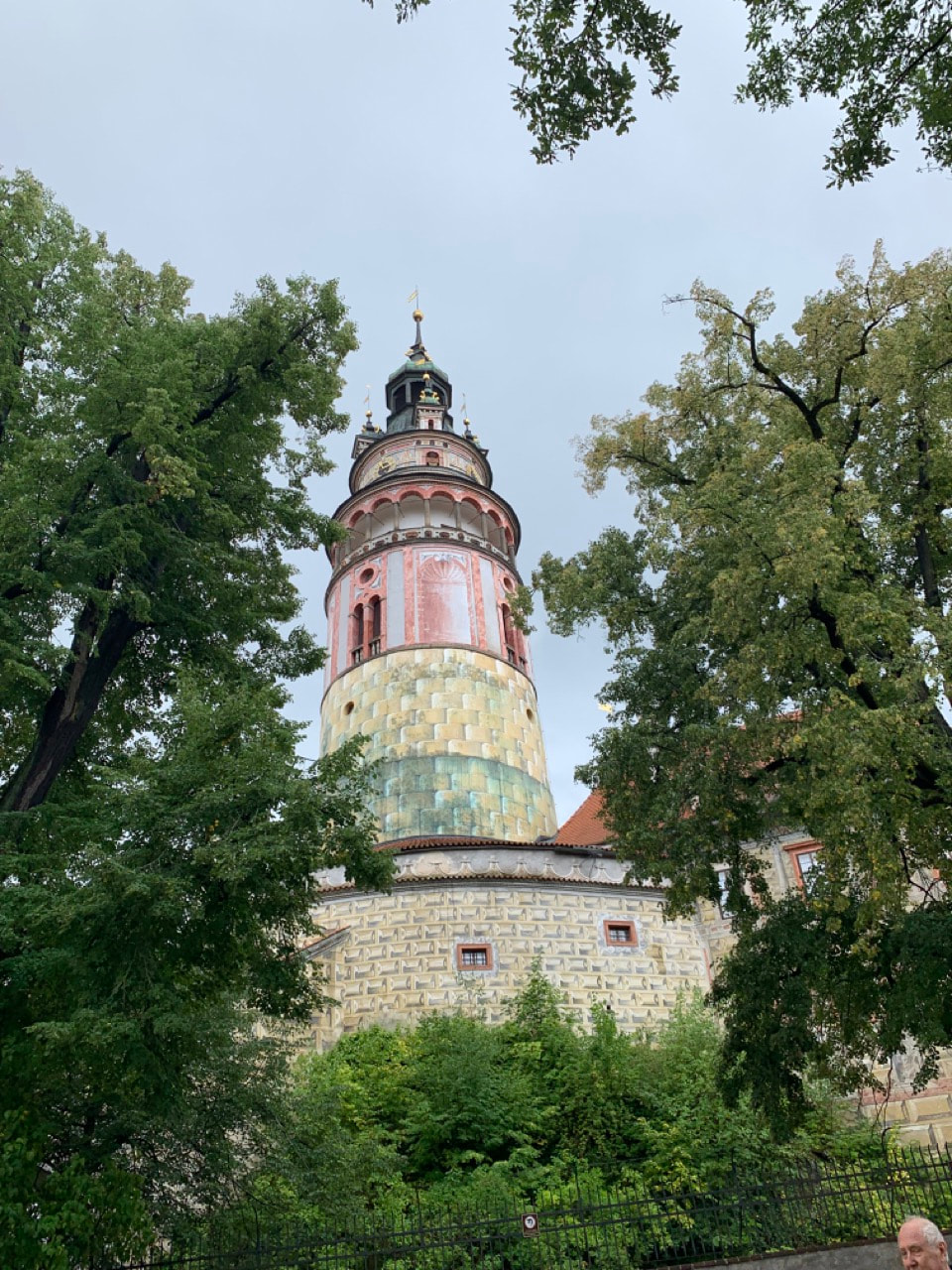
This castle, high on the hill, is huge - we've started at the castle tower, and it continues from right to left, and beyond.
Picture
Summer is entering it's last third now - just as back in the northern USA, some tree colors are already happening.
Picture
Picture
We finish our castle tour with the garden, over 27 acres worth.
Picture
Picture
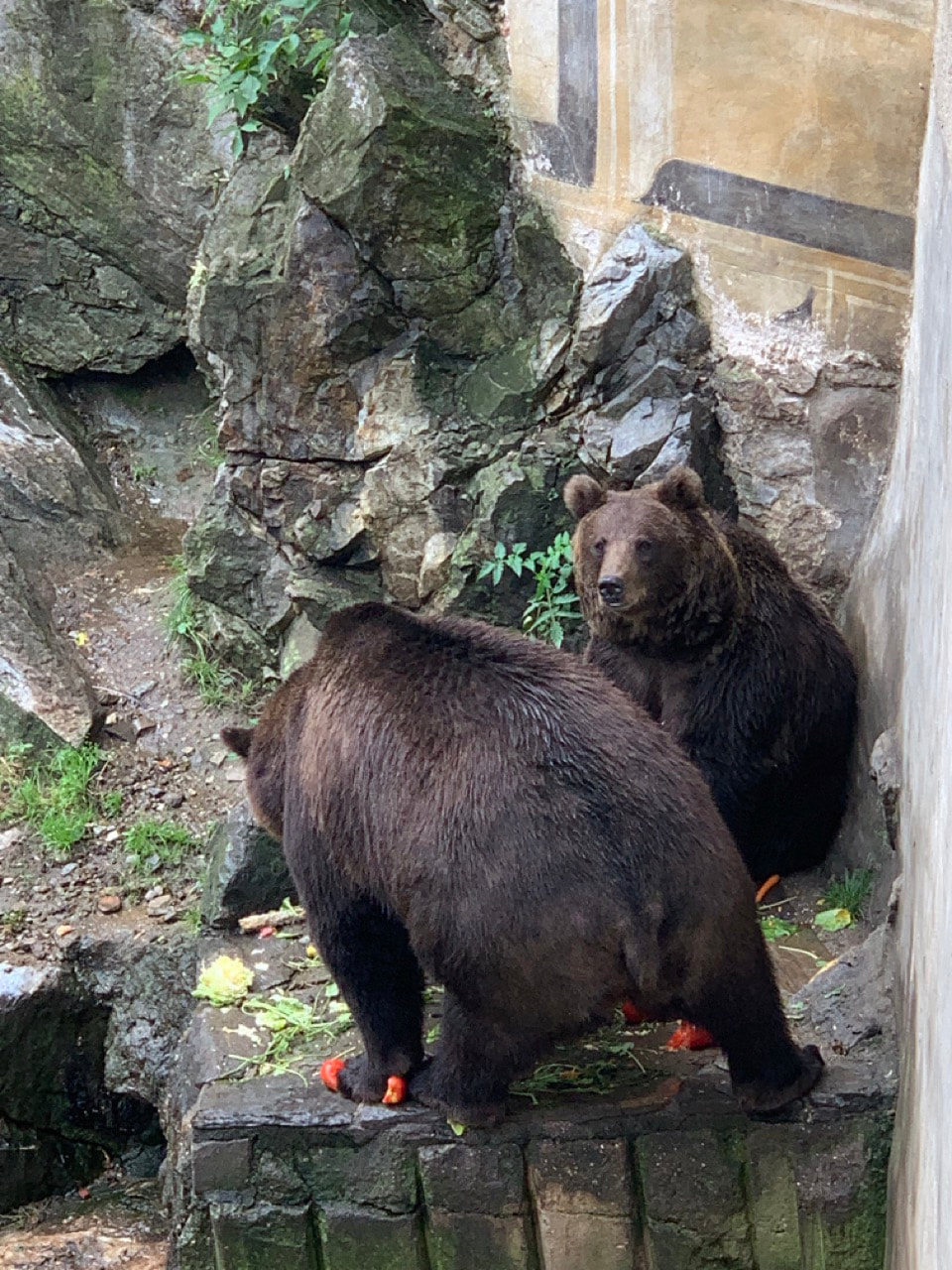
Here's the bonus treat, European brown bears eating salad.
Picture
Picture
Picture
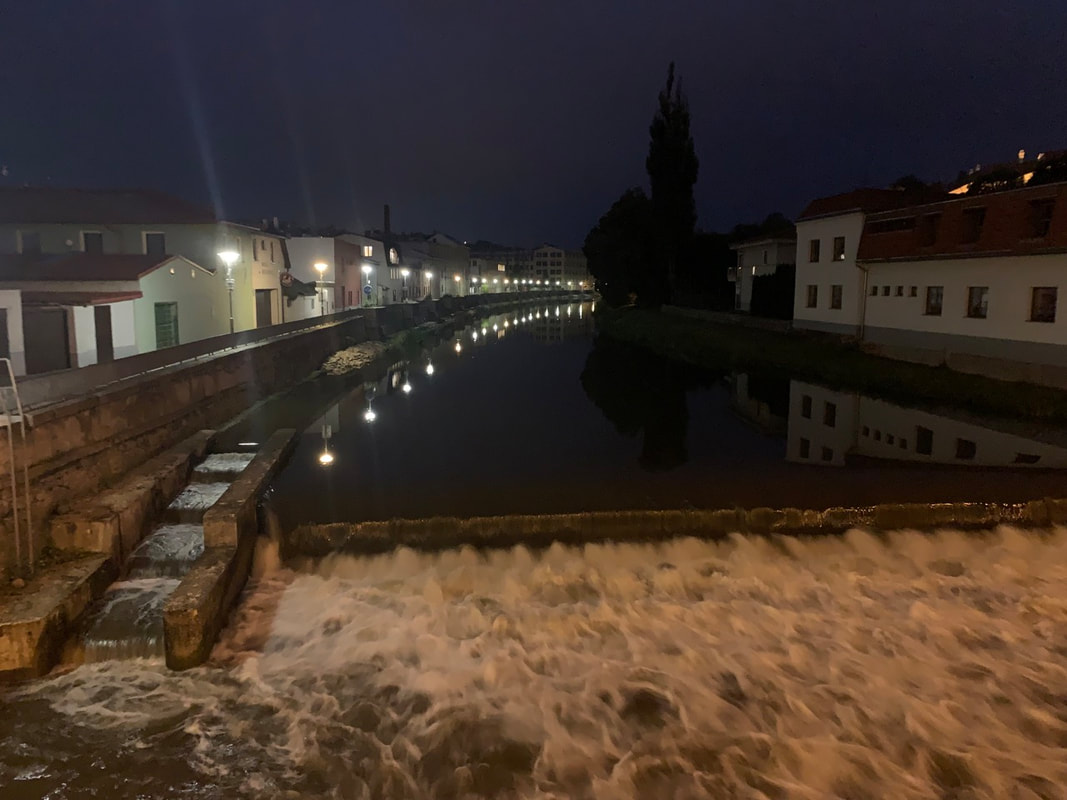
Heading back to the "ranch" (our lodging) - checking the weather, mulling over the possibility of hitting the river.  Tim is thinking those weirs (the water slides bypassing the spillways) look awfully dicey.
Picture
The sky is showing blue now - the weirs stand there menacing as ever (that slot to the right of the spillway).
Picture
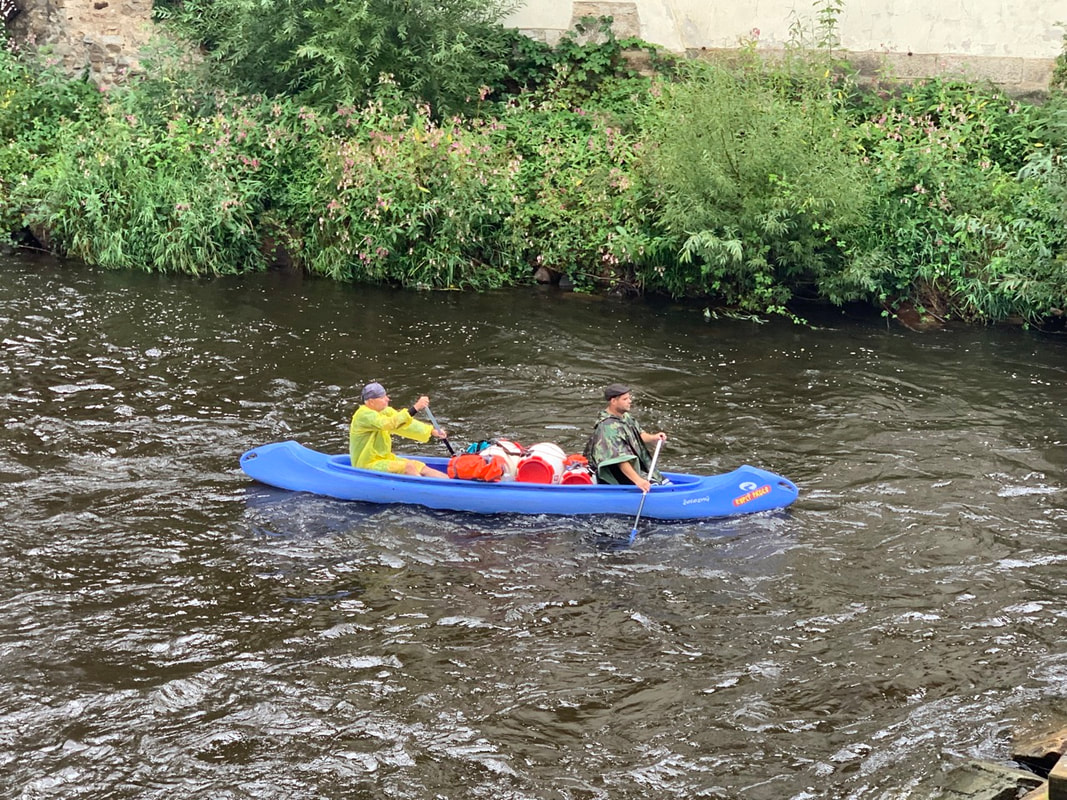
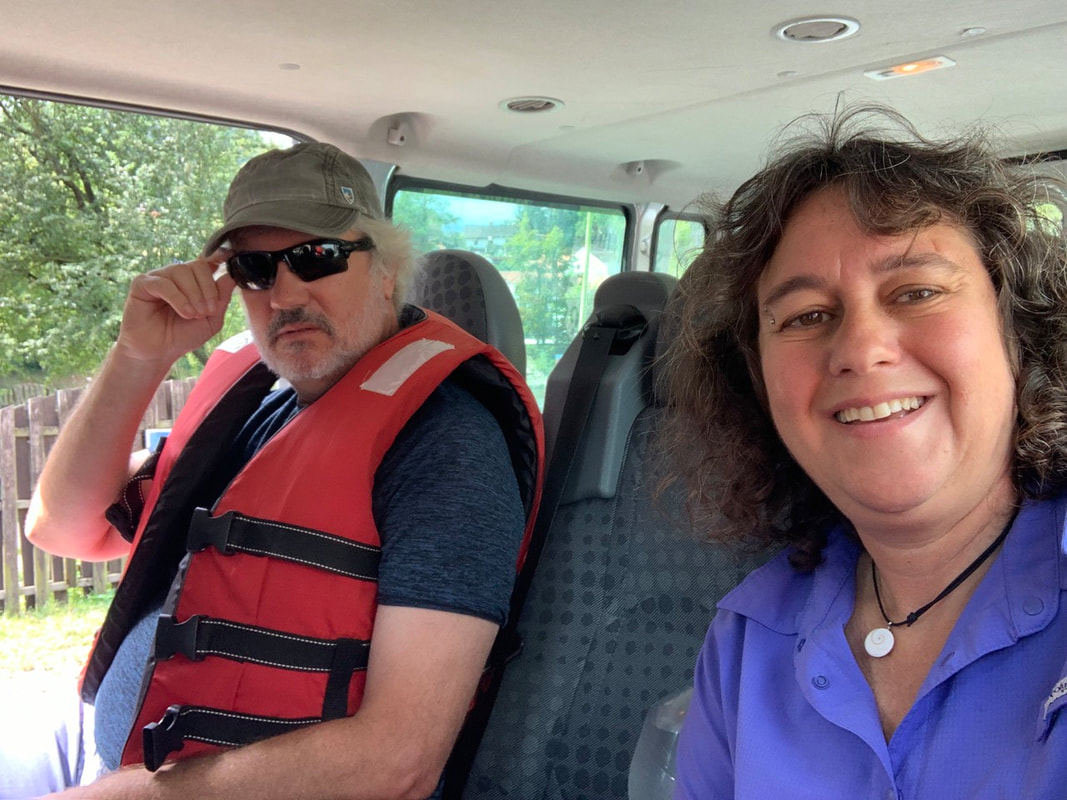
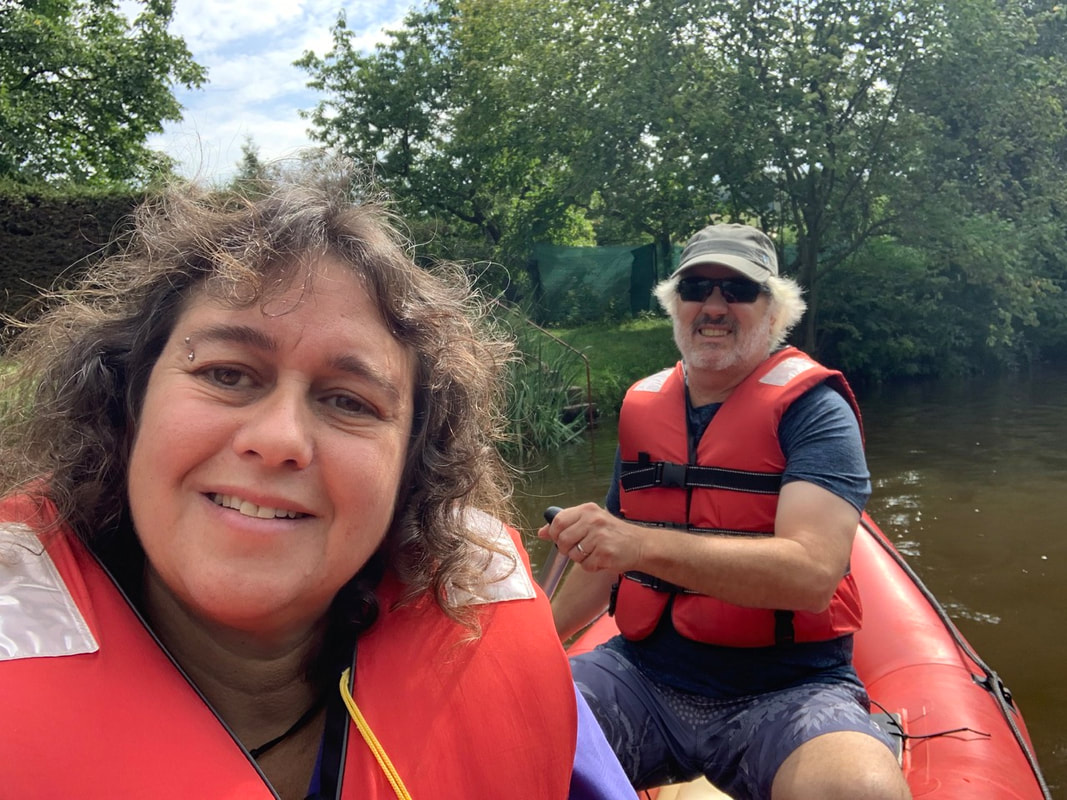
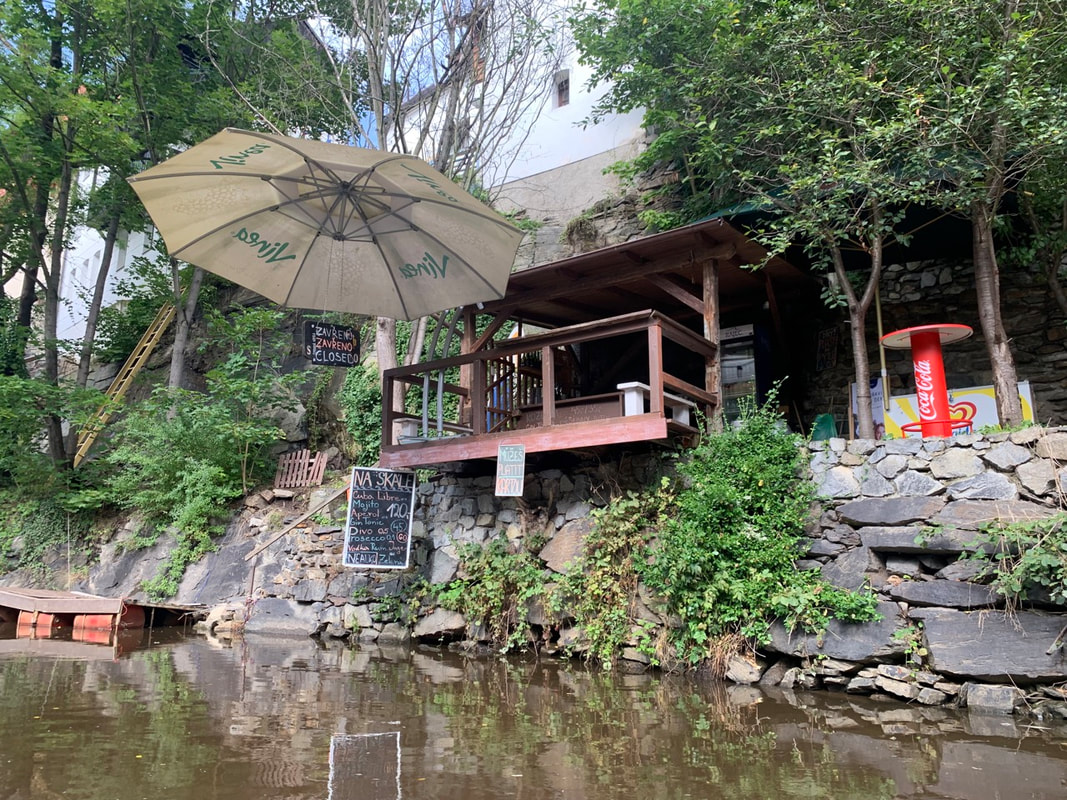
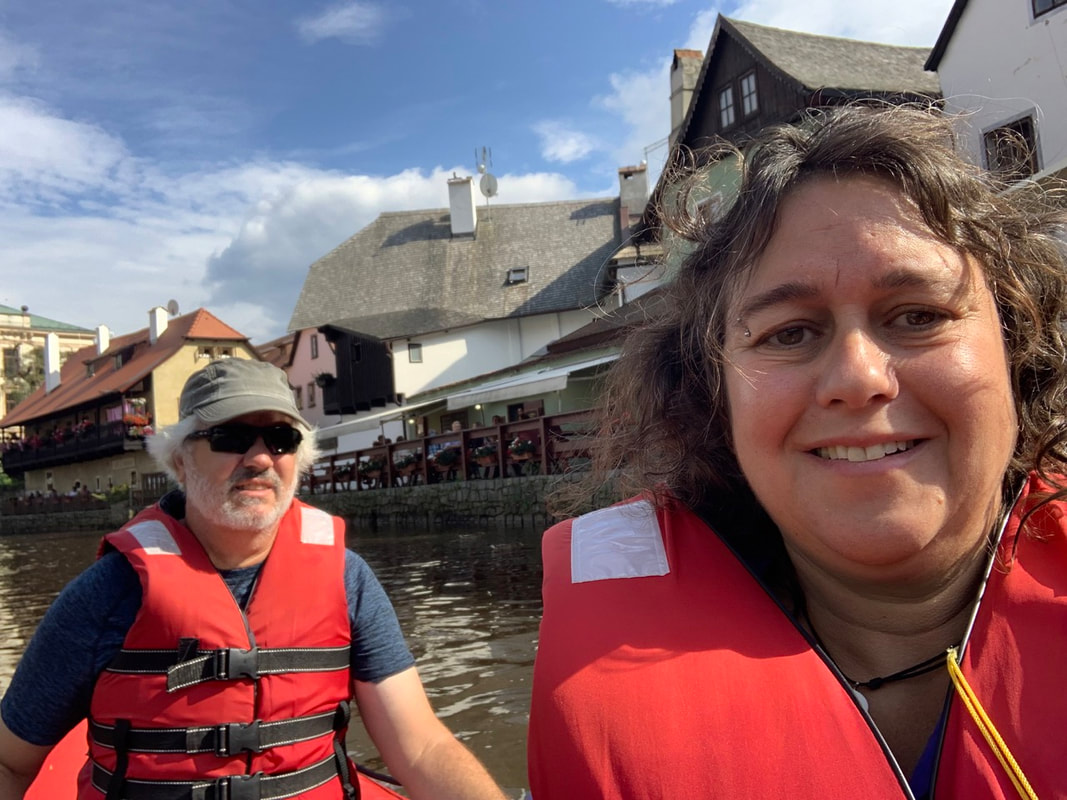
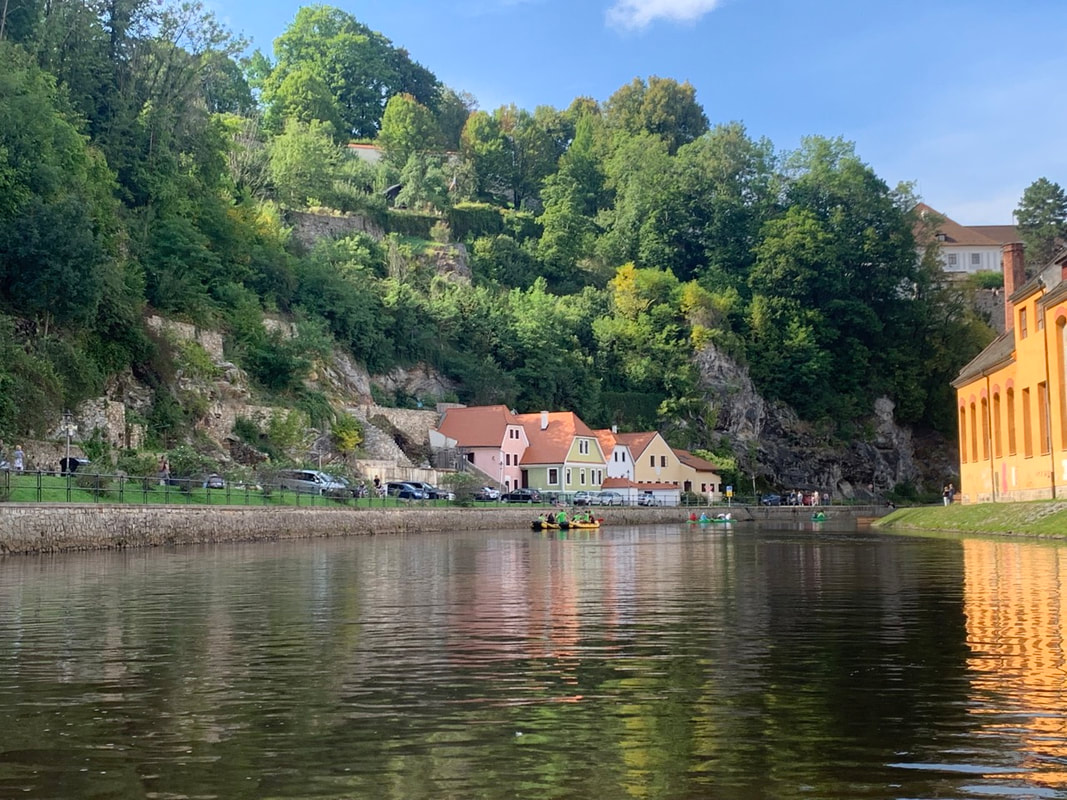
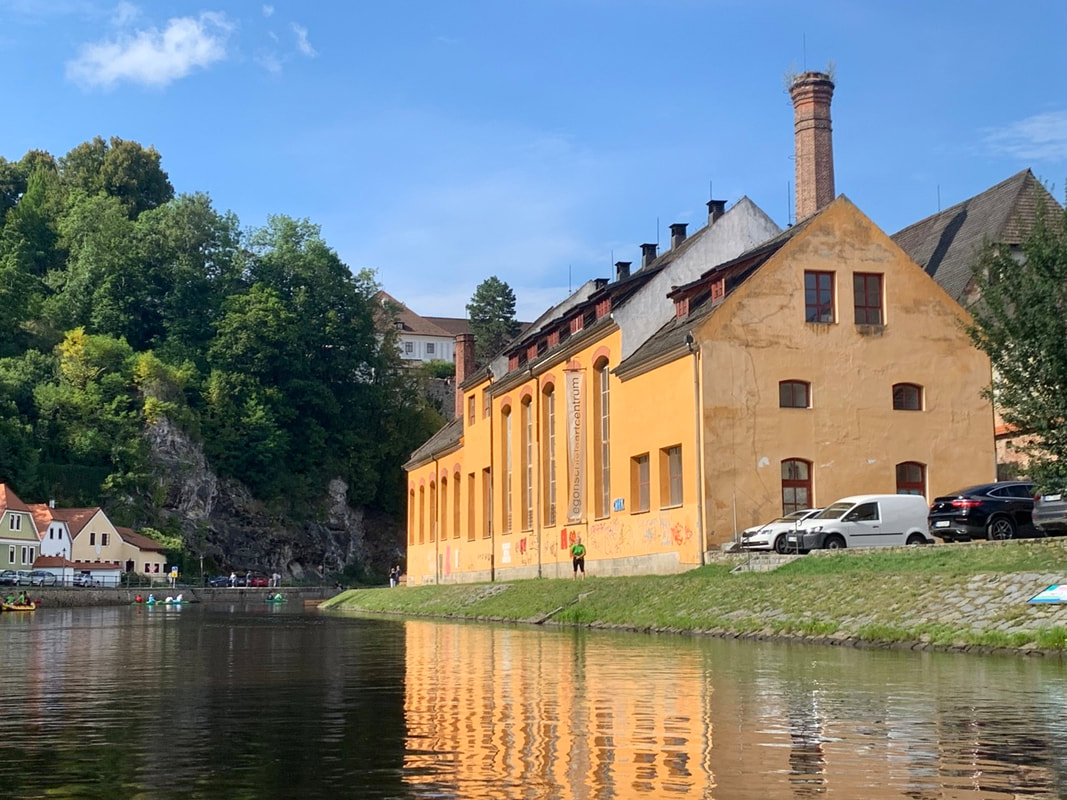
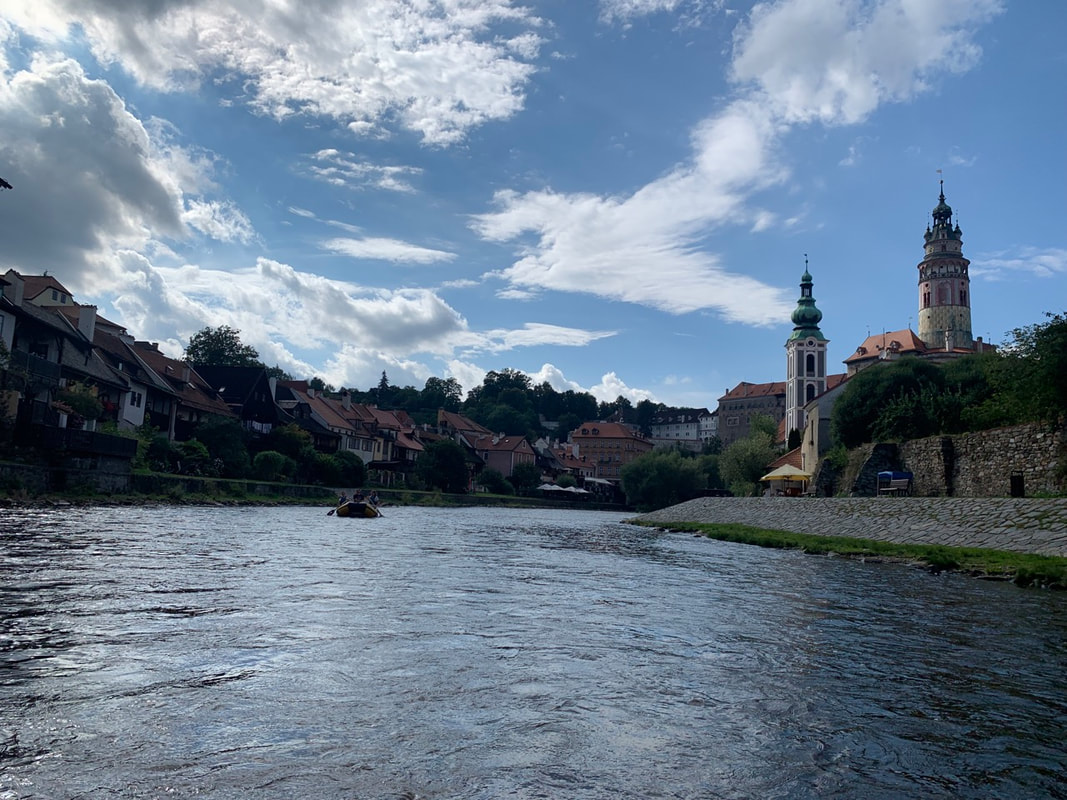
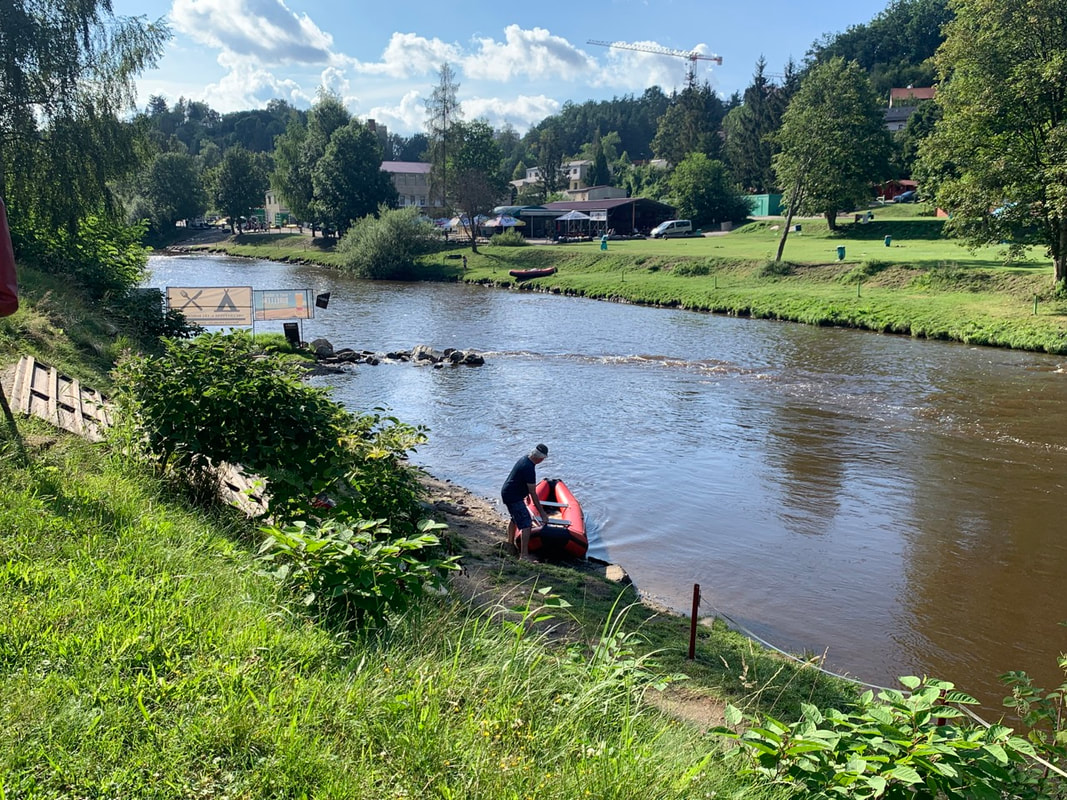
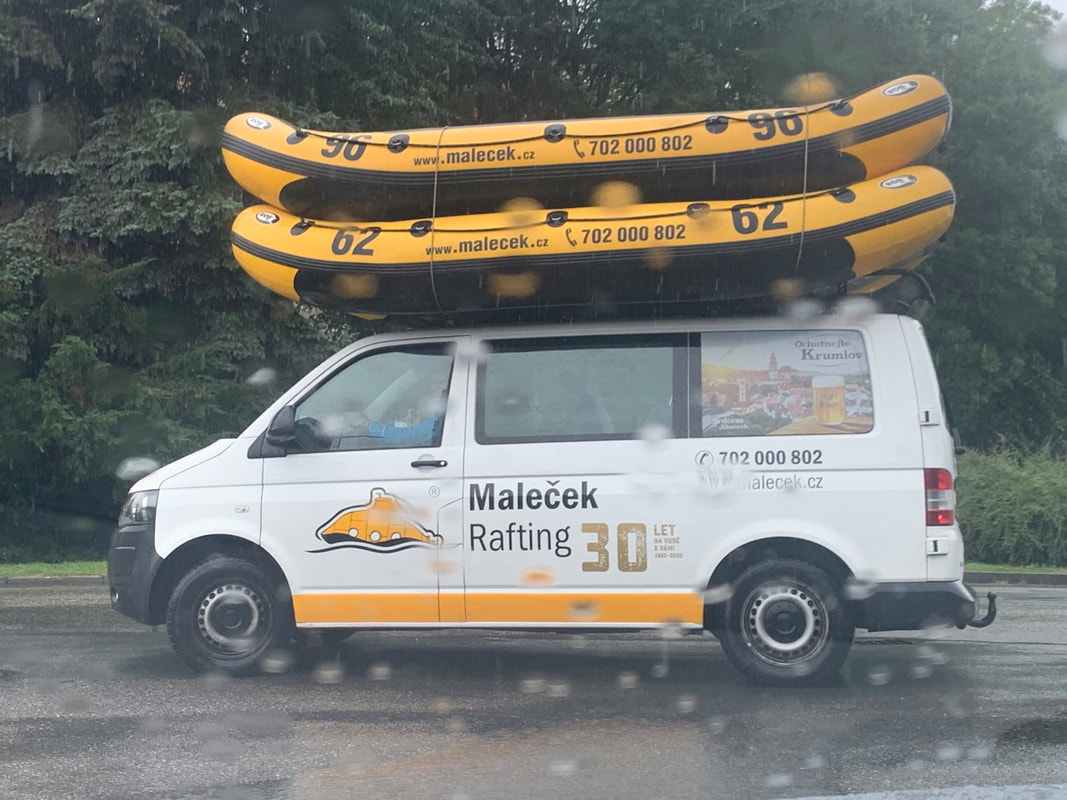
We're gonna do it - 7 kilometers, and 5 weirs, on an inflatable canoe.
Picture
Picture
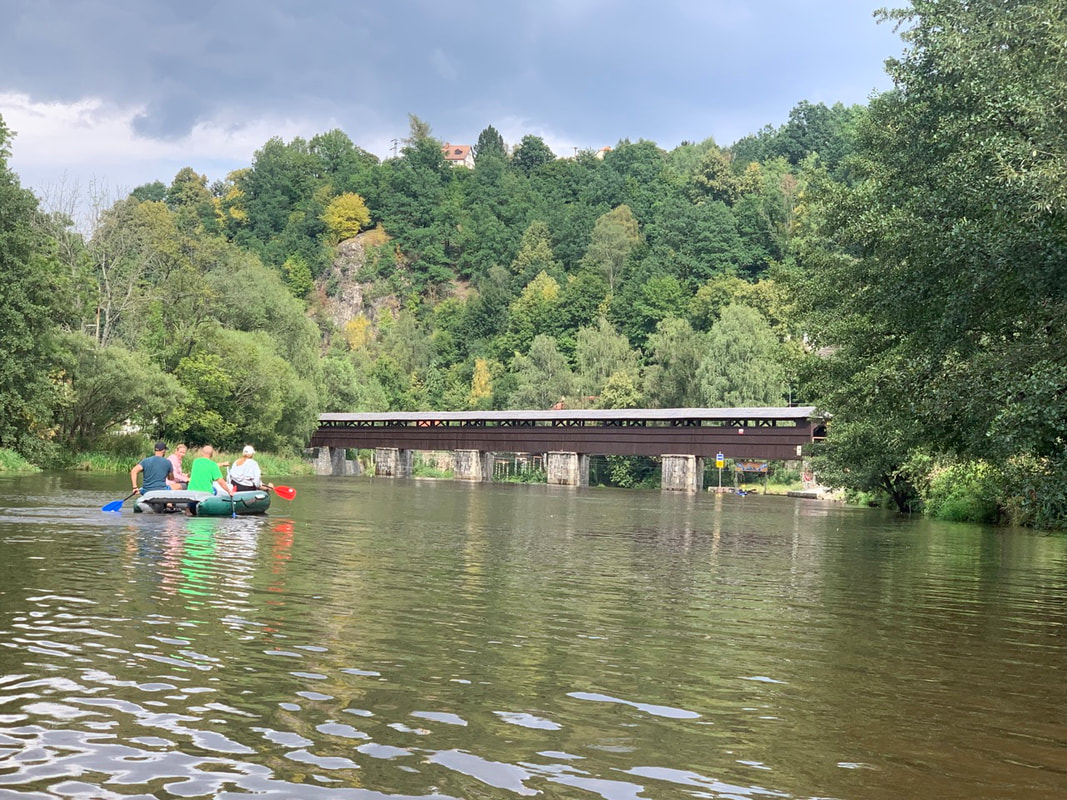
The first weir is at this covered bridge.  The people running the rental store said, the 3rd weir is a bit risky for a narrow inflatable, they suggested walking around if we're not sure about it.  It had a strong pitch down at the end into a standing wave - with a chance of flipping the boat - oh boy.
Picture
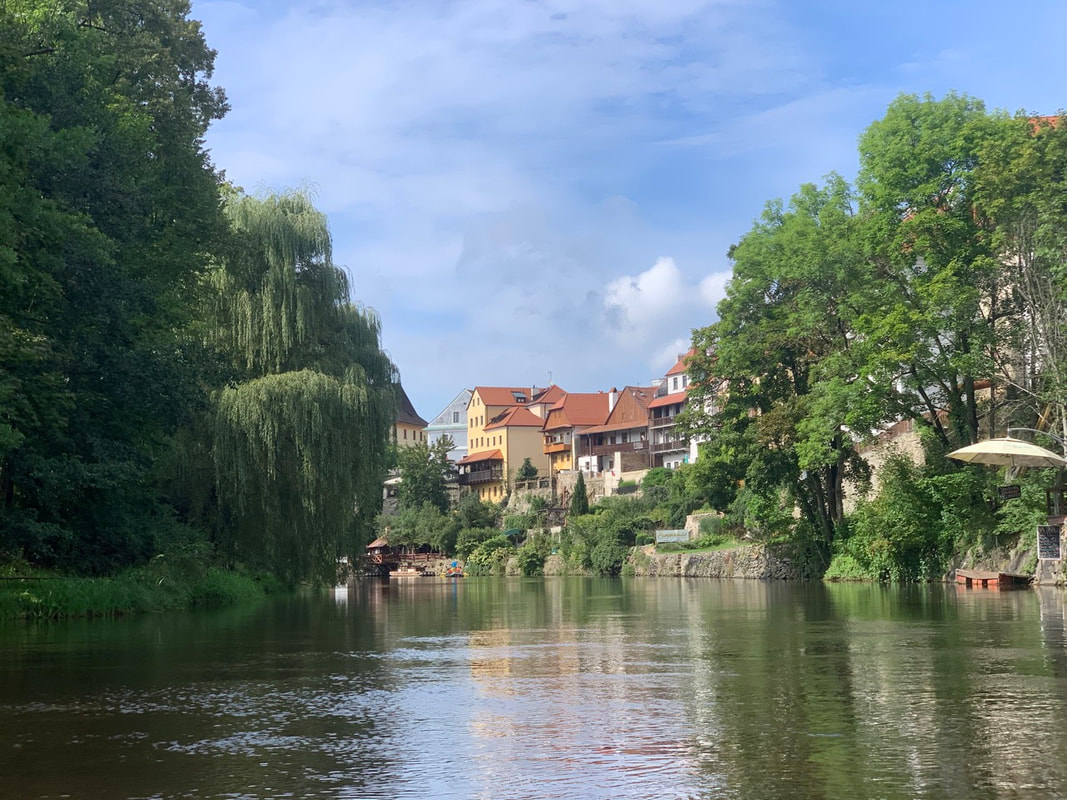
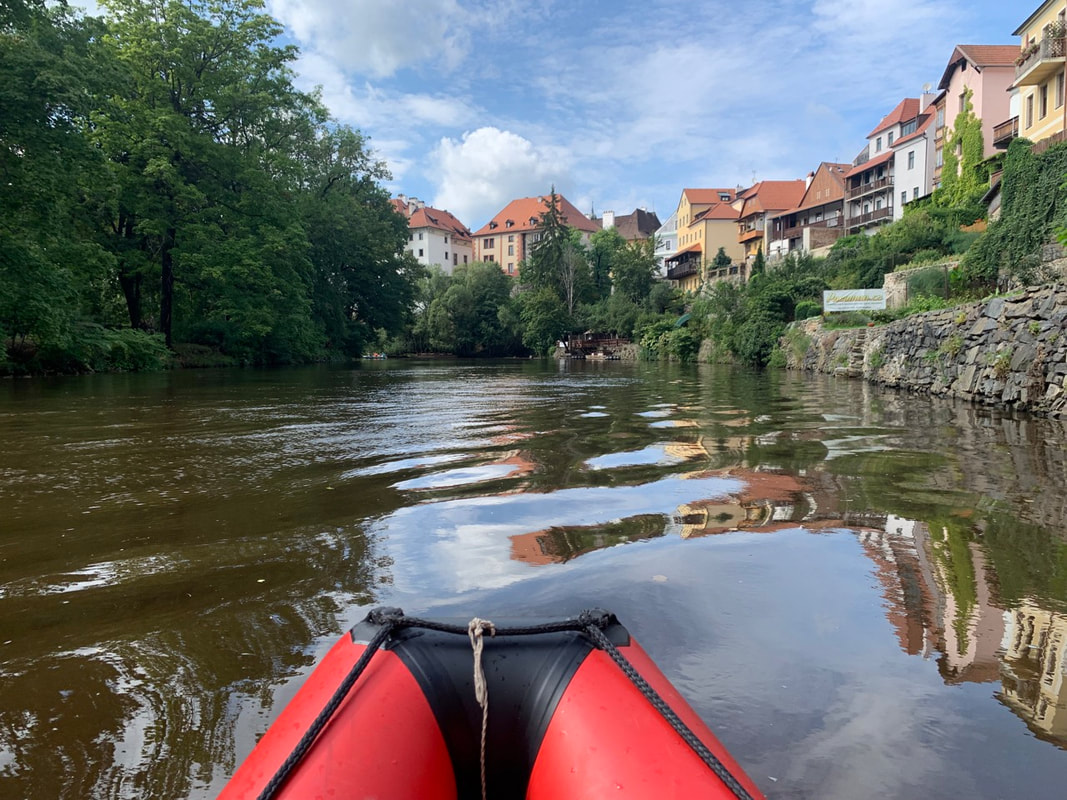
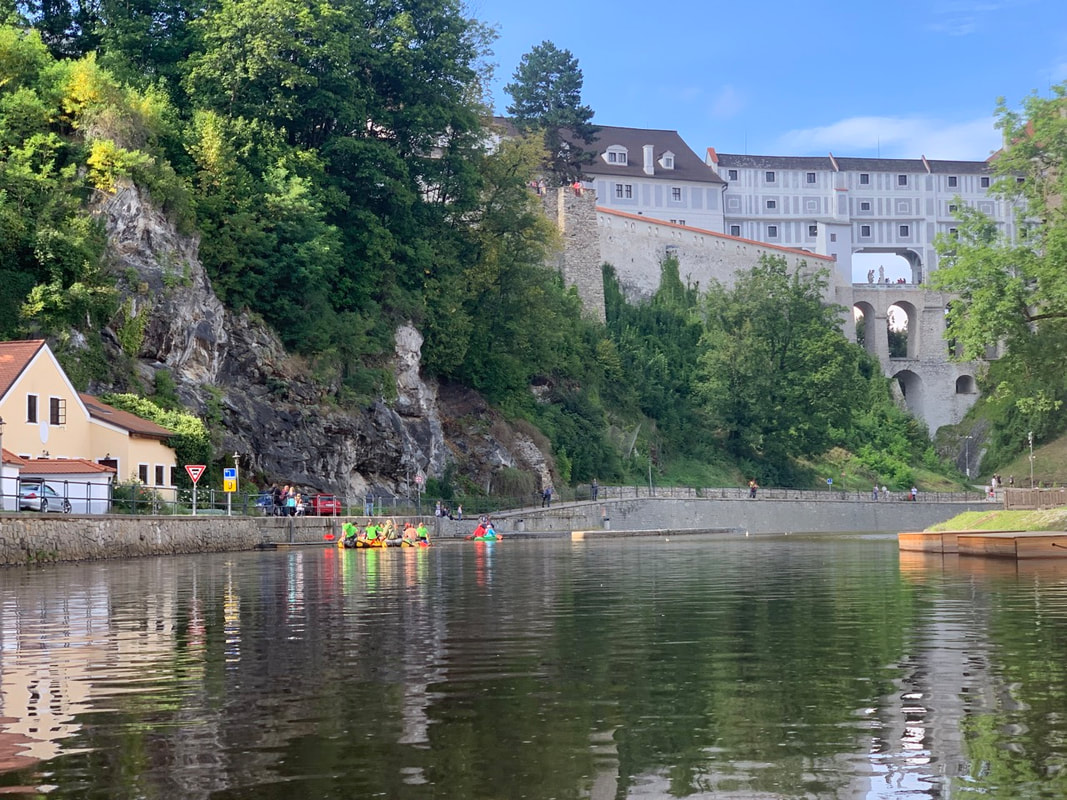
It is a different, spectacular way to see such an old city.
Picture
Picture
Picture
Picture
Picture
Success, we shot the rapids at the 3rd weir, without flopping it.
Picture
Picture
Historický pivovar Český Krumlov - the historic brewery Czech Krumlov.
Picture
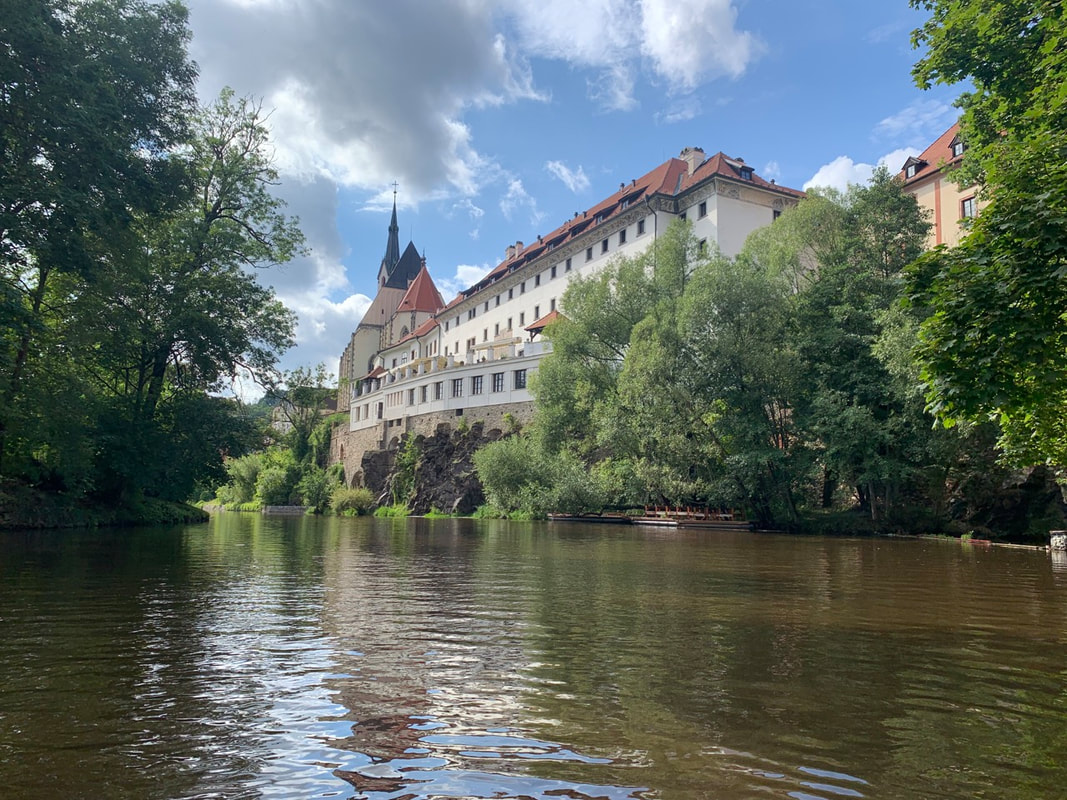
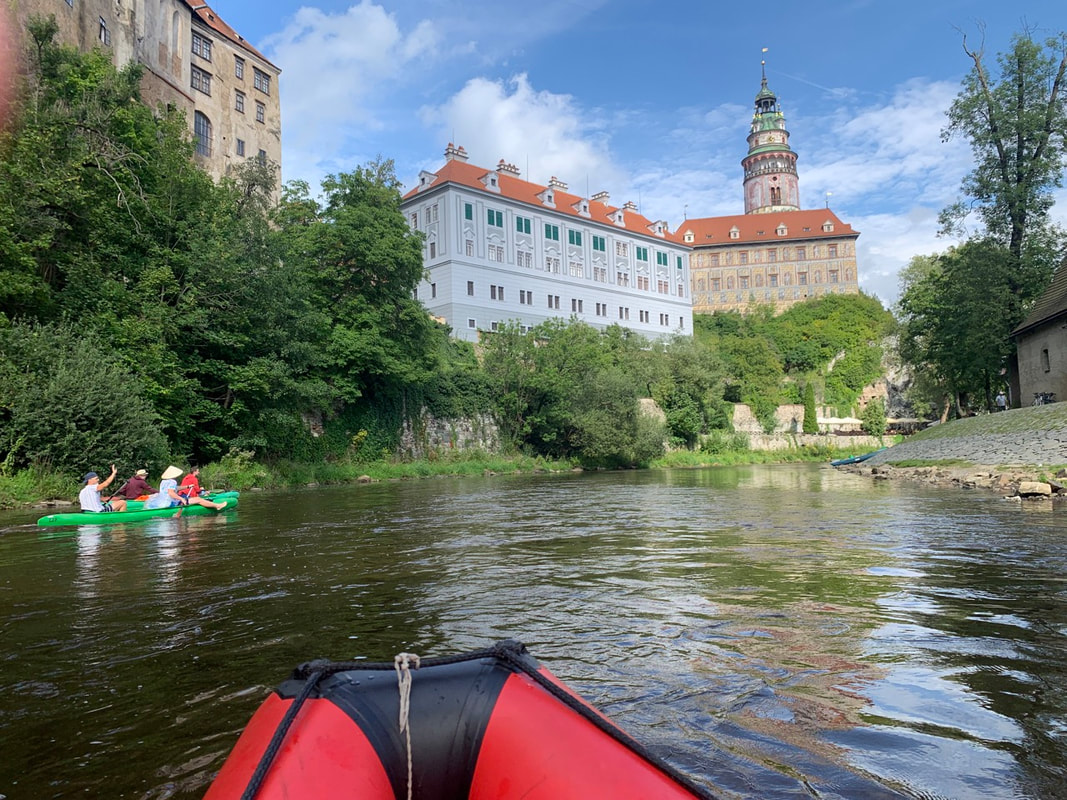
At the last weir, with a great view of the castle above.
Picture
It's warming a bit nicely, look at all those blue skies.
Picture
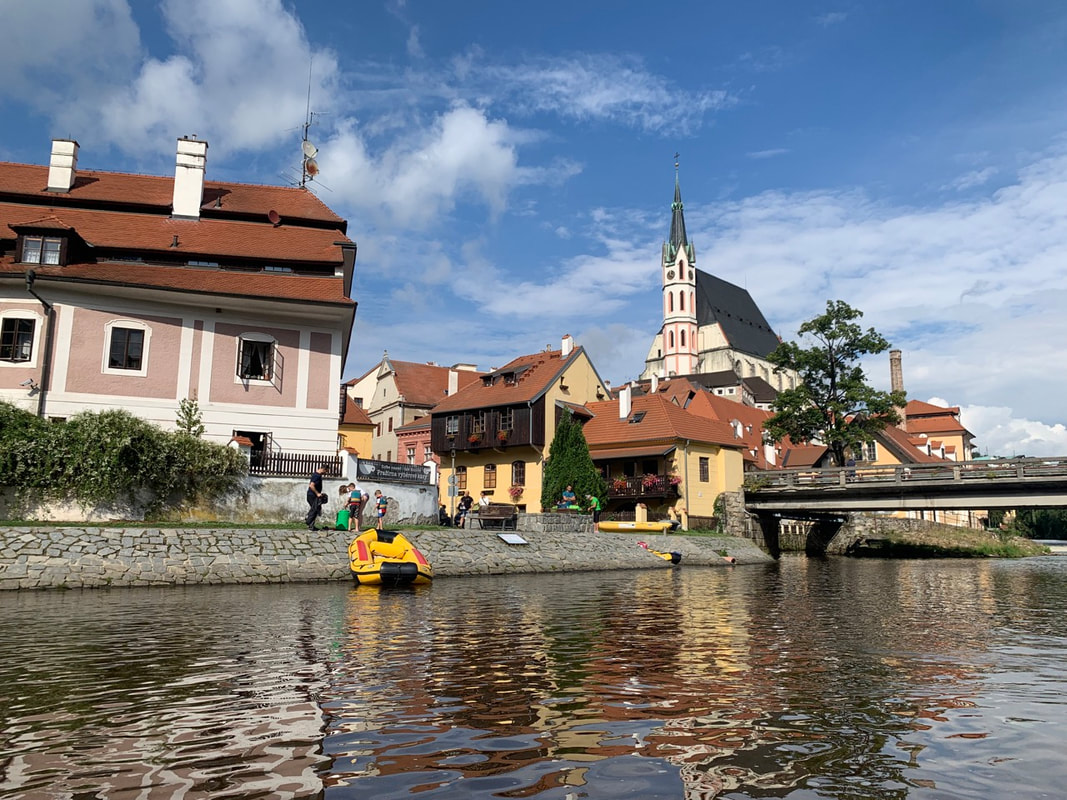
It's all water, sky, red roofed houses and towers.
Picture
The river was flowing nicely with the rain since yesterday, we mostly just drifted along, passing the 7 kilometers in just under 2 1/2 hours.  Here we finish and call for our pick-up.
Picture
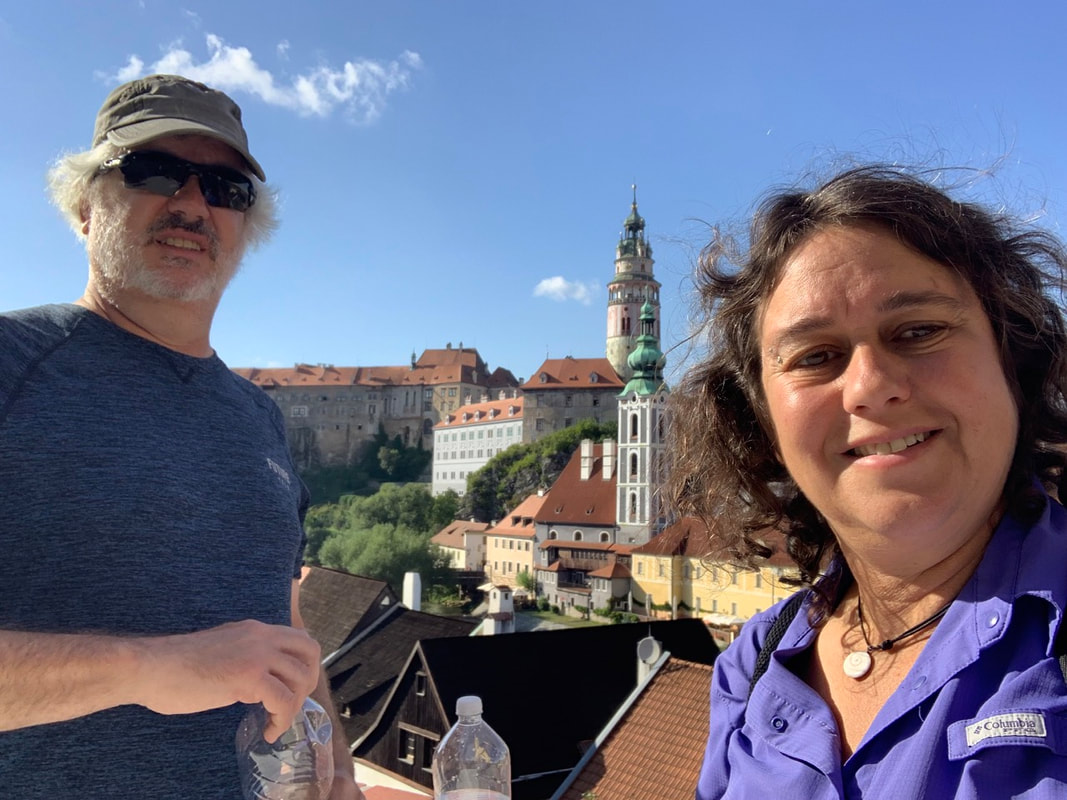
The driver picked up us and the boat, and dropped us as close as he could to the city square.  We take a few photos of previous sights, this time with blue skies.
Picture
Picture
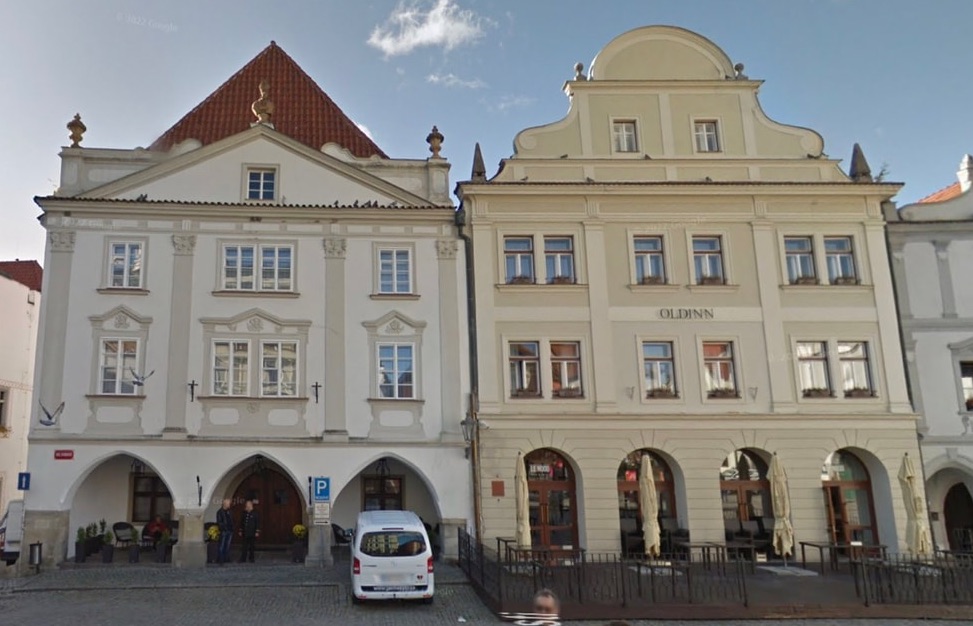
Back at the "ranch" again, in front of our hotel "The Oldinn".
Picture
An hour later, and the skies are filling in again, getting ready for more rain.
Picture
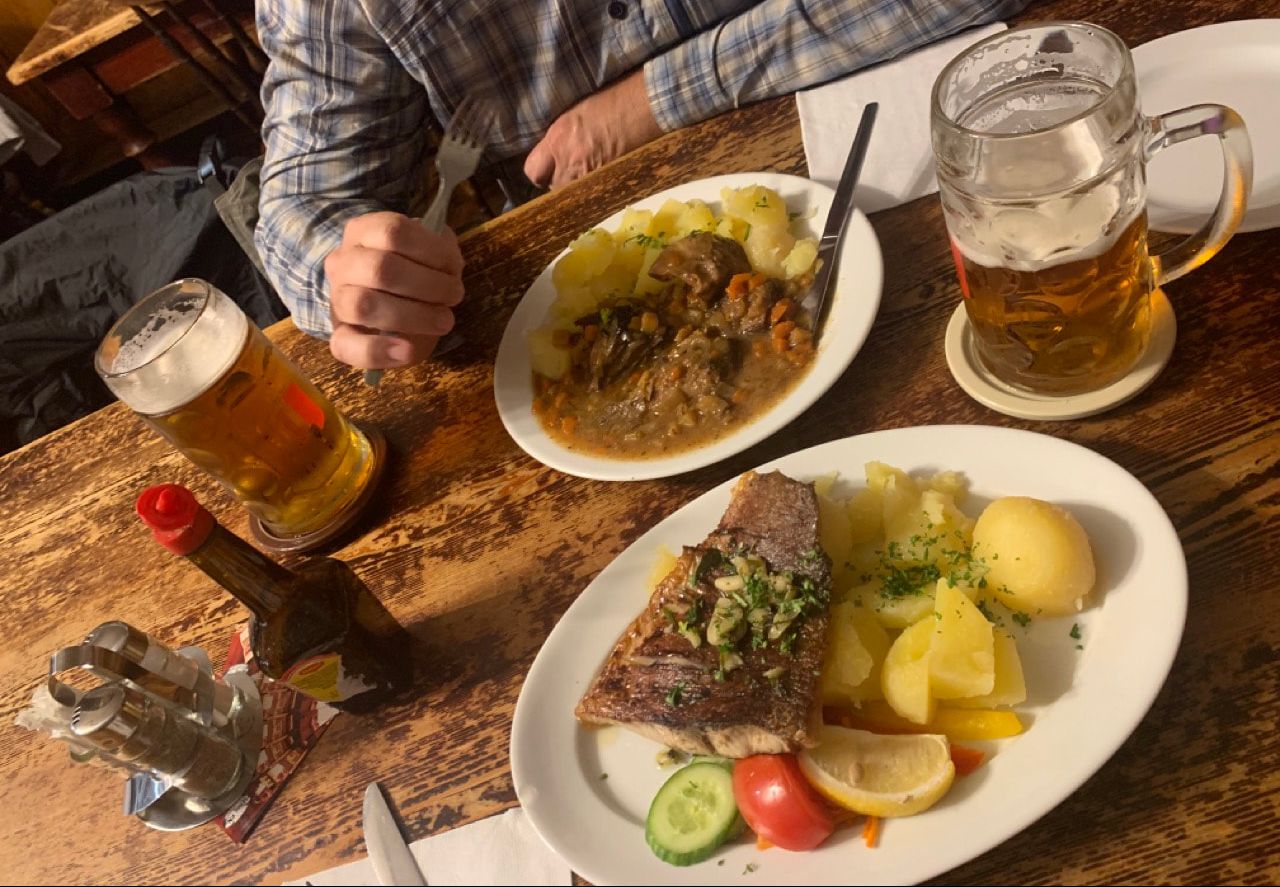
We dine on beef stew, and grilled carp (believe it or not), as the skies outside unload a pelting rain.
Picture
1 Comment

Český Krumlov Day 1:  Rainy Day Blues and Brews

8/20/2022

0 Comments

 
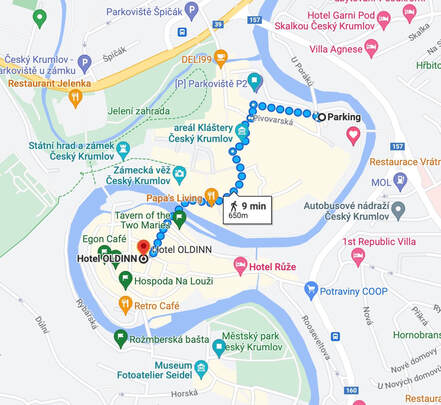
Arriving in Český Krumlov, we find it's a real rain-out situation - so no touring or adventuring - we decide to take a lazy, just hanging-out, sort of day.  In fact, we had to wait a bit in the car for the heavy rain to let up a bit so we wouldn't get soaked on the short hike up to the square where our hotel awaits.
Picture
Picture
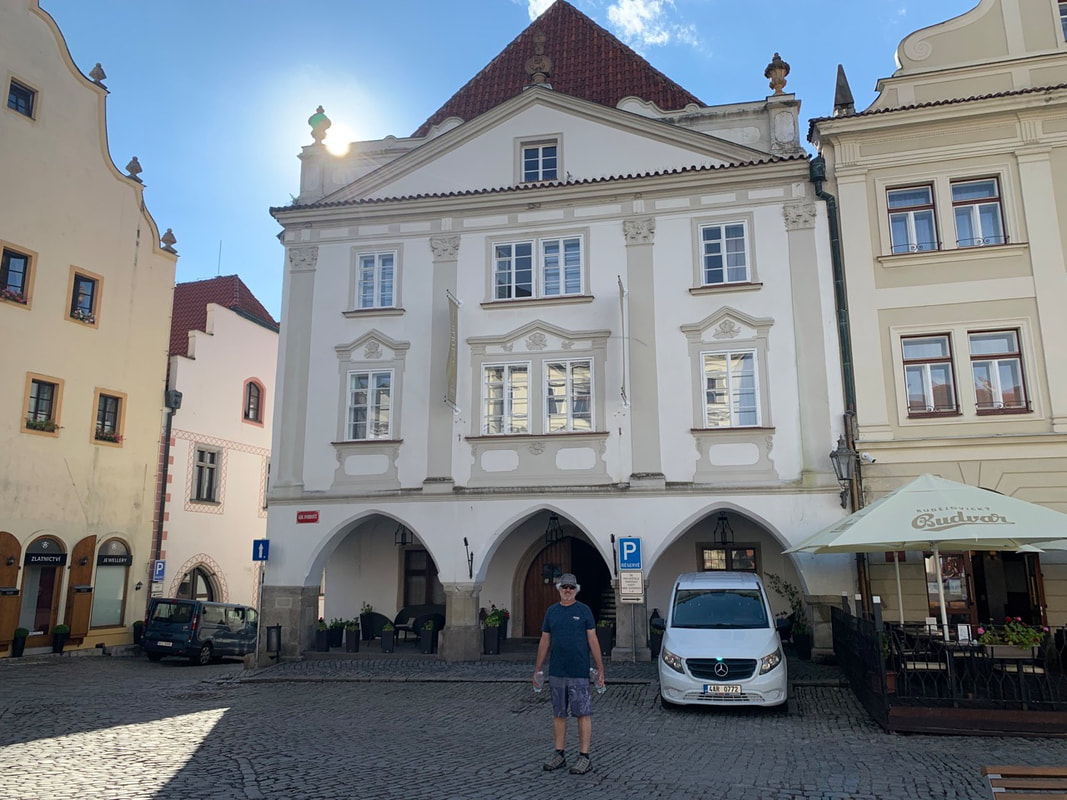
Our hotel on the square - photo pulled from Google Maps - the weather is not sunny today.
Picture
Some people are still taking to the river however - Gerri wants to do it so bad, but it's dismal and chilly.
Picture
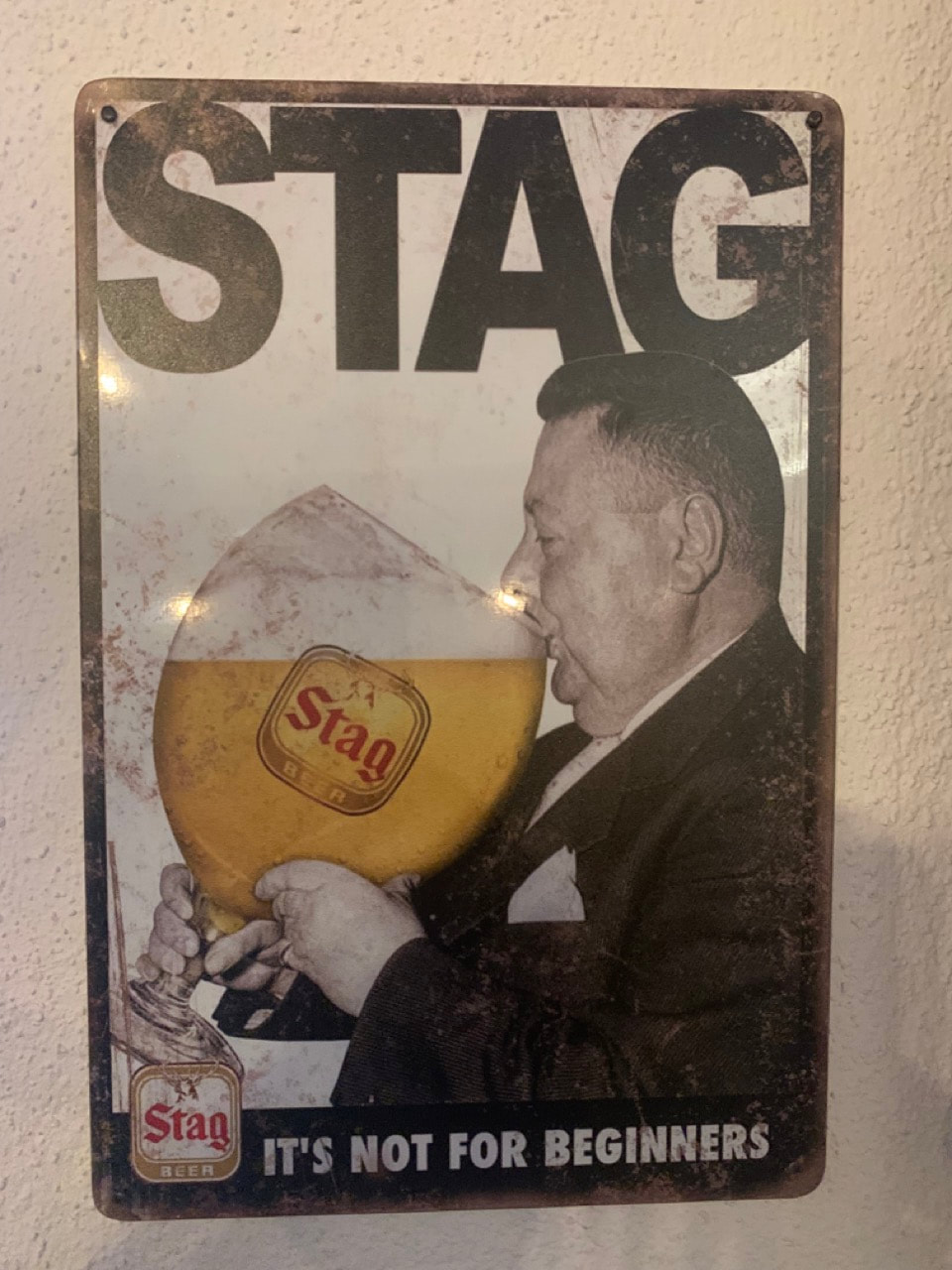
After finding some "authentic" Czechian Chinese cuisine, we find ourselves at a local pub that carries some fine craft beers.
Picture
Picture
Picture
Gerri sneaks a photo of locals discussing the finest brews.
Picture
0 Comments

Prague Day 3:  Prague Castle, Lesser Town

8/19/2022

0 Comments

 
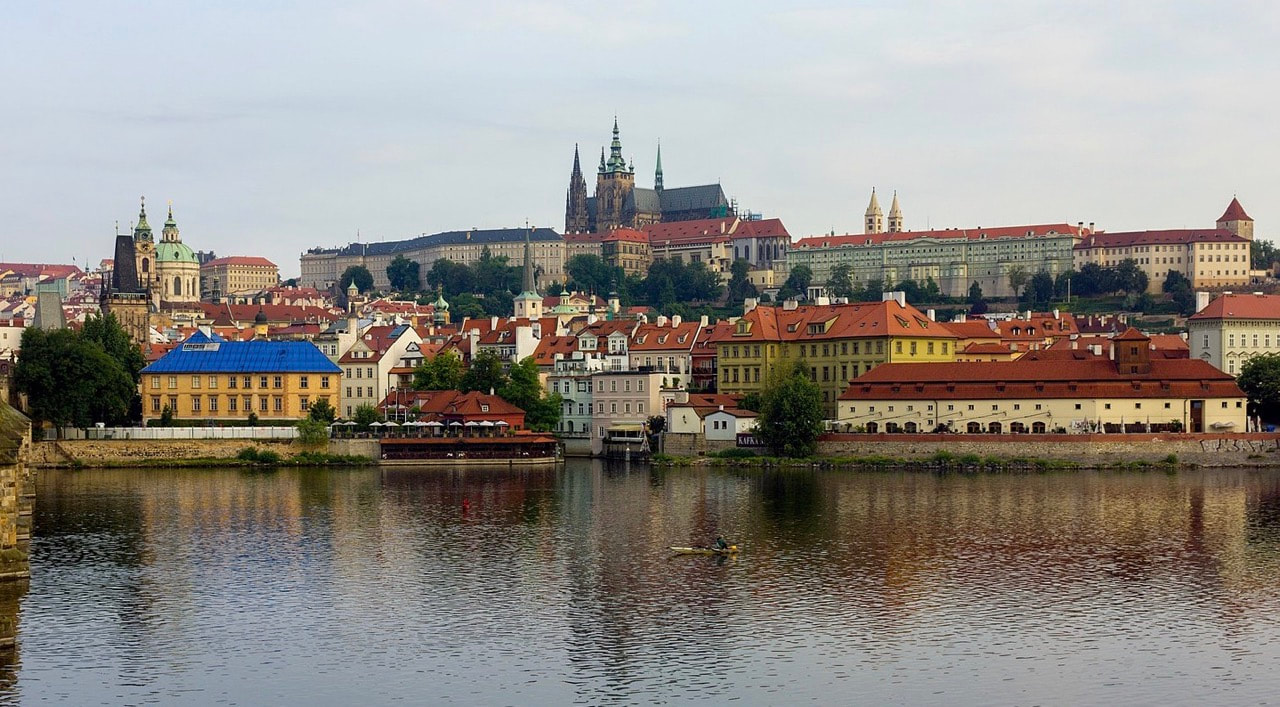
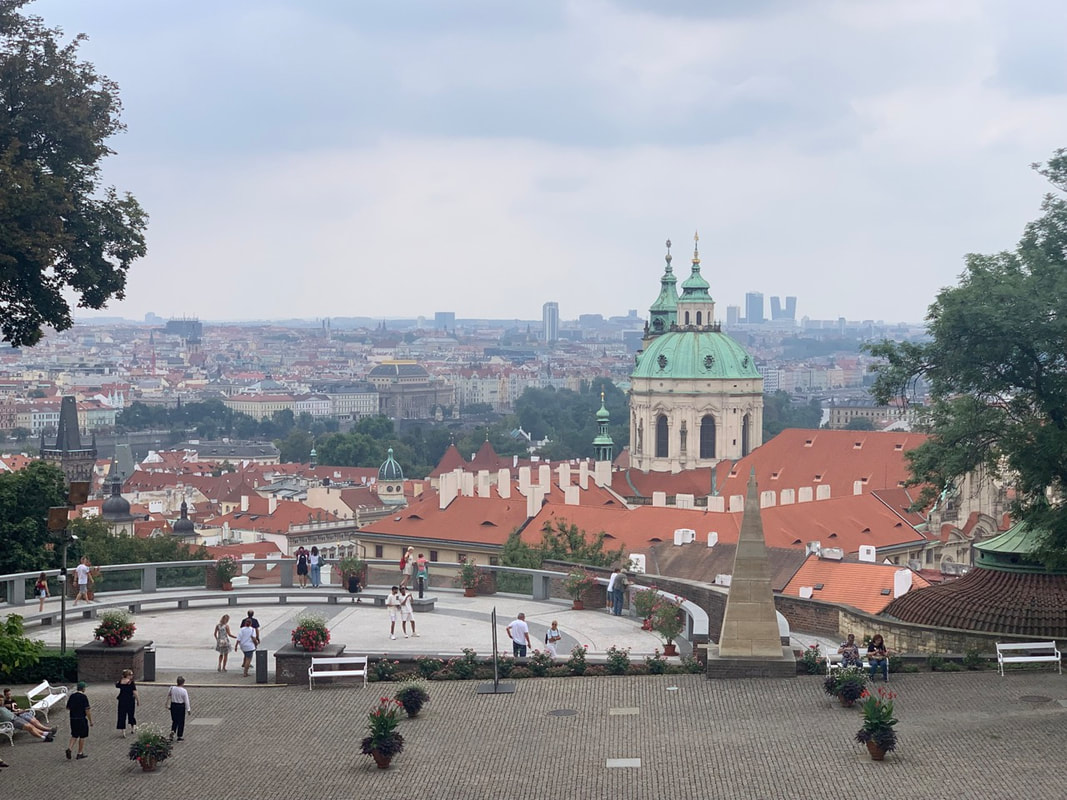
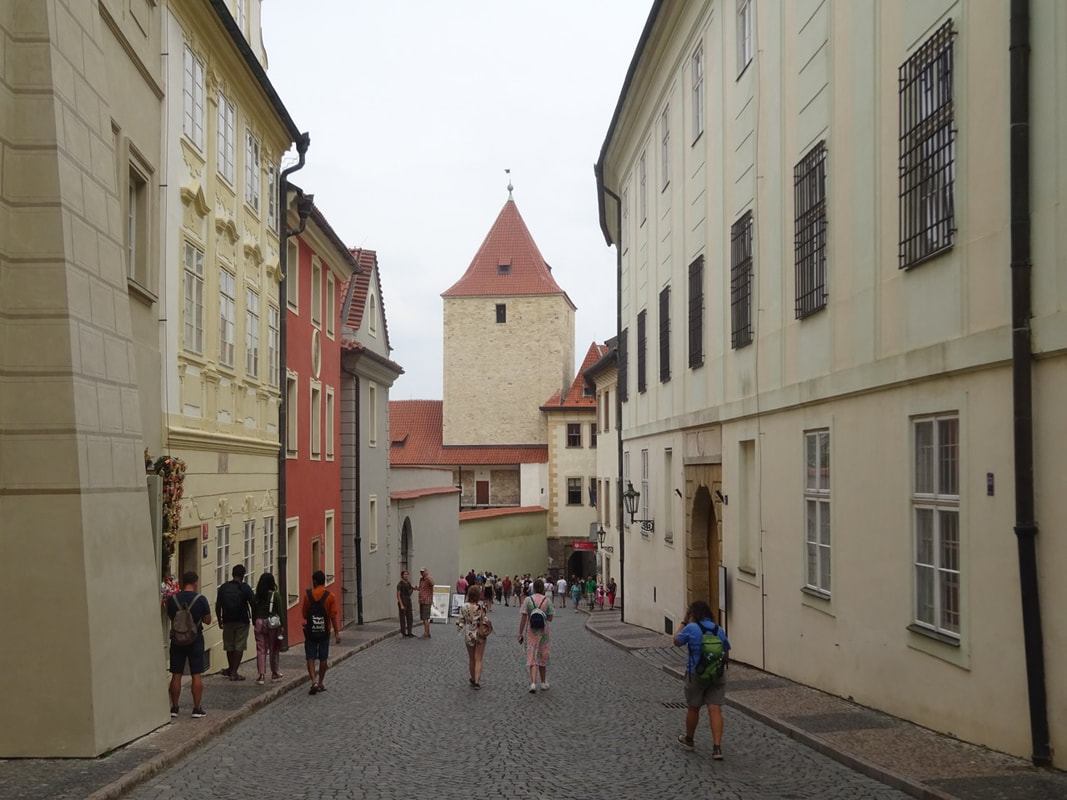
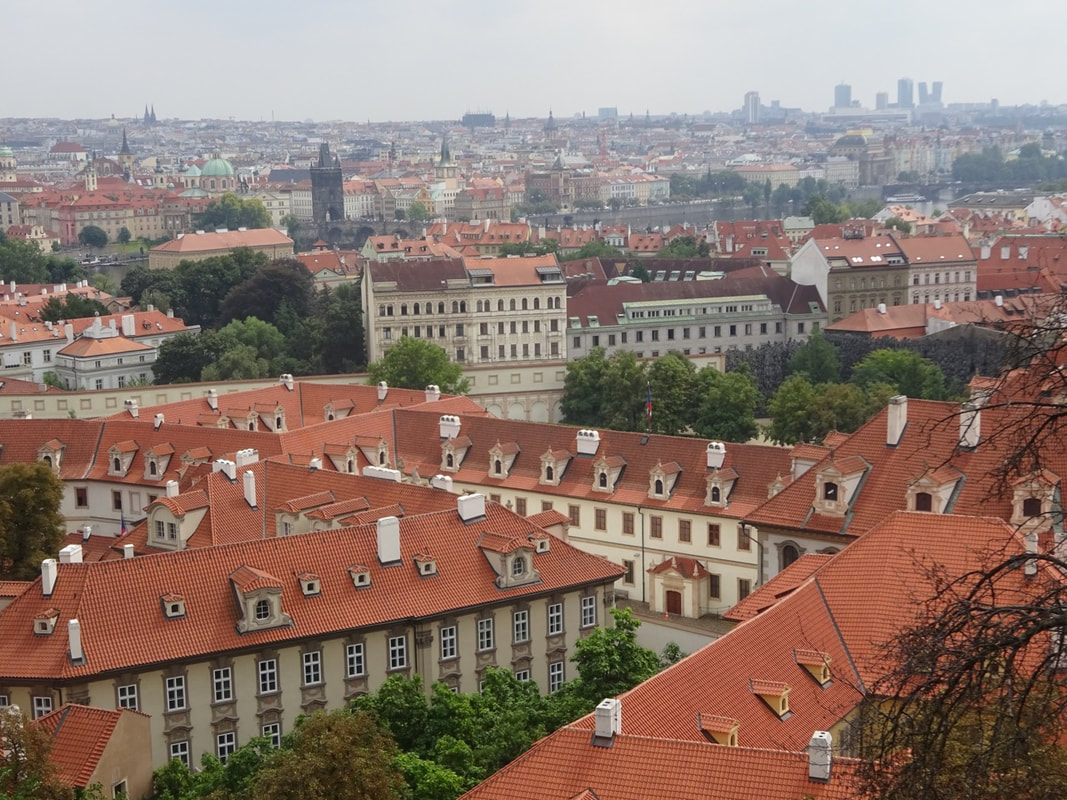
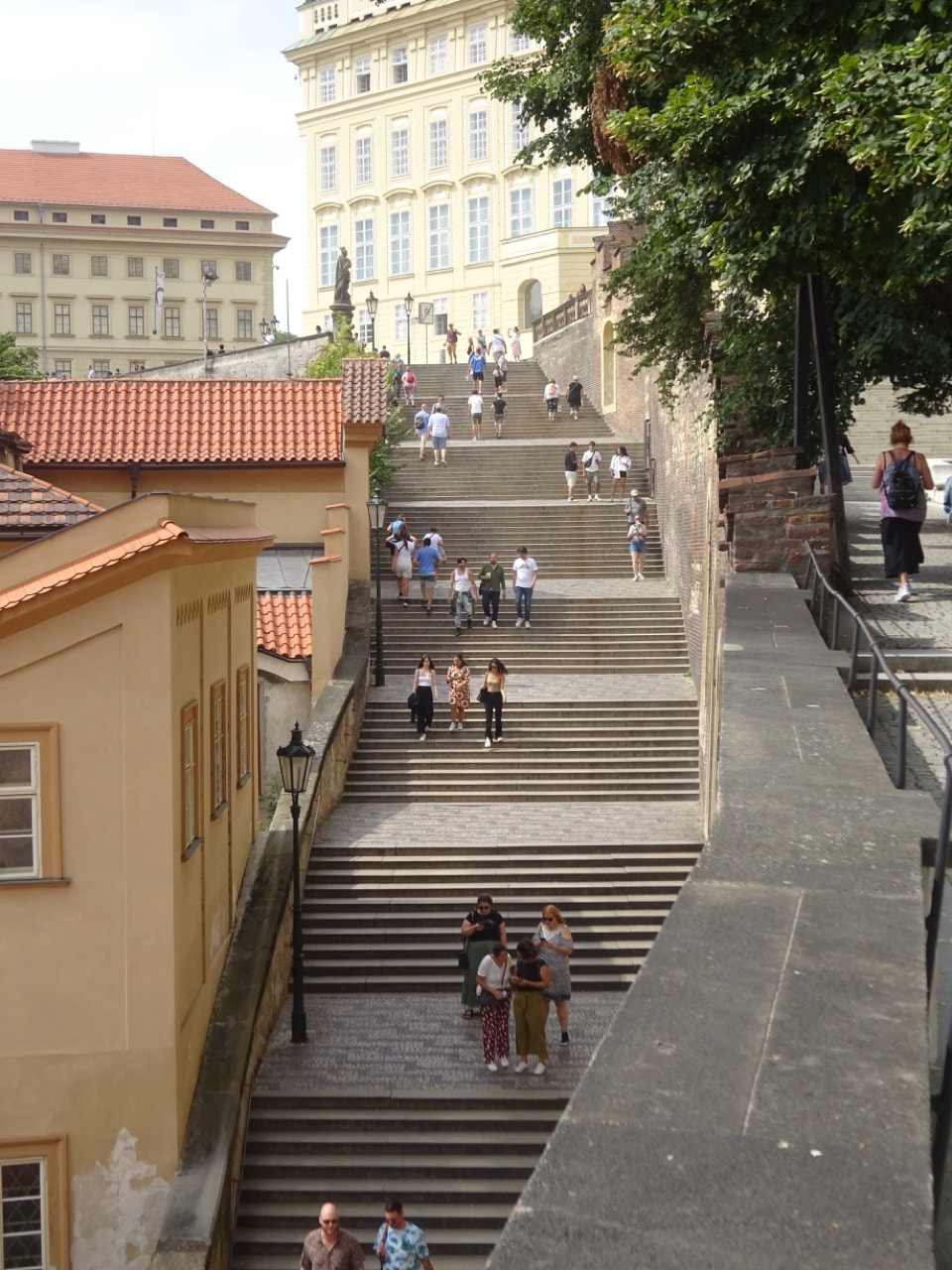
Today we go back across the River Vltava to see Prague Castle up close and personal.
Picture
Attribution: Use or reproduction of this image outside of Wikipedia must give the original photographer (Andrew Shiva)

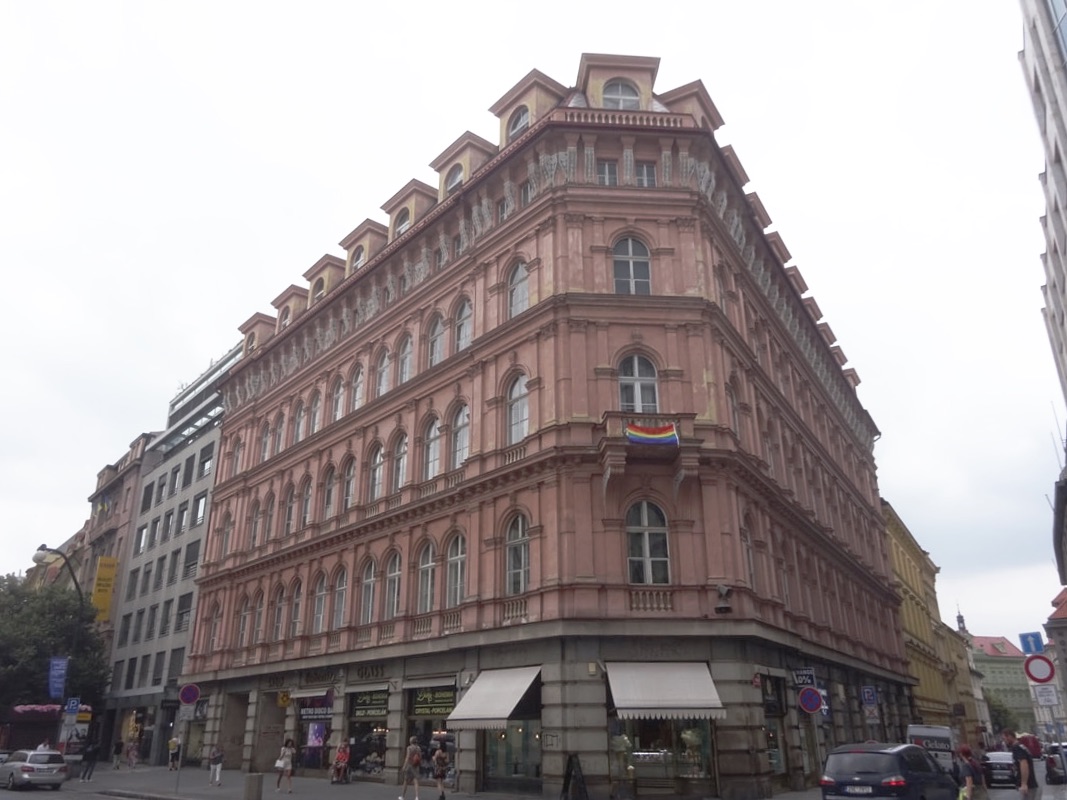
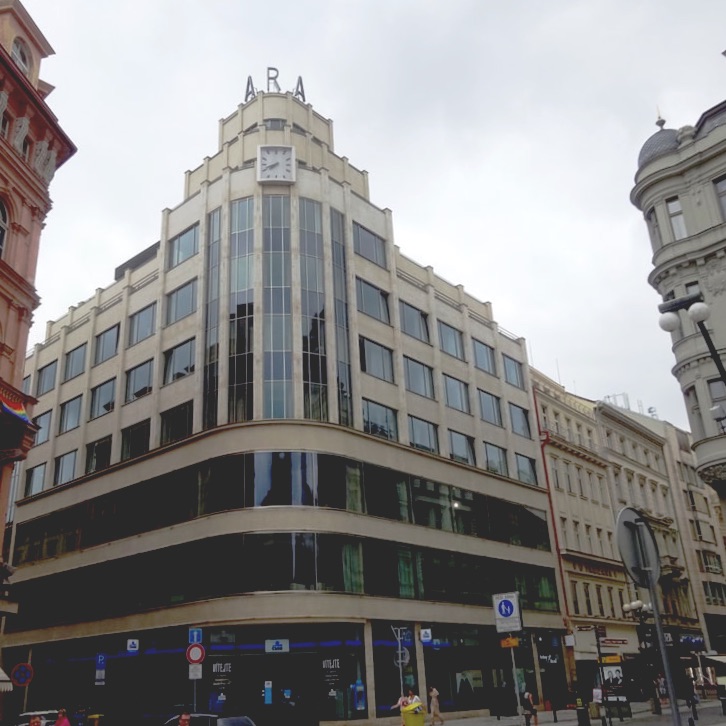
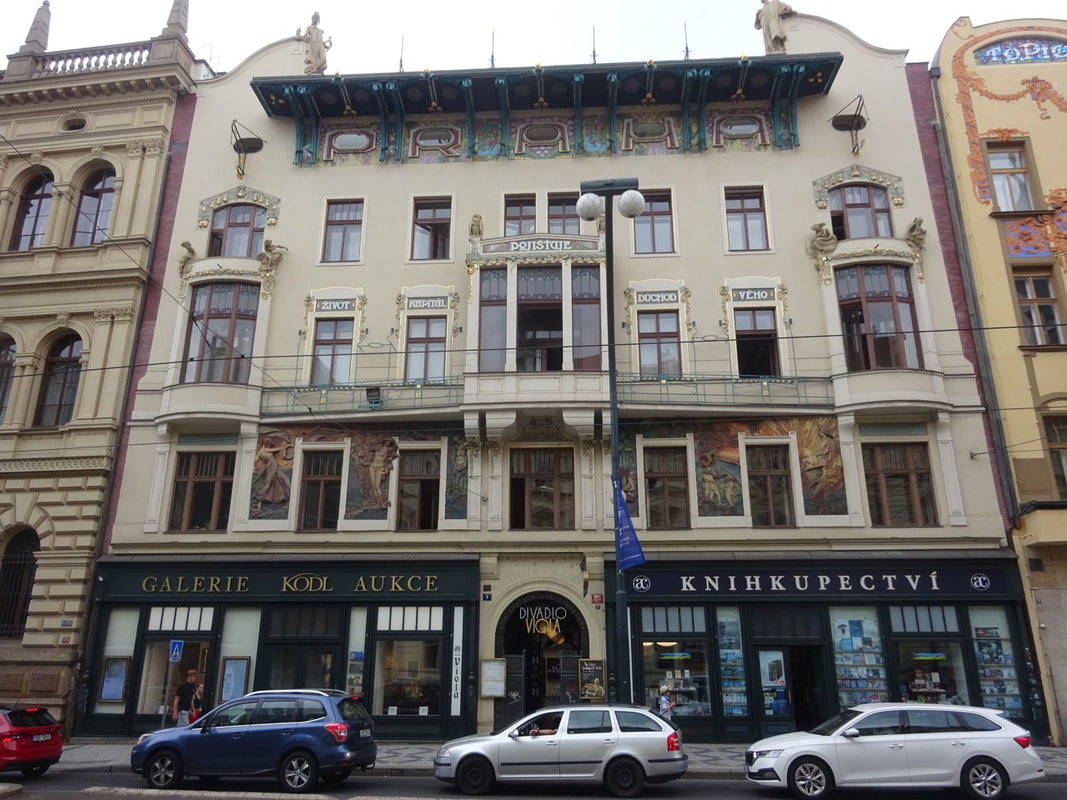
Sights seen along the way - architectural treasures abound (these are actually side-by-side).
Picture
Picture
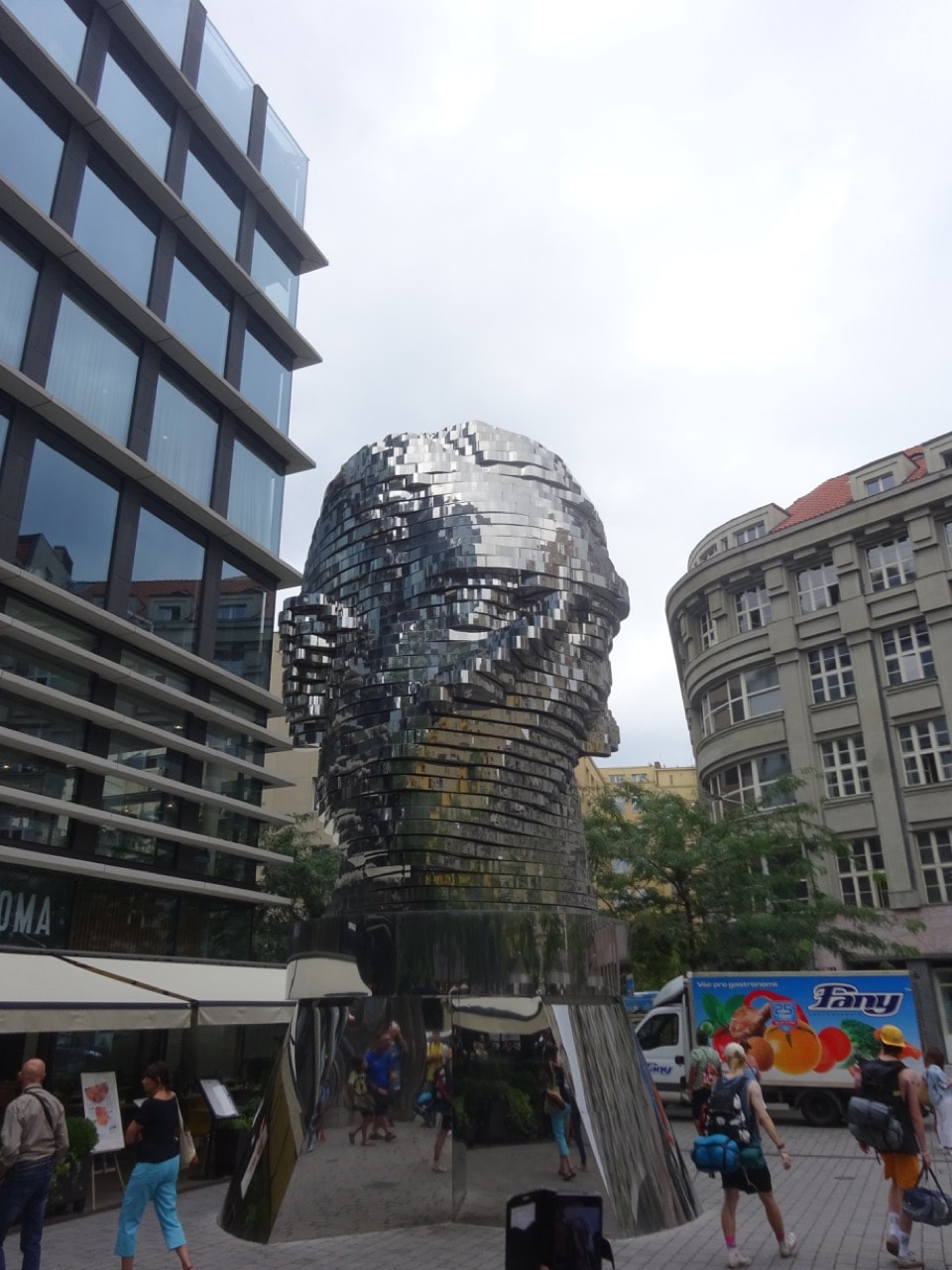
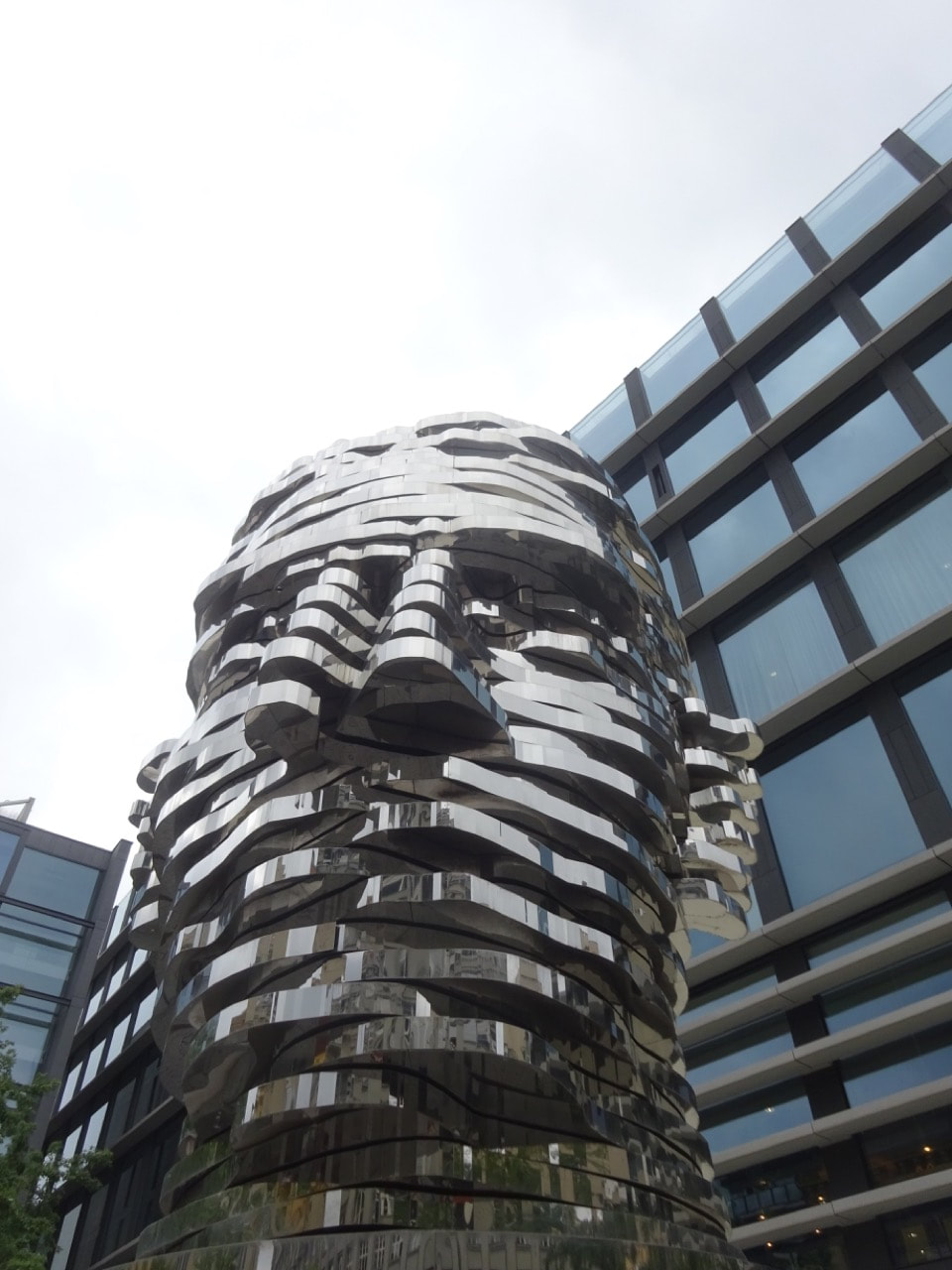
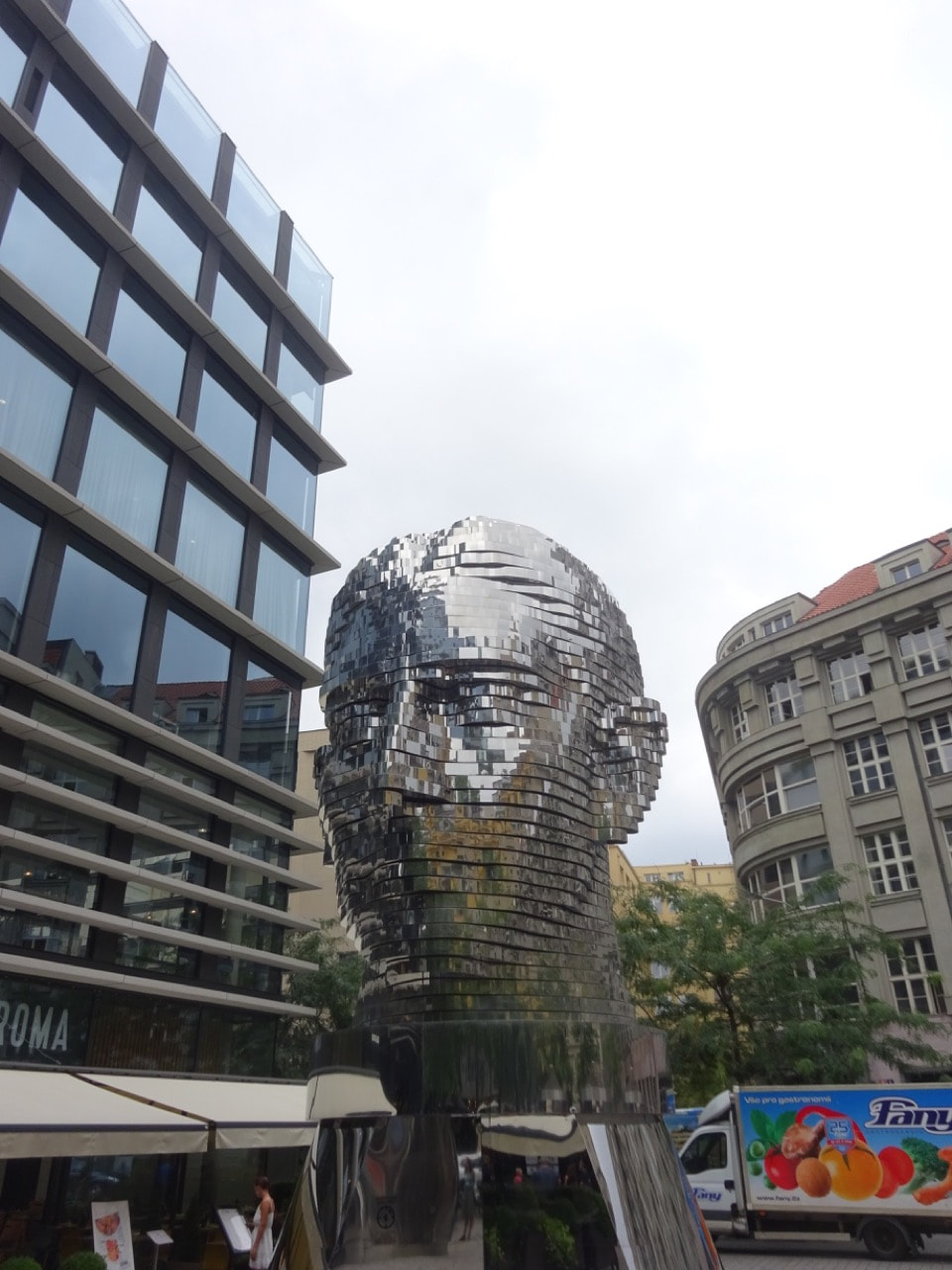
Here's a dynamic sculpture - it rotates as a whole, but then also the stacked elements rotate to morph the head into different looks.
Picture
Picture
Picture
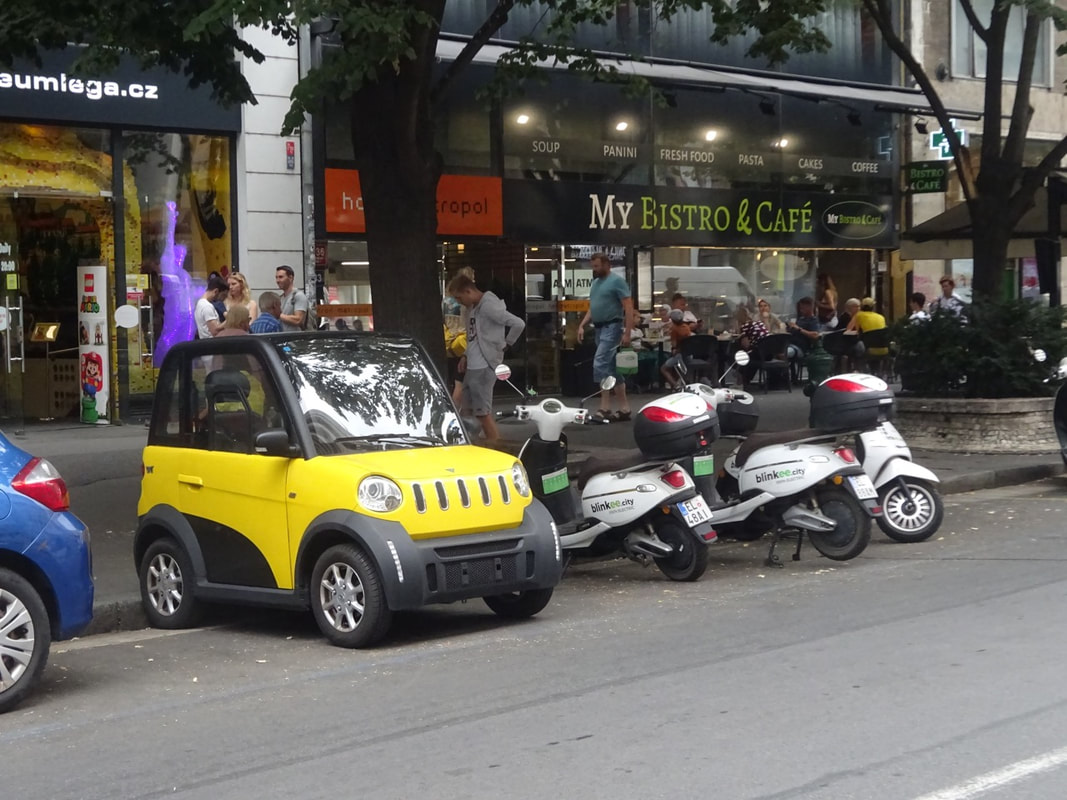
Not so public transit, but at least lesser impact than a Ford Expedition or Chevy Surburban.
Picture

​
Picture


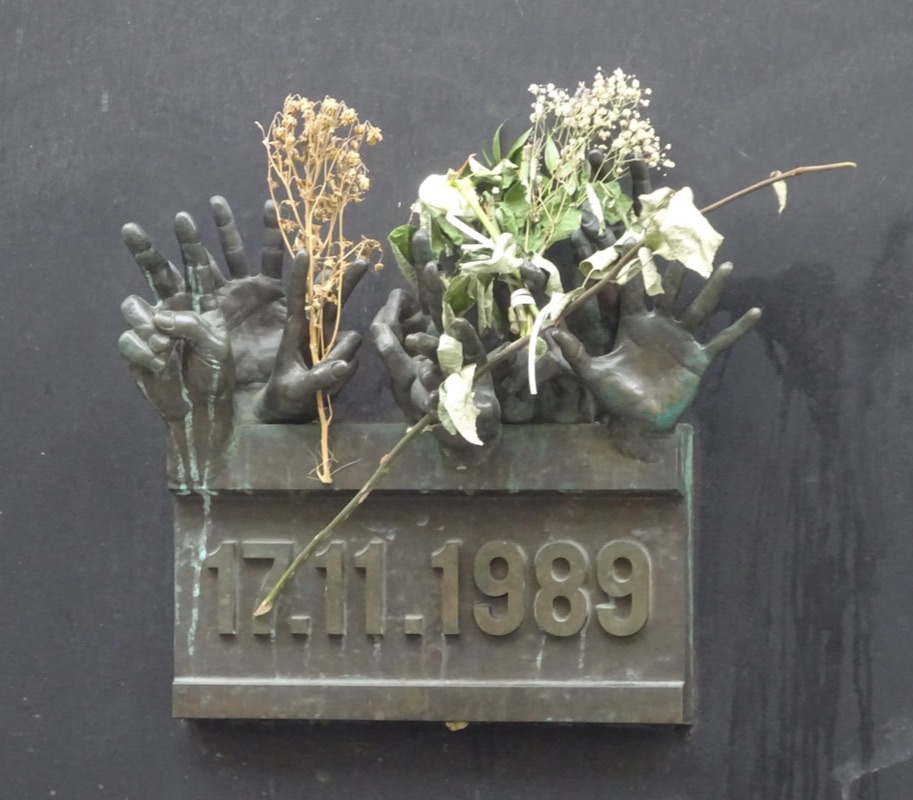
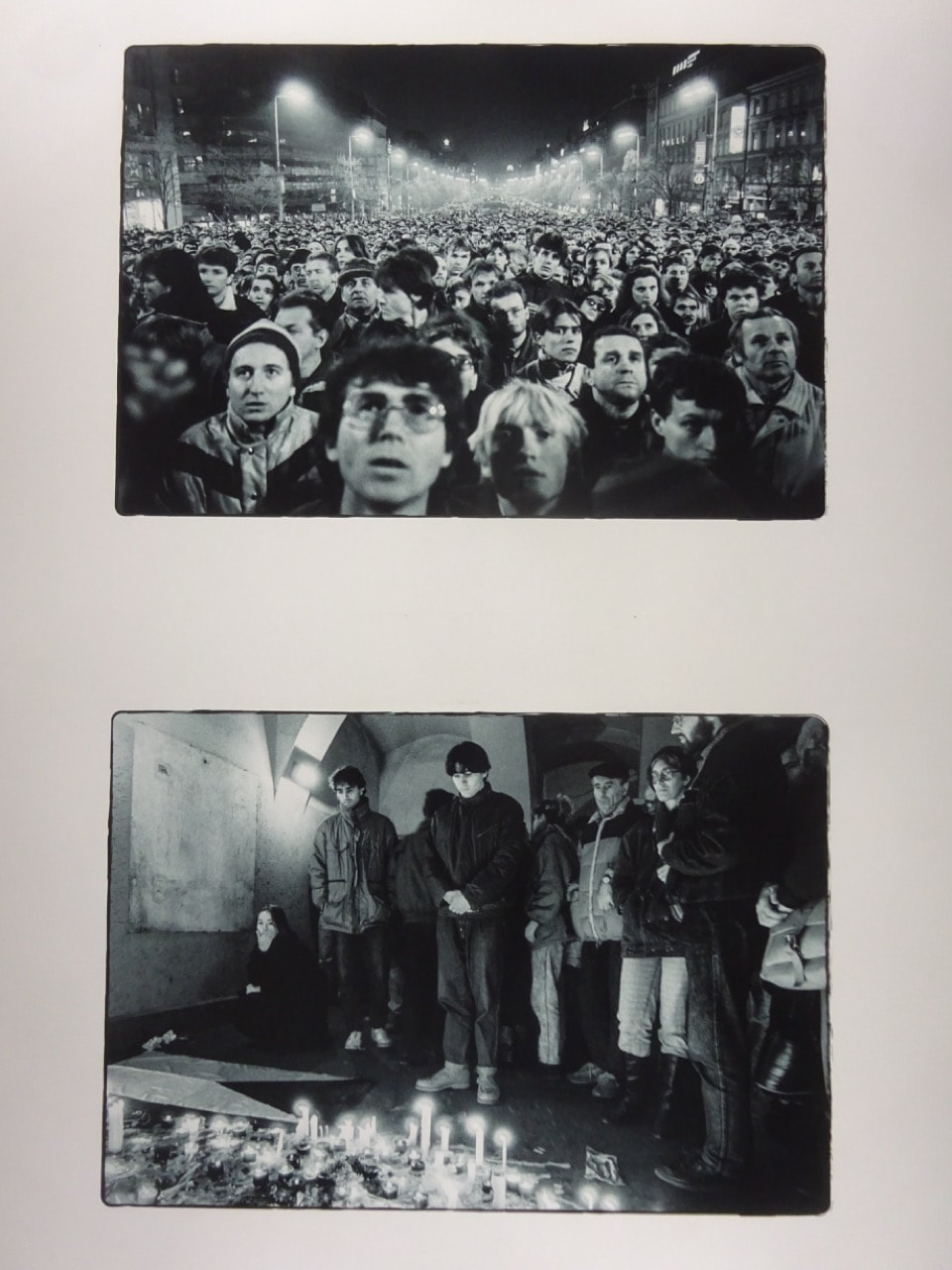
​On 17 November 1989 (International Students' Day), riot police suppressed a student demonstration in Prague. The event marked the 50th anniversary of a violently suppressed demonstration against the Nazi storming of Prague University in 1939 where 1,200 students were arrested and 9 killed. The 1989 event sparked a series of demonstrations from 17 November to late December and turned into an anti-communist demonstration. On 20 November, the number of protesters assembled in Prague grew from 200,000 the previous day to an estimated 500,000. The entire top leadership of the Communist Party, including General Secretary Miloš Jakeš, resigned on 24 November. 
Picture
The Velvet Revolution was a non-violent transition of power in what was then Czechoslovakia, occurring from 17 November to 28 November 1989. Popular demonstrations against the one-party government of the Communist Party of Czechoslovakia included students and older dissidents. The result was the end of 41 years of one-party rule in Czechoslovakia, and the subsequent dismantling of the command economy and conversion to a parliamentary republic.
---------------------------------------------------------------------------------------------------------------------------------------------------

​
Picture
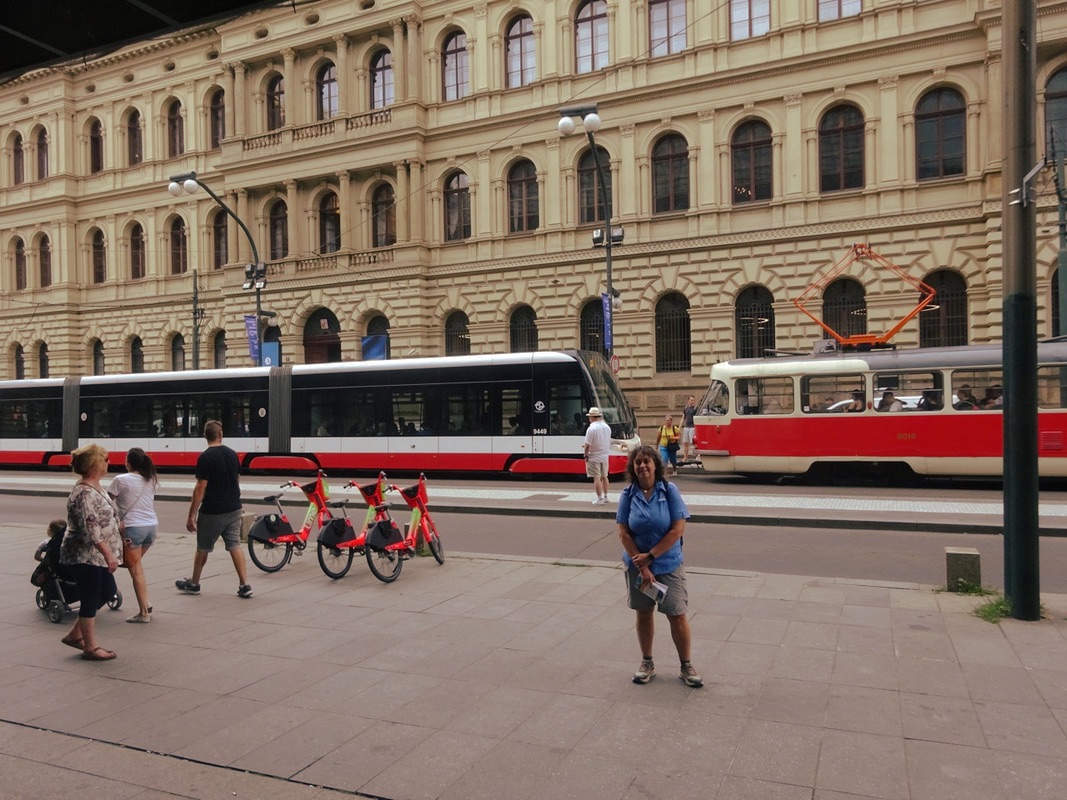
Gerri poses with better public transportation:  trams, bicycles, and side walks.
Picture


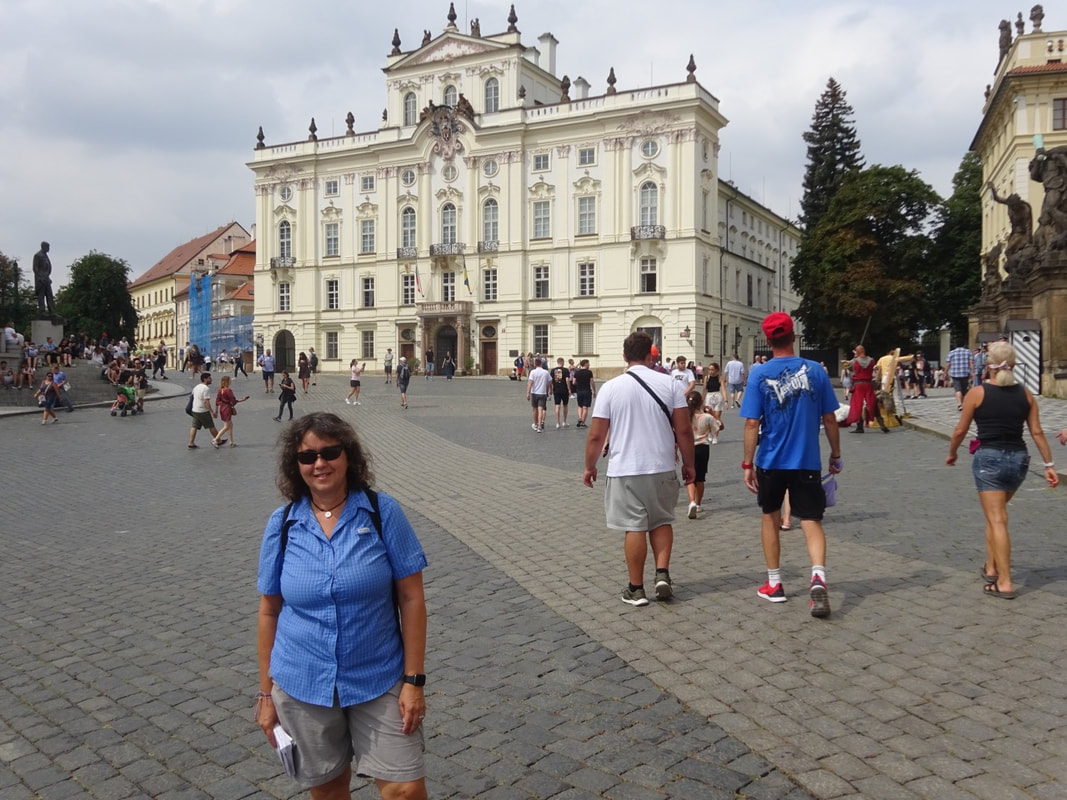
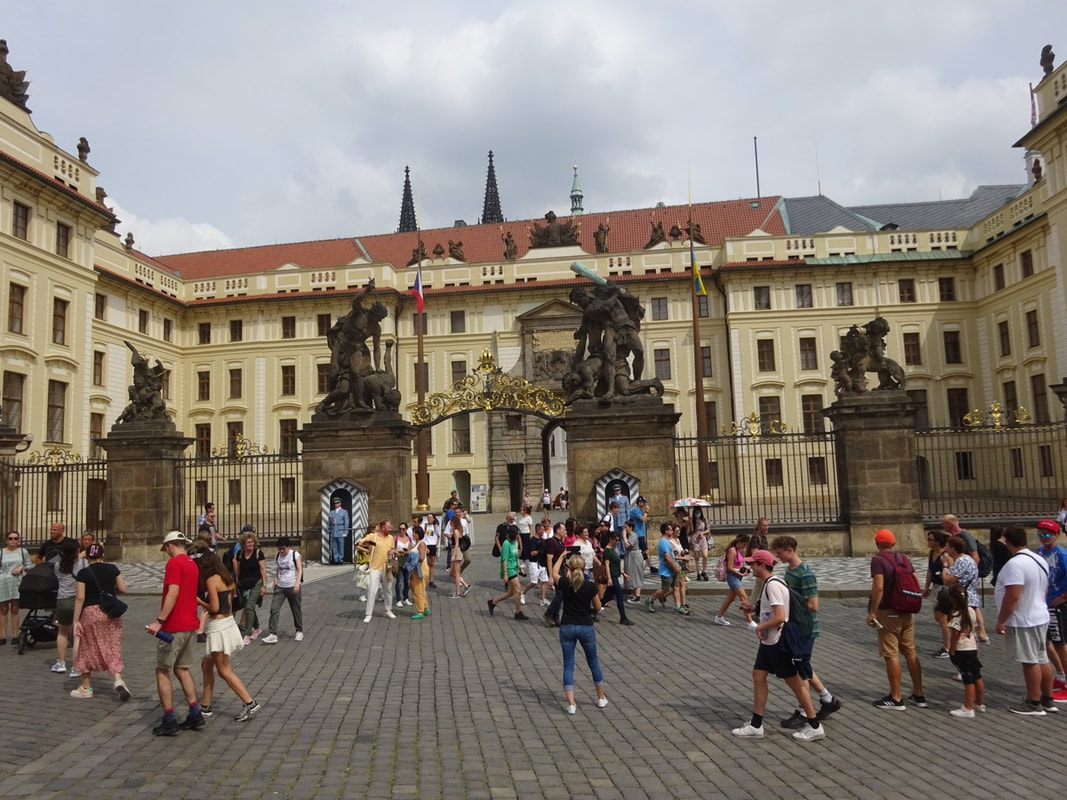
Prague Castle
Picture
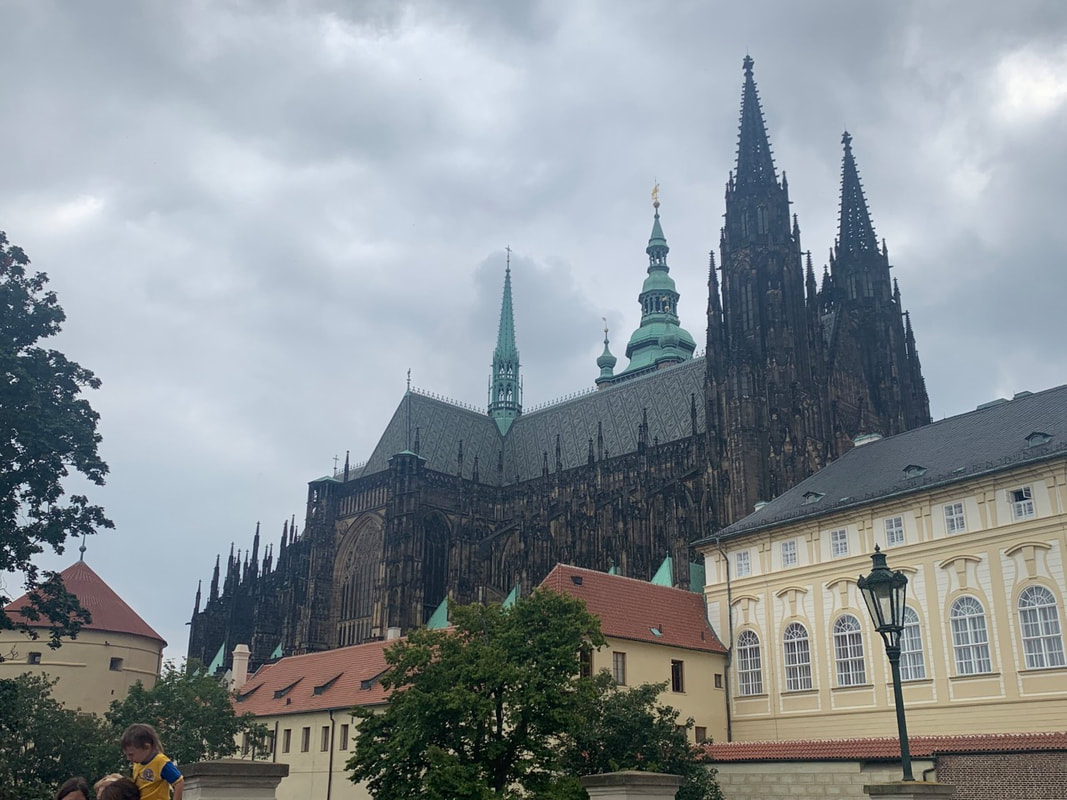
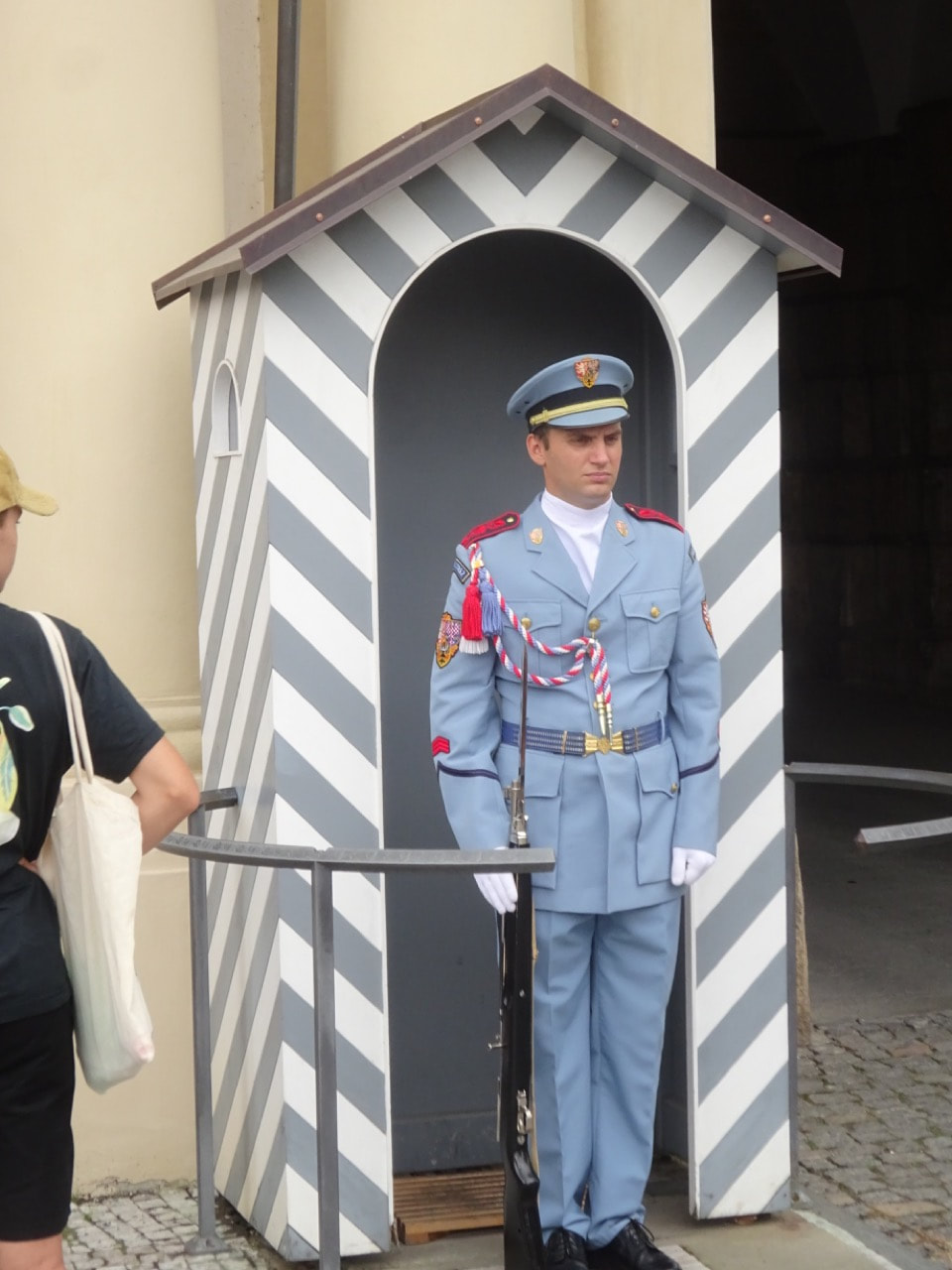
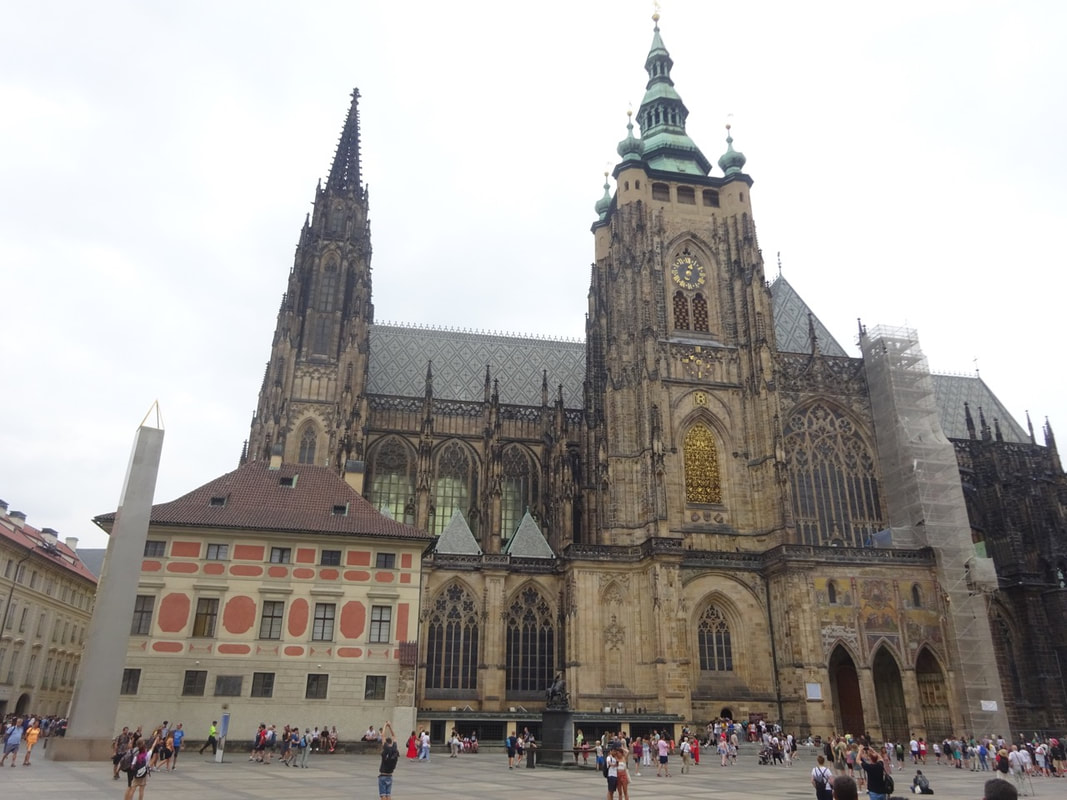
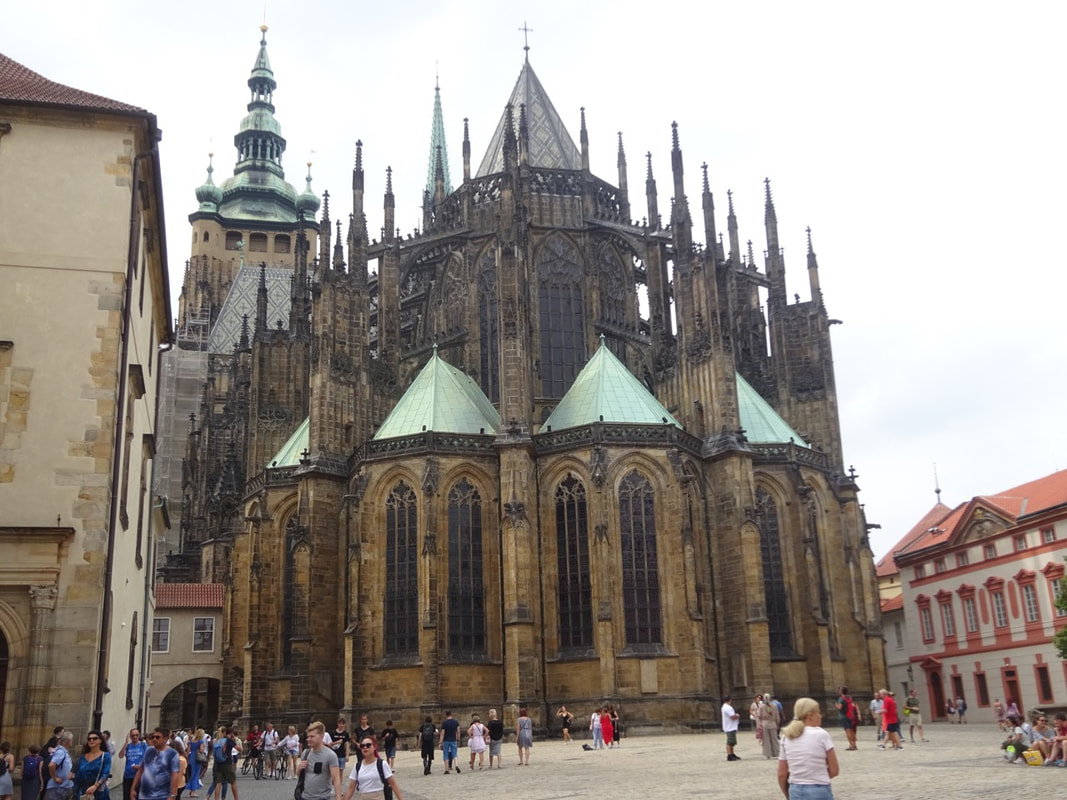
Prague Castle's history began in the 9th century. It is the official office of the President of the Czech Republic. The castle was a seat of power for kings of Bohemia, Holy Roman emperors, and presidents of Czechoslovakia.
According to the Guinness Book of Records, Prague Castle is the largest ancient castle in the world occupying an area of almost 70,000 square metres (750,000 square feet), at about 570 metres (1,870 feet) in length and an average of about 130 metres (430 feet) wide. The castle is among the most visited tourist attractions in Prague, attracting over 1.8 million visitors annually.


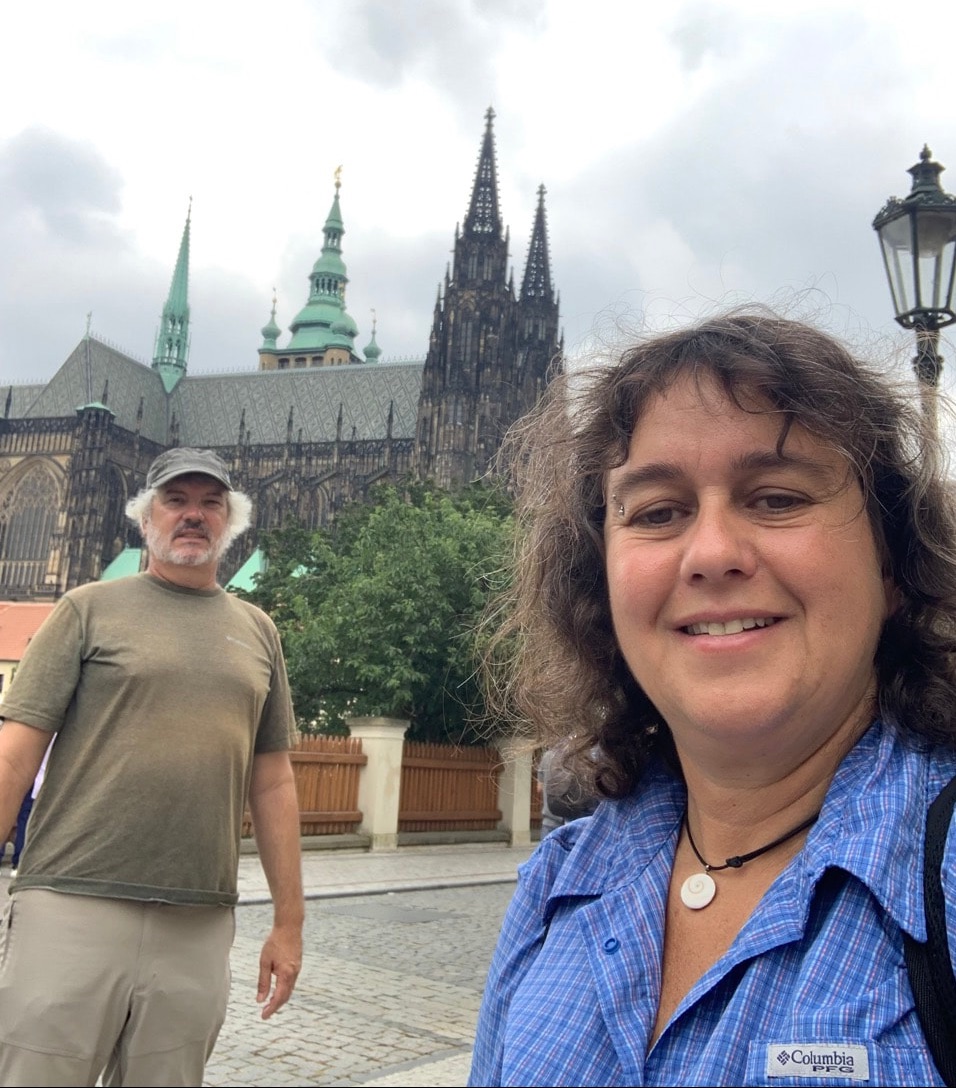
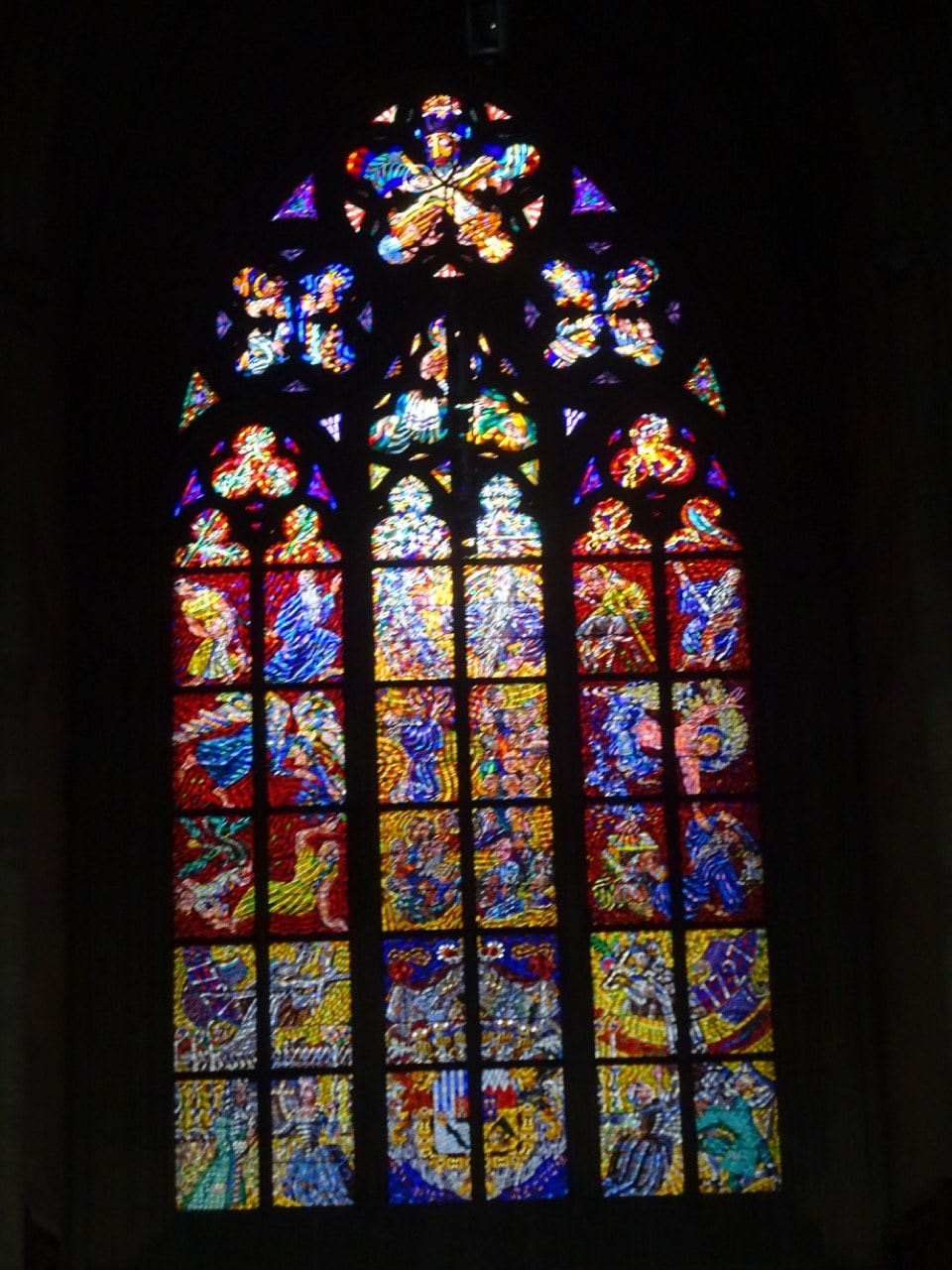
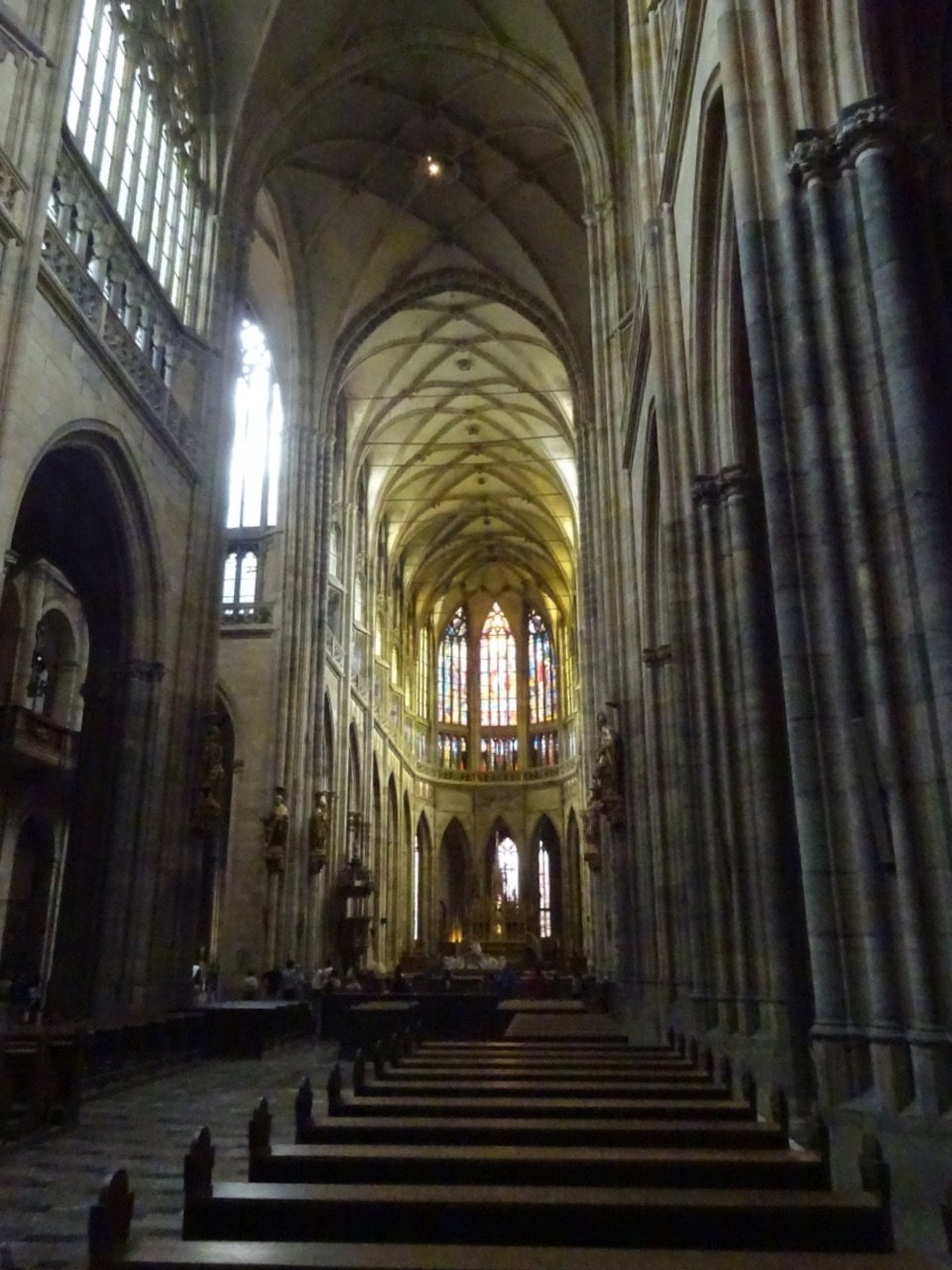
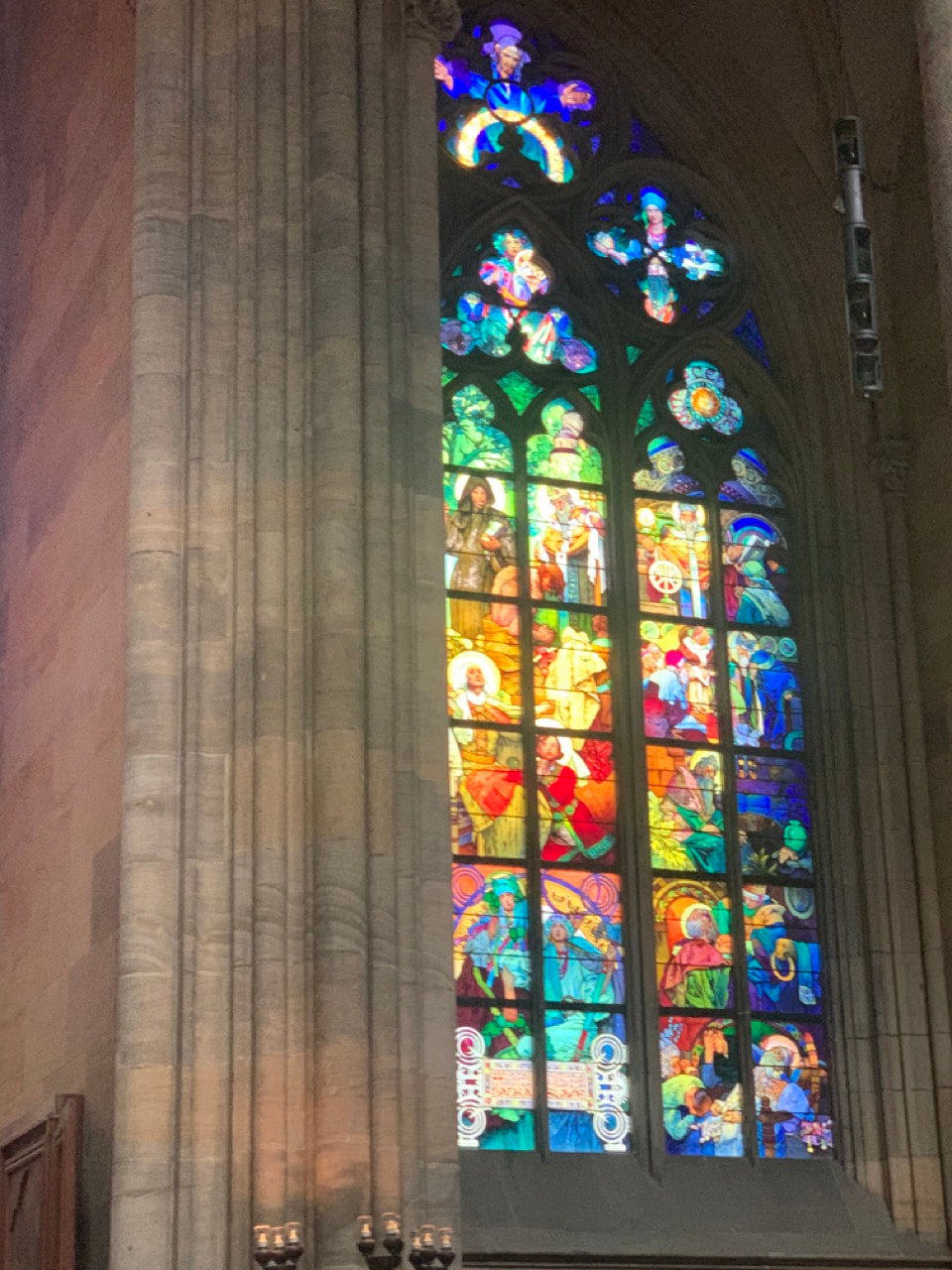
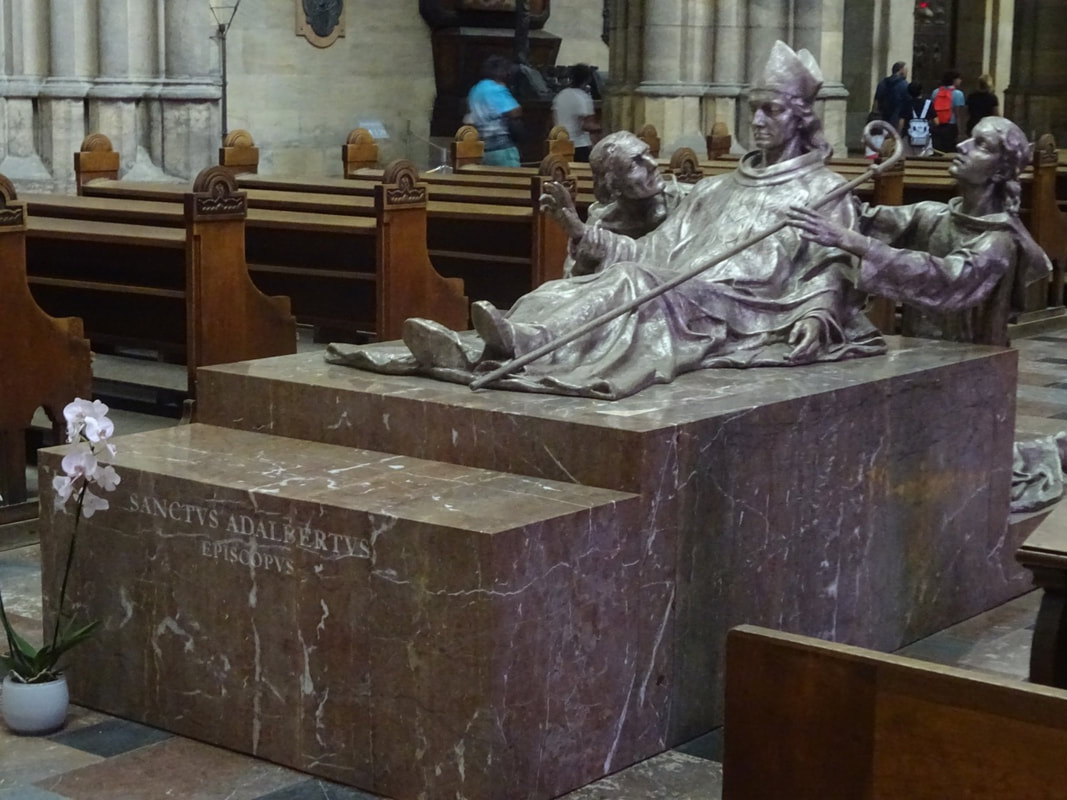
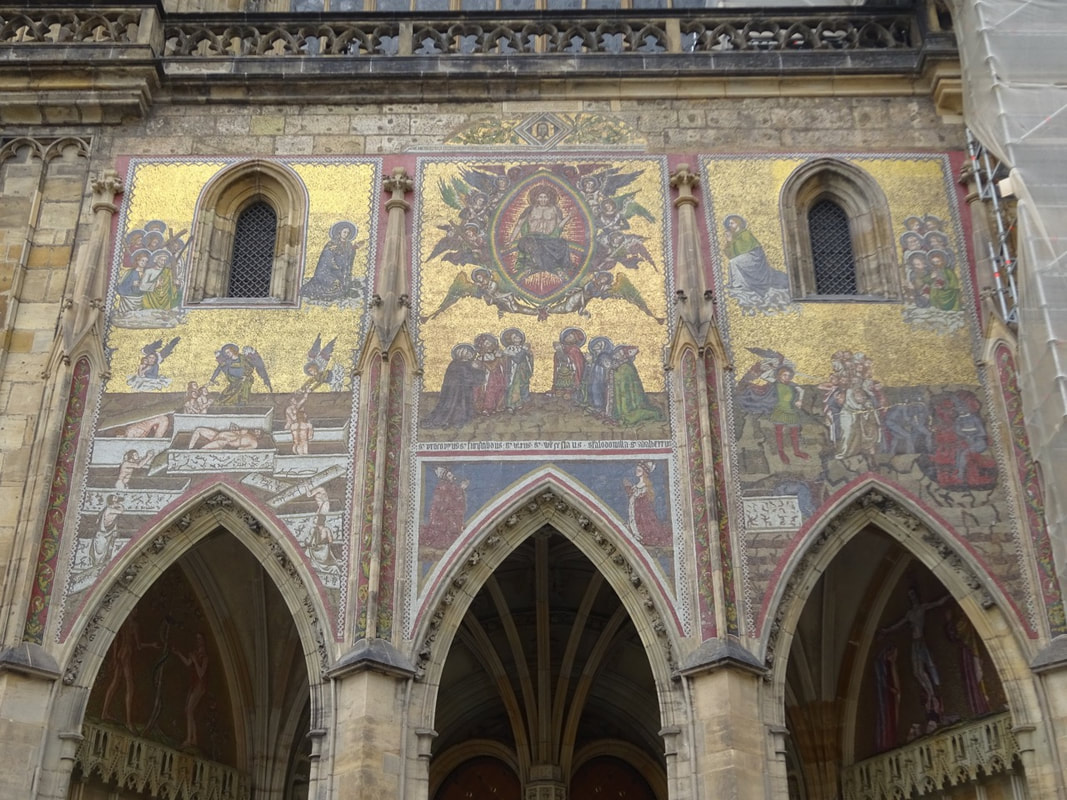
The Metropolitan Cathedral of Saints Vitus, Wenceslaus and Adalbert is a Roman Catholic metropolitan cathedral and the the seat of the Archbishop of Prague.  The 1344 AD church replaced an earlier one from 930 AD.

Picture
Picture
Picture
Picture
Picture
Picture
Picture
Picture
Picture
Picture
Picture
Picture
Picture
Picture
Picture
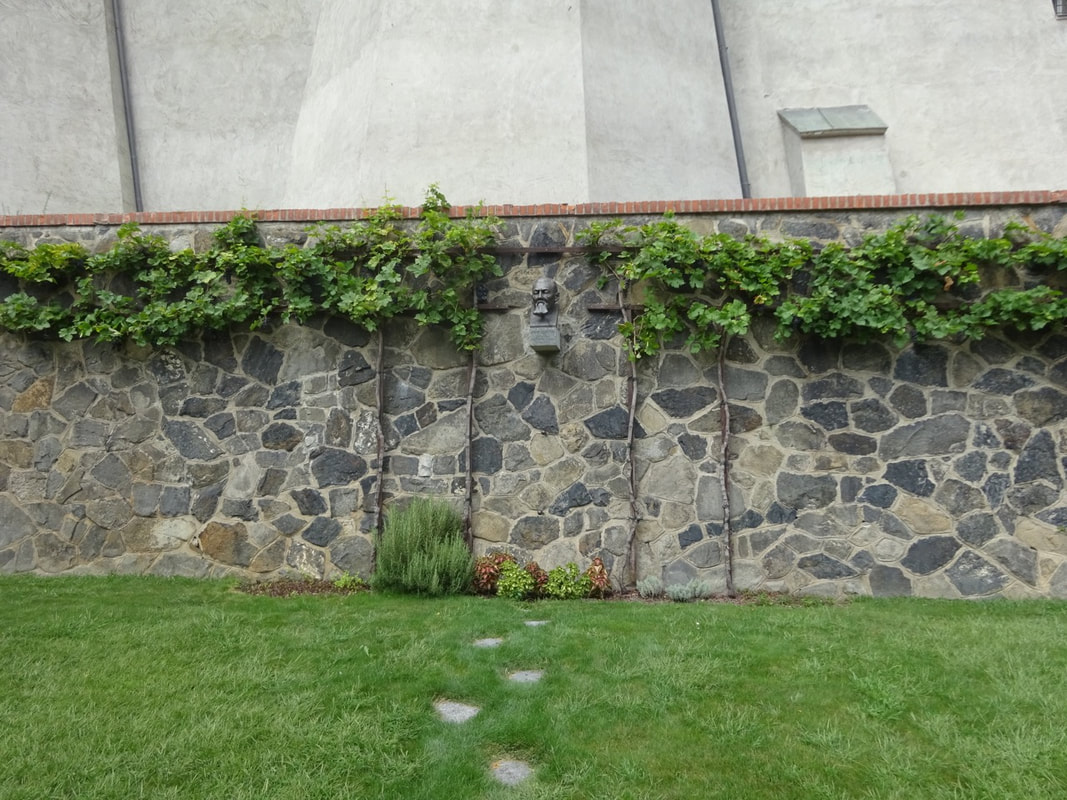
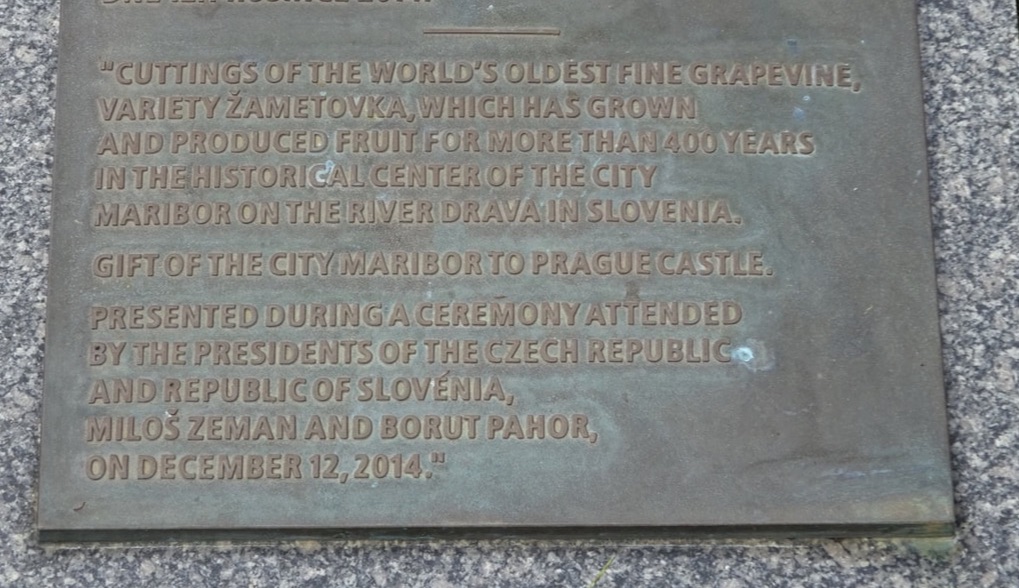
We visited the source of this vine back in Maribor Slovakia back on on 9 July.
Picture
Picture
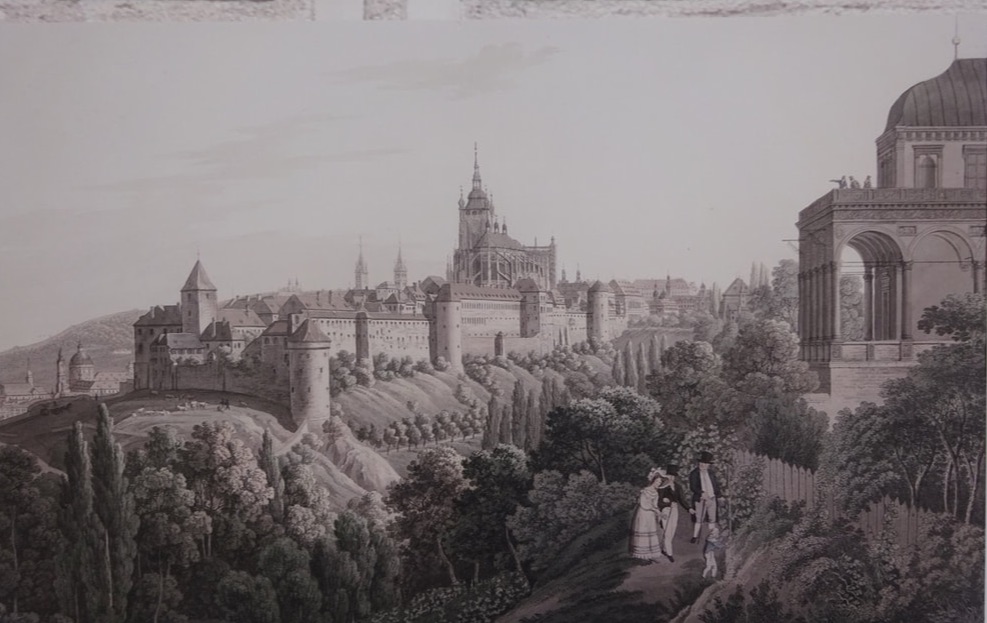
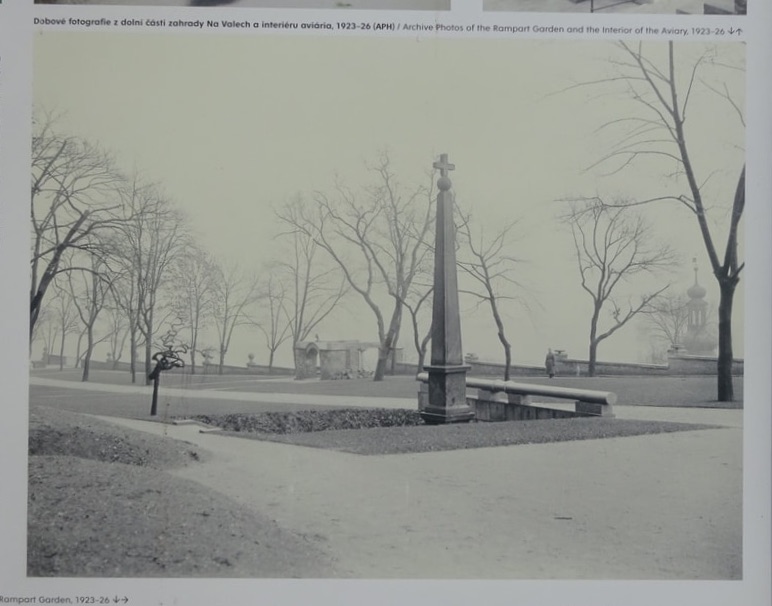
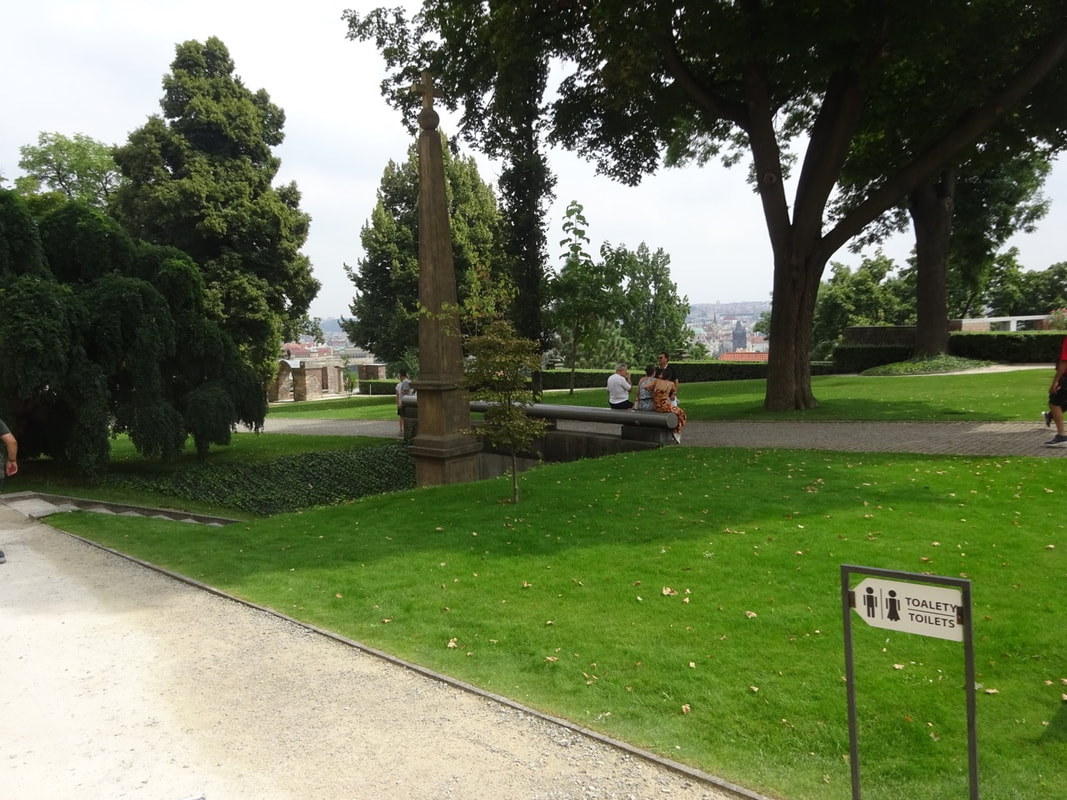
"Time-lapse" side-by-side photographs - we're here 99 years after the old photo was made.
Picture
Picture
Picture
Picture
Picture
Picture
Picture
Picture

Lesser Town

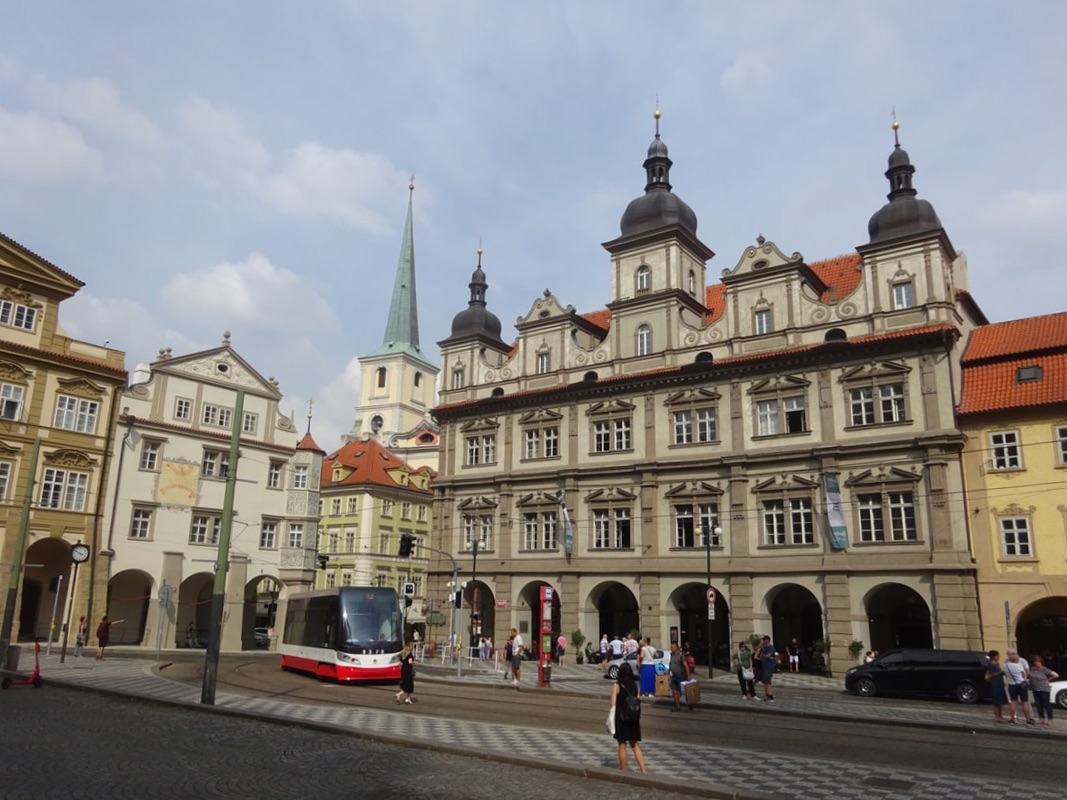
Malá Strana (Czech for "Little Side (of the River)") or more formally Menší Město pražské (English: Lesser Town of Prague) is a district of the city of Prague and one of its most historic neighborhoods.  Dating from the 10th century, a major fire burned 75% of it in 1540, but to this day the vast majority of the buildings pre-date 1800.

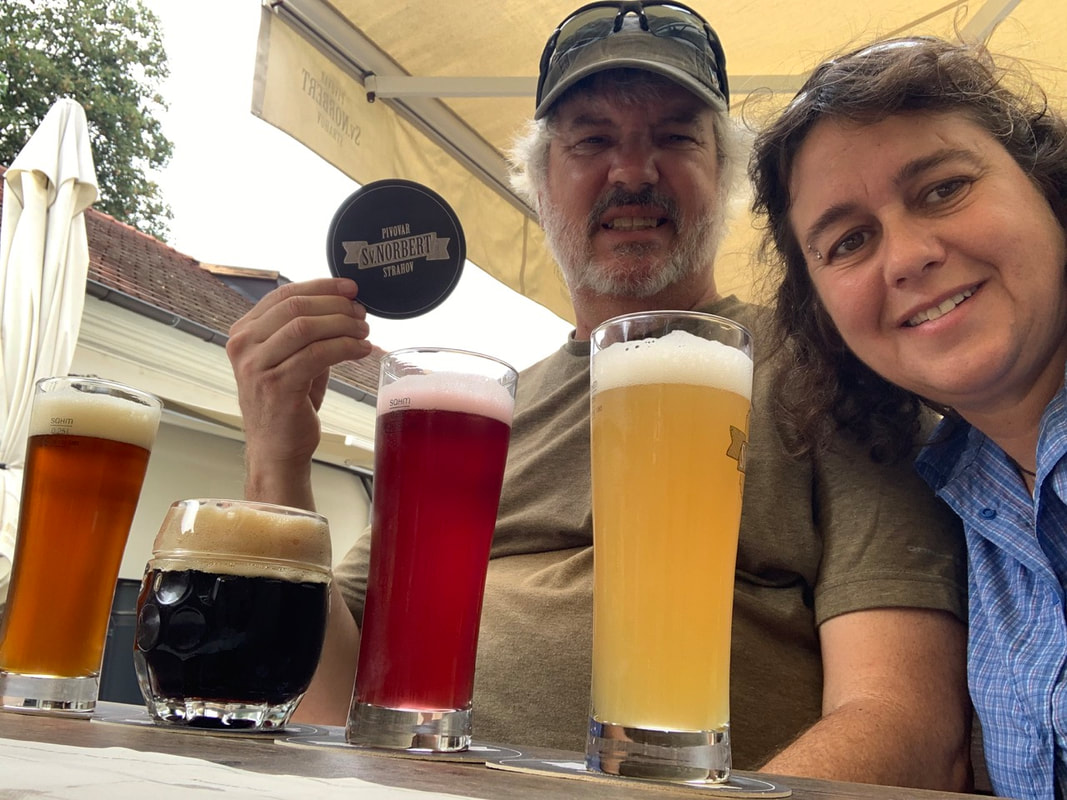
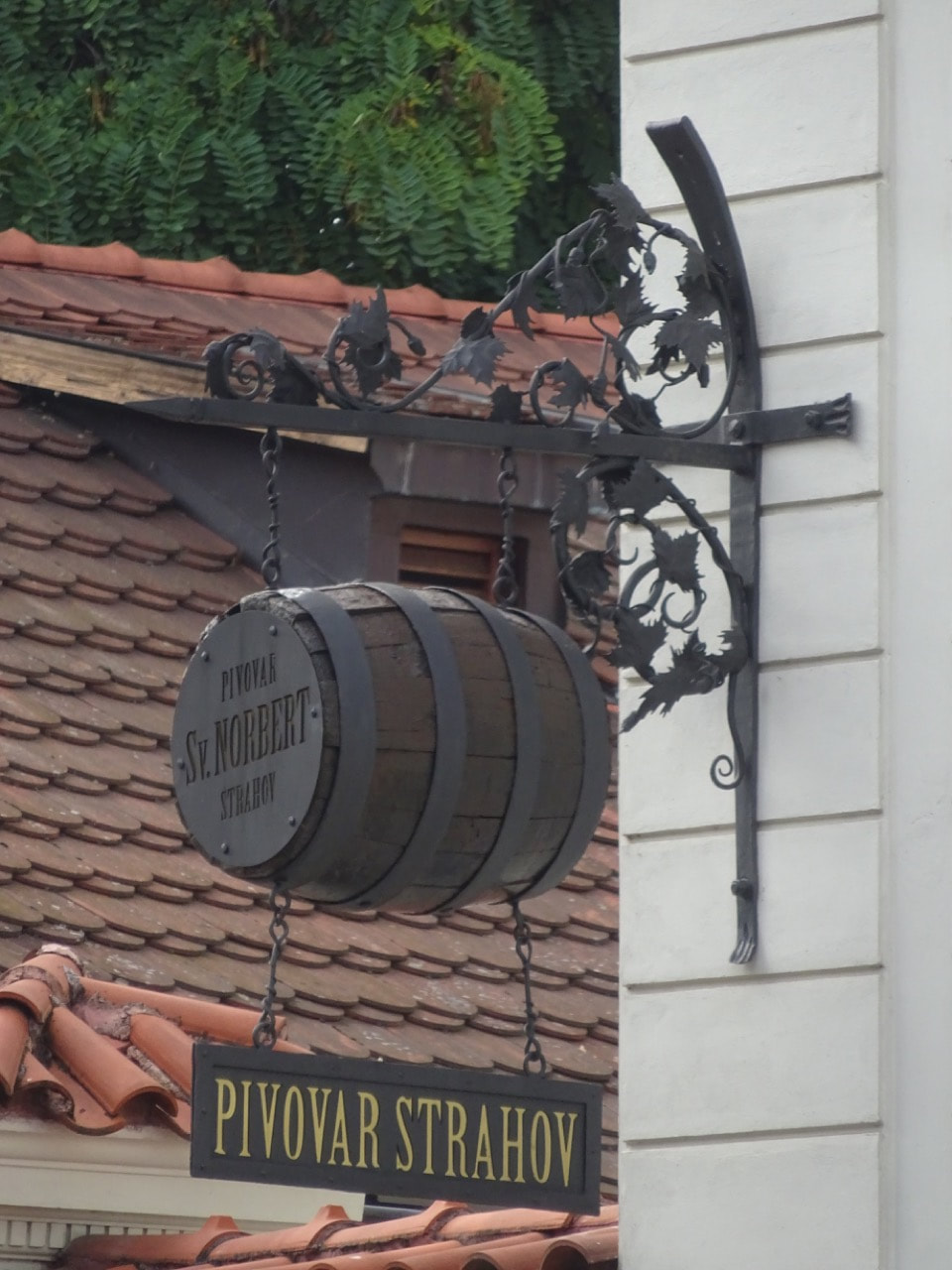
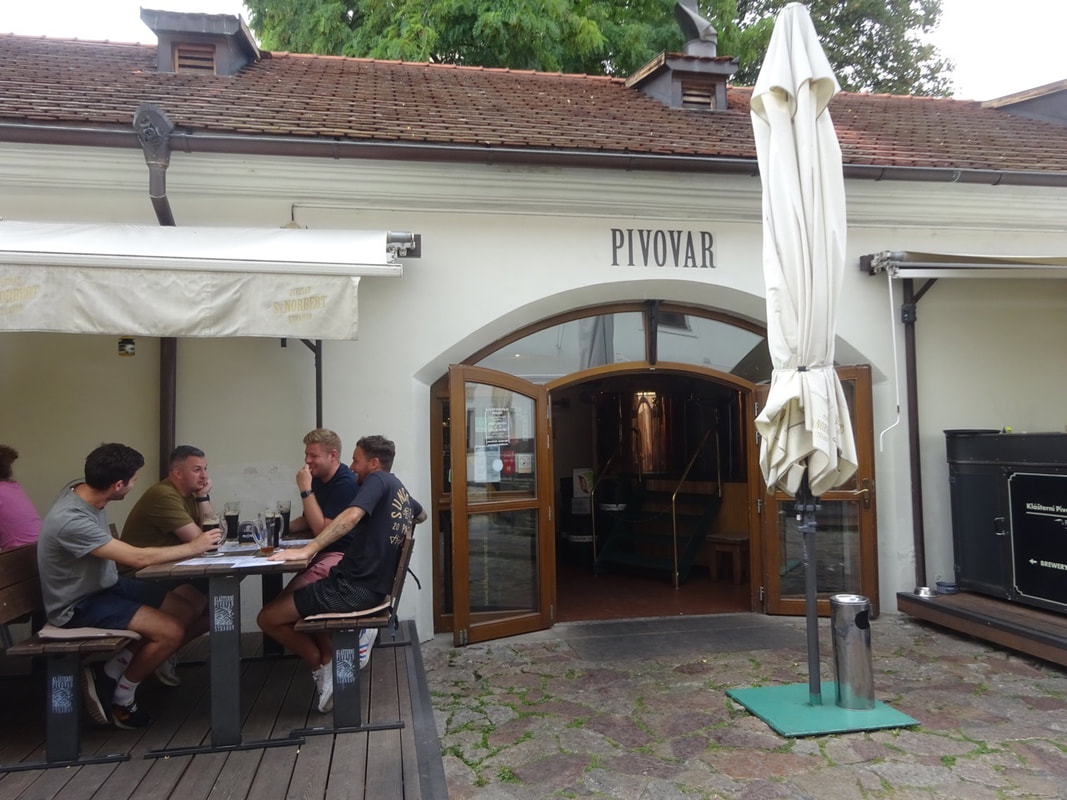
Strahov Monastery Brewery - we had some good beer and some good food and shared a table with an engaged couple.
Picture
Picture
Picture
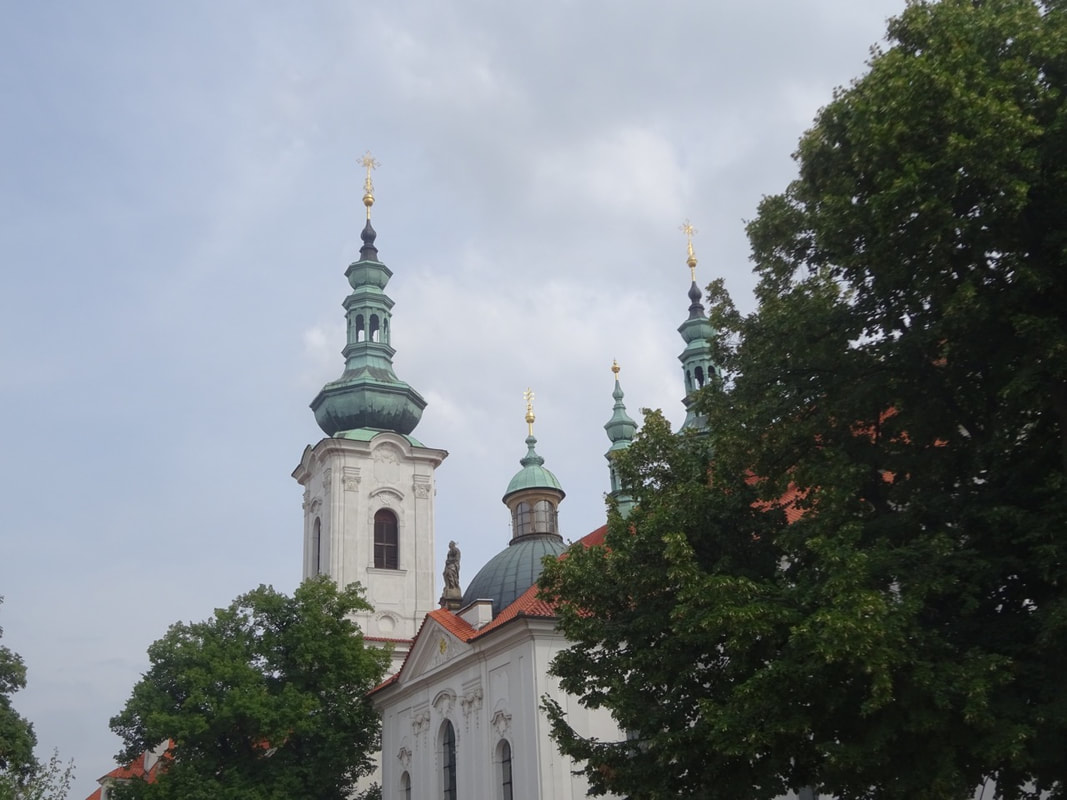
Strahov Monastery is a Premonstratensian abbey founded in 1143 by Jindřich Zdík, Bishop John of Prague, and Vladislaus II, Duke of Bohemia.
Picture
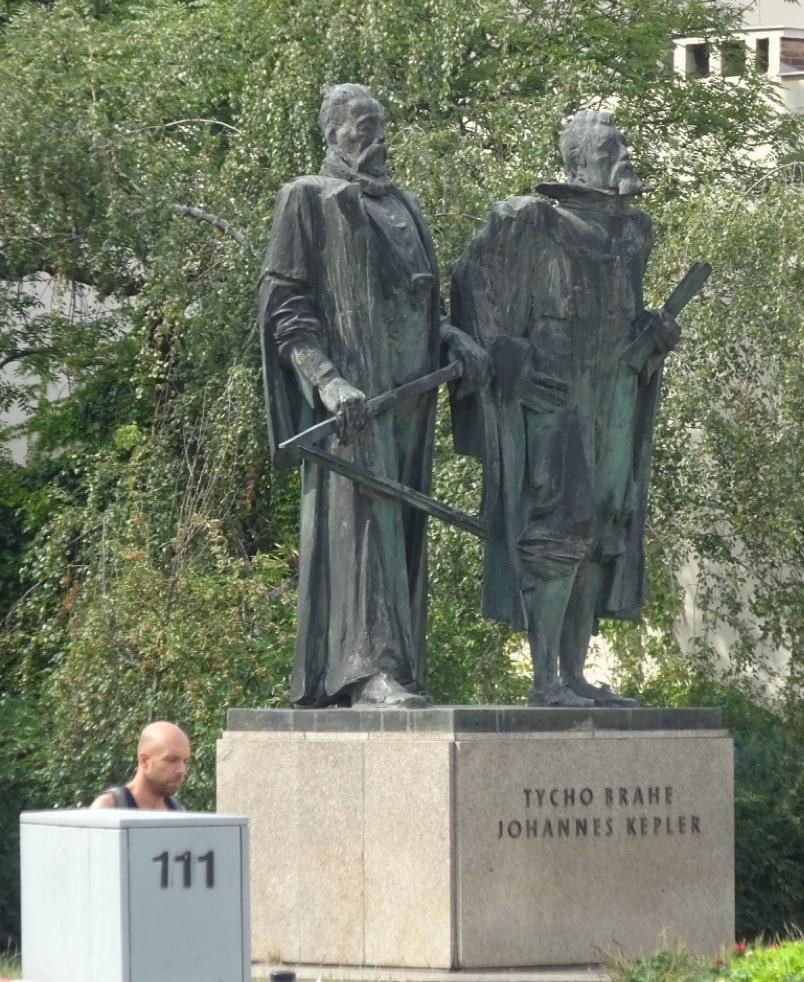
Tycho Brahe and Johannes Kepler, giants of astronomy, and the bust of "111", unknown live dude.
Picture
Picture
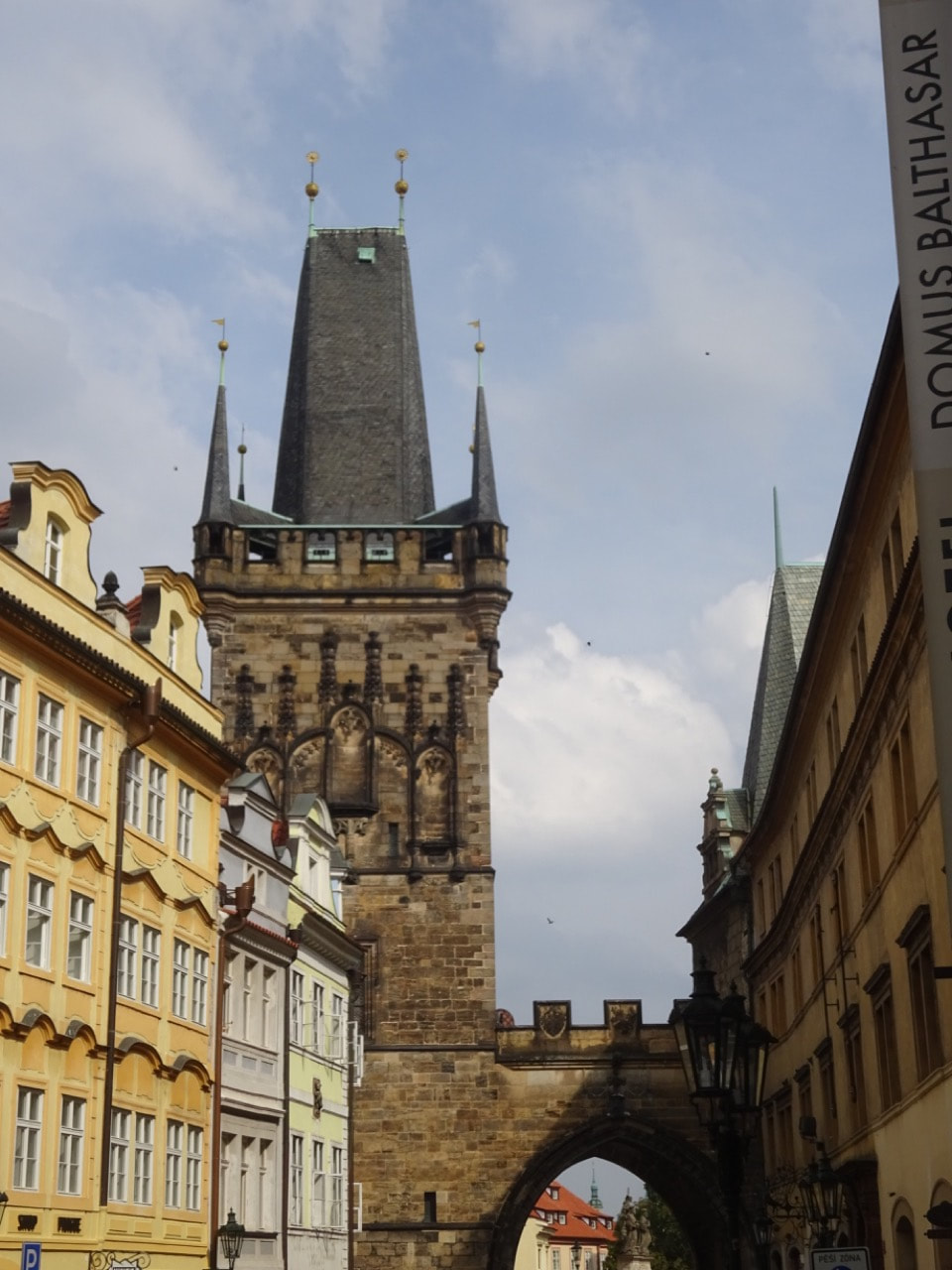
Now back in the vicinity of Charles Bridge.
Picture
Picture
Picture
Picture
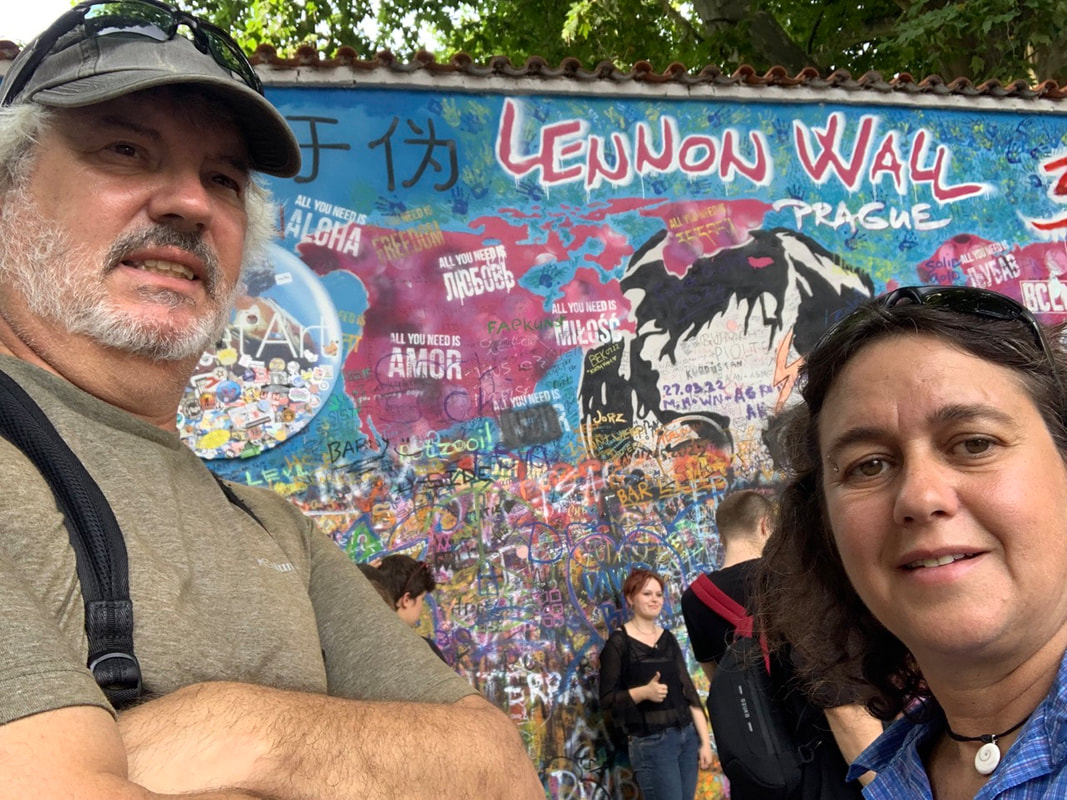
The Lennon Wall or John Lennon Wall.  Since the 1980s, this once-typical wall has been filled with John Lennon–inspired graffiti, lyrics from Beatles' songs, and designs relating to local and global causes.

Located in a small and secluded square across from the French Embassy, the wall had been decorated by love poems and short messages against the regime since 1960s. It received its first decoration connected to John Lennon—a symbol of freedom, western culture, and political struggle—following the 1980 assassination of John Lennon when an unknown artist painted a single image of the singer-songwriter and some lyrics.
Picture
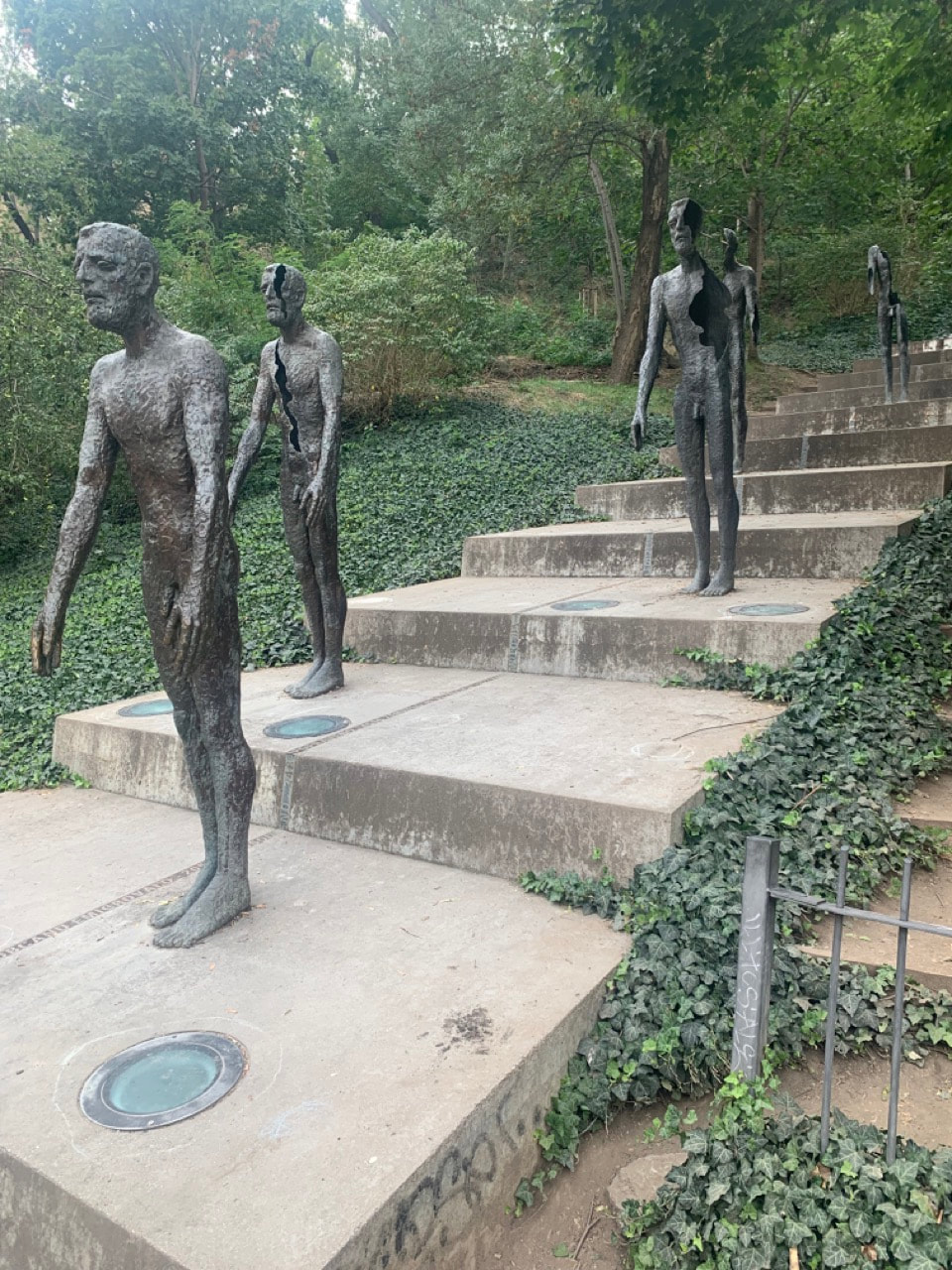
The Memorial to the Victims of Communism is a series of statues commemorating the victims of the communist era between 1948 and 1989. It is located at the base of Petřín hill, Újezd street in the Malá Strana or the Lesser Town area.  It was unveiled on the 22 May 2002, twelve years after the fall of communism in the Eastern Bloc.
Picture
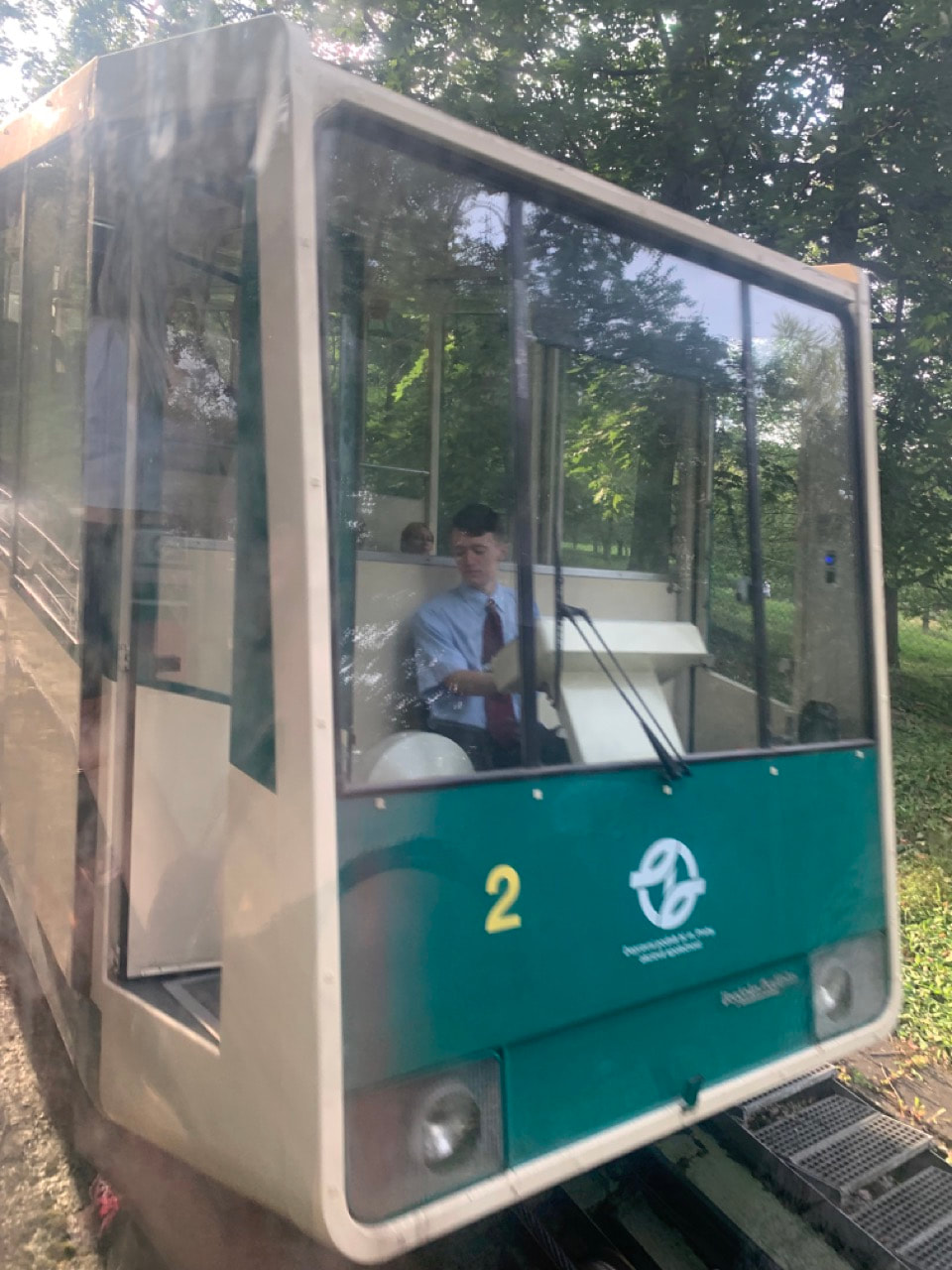
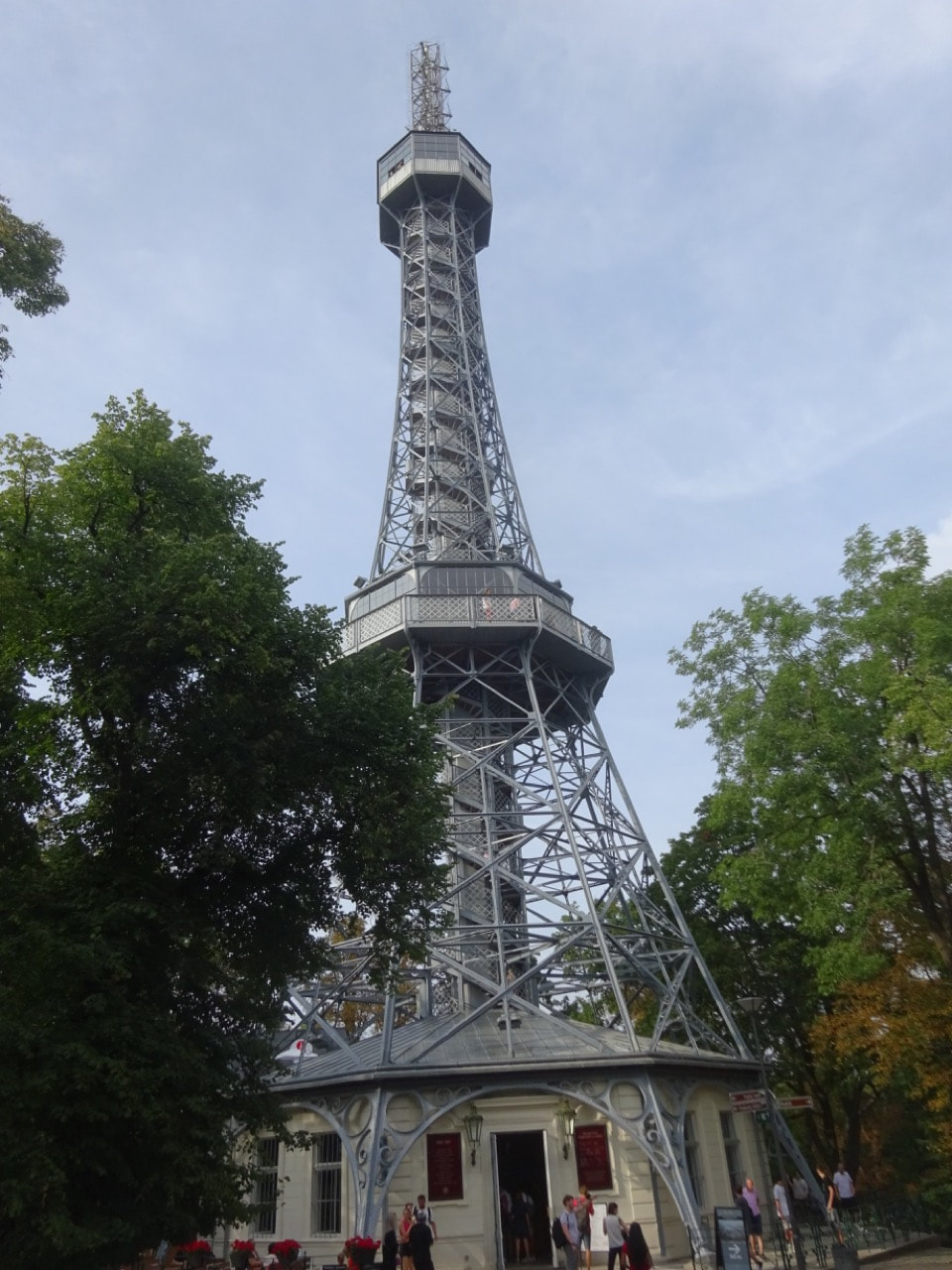
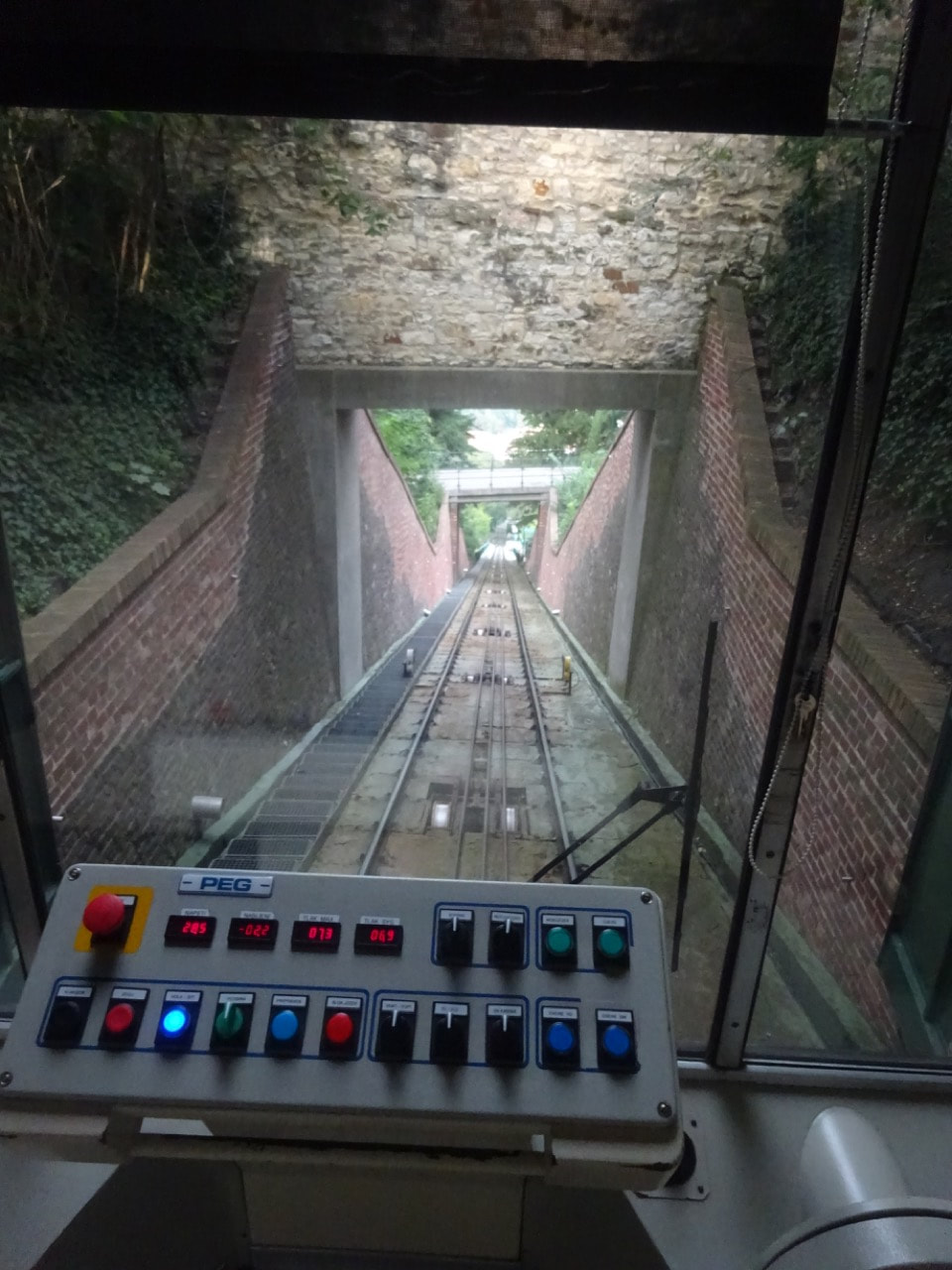
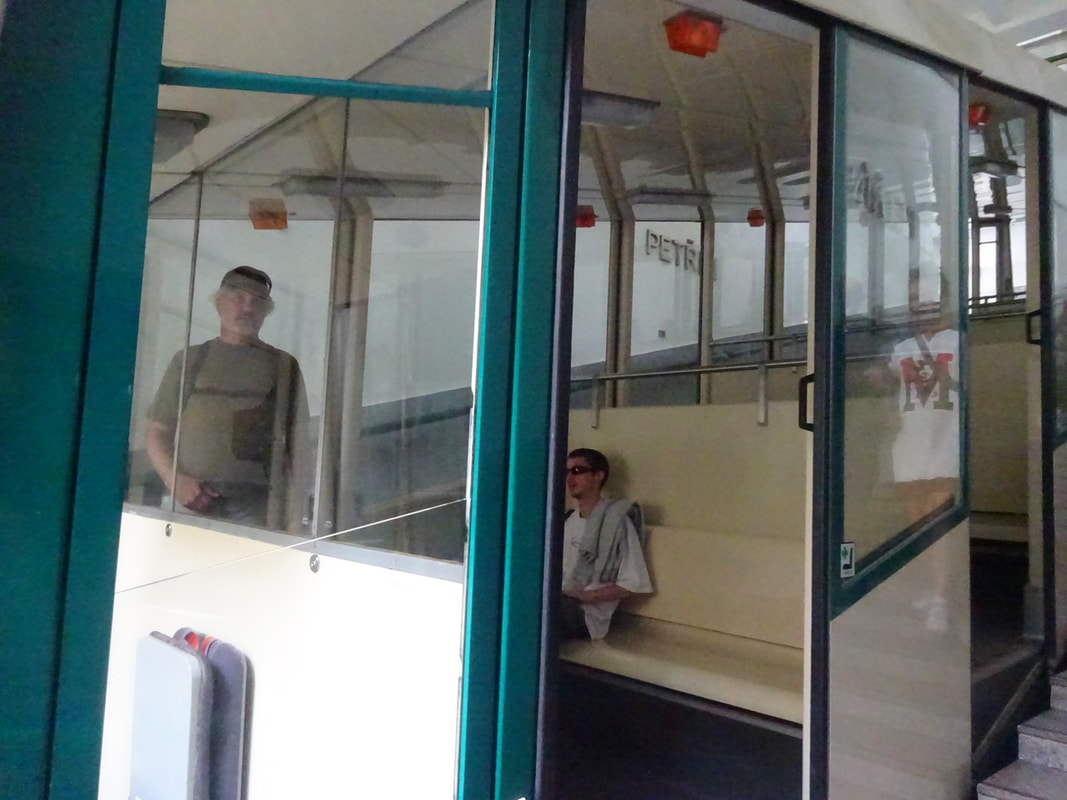
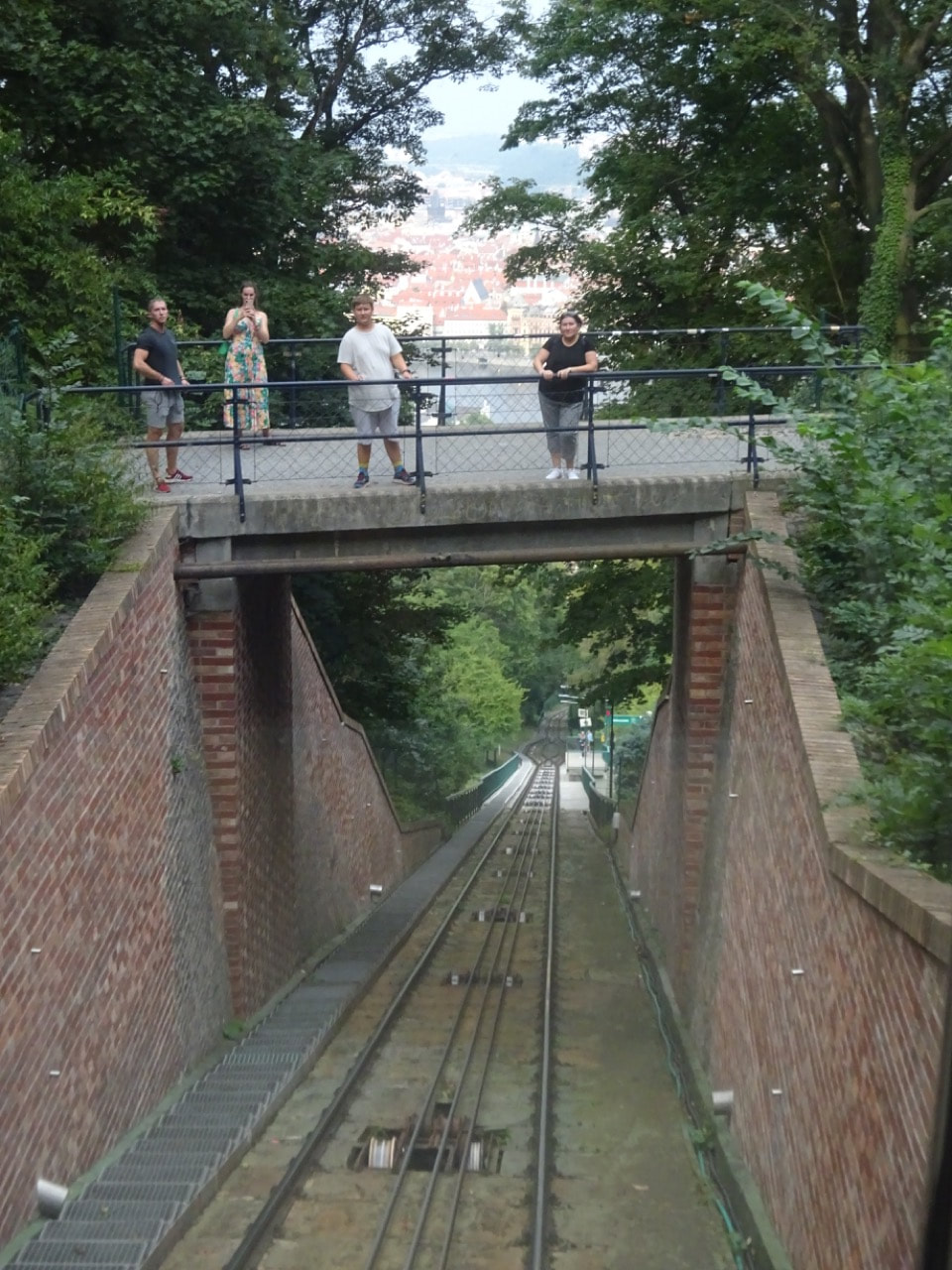
We ride the inclined railway to go see the Petřín Lookout Tower, a steel-framework tower 63.5 metres (208 ft) tall on Petřín Hill built in 1891. It resembles the Eiffel Tower and was used as an observation tower as well as a radio transmission tower. 
Picture
Picture
Picture
Picture
Picture
0 Comments
<<Previous
    Eastern Europe Home
    Blog Summary

    Archives

    September 2022
    August 2022
    July 2022
    June 2022
    May 2022
    April 2022

    Categories

    All

    RSS Feed

Powered by Create your own unique website with customizable templates.